The easiest way to misunderstand Grove Partners is to hear the word “campaign” and picture a candidate on a stage. The better picture is a room where nobody agrees on what the problem is. A university wants a stadium. Its neighbors hear concerts, traffic and noise. A watermarking company sees three decades of technical advantage. The market sees a name it barely knows. A telecom group operates in 24 countries and would like all of them to describe the same company. The work begins before anyone buys the slogan.
Grove is a small strategic advisory firm founded by Matt Yale and headquartered in Miami, with offices listed in Boston and Nashville. Its clients range from large companies and universities to startups and nonprofits. The offer crosses categories that agencies usually keep in separate departments: crisis and reputation, public affairs, regulatory strategy, land-use approvals, communications, media relations and grassroots organizing.
That range is not accidental. Yale moved through investment management, the U.S. Department of Education, Laureate Education and Tusk Strategies before starting Grove. He had seen policy, corporate communications and campaigns from adjoining seats. Grove’s wager is that a consequential problem rarely stays in one lane long enough for a specialist to own it.

A difficult public problem is rarely waiting for better copy. It is waiting for a coalition that can survive contact with the opposition.The logic underneath Grove’s work
The loss before the win
Consider Ryan Field. Northwestern University wanted to replace a 97-year-old football stadium in Evanston, Illinois. The roughly $800 million project was privately funded, but the concerts that made the economics more attractive required city approval. The argument escaped the campus almost instantly. Nearby residents organized around traffic, noise and the fear that a residential neighborhood would become a part-time entertainment district. Law firms and public-relations firms joined the fight. Then, after roughly 15 hours of testimony, Evanston’s Land Use Commission rejected the concert proposal 7-2.
Land Use Commission rejection
City Council approval
This is the part campaign mythology tends to skip. The first thing to fail was not the ultimate vote; it was the original theory of consent. Northwestern reduced its request from 10 concerts a year to six and dropped a provision that could have allowed unlimited smaller university events. A community-benefits proposal put real money behind the claim that the city would gain from the project. Grove says it handled the comprehensive campaign: local engagement, coordination among the university, the private funder and the city, and the work of finding an outcome enough parties could live with.
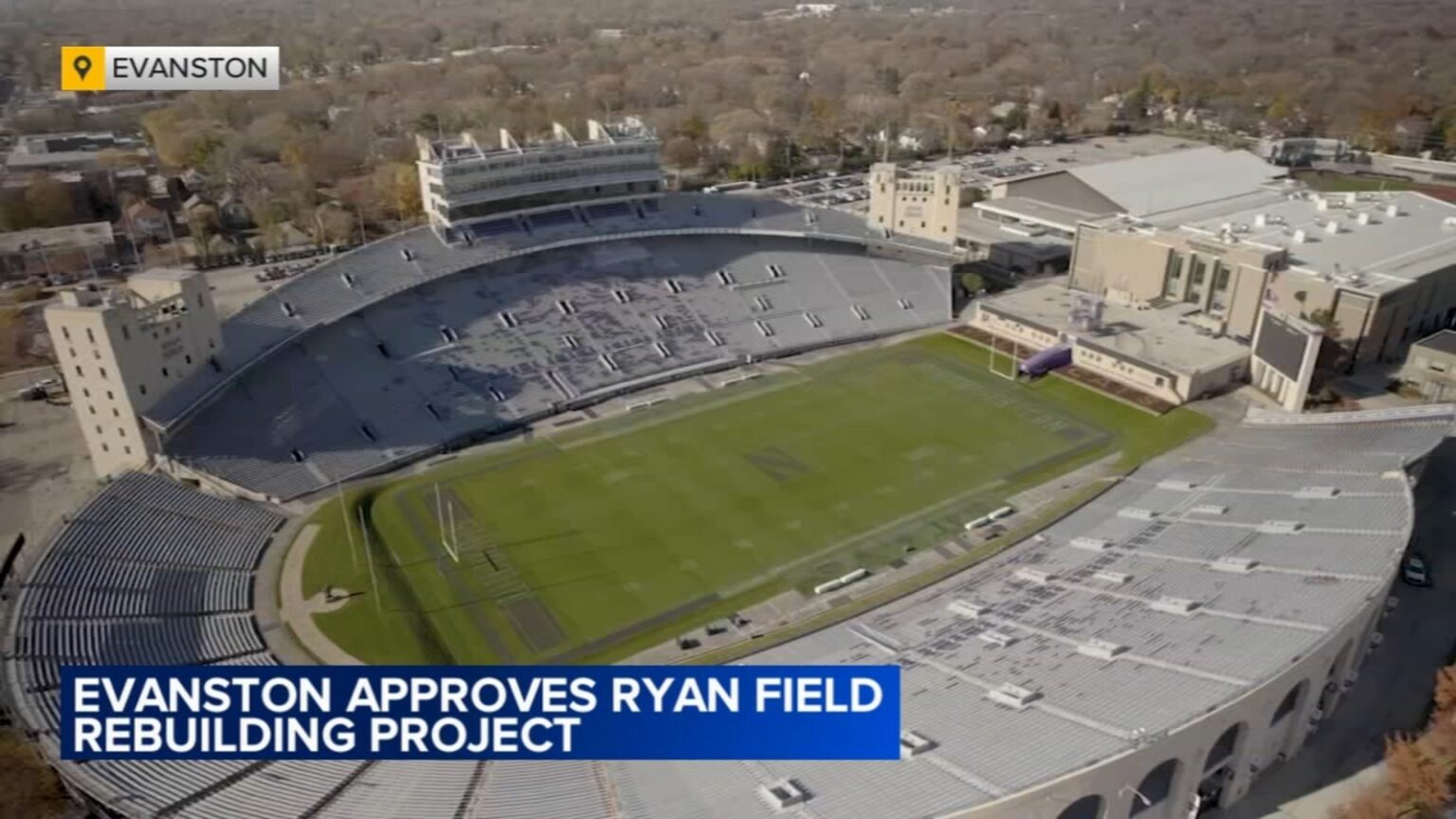
The City Council ultimately approved the rebuild and six concerts a year. The price of agreement was not merely the construction budget. It included a smaller ask, constraints on use and a public-benefits bargain. That distinction matters. Communications can make a proposal legible; it cannot make a bad bargain good. In this case, opposition supplied information. The campaign changed the offer.
Six verbs, no magic
Grove’s homepage reduces its method to a pleasingly severe sequence: identify audiences, build the narrative, develop the strategy, execute tactics, manage the opposition, run to win. It reads like a poster because it almost is one. But it is also a useful planning test. Many organizations start at step four. They issue the release, book the event or commission the logo before deciding whose behavior must change.
The portable version fits on one page. Write down the decision, not the aspiration. List every audience with power over it. Give each audience a belief and a behavior. Name the organized opposition without caricaturing it. Then attach an owner and a date to every tactic. This is not proprietary genius. Its value comes from forcing a team to replace “raise awareness” with a countable act.
A banknote meets a chatbot
Digimarc presented a different puzzle. The company had spent decades putting invisible digital watermarks into consequential physical objects - currencies, licenses, medicines and packaging. Then generative AI made the authenticity of digital media a mainstream concern. The underlying technology had relevance, but relevance does not automatically confer a role in a new conversation.
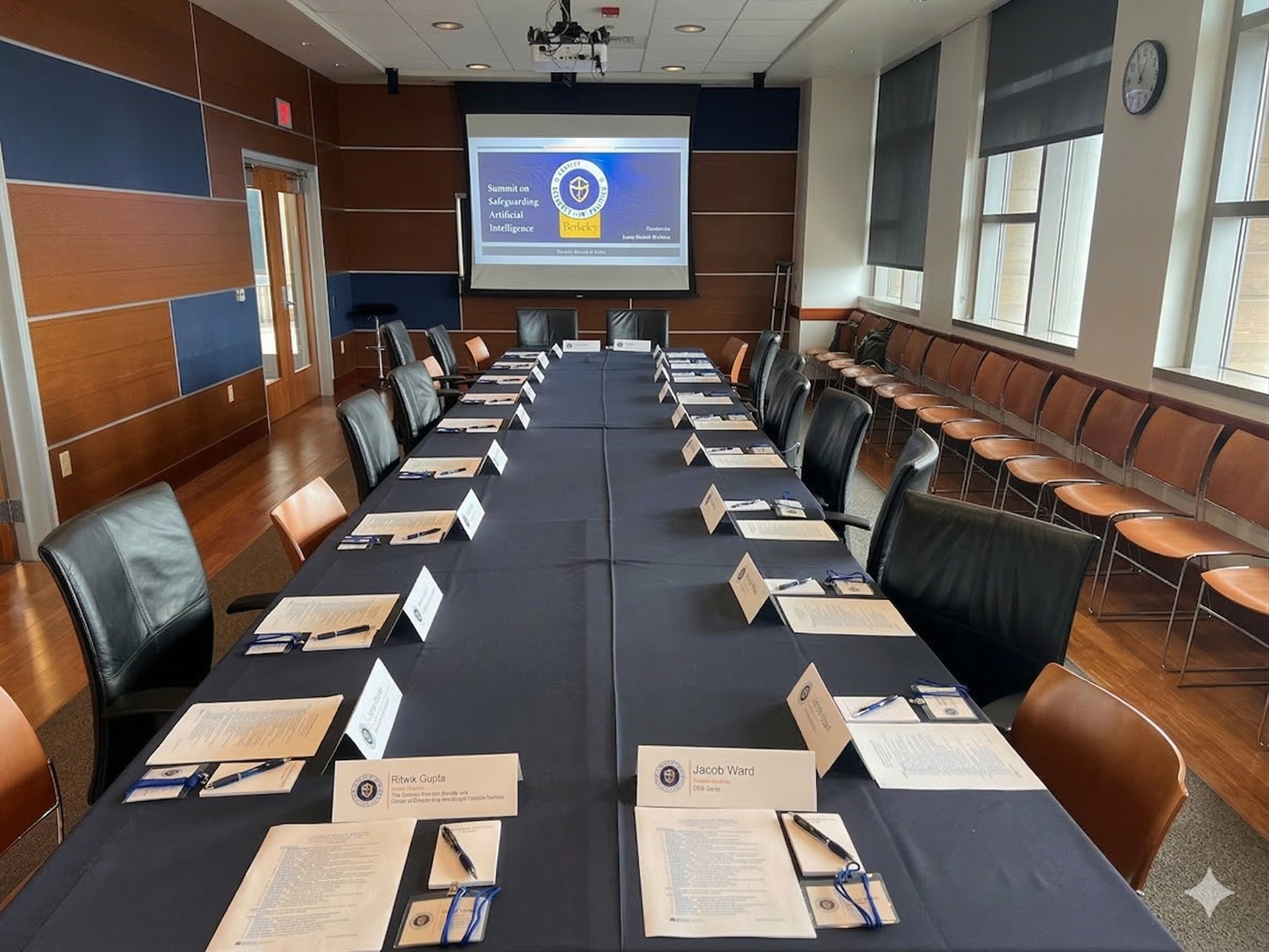
Grove says it worked on both the product offer and the language around it. The team helped develop relationships with NBC, Hearst, Sony and CAA, opened conversations in Washington, and supported a Berkeley summit that gathered business, government and academic participants. Digimarc’s CEO appeared in the White House announcement around the 2023 AI executive order. The work is a neat demonstration of positioning at its most practical: connect an old capability to a new anxiety, then earn enough meetings for the connection to become credible.
This is where Grove differs from a conventional publicity shop. The firm’s public account includes shaping the offering, arranging institutional relationships and working the federal-policy circuit, not simply announcing the result. Riley McCormack, Digimarc’s chief executive, describes Grove as a team that both architects the vision and “rolls up their sleeves.” For a boutique consultancy, that second phrase is the business model.
Twenty-four versions of “we”
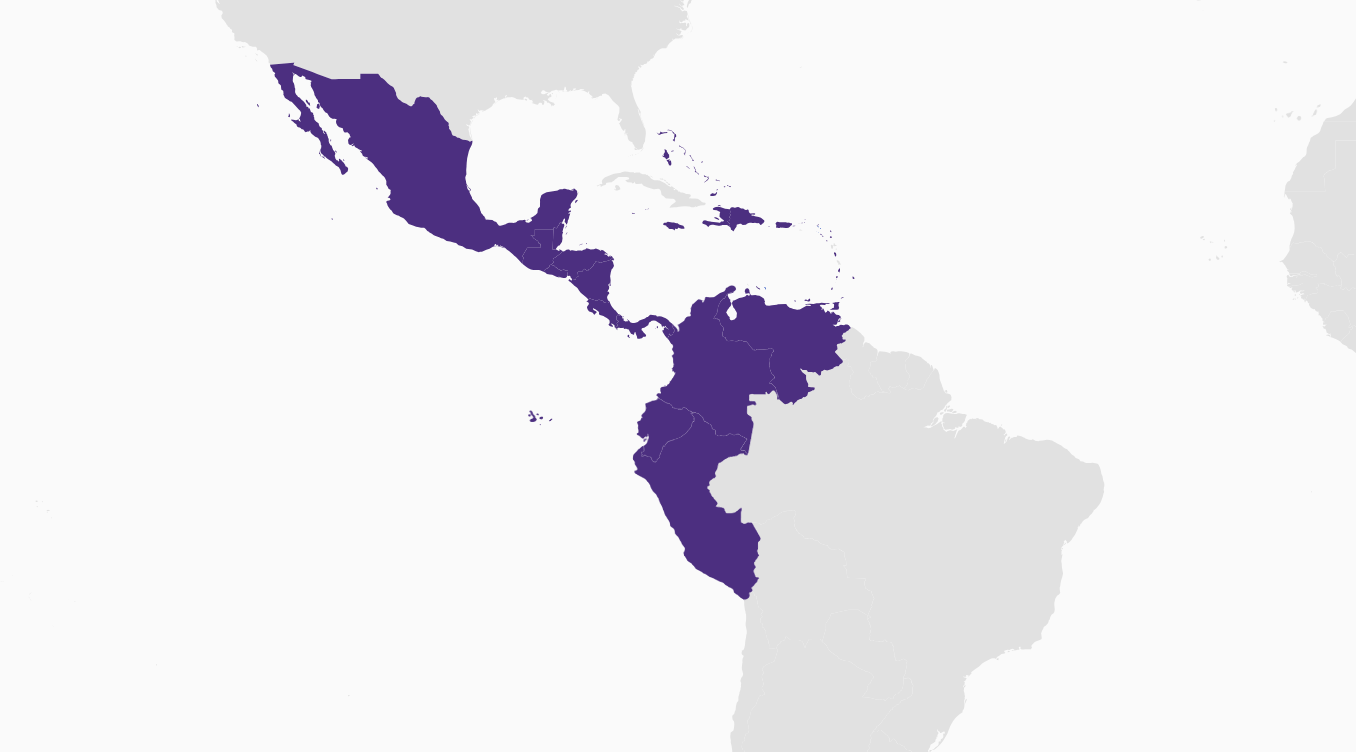
Cable & Wireless Communications, now Liberty Caribbean, posed the quietest problem and perhaps the hardest one to fake. The telecom group wanted a common internal language across 24 countries. Grove ran focus groups across business and consumer markets, revised the strategy with stakeholder feedback, and built the collateral - logos, videos, decks, email templates and content calendars. Nearly 300 senior leaders gathered for the launch.
The three cases look unrelated - zoning, synthetic media, employee culture - until you notice the shared unit of work. Each client needed a collection of people to understand something, believe enough of it and act in some coordinated way. Grove sells the machinery of that coordination. Its market sits between public-affairs agencies, crisis firms, lobbyists, brand consultancies and large management advisers. The firm’s advantage is fewer handoffs. Its constraint is the same thing: a small embedded team is best suited to problems with a clear decision, identifiable stakeholders and leaders willing to alter the plan.
Conditions for a useful campaign
The method travels well when there is a decision to win, an audience with agency, and room to change either the proposal or the coalition. It is a poor fit when leadership wants publicity without tradeoffs, when the underlying product cannot bear scrutiny, or when success depends on a structural fix that messaging cannot supply.
That last condition is the most worth copying. The campaign is not a costume placed over a predetermined answer. In Evanston, the number moved from 10 to six. In the Caribbean, feedback moved through repeated iterations. At Digimarc, the product story and the external strategy developed together. The memorable part of Grove Partners is its campaign language. The useful part is its willingness to let reality edit the campaign.