boston-tech
(46)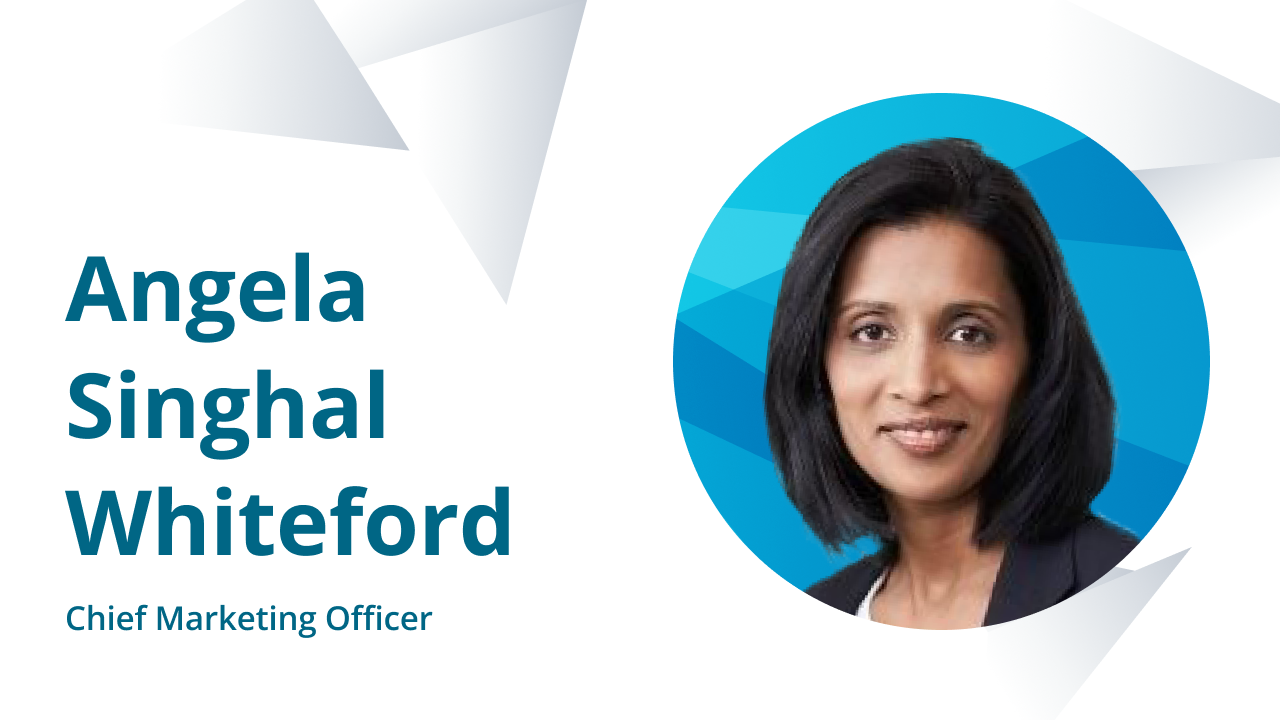
Angela Whiteford Makes Complex Technology Sound Like a Business Decision
The electrical engineer turned repeat CMO has spent more than two decades translating difficult technology into a reason to act. At bolt, her latest assignment is to make insurance distribution simpler, faster, and easier to explain.

Peter Lavache Would Rather Fund the Product
Avaya's chief marketing officer learned early that the best product does not automatically win. Three decades later, he still insists that marketing begins with product, customers and the unglamorous discipline of execution.

Lital Asher-Dotan Has Spent a Career Turning Complex Systems Into Stories People Can Act On
Before she marketed autonomous security operations, Lital Asher-Dotan learned to command an intelligence shift, study living systems and open a consumer giant's doors to outside invention. Her career is a study in translation - from complexity to consequence, and from technical capability to a story a market can use.

Kevin Leahy Learned to Sell the Future by Writing the Present
A former reporter turned fundraising-tech marketer, Leahy treats every product claim like a story that still has to earn its ending. At Givzey and Version2, that means translating autonomous AI into the stubborn, human problems nonprofit teams face every day.

Josh Epstein Turns Engineering Complexity Into a Story People Can Use
A math-trained marketer who protects his mornings for whiteboards, Epstein has spent nearly three decades making dense enterprise technology legible. At Aras, his subject is the digital thread - and the next test is whether AI can be trusted with it.

Matt Aucella Sells the Part of an SAP Transformation Nobody Wants to Think About
After years selling technology from the classroom to the corporate core, smartShift’s sales chief has learned where big transformations get stuck: in the old code everyone depends on and nobody wants to touch.

Rob Gonzalez Spent 14 Years Making the Digital Shelf Legible
A PalmPilot prototype disappeared in a restaurant fire. The larger idea survived: make commerce systems speak clearly to one another, then keep building until an industry learns the language.

Meg O'Leary Has Spent a Career Finding the One Thing That Matters
From a yellow-pages launch on a Times Square screen to Tenable's campaign against cyber noise, O'Leary has built her working life around a deceptively difficult question: what is the one thing people should remember?

Dan Slagen Wants Marketers to Build, Not Just Brief
After learning to sell bathroom products, wedding speeches and weather intelligence, Zapier's Chief Marketing & AI Transformation Officer is giving his team a harder assignment: rebuild the work itself.

Kelly Cheng Is Building for the 95 Percent Who Aren’t Buying Yet
The Goldcast CMO made her name by treating marketing as a long game: earn trust before buyers raise their hands, turn events into durable stories, and let honest experiments beat tidy attribution theater.

Biju Muduli Spent Two Decades Learning What Makes Enterprise Buyers Move
Her route from electrical engineering to the C-suite runs through CRM systems, global demand engines, cybersecurity and now agentic contract software. The connecting idea is simple: make complicated technology legible, measurable and useful.

Keith Alsheimer Has Spent a Career Making Complexity Behave
Before he sold software for unruly data systems, Keith Alsheimer trained soldiers, patented a visual method for teaching cleaners, and built a procurement company from scratch. The connecting idea is surprisingly consistent: make complicated work clear enough that people can act.

Sarah McAuley Almost Passed on Manufacturing. Then She Saw What the Machines Were Making.
A Supreme Court campaign, three children, countless youth practices, and one supposedly dull software category. Sarah McAuley built a career by noticing how the small pieces fit together - especially after a factory floor changed the way she looked at the world.
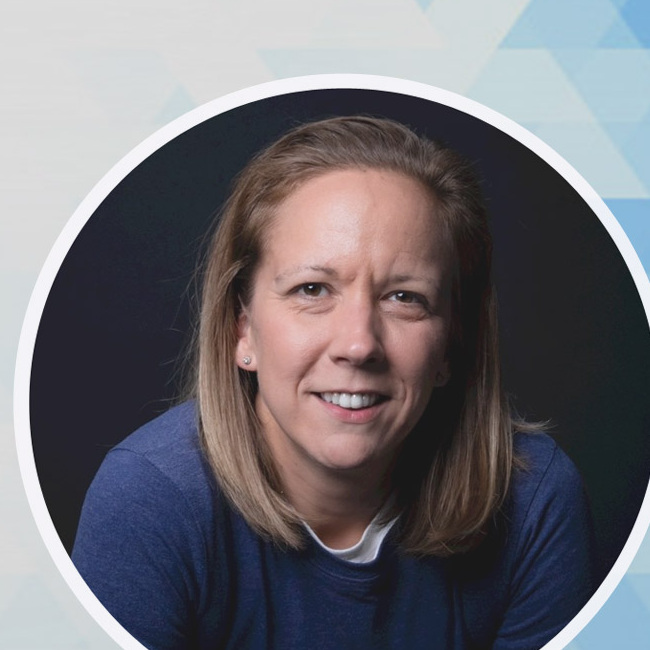
Kate Adams Knows the Most Expensive Button in Marketing Is ‘Send’
GitKraken’s CMO began by queuing email blasts and checking HTML. Two decades later, she still judges marketing by the same unforgiving question: did it help a real person move?

Lawrence Schwartz Learned to Build for Space. Now He Has to Sell the Quantum Future.
Before he marketed cloud software, industrial AI and quantum computers, Schwartz trained as an aerospace engineer and worked on satellites. His career is a long experiment in making difficult technology legible - without sanding off what makes it difficult.

Alison Durant Learned Strategy on the Water - Then Took It Into the C-Suite
A sailing instructor's unexpected internship became a career in technology marketing. Three decades later, Durant still treats leadership like navigation: read the conditions, trust the crew, and keep the plan flexible.

Anna Fisher Is Teaching AI to Remember What Marketing Is For
After helping ZoomInfo reach the public markets and taking Spiff into Salesforce, Kustomer's CMO is building a leaner kind of growth machine - one that remembers the customer before it reaches for the robot.

Bernd Leger’s Long Game: Make the Story Hold
Across cybersecurity, workforce software and sales enablement, Bernd Leger has kept returning to the same hard assignment: make a company’s promise survive contact with its customers.
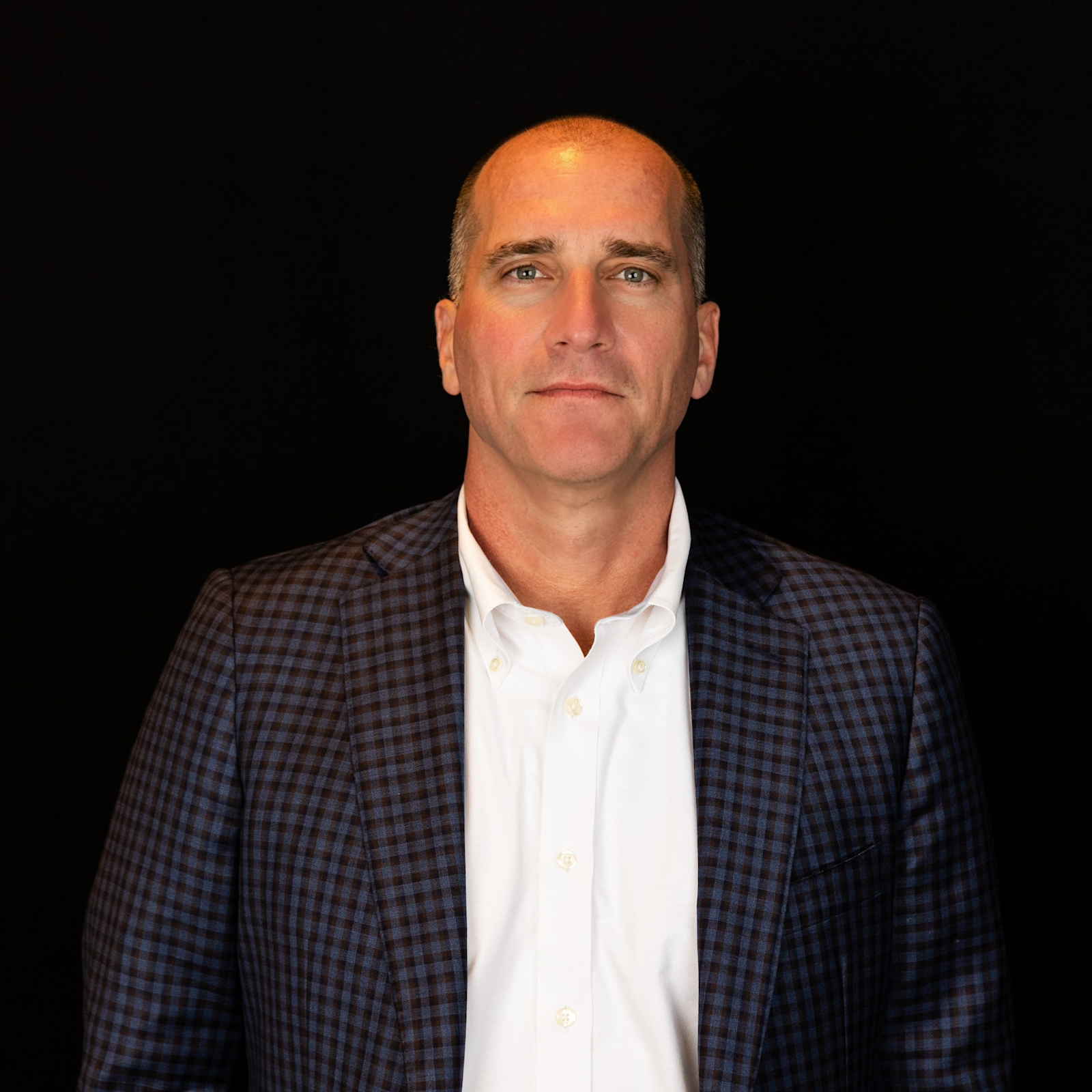
Eric Williamson Is Teaching Enterprise AI to Start Small
After two decades selling everything from pizza to enterprise software, CallMiner's CMO has a plain answer for the AI gold rush: listen closely, choose the useful work and collect the little wins.

Will Davis Is Making the Boring Part of AI Impossible to Ignore
After years selling data preparation and automation, CData’s CMO has arrived at a useful conviction: AI’s future depends on the plumbing everyone would rather ignore.

Donna Parent Turned a Reporter’s Instinct Into a B2B Research Engine
The Dynamo Software CMO built her career on a reporter’s oldest habit: ask a useful question, chase a defensible answer, and turn what you learn into a story people can use.

Kari Hanson Is Making the Messy Office Legible
Robin's CMO has spent her career turning complicated software into a problem buyers can recognize. Her latest puzzle is the hybrid office - part schedule, part system, and still full of human whims.

Nicholas Stamos Has Spent a Career Teaching Sensitive Files Some Manners
From clinical-trial software to Digital Guardian to eSHARE, the Tufts-trained engineer keeps returning to one stubborn question: how can important information move without slipping out of its owner’s control?

Art Papas Built the Wrong Thing. Then He Listened.
Bullhorn began as a marketplace nobody needed. Twenty-six years later, Art Papas is still running the company because he learned the founder's most useful trick: let the customer rewrite the plan.

Raj Jalan Turned IT’s Spreadsheet Problem Into a $230 Million Exit
He spent most of his consulting projects discovering what clients actually owned. Then a hurricane, a failed cutover, and one stubborn idea turned invisible infrastructure into a very visible company.

Charles Miglietti Bet That Business Data Needed a Better Story
An early startup taught him to find the customer before polishing the product. A decade later, the Toucan CEO is still turning complicated technology into something people can actually use.

Mike Pappas Is Teaching AI to Hear the Argument Between the Words
The Modulate co-founder started with physics, voice changing and a gloriously awkward whiteboard encounter. Now his company listens for the meaning that vanishes when conversation becomes a transcript.

Gadi Shenhar Wants AI to Take the Clicks, Not the Judgment
The Droxi co-founder turned an engineer’s eye toward healthcare’s stubborn pile of inbox work. His bet is simple: software should absorb the clicks so clinicians can keep the decisions.

Lior Yaari Is Building Security for the Software Nobody Approved
Employees can adopt a new app before IT finishes its first coffee. Grip Security's co-founder wants to preserve that speed while giving security teams a map, a set of controls, and fewer nasty surprises.

Catherine Kniker
Catherine Kniker began by decoding crashed computers. Now the Irish-born PTC executive is working on a larger systems problem: helping manufacturers connect product data, business strategy and sustainability before the first part reaches the factory floor.