boise
(17)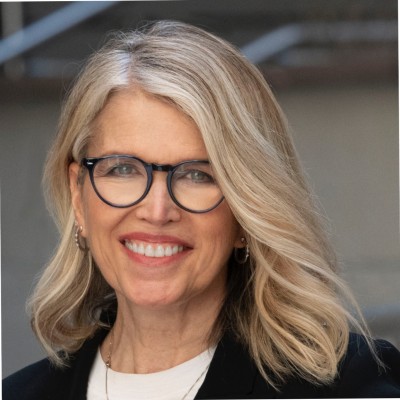
Lisa Grow’s education didn’t end in 1987
She joined Idaho Power as its second female engineer. Thirty-three years later, Lisa Grow became CEO - and found that knowing the company meant knowing how much there was still to learn.
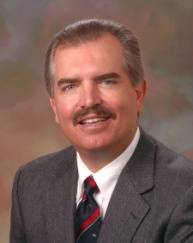
J. LaMont Keen and the art of leaving the lights on
He joined Idaho Power as an accountant in 1974. Nearly forty years later, J. LaMont Keen had another calculation to make: how to leave a company ready for someone else.
Idaho Power is buying time
A river built Idaho Power. Now batteries, a 290-mile transmission line and the timing of everyday demand are shaping what comes next.
Albertsons Companies: The neighborhood store is a national machine
Safeway, Vons, Jewel-Osco. Different signs, one grocery business. After a $24.6 billion merger fell apart, Albertsons must make the machinery behind the neighborhood store work harder.
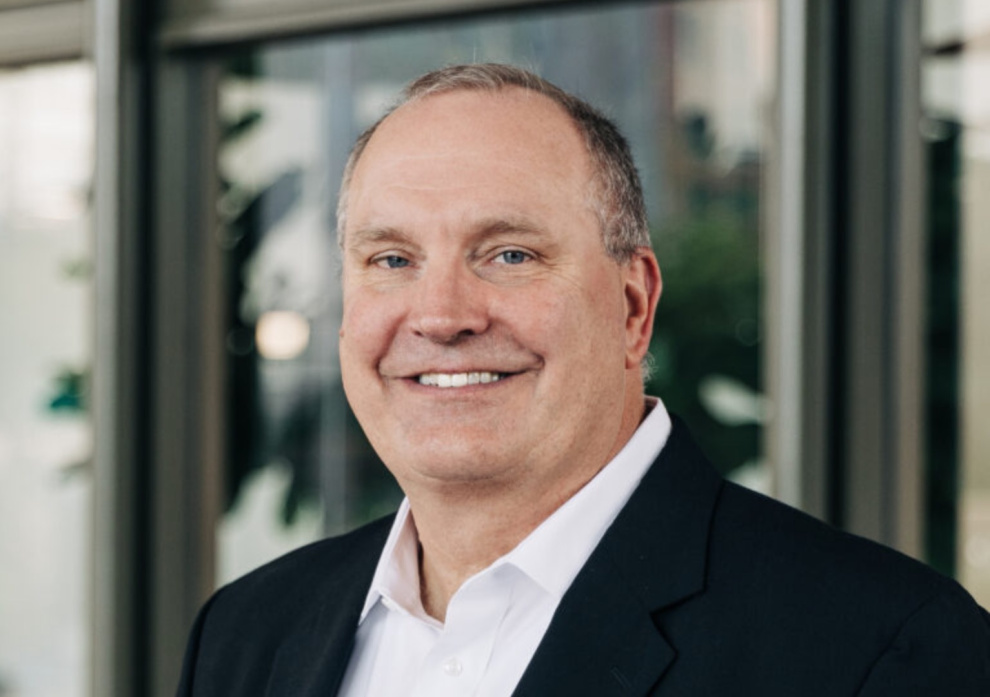
Jeff Strom and the distance between a branch and the boardroom
He joined Boise Cascade in a sales job in 2006. Twenty years later, Jeff Strom is running the company, with a career built around the unglamorous art of getting building materials to the people who need them.
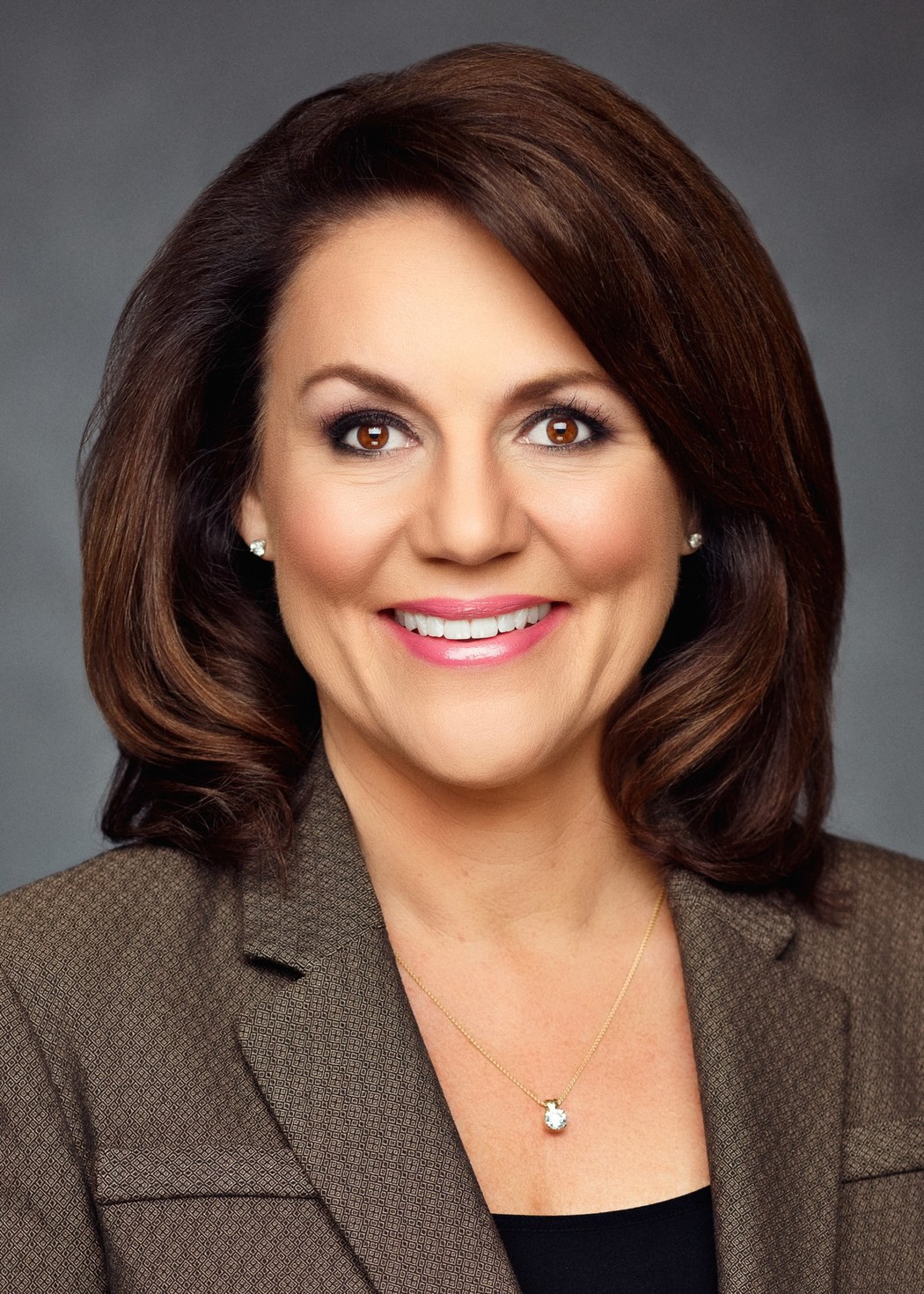
Susan Morris and the education of a grocer
A summer job in Denver became a four-decade career. Now Albertsons CEO Susan Morris has to turn everything she learned on the store floor into a reason for shoppers to come back.

Adam LaBarbera and the value of an open door
He helped build EETech around engineers sharing what they know. Back in Boise, Adam LaBarbera is helping student founders find their footing - and giving racing fans somewhere to put their foot down.
ClickBank made the sale. Who gets the money?
A product, an audience, and a very particular split of the proceeds. Inside the Boise company that turns other people’s selling skills into an e-commerce business.
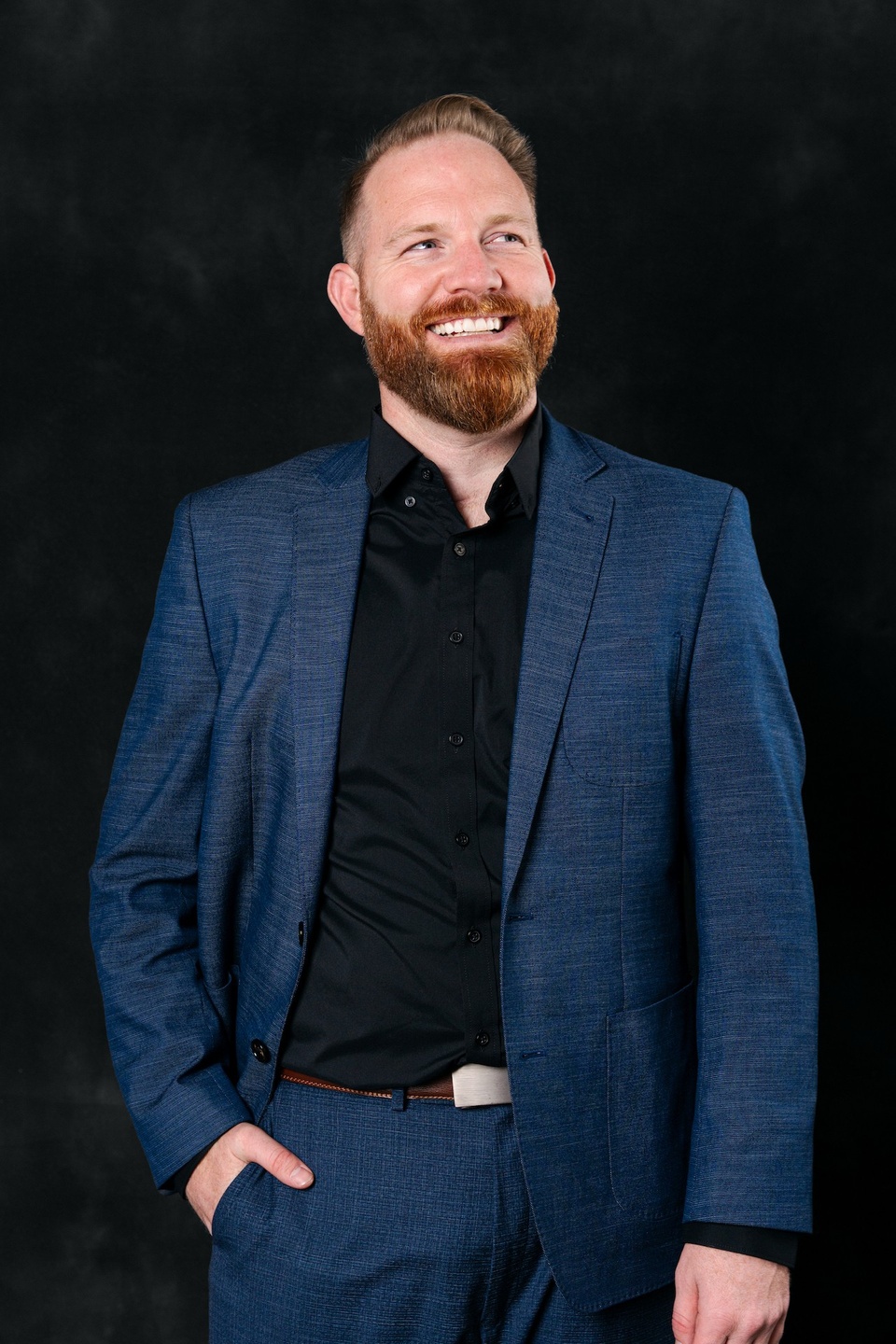
AJ Osborne and the Building That Changed Jobs
A former newspaper building in Boise tells the story of AJ Osborne’s approach to self-storage: buy carefully, learn the machinery, and give the business a life beyond its owner’s working day.
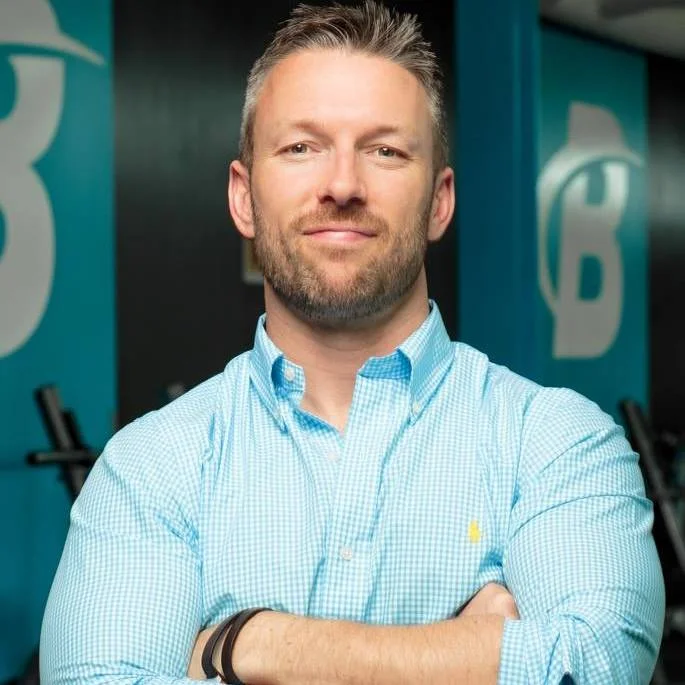
Ryan DeLuca and the $20,000 address
Before Bodybuilding.com became a business approaching $500 million in annual revenue, it was a costly domain and a garage operation in Idaho. Ryan DeLuca built a place for people to gather, tried retirement, and came back with a virtual world.

Jeff Russell and the art of making yourself less necessary
Jeff Russell built an accounting business around letting other people do their best work. From a Yale classroom to Jitasa and KeepingCount, his career keeps returning to the same question: what should you hand over?
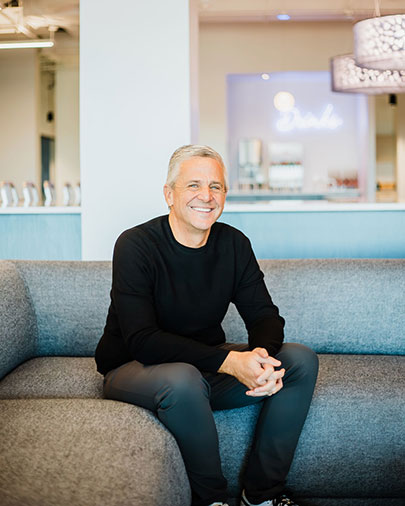
Travis Hawkes and the case for betting close to home
A childhood behind a sports-store counter led Travis Hawkes into business ownership and venture investing. From Meridian, he is working to give Idaho founders more people to call - and more reasons to stay.
The Radio Host Who Learned That Storytelling Was the Easy Part
Tuuti Agency grew by selling stories. Then founder Shawnda Huffman discovered the harder product was a team that could deliver them - without losing the human touch that made the agency worth hiring.
The Idaho PR Firm That Starts Before the Story
Red Sky built a Boise agency around a useful suspicion: the story a client wants to tell is not always the story its audience needs to hear. So it researches first, then decides whether the answer is a pitch, a training room, a public meeting - or a blue umbrella opened in the Seattle rain.

The Agency That Grew by Staying Deliberately Small
Stoltz Marketing Group doubled its team and lifted revenue 150 percent after an unplanned succession. The useful part is not the growth. It is the operating system underneath it.

The Startup Turning Charity Into a Feed You Actually Want to Scroll
Jason Hausske wants giving to feel less like a year-end tax chore and more like a habit you post about. His bet: philanthropy grows when it stops being private.

Nathan Barry
Nathan Barry is the founder and CEO of Kit (formerly ConvertKit), a $45M+ ARR bootstrapped email marketing and creator platform serving 60,000+ creators. A former self-taught designer who dropped out of Boise State, Barry built ConvertKit from $0 to a $200M valuation without a dollar of venture capital, turned down a $200M acquisition from Spotify, wrote viral frameworks like 'The Ladders of Wealth Creation,' and is now building Kit as the operating system for the creator economy while also flying a Cirrus SR22T, farming, and investing in a historic ghost town.