b2b-commerce
(20)
Helix Solutions wants your store to stop arguing with your stockroom
The company behind Ecomitize is connecting storefronts, stock counts and ad campaigns. Its most revealing work starts where a second sales channel becomes a second job.

Quqo wants the corner shop to keep its middlemen
Vietnam’s small retailers already have suppliers. Quqo’s bet is that better software can make those relationships work harder - from the sales visit to the next stock order.
RAKSUL Found a Business in Japan’s Idle Printing Presses
A print-order website became a ¥61.95 billion business by putting other companies’ machines to work. Now RAKSUL is betting that the same customers will buy much more than ink on paper.
Blibli Is Building an Online Mall You Can Walk Into
Phones, groceries, holidays, a new sofa. Blibli is stitching together the places Indonesians spend their money - and betting that the next online purchase may begin in a physical store.

Avensia fixes the parts of shopping you never see
Behind the storefront, the Swedish commerce specialist untangles product data, connects unruly systems and tests whether better search actually sells more. Its customer results are a lesson in execution; its own accounts show the price of selling expertise.

BigCommerce Built an Escape Hatch for Brands Too Complicated for a Template
The Austin software company spent years selling freedom from server maintenance. Now it is selling freedom from platform lock-in - while teaching product catalogs to show up wherever people, marketplaces, or AI agents decide to shop.

The $70.8 Million Playbook for Outgrowing Your Own Name: How SRG Went Beyond Trophies
SRG spent 25 years becoming much bigger than the crystal awards that made its name. Its useful lesson is not the 2025 rebrand - it is the patient acquisition-and-operations machine underneath it.

Bordova Turned the Uniform Closet Into a Brand Department - Here’s the Playbook B2B Operators Can Steal
Bordova sells uniforms, gifts and promotional goods. The more interesting product is coordination: one relationship for the many small decisions that make a company look like itself.

Wireless Next Is the Quiet Miami Wholesaler Betting Retailers Need Speed More Than Another Catalog
Its catalog is familiar. Its real product is timing - getting the right devices into the hands of Latin American retailers before demand moves on.
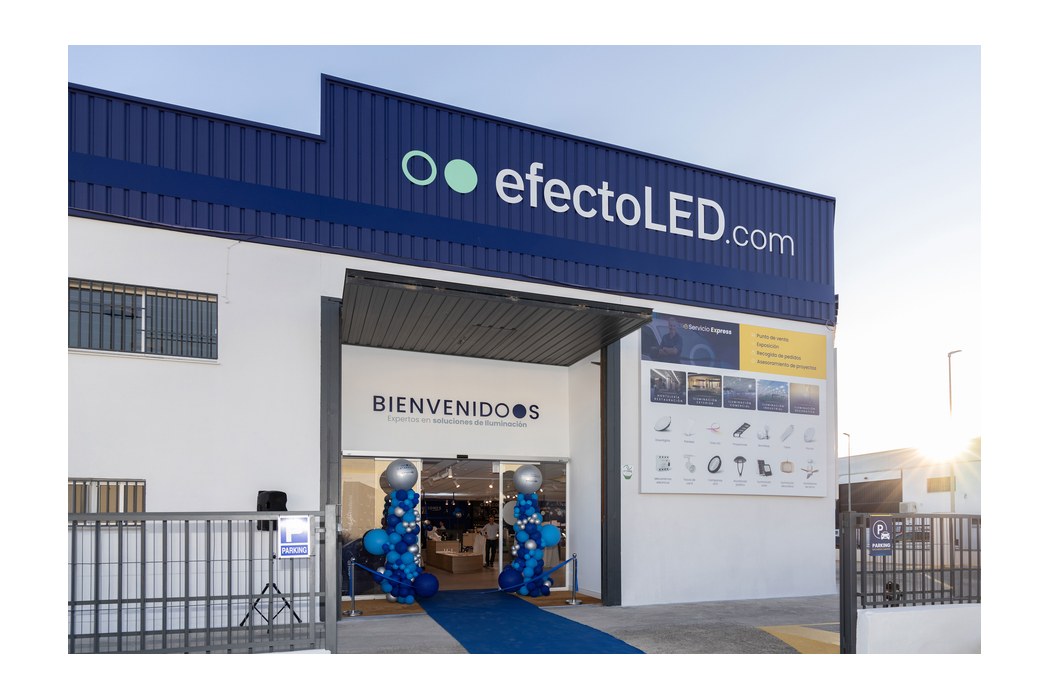
The LED Store That Conquered 13 Countries Online - Then Opened One Real Door
Grupo efectoLED spent a decade making 20,000 lighting products feel one click away. Its first professional shop reveals the limit of pure e-commerce - and a practical playbook for turning stock, service and software into trust.

The Boston Agency That Spent 27 Years Building Trust - Then Bought Five Companies in Two Years
For 27 years Verndale sold one thing: the platform build nobody else wanted to own. Then a Dallas buyout firm handed it a checkbook - and a Boston services shop turned into a roll-up.

The Free Ledger That Became a Wholesale Operating System
CrediBook won merchants with a free digital ledger. Then it followed the entries upstream - into stock, wholesale orders, delivery and the seven-day credit that keeps a neighborhood shop moving.

The Tool Seller That Put Brazil's Workshop Aisle Online
Loja do Mecânico found a business in the gap between the tool a professional needs and the place that actually stocks it. Now the Brazilian retailer is turning a pioneering e-commerce operation into a network of stores, local hubs and services built around the people who make and repair things.

The Wine Importer That Turned Taste Into Infrastructure
For 40 years, Zahil has built a business around one difficult promise: move wine across borders without stripping away the story, service or knowledge that made the bottle worth importing.
The Quiet Software Running the Warehouse Behind the Buy Button
EasyEcom wants to make the machinery after an online sale as legible as the storefront before it. Its pitch is a single operating layer for stock, orders, warehouses and the money marketplaces actually pay out.
The Shop Behind the Shops: PriyoShop Is Rewiring Bangladesh’s Corner Stores
Bangladesh’s neighborhood stores move most of the country’s commerce, yet many still restock through slow, cash-heavy supply chains. PriyoShop is building the ordering, delivery, data and credit rails beneath their shelves.
Borong
The Procurement Platform Built for Enterprises and Suppliers Across Malaysia

Graas
Graas is a Singapore-based, AI-native commerce company that replaces fragmented dashboards and manual workflows with autonomous software agents. Its Agent Foundry lets direct-to-consumer and marketplace brands build custom AI agents that unify data across channels, SKUs and campaigns, then reason and act on it - from SKU recognition and order processing to demand forecasting and ad-spend attribution. Founded in 2022 by Prem Bhatia and Ashwin Puri, Graas supports 2,000+ brands and processes more than $1B in GMV across India and Southeast Asia.

Agilis
Agilis (Agilis Chemicals Inc., dba Agilis Commerce) is a Newark, New Jersey SaaS company that helps chemical, plastics and ingredients producers and distributors digitize their commercial product data and launch branded digital commerce portals in weeks rather than years. Founded in 2016 by former BASF and Shell executive Jay Bhatia, its platform - spanning product information management, digital catalogs, customer self-service hubs and the Alchemist AI suite - gives suppliers an AI-ready data foundation and a modern buyer experience. Customers include BASF, Evonik, Westlake and Wanhua, and in 2025 Agilis partnered with supply-chain network Elemica to build the chemical industry's first end-to-end digital commerce and execution platform.

Crstl
Crstl is a San Francisco-based, AI-native EDI and agentic B2B commerce network that connects brands, retailers, and logistics providers from order to payment. Its platform replaces the legacy, error-prone world of electronic data interchange with no-code integrations and an always-on AI agent named Edison that processes purchase orders, generates ASNs and invoices, and keeps merchants compliant with big-box retailers like Walmart, Target, and Whole Foods - so direct-to-consumer brands can scale into wholesale, marketplaces, and omnichannel retail without an EDI team.