The Builder Who Came Back
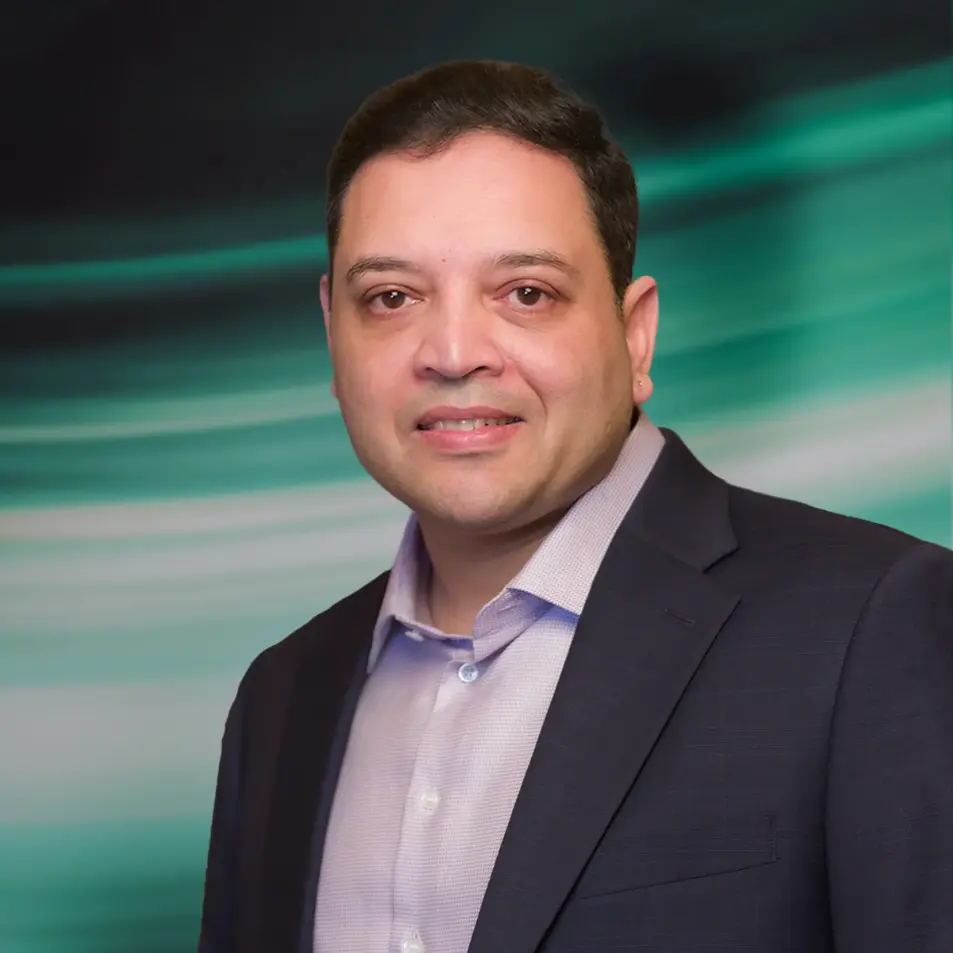
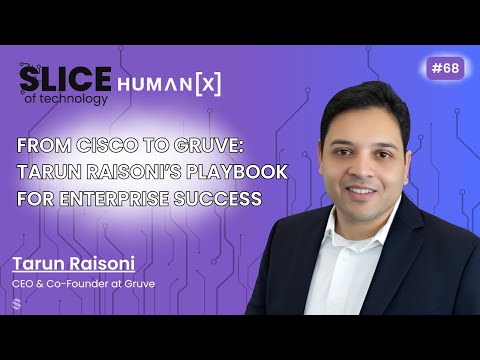
Tarun Raisoni arrived in the United States in 1999 carrying a chemical engineering degree, no network, and impeccable timing - the dot-com boom was cresting. He pivoted to electrical engineering at USC, spent a decade learning enterprise sales at Cisco, and then in 2012, did something most Silicon Valley founders would never attempt: built a global company without asking anyone for money.
Rahi Systems started as a data center solutions firm. It ended - a decade later - as a $500 million-per-year business operating across 25 countries with 900+ employees, acquired by Wesco International in 2022. No VC. No Series A. No pitch decks to Sand Hill Road. The company grew on the strength of margins, customer trust, and a hiring philosophy unusual for Silicon Valley: "When you join Rahi, you don't have to earn trust. You get trust day one."
After the acquisition, Raisoni served as SVP of Data Center Solutions at Wesco. A comfortable perch. He left it anyway.
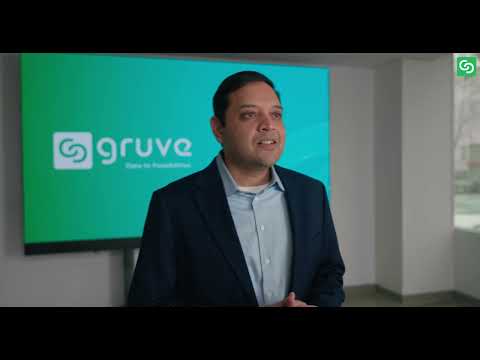
In February 2024, he co-founded Gruve with Sushil Goyal, Rajeev Khanolkar, and Swati Deshpande. The pitch was direct: enterprises wanted AI but couldn't get it into production. They hired consultants who delivered strategy decks instead of working software. Gruve would be different - embedded teams, outcome-based pricing, and a library of 35+ domain-specific AI agents designed for real enterprise workflows. "We don't get paid unless we deliver impact," Raisoni said, "and that alignment changes everything."
The market agreed faster than anyone expected. Within months of launching publicly in July 2024, Gruve had already made its first acquisition (SecurView), followed by NetServ in September and Lumos Cloud in October. By April 2025, Mayfield Fund and Cisco Investments co-led a $20M Series A. By February 2026, Xora Innovation - backed by Singapore's Temasek - led a $50M follow-on, bringing total funding to $87.5M. The company hit 500 employees in under two years.
The model Gruve is testing is genuinely different from the legacy IT consulting playbook. Traditional consulting firms bill by the hour; outcomes are someone else's problem. Gruve's bet is that AI agents can replace much of the human labor in a consulting engagement - and that the resulting margin profile (targeting 70-80% gross margins) lets the company only get paid when results arrive. "Just like AWS provided flexibility to customers who needed to grow through cloud services," Raisoni said, "Gruve believes our flexible outcome-based approach will help enterprises grow their AI capabilities."
In February 2026, Gruve announced it had unlocked 500+ megawatts of distributed AI inference capacity across the United States - 30 MW live across four sites, with expansion planned in Japan and Western Europe. That's not a startup number. That's infrastructure company territory.
Raisoni's consistency across two very different companies is striking. Rahi Systems was a patient, bootstrapped, operationally careful business. Gruve is moving at venture speed. But the underlying posture - trust-first culture, complaint-as-compliment listening, obsession with outcomes - has stayed the same. "I will spend countless hours on complaints," he told an interviewer. "A complaint is a compliment. It means they really care."
He has studied AI, sustainability, and enterprise systems at Stanford since founding Gruve, showing the same chemical-engineer-turned-electrical-engineer instinct: when the terrain shifts, learn the new terrain. The company he's building now doesn't just advise enterprises on AI. It builds the agents, runs the deployments, and stands behind the outcomes. In a market full of AI consultants who charge for the journey, Gruve is charging for the destination.