work-management
(37)
Adaptavist sells the work that comes after the software
Buying Jira is the easy part. Adaptavist has built a business around the migrations, integrations and human habits that determine whether enterprise software earns its keep.
Monday.com Wants to Run the Work, Not Just Color It In
The rainbow boards grew up. monday.com now wants to be the place where humans, workflows, and AI agents share the office - but its sharpest trick is still making messy work visible.

ClickUp Ate the Office. Now It Wants the Busywork.
ClickUp can replace half a dozen work apps, provided your team has the patience to tame it. Here is who should move in, what it really costs, and where the all-in-one promise starts to creak.
Asana Wants to Put Your AI Coworkers on the Same To-Do List
The company that tried to kill the status meeting now has a harder assignment: make humans and AI agents share context, handoffs, and blame without creating another layer of busywork.

Mahesh Singh Has Spent a Career Making Work Visible
The NimbleWork co-founder has moved from engineering to operations, product, consulting and marketing while keeping one durable idea in view: teams make better decisions when they can see the work.

The 55-Year-Old Tampa Software Company Teaching Project Managers to See Trouble Coming
BST Global spent five decades helping architects and engineers record what happened. Its newer bet is harder and more useful: predict the project that is about to miss its margin while there is still time to fix it.
NimbleWork Spent 24 Years Turning the Messy Middle of Project Management Into a Product
The company formerly known as Digite is betting that the next project-management winner will not force every team into one doctrine. Its pitch is more practical: make the work visible, connect strategy to delivery, and let AI handle the blank-page chores.

The Project Tool You Already Bought Is Winning
Google's unbundled mix of Tasks, Sheets and Chat can be enough for teams that already live in Workspace. Microsoft and Zoho make the case for paying more only when the work becomes more complex.

The PPM Choice Is Really an Operating Model Choice
Clarity, Planview and Smartsheet can all give leaders a portfolio view. The useful difference is how each product expects work, money and governance to move through the company.

Zoho Projects Wins Before the Work Even Starts
Monday.com and Smartsheet compete to run the project. Zoho Projects makes a different bet: the buying decision may already be settled by the rest of the software stack.

The Spreadsheet Skill Monday.com Still Can’t Replace
Monday.com makes work visible. Smartsheet keeps the formulas, references and habits that spreadsheet power users are reluctant to surrender.

Before You Buy a PPM Platform, Look at the Seams
Planview, Clarity and Smartsheet all promise one view of work. Their product histories reveal three different trade-offs - and a faster way to choose.
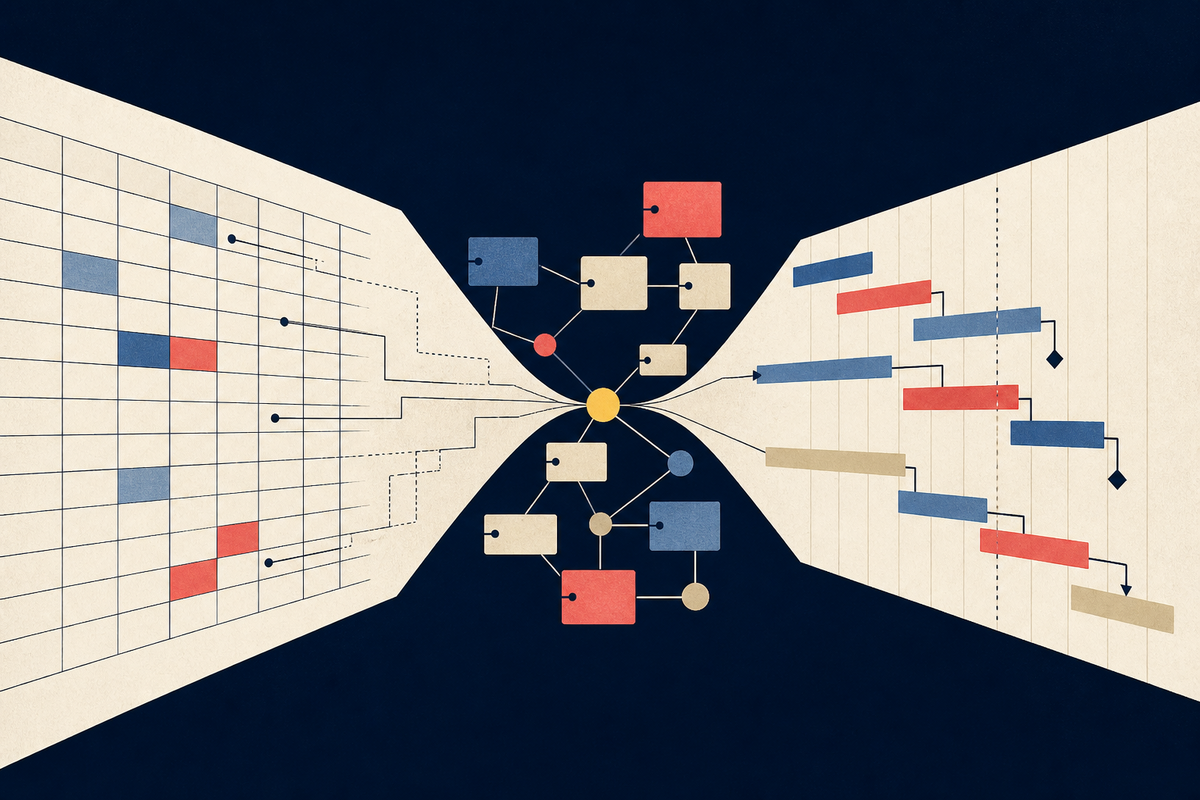
Your Project Tool Is Quietly Choosing How Your Team Thinks
Smartsheet, Airtable and Microsoft Project can all produce a convincing project plan. The real choice is whether your team thinks in rows, relationships or schedules.

The Work Software Choice With Receipts
Monday.com, Smartsheet, and Airtable can all organize complex work. Only one gives enterprise buyers a current, public view of the business behind the software.

The Jira vs Airtable Debate Is Really About Permission
Both tools can bend to fit a team. The consequential difference is who gets to do the bending - and who has to live with the result.

Your Project Software Bill Is Telling On You
Procore, Smartsheet and Microsoft Project can all track work. Their pricing models reveal three very different ideas about who should participate, what deserves control and where a project creates value.

Smartsheet Bet on Cloud While Microsoft Kept the Desktop
The choice is no longer web versus desktop. It is whether your team wants one cloud-centered operating model or Microsoft’s layered mix of Planner, Project Online and a still-supported desktop client.

Your Roadmap Tool Reveals What Your Team Is Missing
Productboard, Aha!, and Asana can all produce a roadmap. The useful question is which missing conversation your team needs the software to force.

Wrike Put a Price Tag Where Workfront Put a Sales Form
Both platforms promise to organize complex work. Only one lets a buyer price a real starting point before surrendering an email address.

Asana or monday.com? The Choice Hiding in Your Org Chart
The better marketing project manager is not the one with the longest feature list. It is the one that matches how your team turns strategy into shipped work.
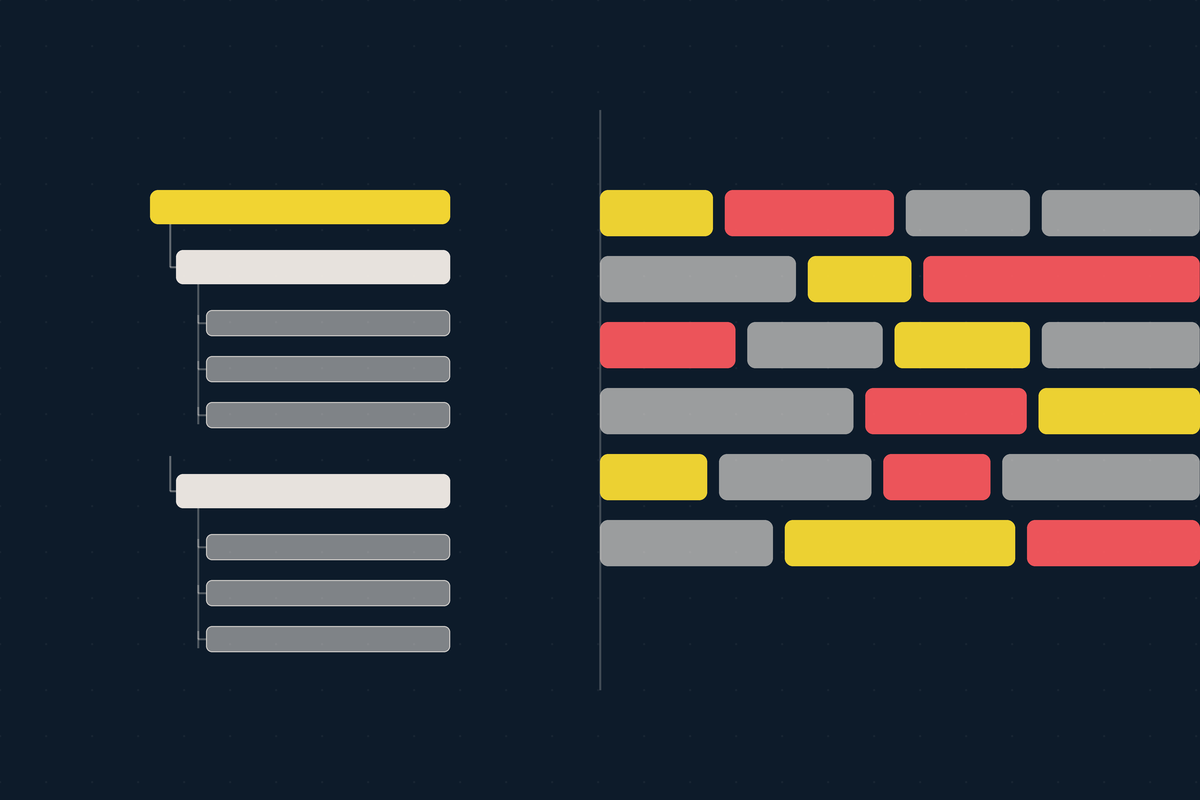
Asana Bet On The Rules Monday Doesn't Want To Build
While Monday.com sells colorful boards, Asana wagered its enterprise future on Workflow Builder - a rules engine for the approval chains that cross departments. Here is why the boring bet keeps working.

The Spreadsheet That Got a Security Clearance
Smartsheet and ClickUp sell competing visions of how work gets organized. Their sharpest divide is not a feature toggle but a gate: the federal authorizations that decide who can compete for sensitive government work.

Airtable’s Sale Just Rewrote the Monday.com Decision
The familiar choice between Airtable’s flexibility and monday.com’s structure now carries a new question: how much ownership uncertainty can your procurement team absorb? A pending acquisition makes continuity, portability and contract protections as important as features.

HubSpot Wants Your Marketing Board
HubSpot can now keep campaign plans beside the customer record. Whether it should replace monday.com depends on where your team’s real work crosses the CRM boundary.

Asana Wins Where Strategy Meets the Task List
The decisive gap between Asana and monday.com is not ease of use. It is whether goals live as first-class objects that can inherit progress from the work beneath them.
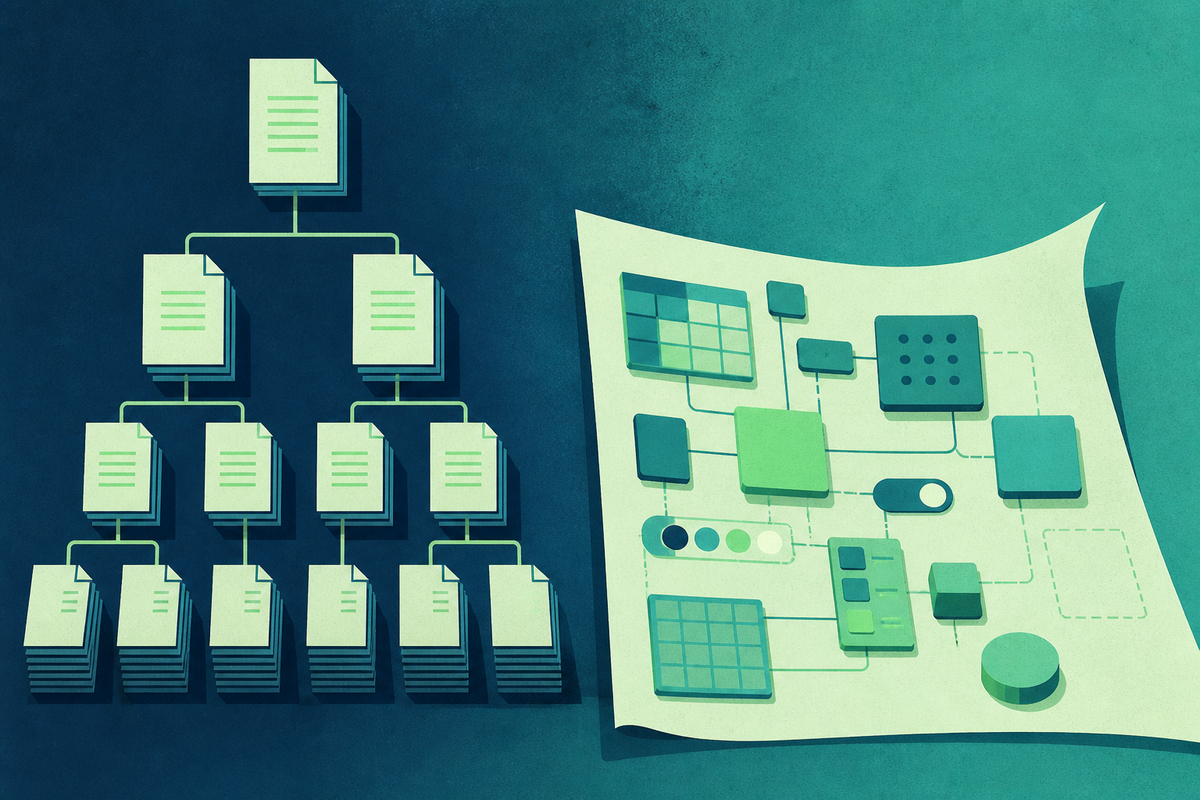
Your Wiki Has a Point of View
Confluence asks teams to map their knowledge. Coda asks them to make it do something. The better choice depends on whether your biggest problem is finding the truth or moving the work.

The Whiteboard War Is Really a Budget War
Miro sells a room for collaboration. FigJam and monday.com sell a reason not to buy another room - and that changes how teams should choose.

Workfront, Wrike or Smartsheet? Follow the Work
The best project platform is not the one with the longest feature list. It is the one shaped like the work your team already does - Adobe-centered creative production, adaptable cross-functional workflows, or spreadsheet-native portfolio control.
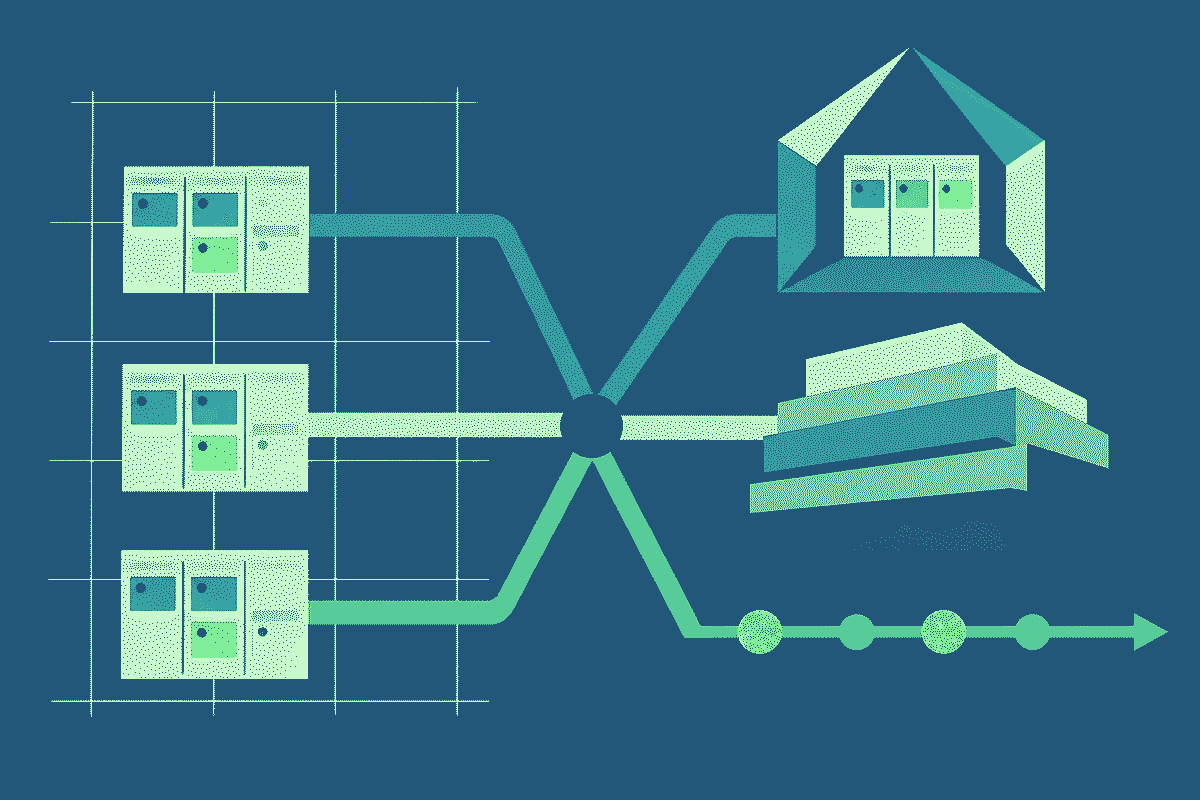
Your Project Tool Is Really an Ownership Bet
Wrike, Adobe Workfront and monday.com sell ways to organize work. Their owners reveal which kind of work - and which kind of customer - each one is built to serve.

The Best Project Manager Is the One That Closes Your Tabs
ClickUp, monday.com, and Wrike all promise one place to run work. The revealing difference is how many product boundaries a team crosses between an idea, a conversation, and an assigned task.