travel-marketing
(26)
The Agency That Asked People to Do Something
Off Madison Ave built an Arizona agency around a deceptively hard question: what do you need a person to do next? Twenty-seven years, five acquisitions and one AI travel planner later, the question still runs the place.

The Agency That Refused to Pick a Lane
KPS3 built a national agency from Reno by treating specialization as a team sport - then letting the search data, the public mood, and the occasional wine-splash machine decide what happens next.

Paradise Advertising & Marketing Sells a Place Twice
A pretty travel ad wins attention. Paradise has spent more than two decades arguing that the real product is what happens next - bookings, bed-tax receipts and a community with more reasons to thrive.
The Miami Agency That Treats Attention Like a Balance Sheet
rbb Communications built a national agency around a disarmingly practical idea: attention matters only when it changes behavior. Its case files reveal how research, media, creative work and measurement become one operating system.

The Publicists Who Learned to Think Like a Dining Room
bread & Butter began with a little over $1,000 and a dislike of assembly-line PR. Its more durable invention was a national agency built to behave like the best neighborhood restaurant: local, alert and ready to remember what matters.

The Agency That Learned to Sell the Place Nobody Thought to Look
From a city few national clients would think to search, Carrie and Curtis Zimmerman built an integrated agency around an oddly durable skill: changing what people believe about a place, then watching what they book.
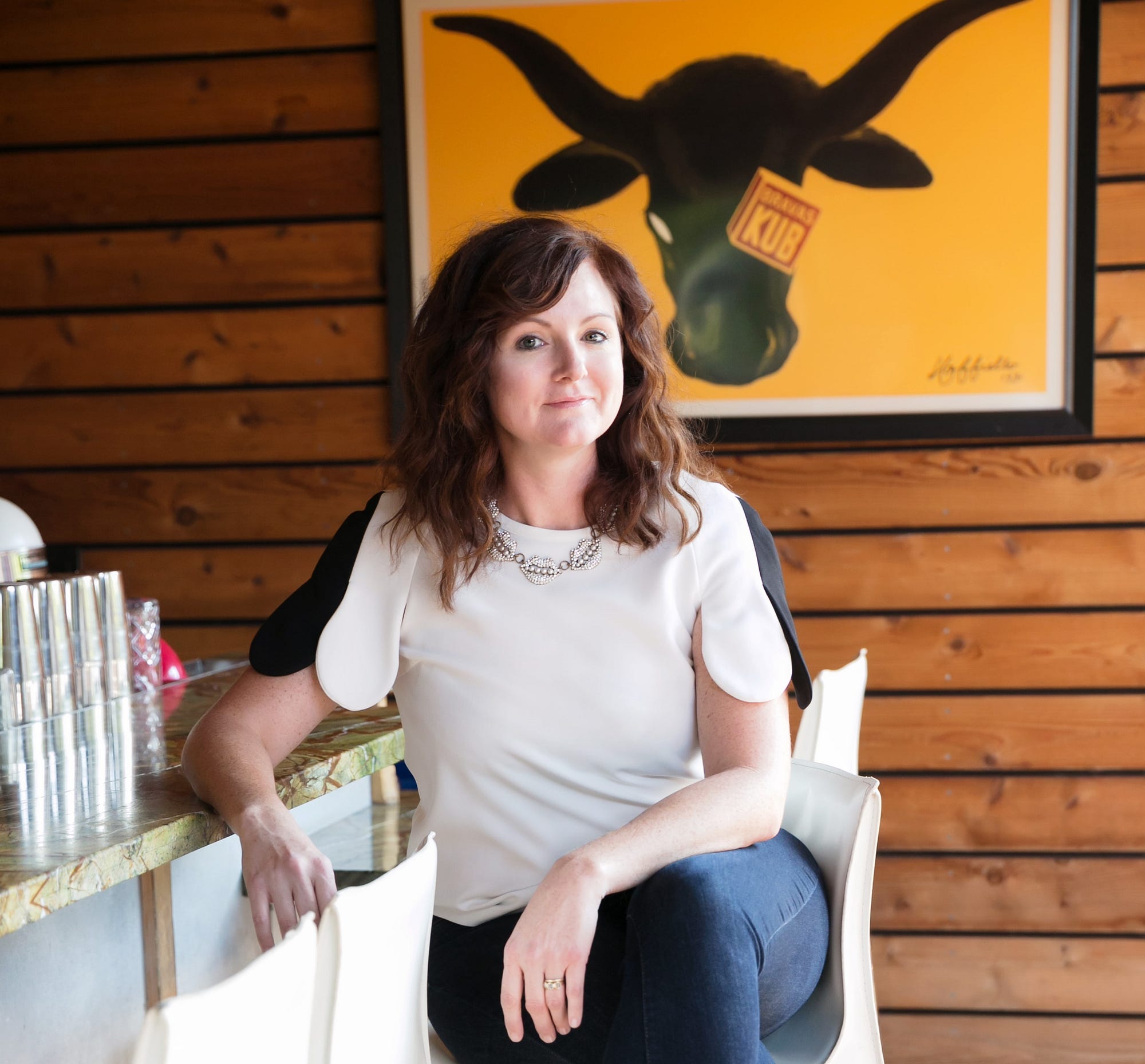
Rachel Ayotte Built a PR Firm by Staying Close to the Table
She started with restaurant floors, a living room and a little over $1,000. Nearly two decades later, Rachel Ayotte is still betting that hospitality marketing works best when it behaves like hospitality itself.

The Twenty-Year Overnight Reinvention of Percepture
Percepture spent two decades collapsing the walls between PR, search, advertising and sales. Now the old integrated-agency idea looks oddly well suited to an internet where buyers ask both Google and machines what to trust.
The Agency That Turned Florida Bureaucracy Into Three Verbs
Kidd Group began in Jerry Kidd's garage and grew into a three-part communications shop. Its most revealing work took a statewide rules change and made it sound like a useful instruction: Gather. Go. Get.
The Restaurant Publicist Who Decided Hospitality Was Everywhere
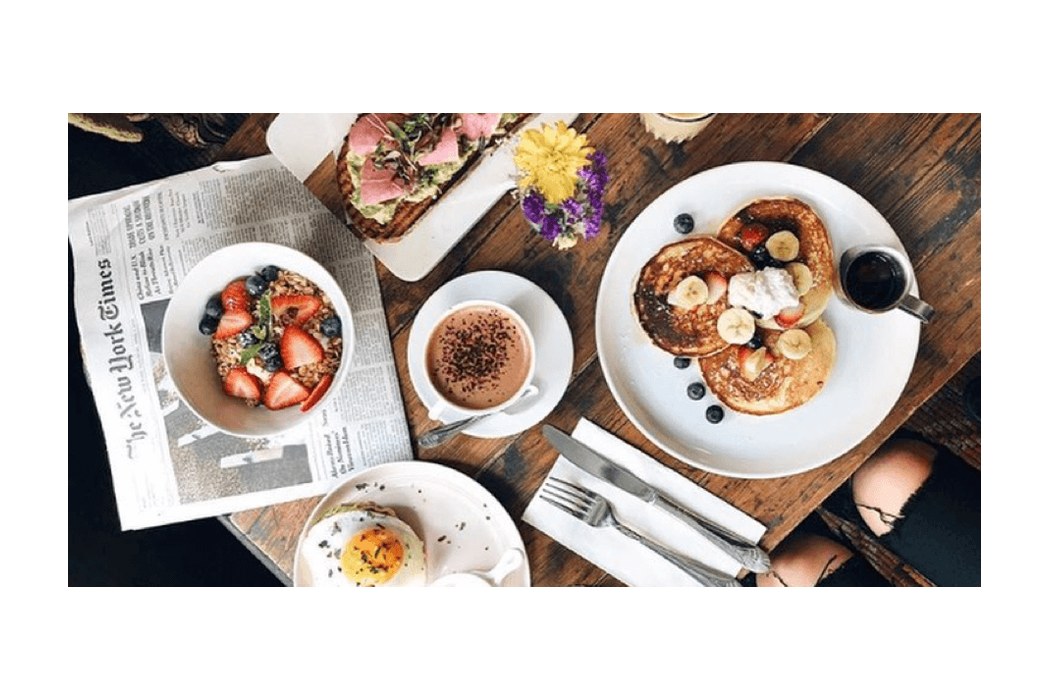
Bullfrog + Baum began with restaurants, where every detail is service and every night is opening night. That narrow apprenticeship became a surprisingly broad theory of how brands earn attention.

The Agency That Makes Travel Advertising Behave Like Travel Media
BrandsTravel found a useful place between the glossy travel ad and the booked room: a bilingual, data-minded bridge connecting destinations with the people, press, agents and creators who can move travelers across the Americas.
The Most Important Room in a Luxury Hotel Is Nine Time Zones Away
TL Portfolio found a stubborn problem hiding behind beautiful hotels: being exceptional is useless if the right travel advisor never hears your name. Its answer is a nine-office network built on curation, conversation and an unusually elaborate picnic.
Brandman opens the hotel before the hotel opens
A luxury resort gets one first impression, but Brandman has spent 25 years proving that an opening can happen twice - once for the guests, and earlier in the minds of the people who might send them there.
The Boutique That Taught a Global Agency How Luxury Travels
Luxury PR used to be a little black book and a good lunch. FINN Luxe is betting that the modern version needs the intimacy of a boutique, the reach of a network and enough cultural fluency to know when neither should show off.
Komodo Turned the Holiday Brochure Into a Live Competition
Four friends built a social agency around a useful suspicion: people do not want to watch another destination ad. So Komodo made the audience part of the itinerary.

Reputable Wants to Meet the Story Before It Becomes the Story
The Santa Barbara communications firm has built its pitch around a useful idea: by the time a headline appears, the important work may already be over.
Katalyst PR Bet on Fewer Brands - Then Made a City Impossible to Scroll Past
The Southern California agency built its business by refusing the usual agency temptation: more clients, more noise, more everything. Its Visit San Diego work shows what happened when local taste, persistent distribution and a disclosed $50,000 media budget met the modern feed.
MMGY Wagstaff knows who gets a seat at the table
A restaurant publicist grew into a hospitality specialist by understanding the people behind the plate. Inside Wagstaff’s business of turning food, drink and travel into stories that get picked up.

Kristina Canada Wants Every Media Dollar to Answer a Harder Question
The Net Conversion CMO has spent two decades turning travel, entertainment and media into measurable business outcomes. Her latest campaign is for something harder to chart: human judgment.
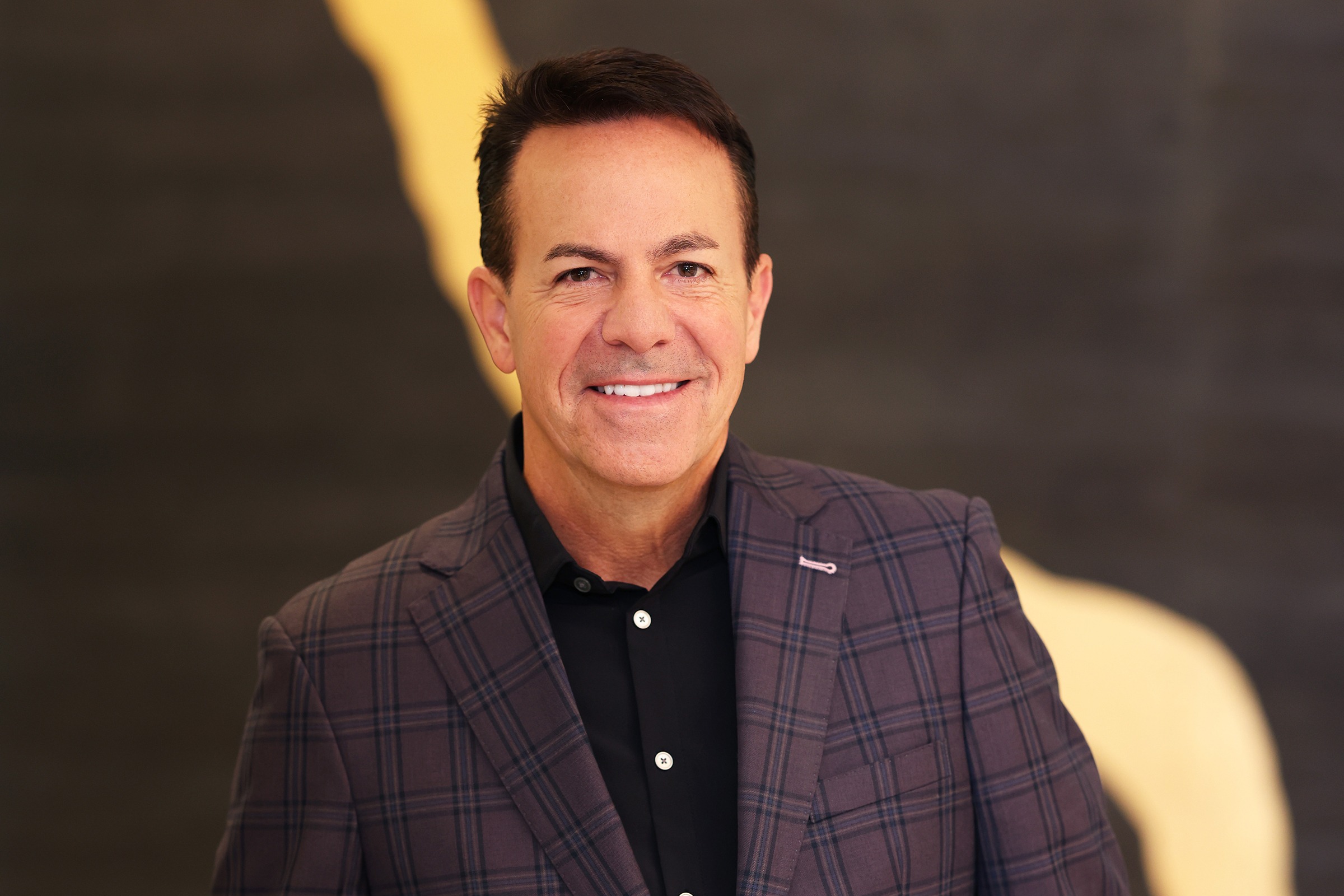
The Vacation Business Is Built on Moments. Jeff Myers Runs the Machine Behind Them.
After 35 years inside one company, Jeff Myers still treats hospitality as a people business - only now the scoreboard includes 4,400 associates, 590,000 tours and more than $2.1 billion in annual sales.
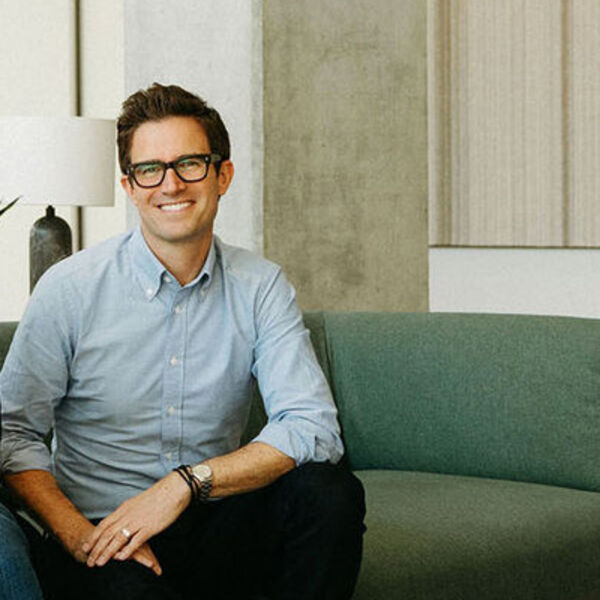
Alexander Green Is Taking a Brand Builder's Long Route Into Luxury Travel
After two decades making pizza brands and grocery aisles feel distinct, Alexander Green has arrived at Butterfield & Robinson with a quieter proposition: the best marketing may begin with the experience people remember.
Tourism Nova Scotia Missed a $4 Billion Bet - Then Built a Better Playbook for Selling a Place
A pandemic broke the province's neat growth forecast. The rebuild reveals a useful lesson for every place brand: advertising works better when the product, the operators and the calendar improve with it.
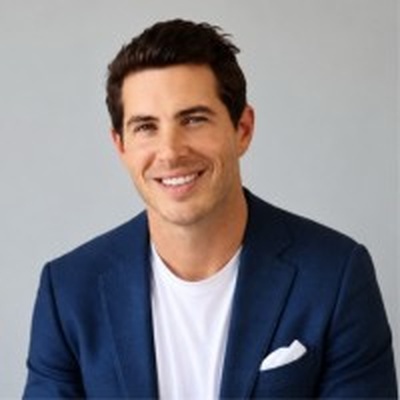
Brian Canning Is Making Hertz Feel Golden Again
After years spent turning loyalty points and vacation packages into reasons to care, Hertz's chief marketing officer has found an unexpectedly effective brand asset: the feeling people get when a golden retriever walks into a stressful airport.

Jason Krimmel Is Selling the Vacation Around the Cruise
After two decades inside Norwegian Cruise Line, Jason Krimmel’s brief has widened from selling cabins to solving the entire journey - one market, one travel adviser and one piece of guest feedback at a time.
Ink Found a Billion-Person Audience With Nothing to Scroll
For three decades, Ink has treated the passenger journey as a media channel - building the stories, screens and magazines that occupy the rare moments when travellers actually look up.
Travefy
Travefy is a Lincoln, Nebraska-based SaaS company that builds itinerary management, proposal, CRM, and marketing software for travel professionals. Founded in 2012, it pivoted from consumer group-trip planning to a B2B platform now trusted by 50,000+ travel brands worldwide, helping travel advisors, agencies, tour operators, and DMCs design branded itineraries, send proposals, manage clients, and market their businesses from a single connected platform.