There is an old agency trick in which a company introduces itself by listing everything it can do. Branding. Public relations. Media. Websites. Strategy. Soon the list resembles the aisle markers at a supermarket, and the natural response is to wonder whether anything in the store is fresh. KPS3, a Reno firm founded in 1991, makes the same broad claim with a more interesting wager: the list is useful only when the departments can alter one another's work.
This is why a KPS3 case study can begin with the cost of a B2B software lead and end with homepage language. Or begin with public anxiety about masks and move through Spanish-language research, local television, sidewalk chalk, direct mail, influencers, and a masked statue. The company sells integrated marketing, but its actual product is a roomful of people allowed to change the plan.
The agency has roughly 55 employees today and works nationally from a three-story building on Ryland Street. Its clients include software companies such as Recurly, Splashtop, and PeopleGrove; destinations including Reno Tahoe, Visit Carson City, and Discover Kalamazoo; and public or nonprofit organizations across Nevada. Brand and campaign work brings in one kind of assignment. Public relations, growth marketing, creative production, and web development keep the relationship going.

The generalist's very specific trick
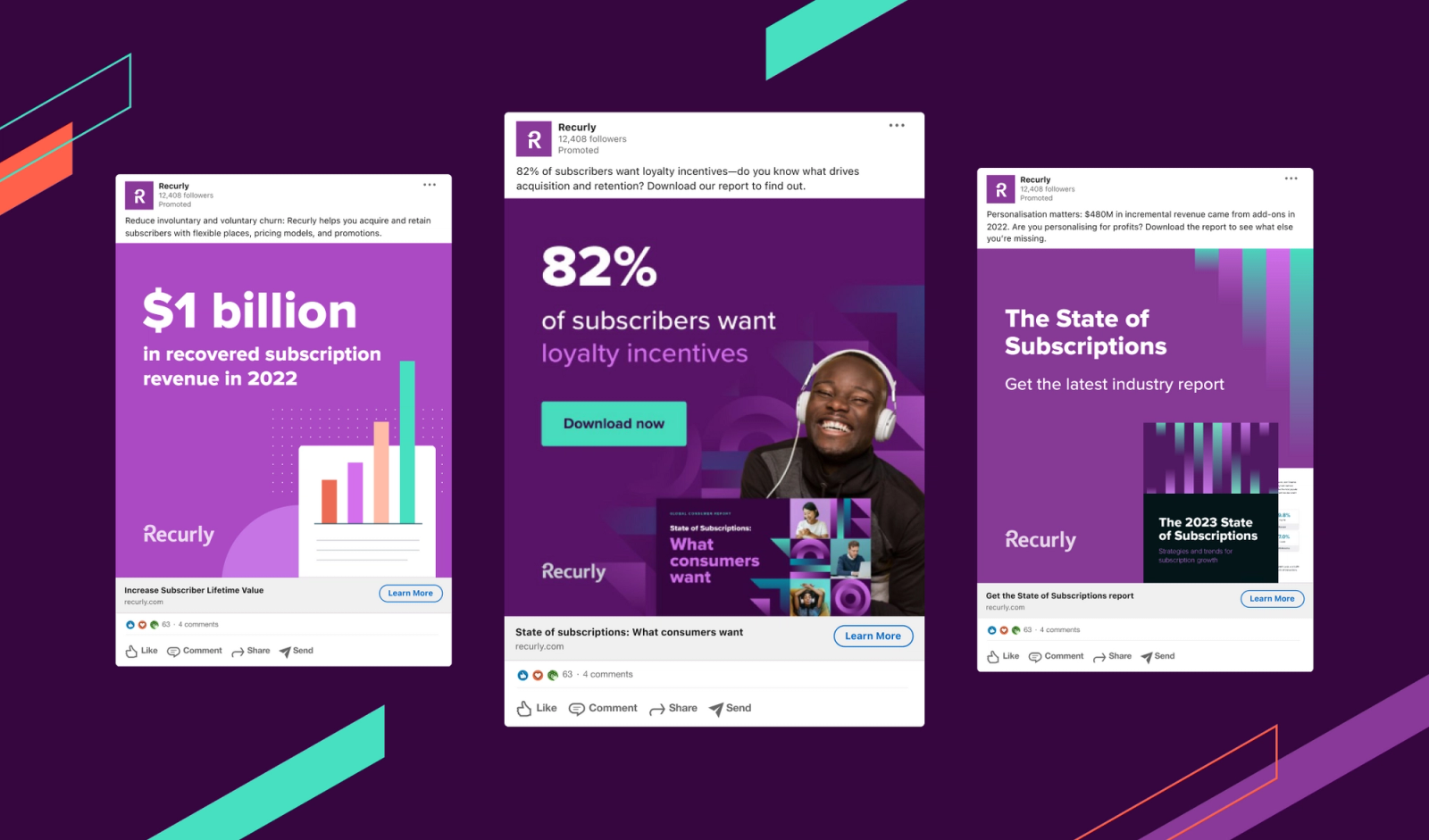
KPS3 describes itself with the line “We specialize in not specializing.” It sounds like a joke written to escape a positioning meeting. Yet the firm's strongest work is intensely specialized at the moment of execution. Consider Recurly, the subscription-management software company. Recurly wanted paid media to deliver 500 percent return on ad spend, lower cost per lead, and more qualified pipeline. Those are not requests for vibes.
KPS3 first changed the search mix. Recurly had leaned heavily on branded terms - people already looking for Recurly. The agency researched non-brand and competitor-intent keywords, then kept revising campaigns according to which terms produced pipeline. The published result was 12 times potential ROAS, nine times ROAS on stage-two-or-later opportunities, a 23 percent reduction in average cost per lead, and 35 percent more leads.
Then came the useful failure. On LinkedIn, the team divided audiences by persona, geography, industry, and company revenue. It was precise, orderly, and too fragmented to work well. They combined the geographies, kept the personas separate, tested creative and formats, and discovered that only two of four personas were productive. LinkedIn generated cheaper leads - but fewer of the sales opportunities that mattered. So the campaign moved away from pure lead acquisition toward lower-funnel retargeting.
The metric ladder / from flattering to useful
The same logic reached the website. KPS3 tested a homepage rewrite that traded brand language for direct product positioning: what the software does and why a buyer should care. Engagement rose 244.81 percent over nine days, and Recurly made the version permanent. In other words, the creative breakthrough was clarity.
The best KPS3 work does not defend its first idea. It constructs a system in which the first idea can lose.YesPress analysis
Forty-three million reminders to do your part
That habit becomes more consequential when the customer is everybody. During the pandemic, three Washoe County municipalities and a health district needed a public-education effort that could cut through confusion and mask fatigue. KPS3 and its partners interviewed government workers, community leaders, and residents, then narrowed a county-sized audience into groups with different needs: Latino residents, students and millennials, essential workers and business owners, and older people.
The English campaign became “Mask On. Move On.” The team concluded that a direct translation would not serve Spanish-speaking residents, so it created “Pon De Tu Parte,” with distinct copy, Spanish-language media outreach, resources, advertising, and a landing page. That is a small but telling distinction. Translation repeats words. Audience work asks whether the words will work.
Over eight months the campaign reported 43,047,166 impressions. More than 21.5 million came from digital media and nearly 10 million from traditional placements. It also produced 48 media stories, reached 497 businesses, made 619 outreach contacts, and delivered more than 2,500 masks. Local people appeared in videos. Chalk artists marked sidewalks in high-risk areas. Familiar landmarks wore masks. The campaign behaved less like an ad buy and more like weather: it was simply present wherever daily life happened.
Start with the behavior that must change. Research the groups who experience the problem differently. Give each channel a job, then keep one shared measure of success.
This approach needs access to customers, sales or community feedback, permission to revise, and enough time to observe outcomes. Without those, “integrated” becomes a meeting schedule.
Serious measurement, unserious objects
None of this explains the wine machine. For Santa Maria Valley, KPS3 helped create a contraption that used wine to make splash art. For an economic-development campaign aimed at California companies, it wrapped a San Diego ferry with a poster announcing a missing California bear. At Reno-Tahoe International Airport, its team spent 10 days and 36 cans of paint on an interactive mural that gave travelers wings. For Visit Carson City, it partnered with Three Sticks Productions on a 14-minute holiday-romance spoof, then built digital ads, press outreach, and a film-inspired itinerary around it.
The temptation is to call these stunts. They are. But a stunt without plumbing is merely a photograph. KPS3 keeps attaching the noisy object to a path: watch the movie, picture the town, open the itinerary, plan the trip. The oddness earns attention; the less photogenic machinery gives that attention somewhere to go.
This range also explains where KPS3 sits in the market. A client can hire a specialist for PR, another for paid media, a design studio for the identity, and a development firm for the website. That may be the right arrangement when the problem is narrow or when a client already has strong internal orchestration. KPS3 is the alternative for organizations that want one accountable partner across those boundaries - government agencies with many publics, destinations that must turn feeling into visits, and software companies whose ads, positioning, and product pages need to agree.
The succession was the strategy
Stephanie Kruse started KPS3 as a one-person firm after leading marketing at Saint Mary's Hospital. A retired registered nurse with an MBA, she had noticed a need for a different approach. By the time she prepared to step back, the company had become a multi-million-dollar agency with more than 50 people. The crucial move was not simply finding a replacement; it was distributing continuity.
Rob Gaedtke, who had once worked at KPS3 as an art director, returned in 2010 as an owner and vice president of creative services. He became president and CEO in 2015. Under his leadership, the agency says revenue more than doubled, the digital offering expanded, and ownership spread among employees. KPS3 bought its Reno headquarters in 2018. It appeared on the Inc. 5000 in 2021, 2022, and 2023.
Gaedtke's version of management is visible in the details. He works in the bullpen, meets new hires during their first week, and walks them through both culture and company financials. The stated values include being real, having fun, challenging everything, and never settling. The team directory lists hobbies and Slack channels alongside titles. It is possible to locate colleagues by their interest in climbing, Pokémon, true crime, or a channel called “everyone-but-bob.” One assumes Bob knows.
The agency's slogan is “Human. On Purpose.” The phrase could disappear into the fog of corporate values if the operating choices did not keep pointing back to it: employee owners, public financial context, bilingual research rather than literal translation, real residents in public-health videos, and campaigns that change when actual buyers behave differently than the personas promised.
KPS3 has not discovered a channel competitors cannot buy. Its advantage is more mundane and harder to maintain: a structure where the media buyer can contradict the strategist, the developer can improve the campaign, and the audience can overrule them all. That is the lane it picked. It just happens to be wide enough for a ferry.