There is a particular kind of hotel publicity photograph in which nothing has been touched by a human hand. The pillows are geometric. The pool has forgotten swimmers exist. A breakfast tray waits beside a bed whose owner has apparently vanished mid-holiday. Luxury communications has long had the same problem: the more polished the message, the less anyone can feel a person behind it. FINN Partners Luxury - usually called FINN Luxe - exists to put the fingerprints back.
It is the specialist luxury arm of FINN Partners, the independent marketing and communications firm Peter Finn started in 2011. Its offer runs from brand strategy and public relations to social media, creators, content, advertising, partnerships and reputation counsel. The client list roams widely: hotels, resorts, cruise lines and private aviation, but also skincare, watches, food, fashion, art, design, cars and real estate. This is not range for range's sake. The premise is that an affluent traveler does not stop caring about food, clothes, wellness or art when she checks into a hotel. Her tastes arrive with her luggage.
A backpack before the bathrobe
The practice's American roots belong to Jennifer Hawkins. As a teenager, she crossed Europe with her father, a Eurail pass and no itinerary. She later worked in Washington, moved through a multinational PR agency in Miami, and arrived in New York with contacts but no job. Orient-Express Hotels eventually hired her to lead its U.S. public relations. In 2002, she opened Hawkins International as a one-woman shop.
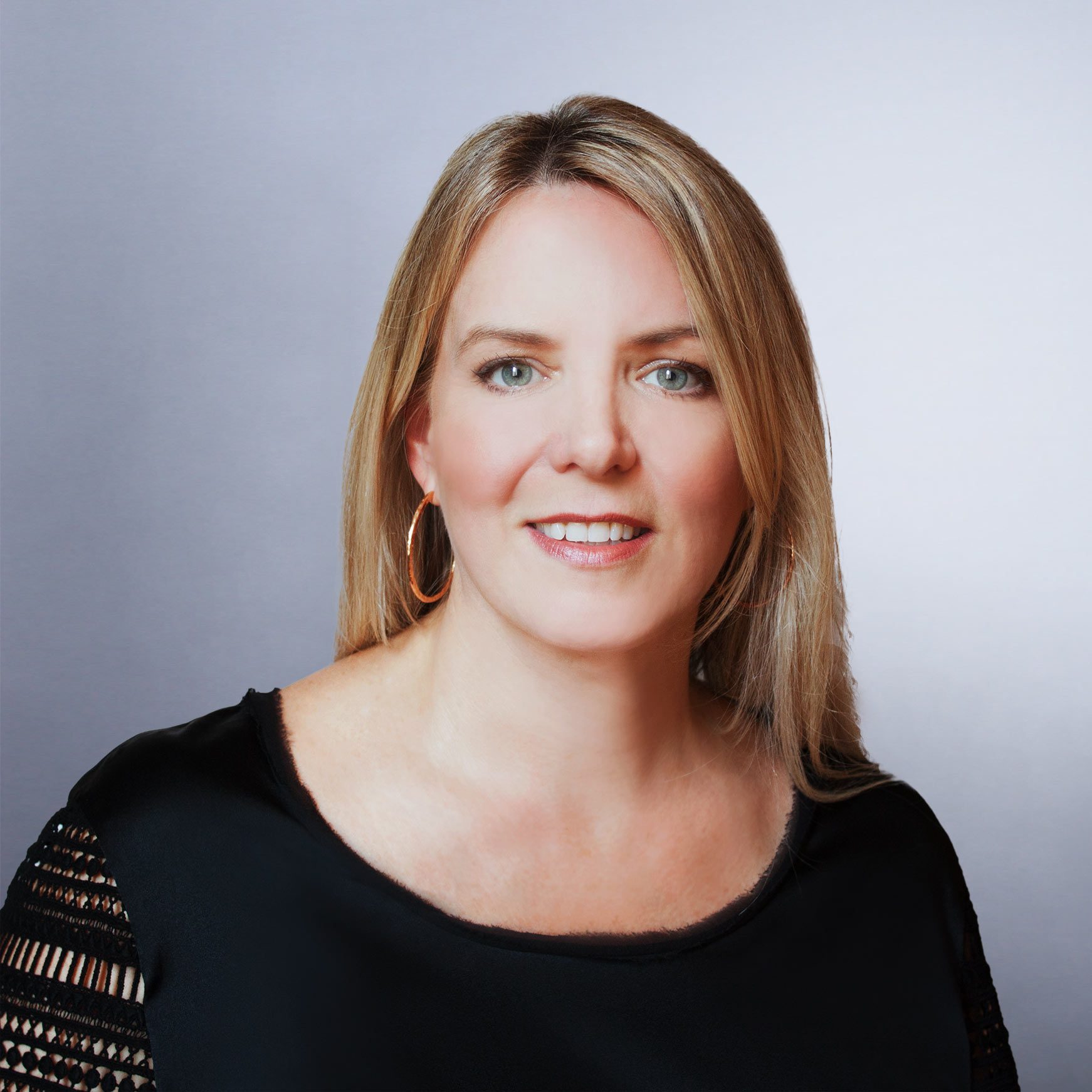
The positioning was deliberately small. Hawkins wrote in 2015 that her firm presented itself as a boutique in a field of larger travel agencies - personal attention, real relationships, people who genuinely traveled. By 2021, it had become a bi-coastal luxury travel and hospitality agency. Its affiliate, Maverick Creative, added a looser creative vocabulary.
Then FINN bought both. The price was not disclosed. What each side wanted was easier to read. FINN had large travel brands, destinations and offices across continents; Hawkins had a concentrated reputation among high-end hotels, resorts, cruises, wellness businesses and aviation companies. Hawkins gained research, digital, creative and geographic muscle. FINN gained the sort of category authority that cannot be ordered from a capabilities deck.
Terms were not made public. The visible consideration was strategic: a proven boutique joined a larger independent network while its founder stayed to lead and expand the work.
Earn the niche
Hawkins International builds credibility in luxury travel and hospitality.
Add the network
FINN acquires Hawkins and Maverick, connecting specialist judgment to global capabilities.
Name the system
FINN Luxe gathers luxury expertise across sectors and markets into one formal offer.
“Even under the FINN brand we continue to maintain a boutique customized sensibility.”Jennifer Hawkins
The press release loses its monopoly
The first thing to fail was not the boutique. It was the old division of labor. Luxury PR had once been able to treat editorial coverage as the main event while social, advertising and customer data waited in other departments. Travel's shutdown during the pandemic accelerated a broader change already underway: discovery moved onto feeds, creators became publishers, and the guest's photograph could matter as much as the hotel's own.
Hawkins has been direct about that shift. In a 2024 industry column, she cited survey findings that 81 percent of Gen Z respondents and 75 percent of Millennials considered social media when choosing a destination. FINN's response was not to abandon media relations. It widened the aperture. A brief might now include a visual-identity overhaul, creator selection, content capture, paid distribution, cultural intelligence and a thought-leadership platform alongside the familiar launch and press office.
That distinction is the business model. FINN Luxe does not sell software or rooms. It sells judgment by retainer and project: which detail deserves a story, which market needs a different translation, which creator is credible, which cultural association helps and which one merely decorates. Its proprietary LaunchPad approach handles openings and rebrandings; Media Intelligence tracks the conversation; reports such as the Luxury Playbook and TrendHawk turn observations into planning tools. The work ends, ideally, in awareness, preference, bookings or reputation. The invoice begins with professional time.
Why the categories keep touching
FINN formalized FINN Luxe in July 2024, three years after the Hawkins acquisition. The delay is revealing. This was not a shiny department built in anticipation of clients. It was a label placed over existing expertise scattered across travel, consumer, art, design, wellness and regional teams. The accompanying Luxury Playbook, developed with Mintel and FINN's intelligence group, made the cross-pollination explicit.
A hotel is now part lodging, part restaurant guide, part wellness program, part interiors magazine and part social set. A fashion house opens a cafe. A carmaker sponsors art. A resort sells residences. FINN Luxe fits between category-specialist boutiques, which may know one world intimately, and giant holding-company agencies, which can staff every channel but risk making luxury feel processed. Its competitive claim is that clients should not have to choose between attention and bandwidth.
The market has tested that claim with multi-country assignments. Pan Pacific Hotels Group hired FINN Luxe for retained PR in the UK and U.S. The Luxurist chose it in those same markets for media relations and thought leadership. Langham Hospitality Group followed with a North America and UK communications brief. Other publicly named clients range from Mandarin Oriental and Seabourn to Bloomingdale's, Wilderness Safaris, Berry Bros. & Rudd and The World's 50 Best.
The useful bit to steal
FINN Luxe's playbook is copyable, but not by copying its adjectives. “Authentic,” “cultural” and “integrated” have survived far too many pitch decks. The practical lesson is organizational: keep specialists close to clients, give them access to a wider bench, and build evidence that can travel before asking a story to do the same.
Four moves worth borrowing
- Start with a narrow authority that clients can verify, not a broad claim they must take on faith.
- Turn recurring observations into named intellectual property, such as a launch method or annual trends report.
- Organize collaborators around the customer's real life, where travel, food, wellness, design and culture overlap.
- Keep senior category judgment in the room after an acquisition; scale is most useful when it amplifies expertise instead of replacing it.
The conditions matter. This model works when a brand has genuine craft, service, history or innovation to translate, and when it operates across enough markets or channels to benefit from an integrated team. It is a poor fit for a company looking for cheap volume, instant virality or a decorative layer of “luxury” over an ordinary experience. Communications can reveal a meaningful detail. It cannot manufacture one indefinitely.
That may be FINN Luxe's most useful restraint. The old little black book has become a network map, a social dashboard and a research report. But the central question is unchanged from Hawkins's one-woman-shop days: what, precisely, makes this place worth the trip? Everything else is luggage.
Continue exploring