taiwan
(12)
Foxconn makes AI a factory job
The company behind the iPhone is putting its manufacturing machine to work on AI servers. Its real product has always been the ability to make something complicated, again and again.

PressPlay makes influence pay.
A loyal audience can buy a lesson, a cookie, or a cup of tea. PressPlay built a business around helping creators earn the next purchase.
iKala found its future in the bandwidth bill
An online karaoke business became an enterprise AI company by following the expensive part of its own success. Now iKala sells the plumbing behind smarter searches, marketing decisions and everyday work.
Dimerco knows what happens before takeoff
The Taiwan-born freight forwarder has built its business around Asia’s exacting manufacturers. Its most revealing lesson involves semiconductor equipment, a damaged crate, and a few lengths of timber.

MoBagel and the art of making AI earn its keep
A failed marketing model, a motorcycle-parts seller and a shipping forecast reveal MoBagel’s practical wager: AI becomes useful when it changes a decision someone already has to make.
Jmem Tek and the secret a chip does not have to keep
The Taiwanese chip designer turns tiny manufacturing differences into device identities, then pairs them with post-quantum cryptography. Its wager: protecting the key matters as much as choosing the algorithm.
Mosaic Venture Lab wants your startup on the factory floor
The Taipei venture firm connects East Asian technology teams with industrial buyers. Its real test is what happens after the introduction: a pilot, a production partner, or a customer willing to pay.
i2i Opens the Doors Between Startups and Industry
Taiwan’s Innovation to Industry turns incubator space, government programs and corporate introductions into a route to market. Its international work gives founders a practical test: who, exactly, is ready to buy?
StarFab Makes the Customer Pitch First
Taiwan’s corporate accelerator starts with a company’s problem, then finds a startup that can solve it. From vending machines to vehicle data, the interesting work happens after the introductions.
ASUS keeps giving the PC a new shape
From a $399 netbook to a laptop with two screens, ASUS has made a business of moving the computer off its usual perch. Its next challenge is making ambitious hardware easier to own.
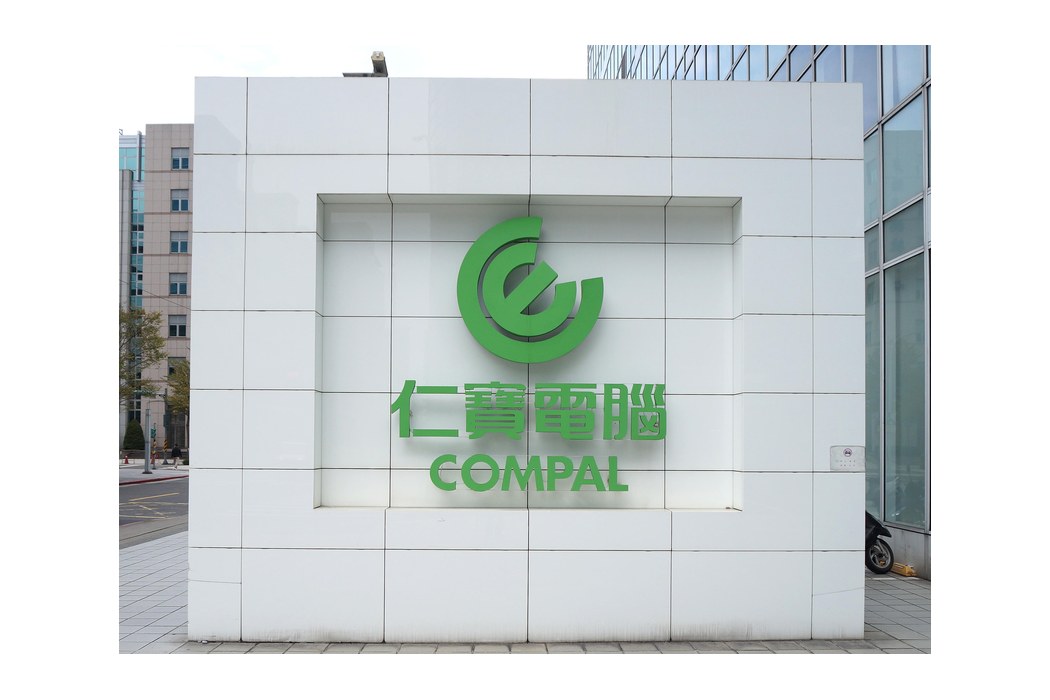
The Company That Builds Your Laptop and Never Puts Its Name On It
It is the world's #2 notebook maker, ships Apple Watches when demand spikes, and quietly assembles the laptop on your desk. Now Compal wants 40% of its revenue to come from AI servers - and its name still won't be on the box.
錫力科技 YC Synergy
錫力科技 (YC Synergy) is a Taiwan-based clean-energy company building hydrogen fuel cell power systems and end-to-end hydrogen infrastructure - electrolysis-based green hydrogen production, storage, and refueling. Founded in 2012 and headquartered in Xindian, New Taipei City, the firm designs and integrates fuel cell systems for stationary power, maritime vessels, and road transport, working with partners such as Germany's EKPO Fuel Cell Technologies and Stan Shih's zero-carbon ship venture Porrima. It was named Asia-Pacific Fuel Cell System Company of the Year by Energy Tech Review in 2024.