There is a decent chance the machine you are reading this on was designed and built by a company you cannot name. Open a laptop from Dell, HP, Lenovo or Acer, and somewhere in its lineage sits Compal Electronics - a Taiwanese manufacturer that has spent four decades building the world's gadgets and letting other people take the credit. That is not an accident. It is the entire business model.
Compal is an ODM: an original design manufacturer. The distinction matters. A contract assembler bolts together someone else's design. An ODM does the harder part - it engineers the product, sources the components, tunes the thermals, and hands a finished machine to a brand that stamps its own logo on the lid. Compal ranks second in the world at doing this for notebooks, behind fellow Taiwanese giant Quanta Computer. Between them, the two companies quietly account for a large share of every laptop sold on Earth.
01 / What it doesThe anonymous engine of consumer tech
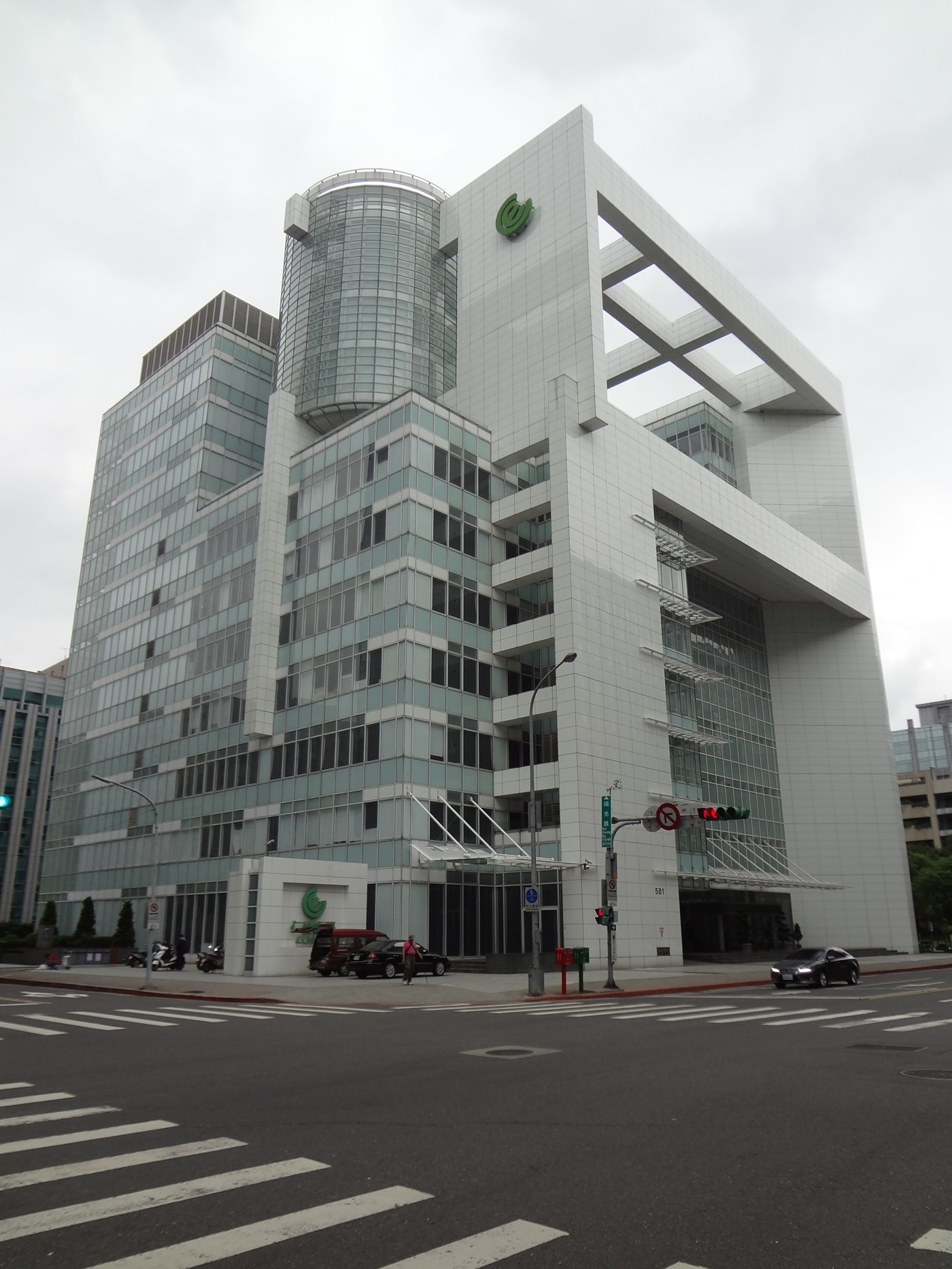
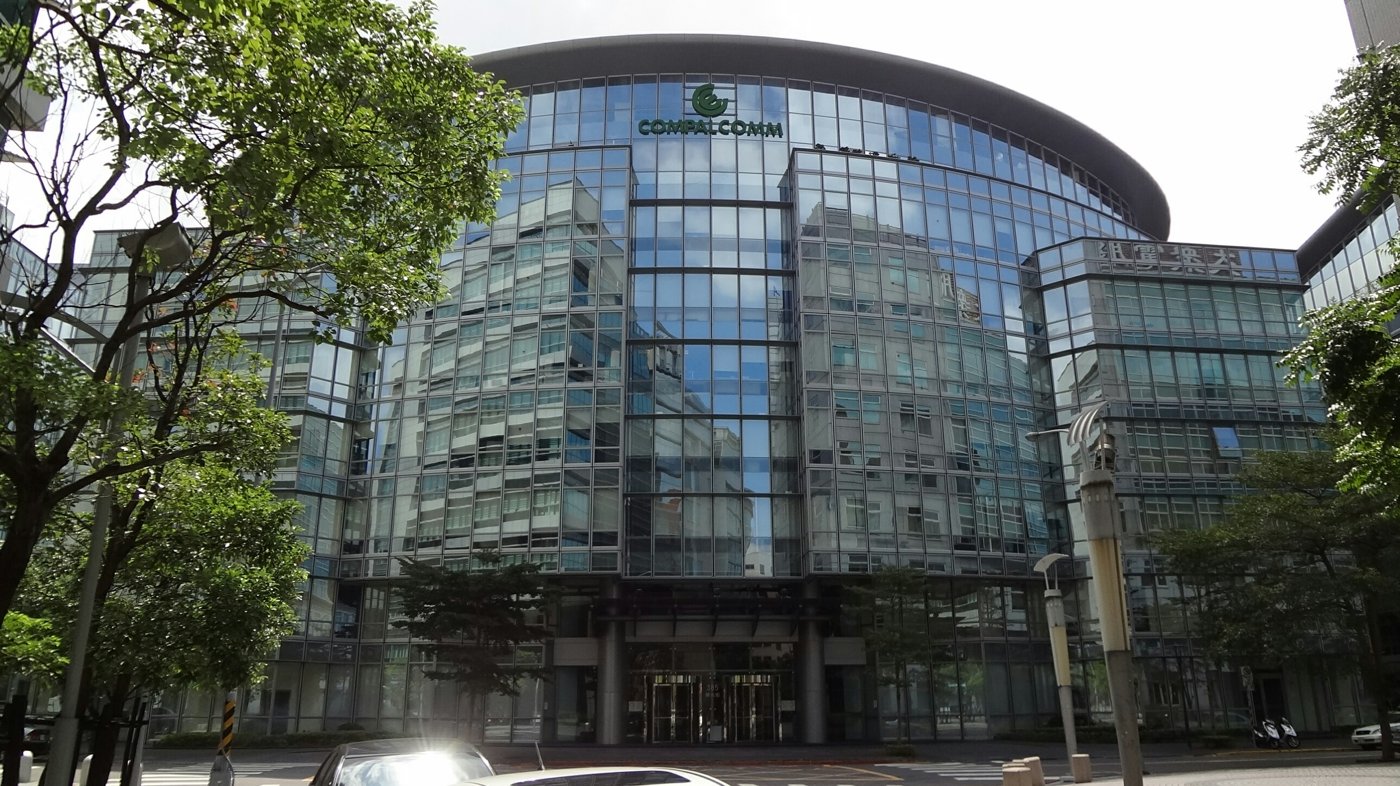
Founded in 1984 and public on the Taiwan Stock Exchange since 1990 under ticker 2324, Compal turned invisibility into scale. Its factories - anchored in Taiwan and China's Kunshan, with sites across Vietnam, Brazil, Mexico, Poland, India and the United States - turn out tens of millions of notebooks a year. The company reached the Fortune Global 500, ranking around #420, without ever selling a product a consumer would recognize as its own.
The client list reads like a directory of the technology industry. Documented customers include Apple, Google, Dell, HP, Lenovo, Acer, Fujitsu, Sony, Toshiba, Panasonic, Cisco, Caterpillar and the repairable-laptop startup Framework. When Apple Watch demand outran capacity in 2018, Compal was brought on as a second manufacturer of the Series 4. When Toshiba walked away from the US television market in 2015, Compal licensed the brand and kept Toshiba TVs on shelves.
Scale is the point of the whole exercise. An ODM only earns its margin by spreading fixed engineering and tooling costs across enormous volume, which is why Compal's plants are measured in millions of units rather than thousands. It also explains the geography: a factory footprint spanning Taiwan, China, Vietnam, Brazil, Mexico, Poland, India and the US is not vanity - it is insurance against tariffs, shipping shocks and the kind of supply-chain disruption that turned "just-in-time" into a dirty phrase after 2020. When a brand promises stores full of laptops for a holiday launch, someone has to actually make that true. Often, it is Compal.
02 / The pull quoteA model built on staying one step behind the spotlight
Many of the laptops sold as Dell, HP or Lenovo are physically designed and built by Compal. The logo is the last thing added, and it isn't theirs.
- On the ODM economics that run consumer techThe upside of anonymity is focus. Compal never spends on consumer marketing, retail channels or brand campaigns. It competes on the things brands cannot easily replicate at volume: engineering depth, component sourcing, manufacturing yield and the ability to ship millions of identical units on a deadline. The tradeoff is thin margins and dependence on a handful of very large customers - which is exactly the vulnerability the company is now trying to reduce.
03 / The pivotFollowing the heat into the data center
The consumer PC market has softened, and Compal has done what good manufacturers do when demand cools in one place: it followed the heat somewhere else. Literally. The company's fastest-growing business is AI servers and data-center infrastructure, where the constraint is no longer assembly speed but thermal management - getting heat out of dense racks of power-hungry GPUs.
In late 2025, Compal showed its flagship AI server, the SGX30-2, built on NVIDIA's HGX B300 platform, alongside high-density liquid-cooled systems running AMD EPYC processors and AMD Instinct GPUs. It presented CXL-based memory designs and a liquid-cooling blueprint at the OCP Global Summit, and partnered with ZutaCore on waterless two-phase cooling. Chairman Ray Chen has framed the whole effort plainly: Compal is "accelerating its transformation into an AI-centric company."
Where the revenue is headed · target mix
The bet comes with concrete addresses. In October 2025, Compal announced a manufacturing facility in Taylor, Texas and a server service center in Georgetown, Texas, part of a push to build AI infrastructure closer to North American customers. In 2026 it opened the Daxi AI Server Manufacturing Center in Taiwan. The company's US arm, Compal USA, sits rather less glamorously in Fenton, Michigan - which is where a Global Technical Marketing Director like Mark Gallagher fields the American side of a Taipei-run empire.
Taylor and Georgetown are more than business locations - they are communities that share our values of innovation, integrity, and opportunity.
- Anthony Peter Bonadero, President & CEO
04 / RangeMore than laptops - a lot more
Notebooks remain the core, but the catalog has quietly sprawled. Under the COMPAL5G banner, the company makes 4G/5G modules, small cells, private-network gear and CPEs powered by Qualcomm and MediaTek silicon. Its automotive electronics unit builds ADAS AI - object, action and distance detection, pedestrian automatic braking, and network access modules for cars. There is a smart-medical arm working on imaging and AI-assisted diagnostics, plus displays, TVs, smartwatches and earbuds. The through-line is the same one that has always defined Compal: it builds the hard part and lets the customer's brand ride on top.
If there is a lesson worth copying here, it is Compal's habit of reinventing itself roughly once a decade by following where demand is moving rather than where its brand equity sits - because it has no brand equity to defend. A company with a famous logo protects that logo. A company with no logo is free to chase the next hard problem. Compal went from PCs to handsets to wearables to servers without ever having to explain to consumers why it changed. That freedom is the hidden dividend of anonymity.
05 / HistoryFour reinventions in forty years
06 / The quiet ledgerSustainability, on the side
While the AI story grabbed headlines, Compal ran up a sustainability record most people missed. Its DJSI score climbed from 38 in 2022 to 87 in 2025. It landed in the top 10% of its S&P Global peer group, joined the FTSE4Good Index, and won a 2025 Circular Economy Gold Award in Taiwan for modular laptop design - the kind of repair-friendly engineering that makes a device last past its warranty. For a company whose whole business is volume, designing for longevity is a genuine tension worth watching.
07 / The readWhere it fits
Compal sits at the center of a market most consumers never see: the handful of Taiwanese ODMs - Quanta, Wistron, Pegatron, Inventec and Foxconn among them - that actually build the world's computers. Its competitive advantage is unglamorous and durable: scale, engineering, and forty years of institutional knowledge about how to ship hardware on time. The AI-server pivot is the interesting variable. If it works, a company known for thin-margin laptops becomes a supplier of the most sought-after infrastructure in tech. If the PC slump deepens faster than servers ramp, the transition gets bumpy. Either way, the machine on your desk probably passed through Compal's hands first - and you will keep not knowing it.