liquid-cooling
(10)
The AI Boom Has a Heat Problem. Vertiv Built the Plumbing.
AI chips get the headlines. Vertiv sells the power, liquid cooling and factory-built infrastructure that determines whether those chips can actually run - and its $15 billion backlog shows how physical the digital boom has become.
The Company That Builds Your Laptop and Never Puts Its Name On It
It is the world's #2 notebook maker, ships Apple Watches when demand spikes, and quietly assembles the laptop on your desk. Now Compal wants 40% of its revenue to come from AI servers - and its name still won't be on the box.

Accelevation Bet $50 Million That the AI Boom Needs a Factory Floor
The Ohio manufacturer survived a shutdown-era order collapse, found a wedge in polycarbonate panels and built its way into power, steel and field installation. Its real product is not a door or a cable - it is fewer handoffs on a data-center schedule.
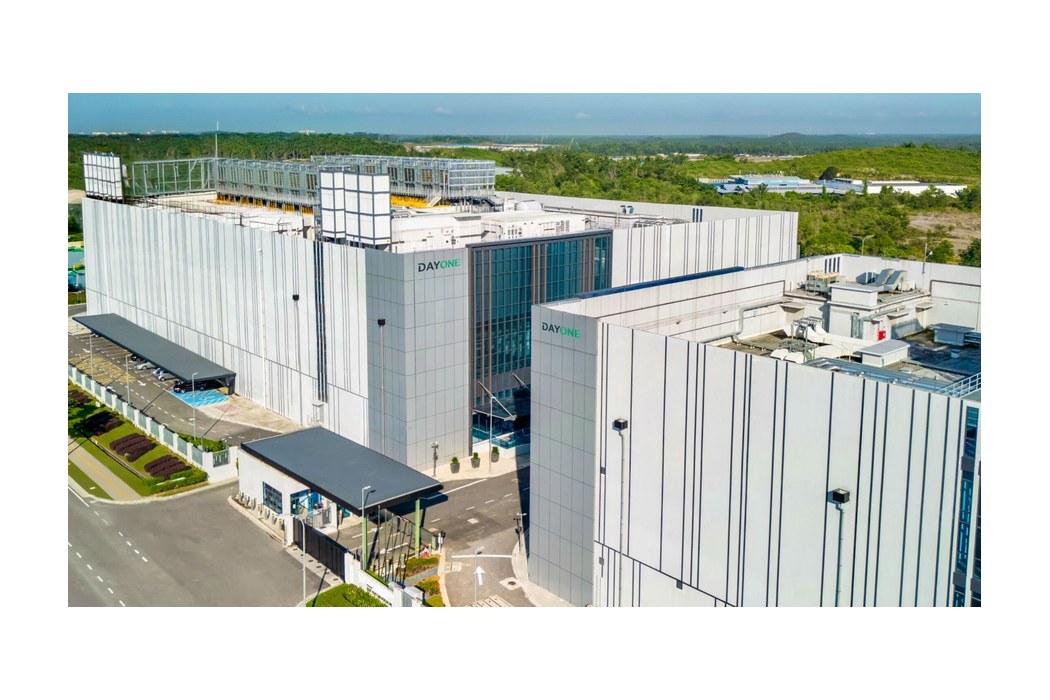
DayOne Is Turning Three Neighbors Into One Giant Data Center
The Singapore infrastructure company is stitching together land, power and fiber across borders - then exporting the playbook from Southeast Asia to Tokyo and Finland.

Applied Digital Is Building AI's Landlord Business - One Megawatt at a Time
The AI race is usually told in chips and models. Applied Digital is betting that the harder business is underneath them: securing power, pouring concrete and keeping densely packed machines cool for decades.

The Bitcoin Miner That Learned to Rent Power to AI
Core Scientific spent years turning electricity into Bitcoin. Now it is converting the same hard-won sites, substations and operating know-how into something AI companies need even more: rooms where extremely dense computers can run on schedule.
The AI Boom Has a Plumbing Problem. nVent Wants to Fix It.
Chips get the headlines. nVent makes the boxes, busways, power connections and liquid-cooling systems that help keep those chips - and the electrified world around them - running.

Accton
Accton spent decades building the switches behind other companies’ brands. Now AI has turned that quiet Taiwanese manufacturing playbook into an $8 billion open-infrastructure business - and pulled it from the rack into optics, cooling and compute.

Phaidra
Phaidra is a Seattle-based industrial AI company that builds self-learning, reinforcement-learning control agents for the world's most complex mission-critical facilities - chief among them the data centers powering the AI boom. Founded in 2019 by alumni of Google DeepMind and the HVAC and defense industries, Phaidra's software plugs into existing building automation and SCADA systems without new hardware, learns a facility's behavior, and continuously adjusts cooling, power and workload setpoints to cut energy use while improving reliability. The company raised a $50M+ Series B in October 2025 led by Collaborative Fund with participation from NVIDIA, positioning itself to make 'AI factories' radically more resource-efficient.

Jim Gao
Jim Gao is the CEO and co-founder of Phaidra, a Seattle-based AI company building autonomous, self-learning control systems for the world's most complex industrial facilities, from data centers to vaccine plants. A mechanical engineer by training, he spent roughly a decade designing cooling systems for Google's data centers before teaching himself machine learning on nights and weekends. After AlphaGo, he launched DeepMind Energy, where reinforcement learning cut Google's data-center cooling energy by up to 40 percent. In 2019 he and two co-founders spun that idea into Phaidra, which by 2025 had raised over $120 million to make AI factories radically more efficient.