sustainable-food
(21)
The Marketing Agency That Planted the Brief
Haberman grew a marketing agency by insisting that a good story must survive contact with a farm, a focus group and a sales chart. Thirty-two years later, its most persuasive product may be the habit of changing course.
The Cardiologist Who Wants to Grow Your Chicken Without the Chicken
A former heart doctor traded the cath lab for the bioreactor to grow chicken from cells. He made history, hit a $1 billion valuation, and then ran straight into state legislatures that would rather ban his product than taste it.
The Grocer Who Bet His Life Savings on a Building Older Than the Supermarket
John Dyke grew up raising tobacco and heirloom tomatoes, then poured his life savings into a natural grocery in a building that predated the modern supermarket. Twenty-five years later, The Turnip Truck is four stores, one juice bar, and a running argument for shopping like your neighbors are farmers - because his are.
The Yellowstone Microbe That Wants Your Breakfast Table
A geomicrobiologist scooped a strange fungus out of a Yellowstone hot spring. A decade and half a billion dollars later, it is being sold as cream cheese, yogurt and breakfast patties.
Big Idea Ventures Wants to Turn Food Science Into Infrastructure
The New York investor does more than write checks. It links scientists, factories, corporations and rural universities in a bid to move food technology from the lab to the loading dock.
The egg company that put a farm's name on every carton
How a 20-hen Texas farm turned radical transparency and 108 square feet of pasture per bird into a $759 million business - one carton at a time.
The Company Behind 80 Million Lunches - and Almost Everything Around Them
Sodexo does not sell lunch so much as certainty. Across 43 countries, it turns meals, maintenance, cleaning, energy and hospitality into one repeatable service - the quiet machinery behind 80 million daily experiences.
Nature's Path Foods
Forty years ago a berry-farmer's son turned his father's one-line advice into a cereal company. Nature's Path is still family-run, still refuses to sell, and still puts organic breakfast on tables in more than 40 countries.
Bel Group
How a Jura cheesemaker became a 120-country snacking machine - and why a 160-year-old family business is now spending it on regenerative farms and lab-made dairy.
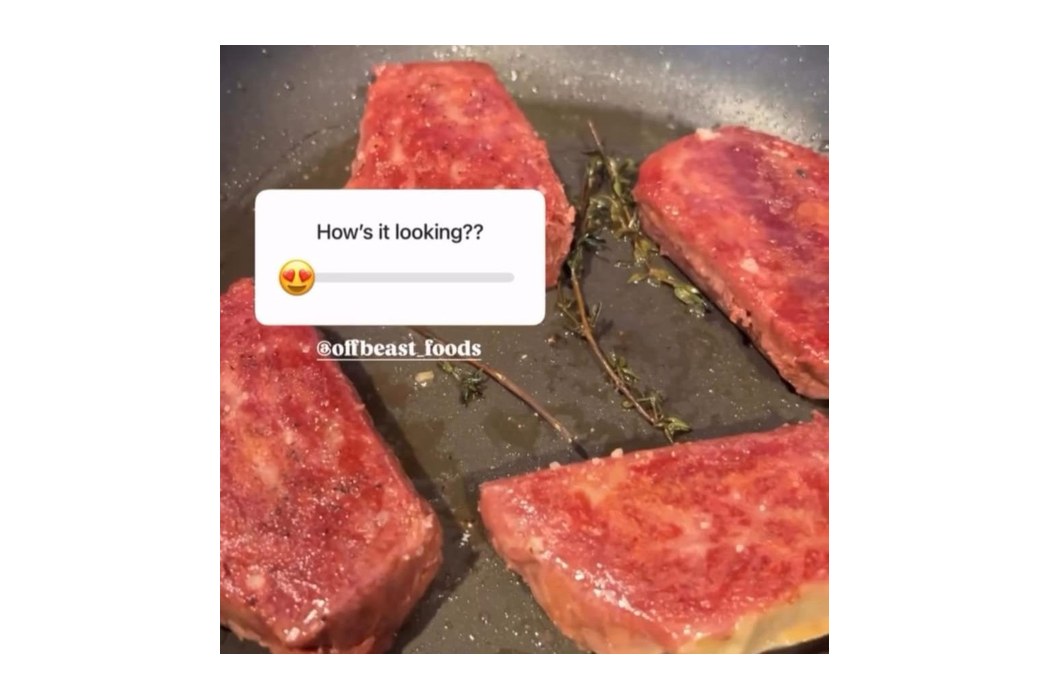
Offbeast
Offbeast is a Baltimore food-tech company making plant-based whole-cut steaks - filet mignon, ribeye and steak bites - that mimic the muscle-fiber texture of real beef. Its proprietary Cross-Fiber Assembly platform bundles plant fibers into steak-like cuts through continuous manufacturing, avoiding the expensive equipment and biological processes rivals rely on. Founded in 2022 (as Mooji Meats) and backed by Y Combinator, the company sells to East Coast restaurants and direct to consumers.
Growthwell Foods
Growthwell Foods is a Singapore-based plant-based protein company building meat and seafood alternatives tailored for Asian palates. Re-founded in 2019 by brothers Justin and Colin Chou on top of their father's 1989 vegetarian food business, it manufactures brands like HAPPIEE! and owns a majority stake in Israeli ingredient maker ChickP, which produces a chickpea protein isolate above 90% purity. Backed by a $22M Series A led by Creadev with Temasek and GGV Capital, the company operates a fully automated R&D and production facility at Senoko and aims to feed a growing region hungry for sustainable, culturally familiar protein.
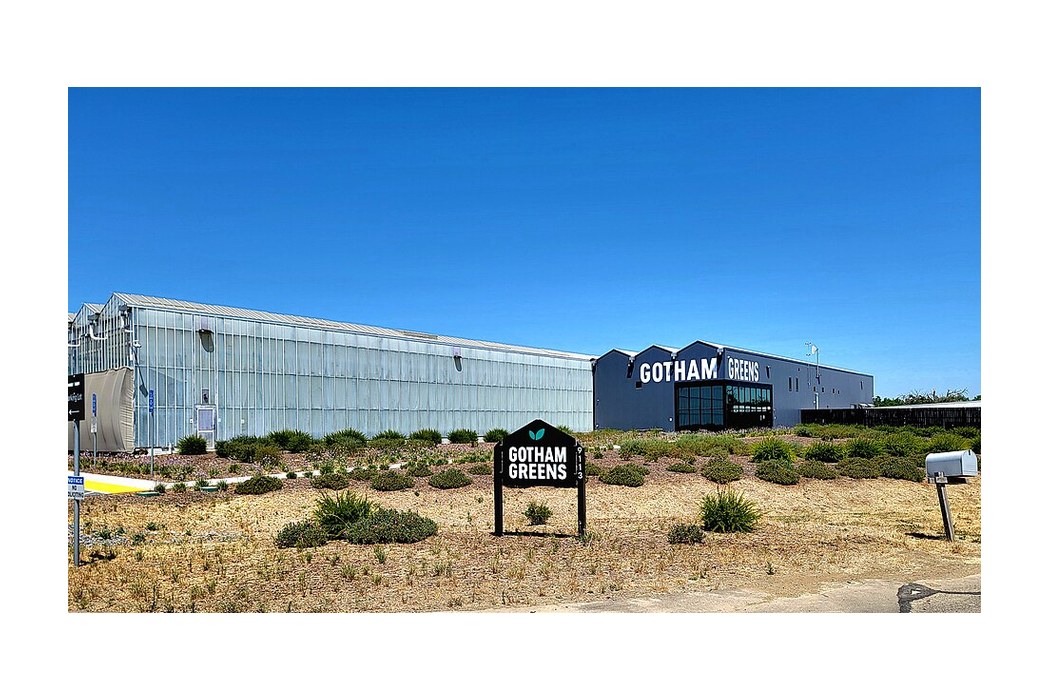
Gotham Greens
Gotham Greens is a Brooklyn-born indoor farming and fresh food company that grows pesticide-free leafy greens and herbs year-round in a national network of high-tech hydroponic greenhouses. Founded in 2009, it opened the first commercial rooftop greenhouse in the United States and has since scaled to more than a dozen facilities across nine states, producing roughly 100 million heads of lettuce a year using up to 90% less water and 97% less land than conventional field farming. Beyond greens, the company sells branded salad kits, dressings, dips and cooking sauces to more than 6,500 retail, restaurant and foodservice locations nationwide.

Eclipse Foods
Eclipse Foods is an Alameda, California food-technology company making plant-based dairy products - ice cream and, since 2025, a non-dairy whole milk - engineered to be molecule-for-molecule indistinguishable from conventional dairy. Founded in 2019 by chef Thomas Bowman and food-systems entrepreneur Aylon Steinhart, Eclipse uses a proprietary blend of non-GMO plants like cassava, corn, potato and fava rather than nuts, soy, coconut or oats to recreate dairy's taste, texture and functionality. It sells through retail (Amazon, Whole Foods and regional grocers) and to foodservice partners including scoop shops, diners and burger chains.
Oishii
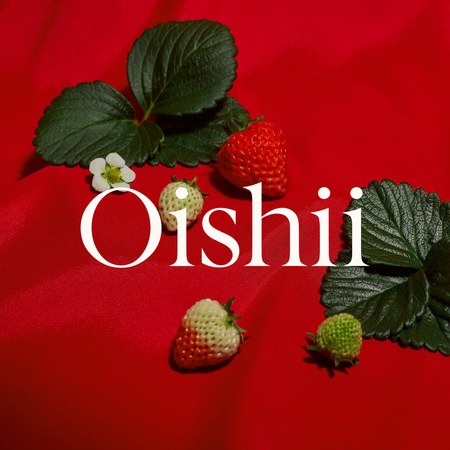
Oishii is an American vertical farming company that grows premium, pesticide-free, Non-GMO strawberries indoors year-round. Founded in 2016 by Hiroki Koga and Brendan Somerville, it recreates the climate of Japan's strawberry-growing regions inside automated 'Smart Farms' to produce its flagship Omakase Berry, the Koyo Berry, the Nikko Berry, and the Rubi Tomato. Headquartered in Jersey City, New Jersey, Oishii operates what it calls the world's largest indoor vertical strawberry farm and sells through Whole Foods and direct delivery across the Northeast and beyond.
Soupergirl
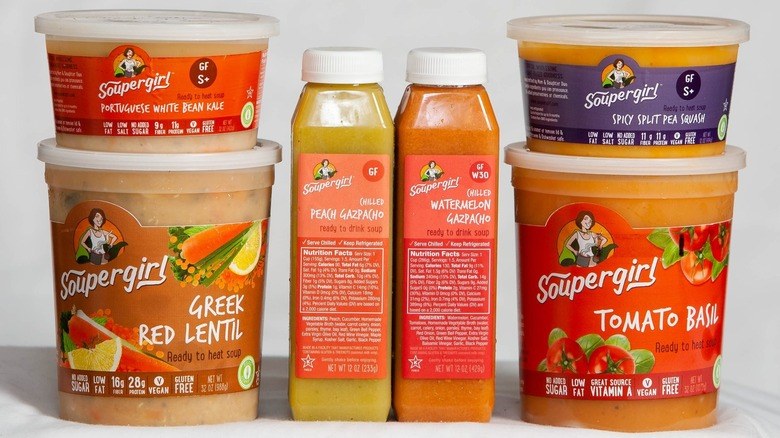
Soupergirl is a Washington, DC-area food company making fresh, plant-based, certified-kosher soups, gazpachos, and salsas. Founded in 2008 by former stand-up comedian Sara Polon and her mother Marilyn, the mother-daughter business grew from a local home-delivery operation into a brand sold in 800+ retail locations including Costco, Whole Foods, Kroger, and Amazon Fresh. Soupergirl pairs radically simple, responsibly sourced recipes with an outspoken commitment to sustainability and farmworker rights - it was the first consumer packaged goods brand certified under the Fair Food Program.
Crowd Cow
Crowd Cow is a Seattle-based online meat marketplace that connects independent farms, ranches, and fisheries directly with home cooks. Founded in 2015 as a 'cow-sharing' crowdfunding experiment, it grew into one of the best-known direct-to-consumer protein brands in the U.S., known for radical transparency about where each cut comes from, hard-to-find products like Japanese A5 and Olive Wagyu, and a mission to give consumers an alternative to the anonymous, commodity grocery-store meat case.
Bettani Farms
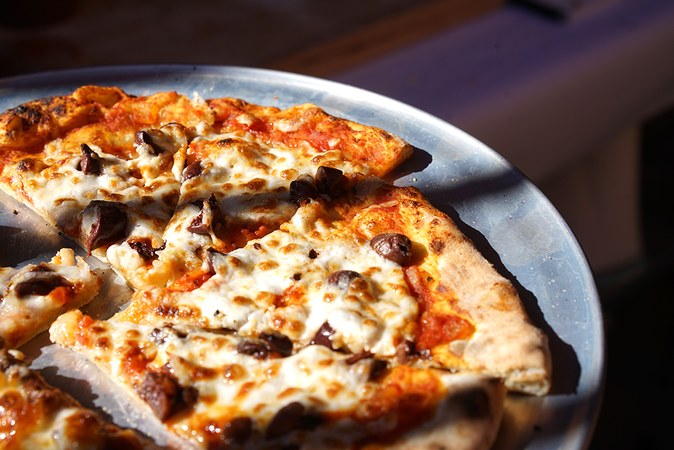
Bettani Farms is a Berkeley, California food company making protein-rich, dairy-free cheese that melts and stretches like the real thing. Its patented Caseed protein, derived from the seeds of regenerative crops, mimics dairy casein without the dairy, nuts, soy, or carbon footprint. Formerly Climax Foods, the company rebranded to Bettani Farms in October 2025, named former Califia Farms CFO Sandeep Patel as CEO, and closed an initial $6.5M of its Series A led by S2G Investments to scale mass-market cheeses like mozzarella and feta.
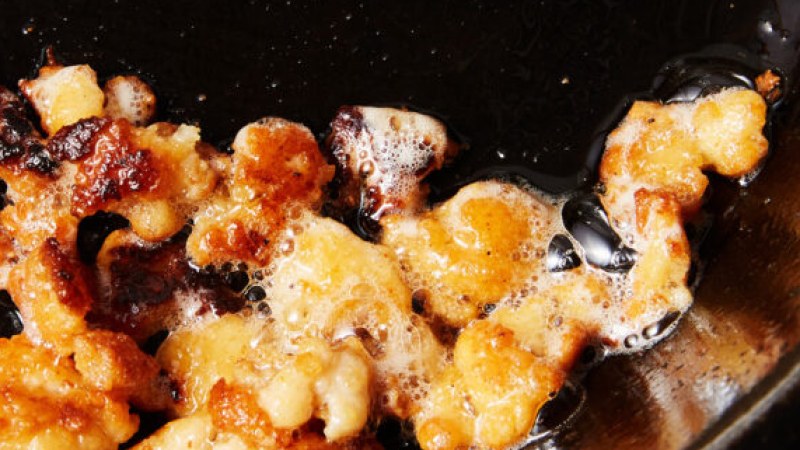
Fork & Good, Inc.
Fork & Good is a Jersey City-based cellular agriculture company growing real meat from animal cells instead of whole animals. Founded by urban-farming entrepreneur Niya Gupta and cultivated-meat pioneer Gabor Forgacs, the company built a pilot factory that produces cultivated pork using a patented bioprocess centered on muscle cells and high-density bioreactors. Its goal is to reach price parity with commodity meat - targeting roughly $2 per pound - while using a fraction of the land and water of conventional farming. In 2025 it acquired California's Orbillion Bio to combine cultivated pork and beef under one global platform spanning North America, Europe, Asia and the Middle East.
Bon Appétit Management Company
Bon Appétit Management Company is an on-site restaurant company that runs more than 1,000 cafés and catering operations for corporations, universities, and museums across the United States. Founded in 1987 by Fedele Bauccio and Ernie Collins, it pioneered cooking from scratch in the contract food world and built a reputation as the industry's sustainability conscience - the first major food service company to commit to sustainable seafood, cage-free eggs, antibiotic limits, and tying food choices to climate change. A Compass Group subsidiary since 2002, it operates from Redwood City, California.

The EVERY Company
The EVERY Company is a San Francisco Bay Area biotech that uses precision fermentation to brew real egg proteins (ovalbumin, pepsin, and more) without chickens. Its ingredients - OvoPro, EVERY Egg White, and EVERY Protein - power baked goods, beverages, and protein bars sold by food brands ranging from startups to multinationals.
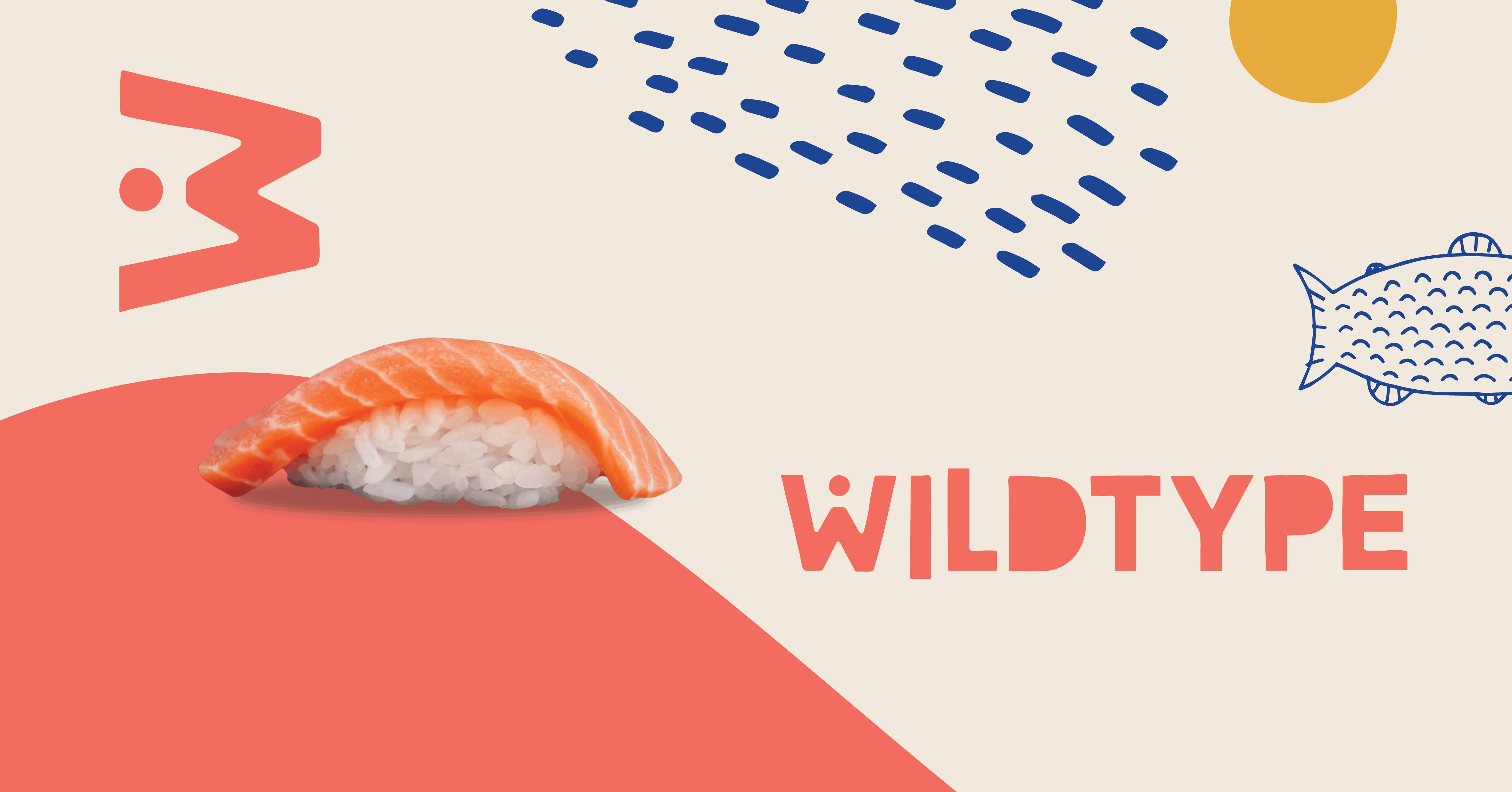
Wildtype
Wildtype is a San Francisco-based cultivated seafood company that grows real salmon from fish cells in stainless steel bioreactors - no fishing, no farming, no ocean required. Founded in 2016 by a cardiologist-turned-food-scientist and a former U.S. Foreign Service officer, the company received FDA clearance in May 2025, making it the first cultivated seafood product approved for sale in the United States. With $123.5M raised and backing from Jeff Bezos, Leonardo DiCaprio, and Cargill, Wildtype is betting that the future of seafood is grown, not caught.