The Grocer Who Bet His Life Savings on a Building Older Than the Supermarket
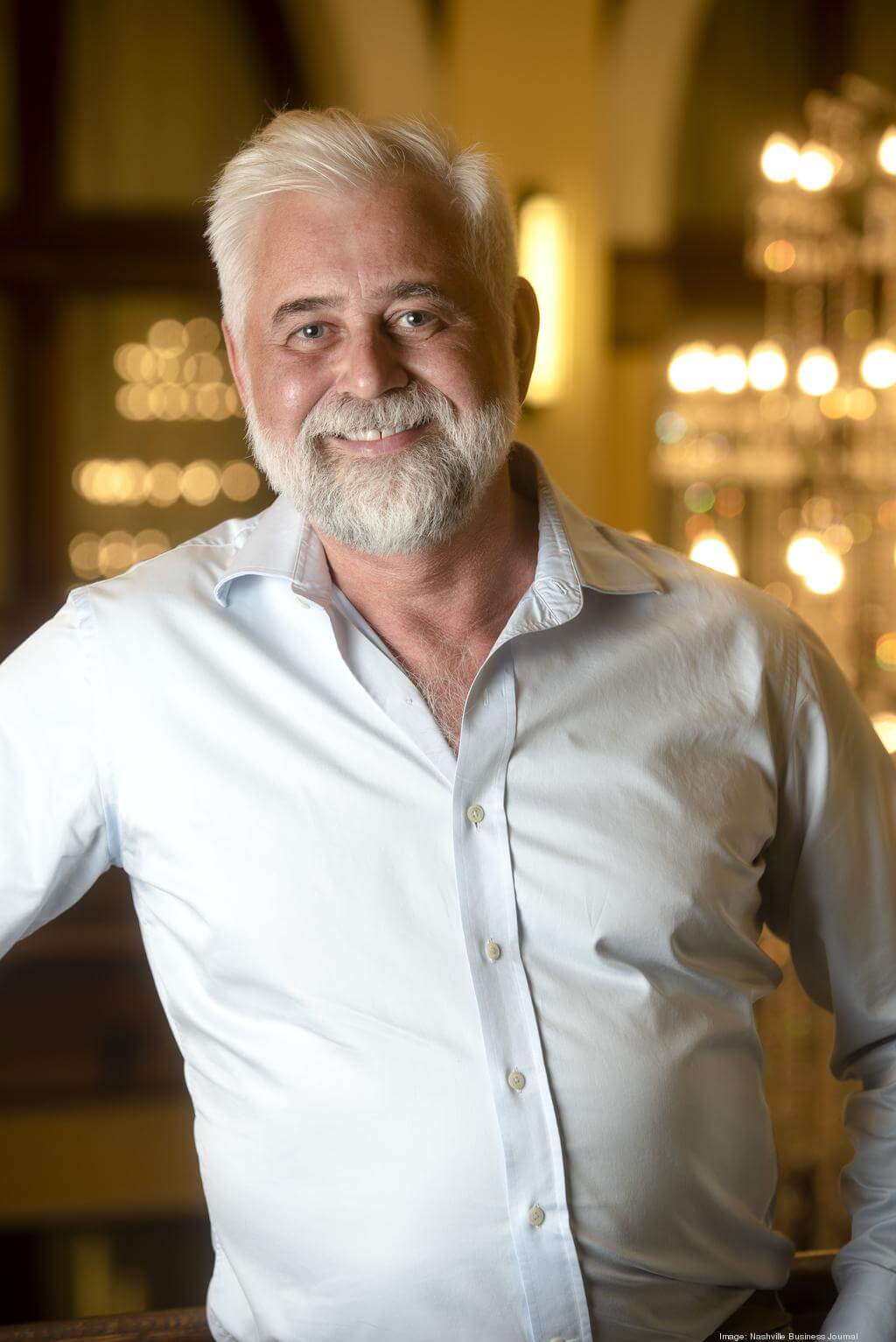
John Dyke grew up raising tobacco and heirloom tomatoes, then poured his life savings into a natural grocery in a building that predated the modern supermarket. Twenty-five years later, The Turnip Truck is four stores, one juice bar, and a running argument for shopping like your neighbors are farmers - because his are.
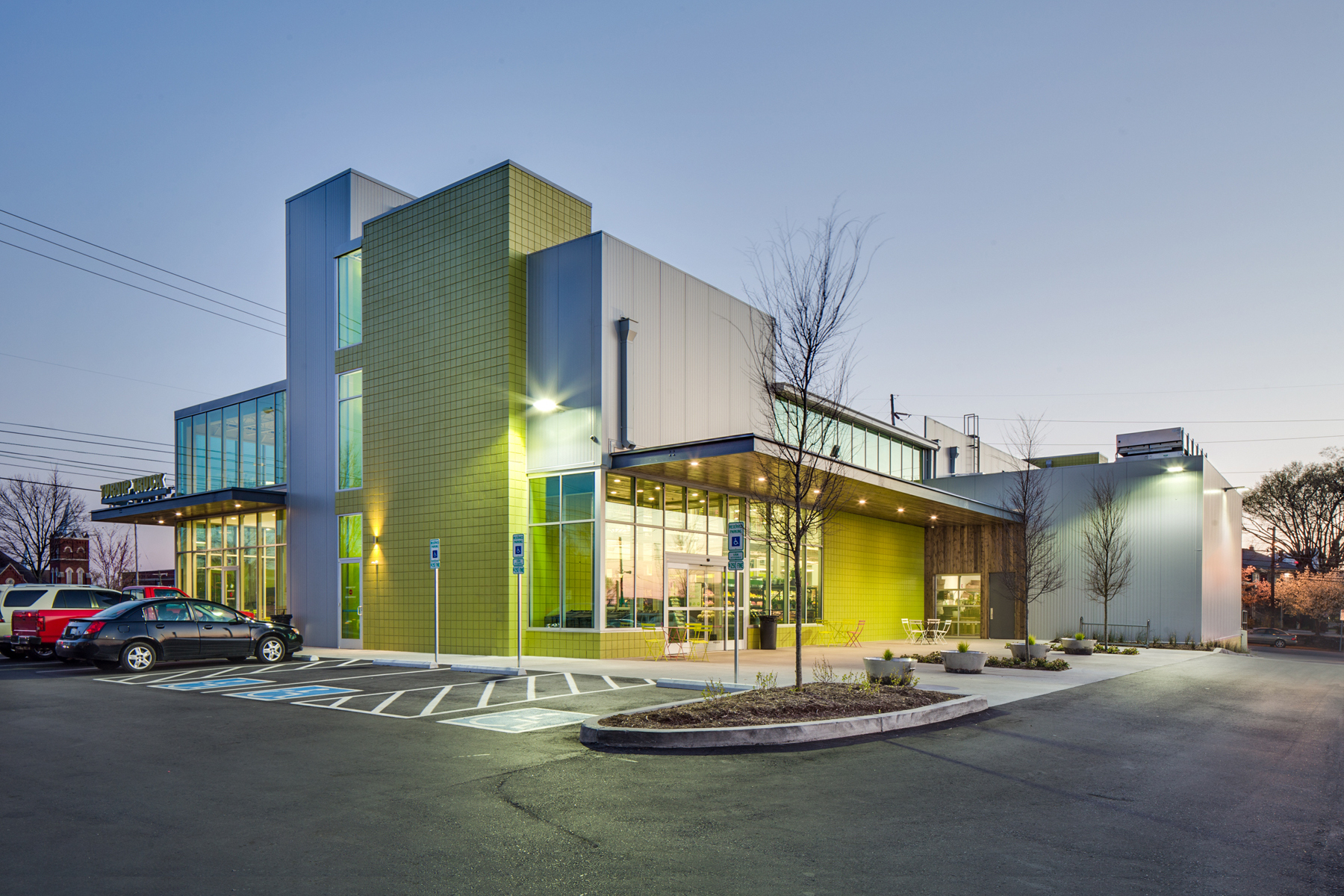
Every durable business hides a personal itch that never quite went away. For John Dyke, it was a tomato. He had grown up on a working farm in Greeneville, Tennessee, raising tobacco and livestock and tending gardens, and when he moved to Nashville to sell medical equipment, the produce he found in ordinary grocery aisles felt like a downgrade from his childhood. So in 2001 he did the unreasonable thing. He drained his life savings and opened a natural foods store in an old H.G. Hill grocery building at 10th and Woodland in East Nashville - a structure that had gone up a century earlier, before the modern supermarket was even a concept.
He called it The Turnip Truck. Twenty-five years later it is Nashville's only full-service, locally owned natural foods grocer, with four stores across the city and a business model that can be summarized in one stubborn sentence: know where the food came from, and preferably know the person who grew it.
01 / The originA homesick farm kid and a parking lot
Before there was a store, there was a hustle. Dyke set up pop-up farmers markets in parking lots and took a job at Sunshine Grocery, a pioneering Nashville health food shop that had shown him what a neighborhood market could be. He had moved into East Nashville's Edgefield neighborhood in 1990, and the idea of a local natural market sat with him for a decade before he signed a lease. When he finally did, the romance of it collided with the reality of running a grocery store on thin margins.
"In the first year or two, I made some costly mistakes. I poured in everything from my life savings and fought tooth-and-nail to keep that store alive."John Dyke, Founder
That is the part most founder stories sand down. The Turnip Truck did not open and coast. It nearly went under. What kept it upright was not a clever pivot or a funding round - it was a founder who showed up daily to stock produce, learn the numbers the hard way, and refuse to quit. The lesson Dyke seems to have taken from those years is not "work harder." It is that a small grocer cannot out-price a national chain, so it has to be worth the trip for a different reason.
02 / The productWhat The Turnip Truck actually sells
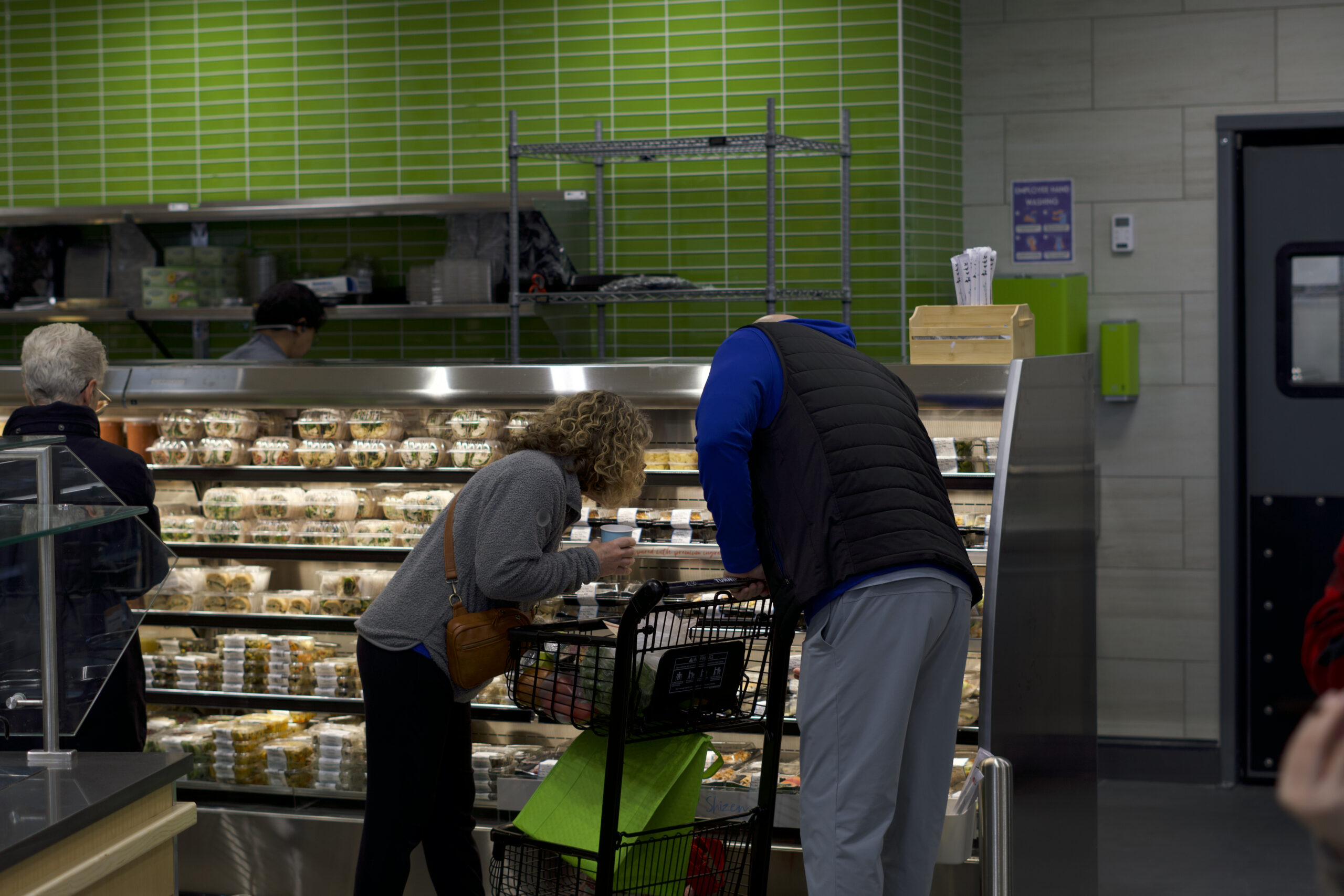
The reason for the trip, it turns out, is a store that behaves less like a warehouse and more like a farm stand with a roof. The shelves carry certified organic produce, hormone- and antibiotic-free meats, responsibly certified seafood, artisan cheeses, fresh nut butters and a deep bulk-foods department. The expanded East Nashville flagship added hot and cold bars, grab-and-go food, a bakery with gluten-free selections, fresh soups, and a growler filling station for kombucha and local beer. There is an organic juice bar. There is a deli and a salad bar. During 2020 the company launched online ordering, delivery and curbside pickup, and never turned them off.
03 / The moatLocal is the strategy, not the slogan
Plenty of stores put "local" on a chalkboard. The Turnip Truck built the company around it. The stated goal is to source products within roughly 200 miles of Nashville, and the farming roots run through every part of operations. Recent partners include regional farms like Rose Creek and Blue Heron, and local makers such as Ousley Ouch Salsa and Sustainable Harvest Farms. The point of the radius is not marketing tidiness; it is that a tight supply chain lets the store do something the chains cannot - tell you the farmer's name and mean it.
This is the most copyable thing about the company, and it has nothing to do with groceries. In a market crowded with national natural chains - Whole Foods, Sprouts, Trader Joe's - and grocery delivery apps that all sell roughly the same catalog, The Turnip Truck competes on the one variable those players cannot ship: neighbors. The store makes the supply chain the product. Storytelling is not the marketing layer on top of the business; it is the business.
"We are here because we love our neighbors, and we have felt the love during this pandemic."John Dyke
04 / The stress testA tornado, a pandemic, and a fourth store
If the first two years proved the store could be built, 2020 proved it could take a hit. A tornado tore through Nashville and cost the business equipment. The pandemic arrived weeks later. Rather than retreat, the company accelerated its online ordering and delivery plans into permanent offerings, added safety measures across its stores, and - improbably - opened a fourth location on Charlotte Avenue while much of retail was contracting. It also partnered with distributor UNFI to donate 500 grocery bags to Second Harvest Food Bank after the storm.
Dyke's framing during that stretch was characteristically plain. Providing whole, organic food in an unsafe environment, he said, "would be counterintuitive - and just wrong." The stores stayed open, the neighbors kept coming, and the expansion held.
05 / The peopleWho runs it, who shops it
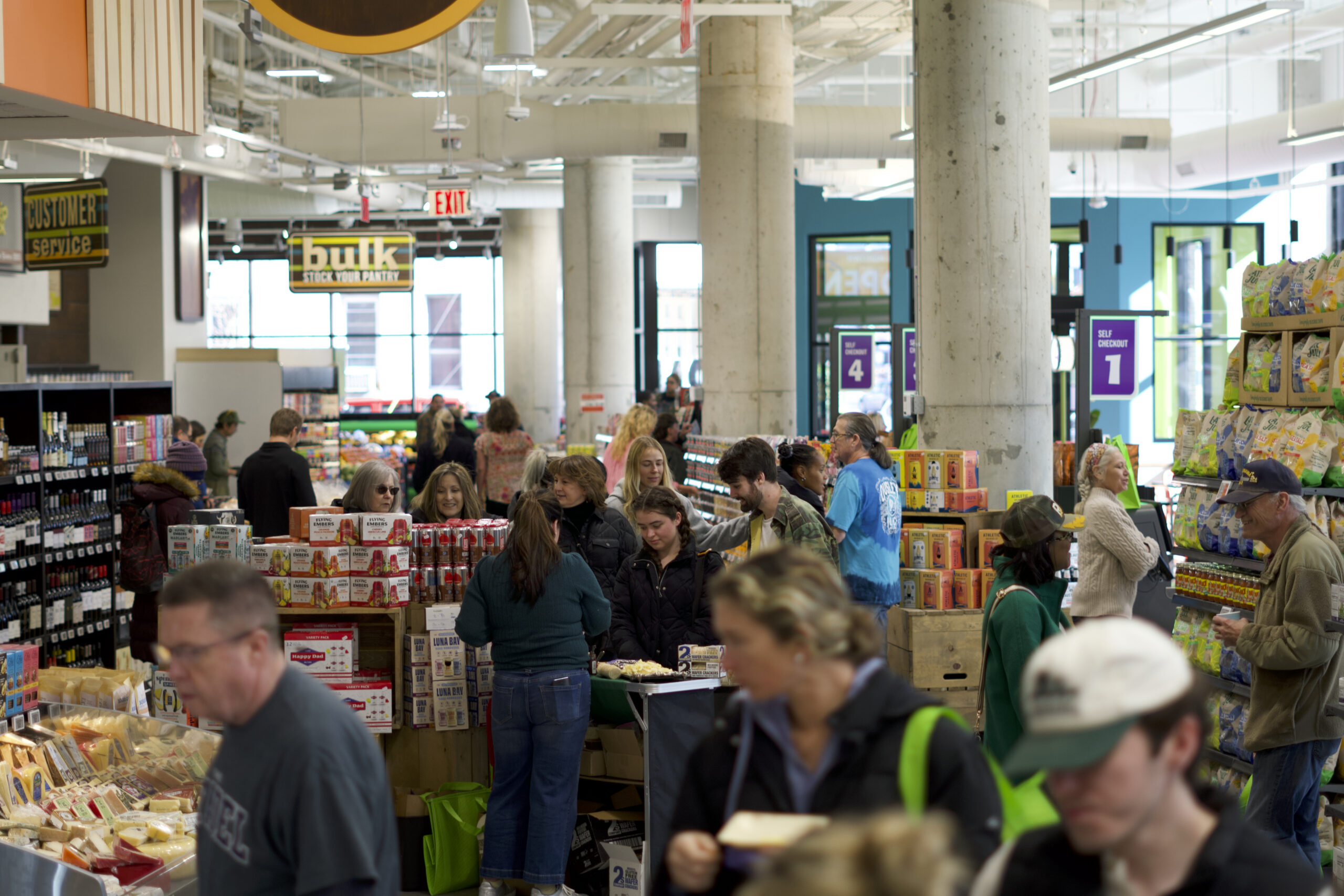
The team describes itself as "a dedicated, educated bunch of local and natural foodies" focused on friendly service and product expertise. Around Dyke sits a small leadership group - including a chief financial officer with a decade at a Nashville restaurant group and a chief human resources officer - running a workforce spread across four stores. The customer base is the Nashville metro: neighborhood residents in East Nashville, The Gulch, West Nashville and Midtown, plus health-minded shoppers and the occasional tourist who wanted a juice and left with a story about a farm.
06 / The readWhere it fits, and where the model strains
Independent grocery is a hard business. Margins are thin, national chains have scale, and delivery apps have flattened convenience into a commodity. The honest caveat on The Turnip Truck's playbook is that it does not scale cleanly. The 200-mile radius that makes the store special also caps how big it can get without diluting the thing customers pay for. Local sourcing is more expensive than a national distribution contract. And the model leans heavily on a founder who still tours farms and stocks produce himself, which is a strength today and a succession question tomorrow.
But within its lane, the position is defensible. Third-party estimates put annual revenue near $37 million and the team around 39 people, and in 2024 the company raised $4.24 million in debt financing. In 2026 it reaches its 25th anniversary and has set a public goal of zero-waste operations. For anyone building a consumer brand, the transferable lesson is not "open a grocery store." It is that trust is the only moat that compounds, and the cheapest way to earn it is to tell people the truth about where your product comes from - then let them meet the person who made it.