sustainable-agriculture
(25)
The Fertilizer Was There. The Plants Couldn’t Reach It.
Sound Agriculture's wager is that some of the cheapest crop nutrition is already underfoot. Its chemistry, fungi, and new seed treatment try to make that buried inventory useful - and its guarantees ask growers to judge the idea by the harvest.
CEFE International makes business lessons leave the classroom
The German consultancy teaches entrepreneurship through practice, then trains people to teach it themselves. Its work reveals how much has to happen between a promising workshop and a stronger business.

Cream Co. Bet the Farm on the Messy Middle - and Built a Meat Business Chefs Could Trust
Cliff Pollard started with ten cattle, borrowed coolers and no delivery truck. A decade later, Cream Co. is testing whether the least glamorous link in sustainable food - processing and distribution - can become its strongest advantage.
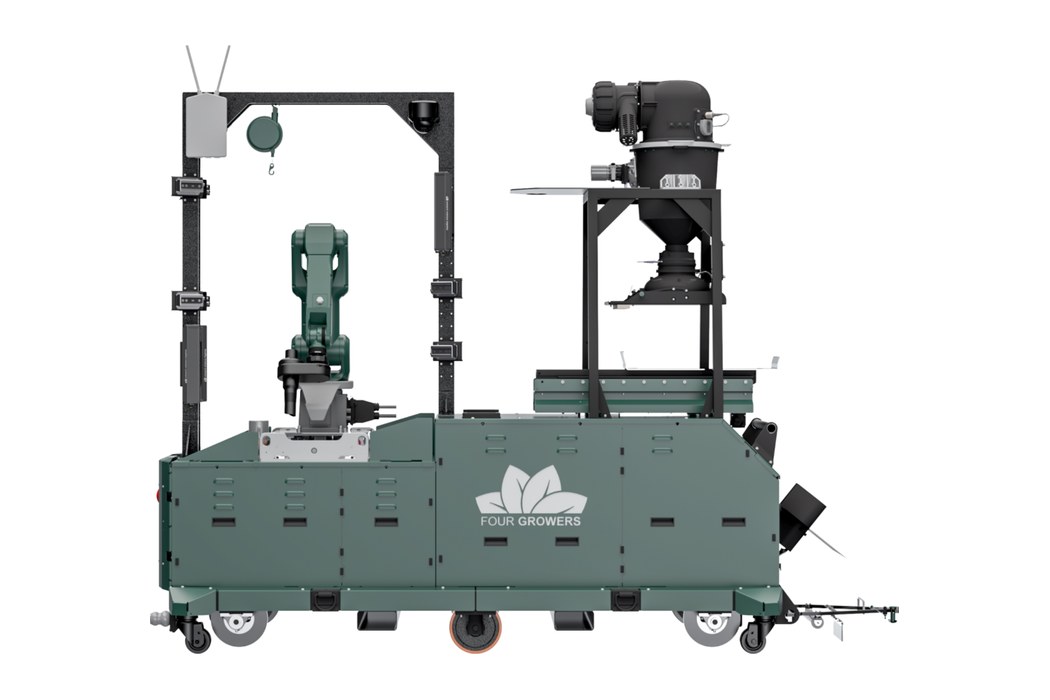
The Robot That Picks a Tomato Better Than You Can
Two Pitt engineers spent months living in greenhouses to learn why picking a tomato is so hard for a machine. Their answer, the GR-100, now harvests faster than the humans it works alongside.

The Tiny Iowa Company Putting Seed Treatment on the Planter - One Zone at a Time
POP-ST moves a century-old farm input decision from the seed plant to the planter. With patents, field trials, and partners ranging from ALMACO to TeeJet, Inflexion Point Technologies is trying to make every treatment earn its place in the row.
Acumen Made Patience an Investment Strategy
For 25 years, Acumen has financed the awkward stretch between a promising idea and a market that works - pairing risk-tolerant capital with leaders willing to build for communities most investors overlook.
The Firm That Turned a Dead Brewery Into a Business Model
Kit Goldsbury sold a hot-sauce company to Campbell Soup, then spent two decades proving that a good meal can rebuild a piece of a city. In 2024, for the first time, Silver Ventures is letting outsiders buy in.
The $94 Billion Machine That Sells the Drink and the Chips Beside It
PepsiCo's real product is not cola or chips. It is a portfolio-and-distribution system built to win the entire snack break - then repeat that trick more than a billion times a day.
The $24 Billion Milk Machine Owned by 9,000 Farmers
Dairy Farmers of America is easy to mistake for a brand. It is really a farmer-owned supply chain - collecting milk, finding a market for it, turning it into everything from cheese powder to chocolate milk, and sending the value back toward the farm.

Eratani
Eratani is an Indonesian agritech company that digitizes smallholder rice farming through one integrated platform. It connects previously isolated farmers to affordable financing, high-quality inputs, agronomic advice and buyers for their harvest - covering the full cycle from upstream to downstream. Founded in 2021, Eratani works with more than 34,000 rice farmers across Java and Sulawesi, manages over 13,000 hectares of paddy, and reports lifting yields by roughly 29% and farmer incomes by about 25%.
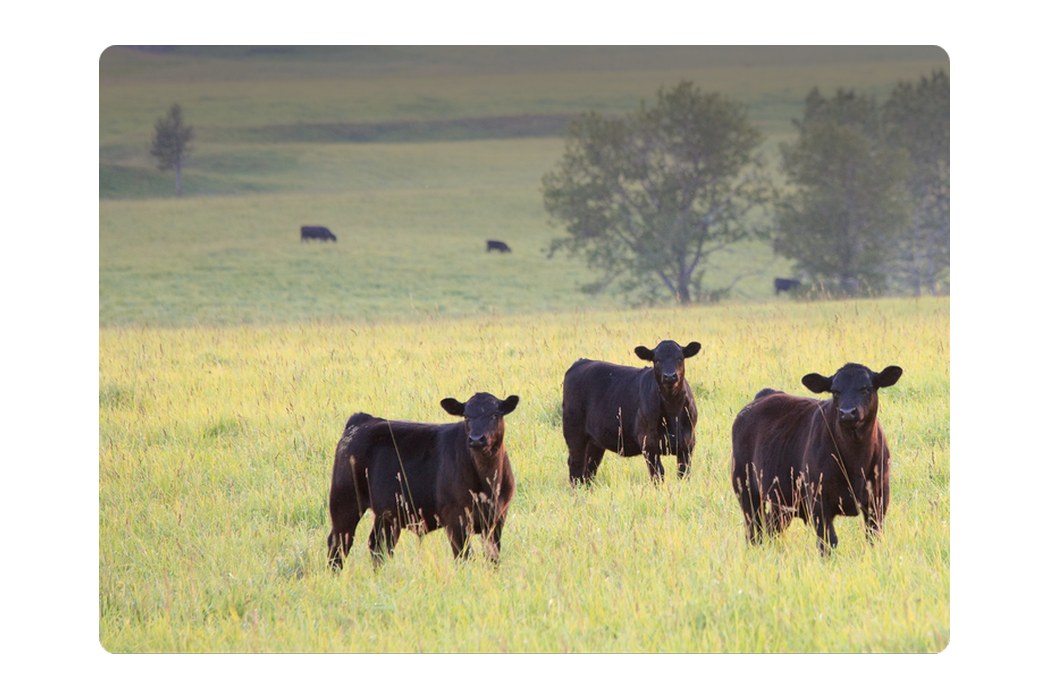
Number 8 Bio
Number 8 Bio is a Sydney-based agtech and climate startup building BetterFeed, a low-cost feed additive and slow-release rumen bolus that cuts enteric methane from cattle and sheep by up to 90% in trials while recapturing wasted feed energy to lift animal productivity. After pivoting from yeast biomanufacturing to synthetic-chemistry small molecules, the company targets grass-fed grazing systems - about 95% of Australia's livestock - and has raised roughly A$18 million to move toward commercial release.
PlasmaLeap Technologies
PlasmaLeap Technologies is a Sydney-based cleantech company building modular, non-thermal plasma reactors that make ammonia, nitric acid, fertiliser and hydrocarbon eFuels from just air, water and renewable electricity. Spun out of the University of Sydney in 2019, its 'lightning-mimicking' process replaces the century-old, fossil-fuelled Haber-Bosch route with room-temperature, on-site chemical production. Its eNFix containerised units let farmers make green nitrogen fertiliser at the farm gate, cutting emissions and supply-chain dependence. The company raised roughly A$30 million in a Series A led by the Gates Foundation, Investible and Yara Growth Ventures to build first-of-a-kind fertiliser hubs in New South Wales and Tasmania.

BioLumic
BioLumic is a New Zealand-founded agricultural biotechnology company that uses precisely tuned ultraviolet light treatments to program desirable traits into seeds and seedlings without genetic modification. Applied in seconds, its patented 'light recipes' switch on plants' natural genetic expression to deliver double-digit yield gains, stronger disease resistance and stress tolerance across crops including corn, soybean, rice and ryegrass. The company partners with seed producers to commercialize non-GMO, climate-smart traits at scale.

Hippo Harvest
Hippo Harvest is a California controlled-environment agriculture company that grows USDA-certified organic leafy greens inside greenhouses run by warehouse-style robots and machine learning. Founded by two veterans of the ROS robotics world, it repurposes Amazon-fulfillment-style autonomous mobile robots as 'tractors' that deliver water and nutrients plant-by-plant, claiming greens grown with roughly 92% less water, 55% less fertilizer and 94% less land than field agriculture - at prices meant to match outdoor-grown produce.
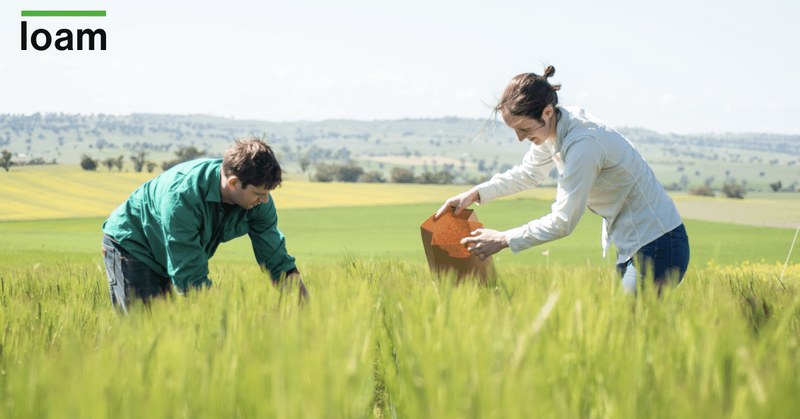
Loam Bio
Loam Bio is an Australian agricultural biotechnology company using naturally occurring microbial fungi to help crops store more stable, long-lasting carbon in soil. Founded in 2019 by a group of farmers and climate scientists, it coats seeds with its CarbonBuilder inoculum so plants pull atmospheric CO2 into recalcitrant, mineral-bound soil carbon, and pairs the biology with its SecondCrop program that helps growers measure, verify and sell soil carbon credits. Backed by more than US$119M from investors including Lowercarbon Capital, Wollemi Capital and Marc Benioff's Time Ventures, Loam is scaling from its Orange, NSW base into the United States.
Verdant Robotics
Verdant Robotics is a Hayward, California agtech company building AI-driven precision farming robots. Its flagship SharpShooter is a tractor-pulled implement that uses computer vision and a bank of aiming nozzles to treat individual plants - weeding, thinning, fertilizing and spraying with millimeter accuracy - instead of blanketing whole fields. The pitch to growers of high-value specialty crops like carrots, lettuce and onions: cut chemical inputs by more than 96%, reduce hand-weeding costs, and collect plant-level data along the way. Founded in 2018 and led by roboticist Gabe Sibley, the company raised a $46.5M Series A in 2022 and commercially launched the SharpShooter in 2024.
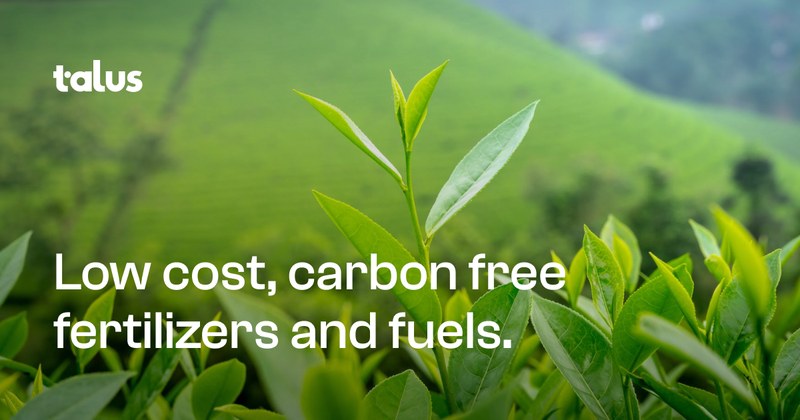
TalusAg
TalusAg, the agriculture arm of Talus Renewables, builds modular, containerized systems that make green ammonia on-site from only water, air, and renewable electricity. By shrinking a process that normally requires billion-dollar plants into a shipping container, the company lets farmers and industrial users produce their own carbon-free fertilizer and fuel locally, cutting costs and supply-chain risk.
ArkeaBio
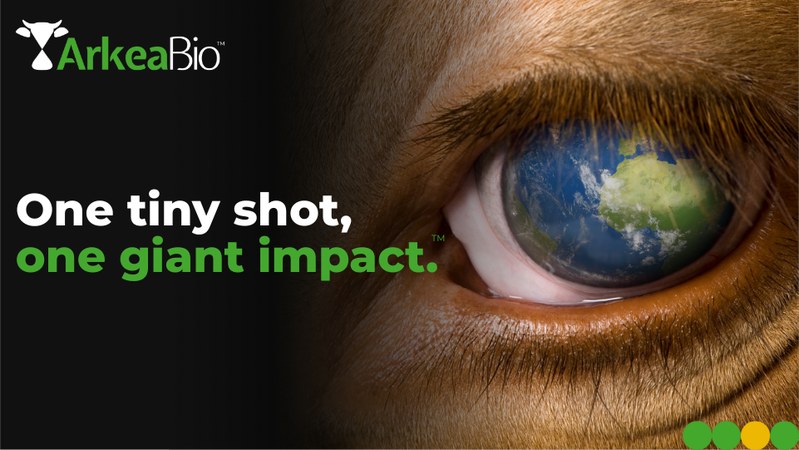
ArkeaBio is a Boston climate-biotech company building the first vaccine that cuts methane emissions from cattle. The shot trains a cow's immune system to produce antibodies that travel to the rumen and suppress methanogens - the microbes that turn digestion into greenhouse gas. Livestock methane accounts for roughly 6% of global emissions, and ArkeaBio's pitch is blunt: a vaccine is the lowest-cost, most scalable way to attack that number. Backed by Breakthrough Energy Ventures and a roster of climate and ag investors, the company is moving from animal studies into full field trials, targeting a 20% methane reduction and a first product in market around 2028.
Kula Bio
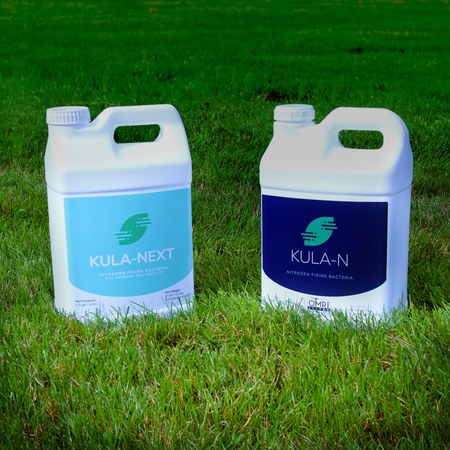
Kula Bio is a Massachusetts climate-tech company turning naturally occurring nitrogen-fixing microbes into living fertilizer factories that run inside the soil. Born from Harvard chemist Dan Nocera's 'bionic leaf' research, the company supercharges Xanthobacter autotrophicus with a renewable-energy carbon source so the bacteria deliver plant-available nitrogen at the root zone, on demand. Field trials show its flagship Kula-N can replace as much as 80% of a farm's synthetic nitrogen use without the runoff or the fossil-fuel footprint of conventional fertilizer.

Meiogenix
Meiogenix is a French-American agricultural biotech company that re-engineers one of nature's oldest tricks - meiotic recombination, the gene-shuffling that happens when plants make seeds. Instead of editing single genes like CRISPR, its proprietary SpiX and dCas9-SPO11 platforms steer where chromosomes cross over, unlocking 'cold' regions of the genome that conventional breeding can never reach. The result: breeders can mix desirable traits, break unwanted linkage, and shrink crop development cycles from 10-plus years to as few as three, all without introducing foreign DNA. Founded in 2010 as a spin-off from Institut Curie and INRA, the company targets the $50B+ commercial seed market across corn, wheat, rice, tomato and soybean, and licenses its technology to partners including Bayer.

North Spore
North Spore is a Portland, Maine company that makes growing mushrooms at home approachable for everyone. Founded in 2014 by three college friends - a mycologist, an organic farmer, and a photojournalist - it sells grow kits, spawn, substrates, lab supplies, and mushroom wellness products direct to consumers. With more than 350,000 growers served and a 25,000-square-foot production facility, North Spore has grown from a tiny mushroom farm into one of the most recognized mushroom-cultivation brands in the United States.

NuCicer
NuCicer is a Davis, California agtech and food-tech company breeding a new generation of high-protein chickpeas. Spun out of UC Davis and built on the largest pool of chickpea genetic diversity on earth, the company uses predictive (precision) breeding and genomics to develop chickpea varieties with up to 75% more protein than conventional beans - alongside better flavor, lower fat, and higher fiber. NuCicer sells whole beans, functional flours, protein powders, and bespoke trait packages to food brands seeking minimally processed, sustainable plant-protein ingredients that out-compete soy and pea isolates on taste and texture.

Fork Farms
Fork Farms is a mission-first agriculture technology company in Green Bay, Wisconsin that builds self-contained indoor vertical hydroponic systems - led by the Flex Farm - paired with a digital platform (Farmative) and K-12 curriculum. Its technology lets schools, hospitals, nonprofits, food pantries, businesses and homes grow hundreds of pounds of fresh produce per year on-site using a fraction of the water and land of conventional agriculture, turning food access into something anyone can do indoors.

Amy's Kitchen
Amy's Kitchen is a family-owned, privately held organic food maker based in Petaluma, California. Founded in 1987 by Andy and Rachel Berliner and named after their daughter, the company makes 250-plus vegetarian frozen and convenience meals - soups, burritos, pizzas, bowls and mac and cheese - all built from organic, non-GMO ingredients. A Certified B Corporation, Amy's has grown from a kitchen-table pot pie into a roughly billion-dollar retail brand without ever going public.

Pivot Bio
Pivot Bio engineers nitrogen-fixing microbes that live on crop roots and feed corn, wheat, sorghum and small grains directly, replacing a portion of synthetic fertilizer with a biological alternative that does not volatilize into the atmosphere or leach into groundwater.