spine-surgery
(13)
The Company That Refuses to Let a Surgeon Fly Blind Through Your Nervous System
For twenty years, one Las Vegas-founded company has been the second set of eyes in thousands of operating rooms - watching the nerves surgeons can't see and sounding the alarm before a slip becomes a lifelong deficit.
Adam Azzara
He turned a fiddly, high-stakes moment in spine surgery into a business - and put a small Austin device company on shelves next to Medtronic.

DuraStat
DuraStat is an Austin, Texas medical device company that makes a purpose-built surgical instrument for repairing tears in the dura - the membrane surrounding the brain and spinal cord. Its handheld device automates suture passage so surgeons can create precise, watertight closures to prevent cerebrospinal fluid (CSF) leaks, even through the limited access typical of spine and neurosurgical procedures. Invented by practicing spine surgeons, DuraStat and its companion fascial-closure device TissueStat are stocked in surgical facilities across all 50 U.S. states, and in late 2024 the company entered an exclusive U.S. commercial partnership with Medtronic.
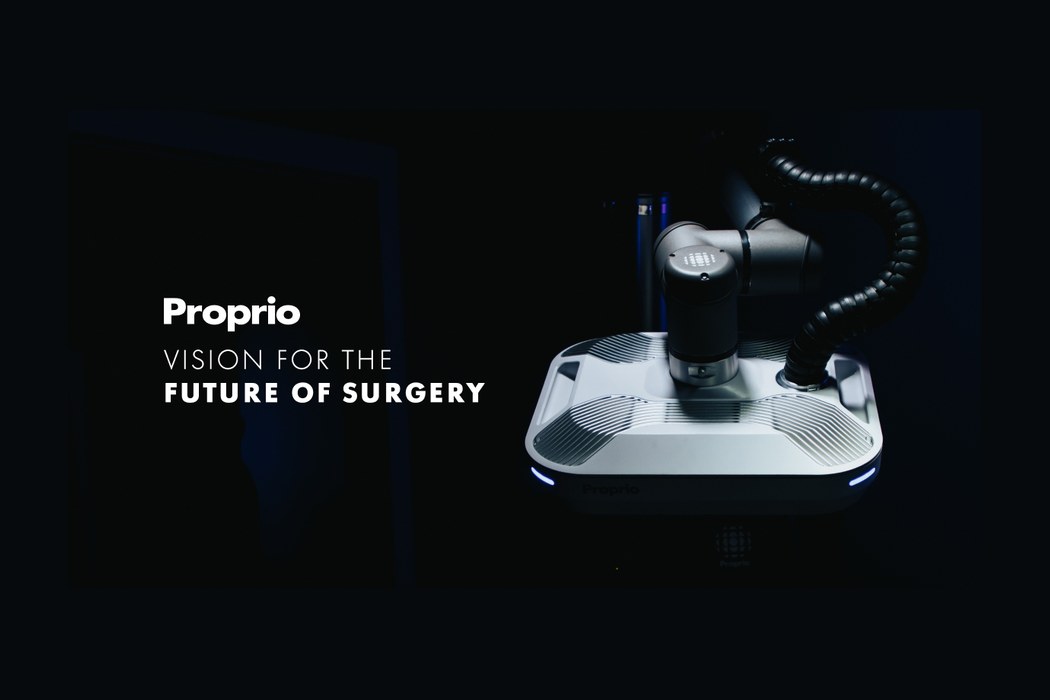
Proprio
Proprio is a Seattle medical technology company building an AI-powered surgical navigation platform, Paradigm, that uses light field imaging, computer vision, and machine learning to give surgeons a continuous, radiation-free 3D view of anatomy during spine surgery. Spun out of the University of Washington in 2016, the company fuses live intraoperative sensing with preoperative scans - a capability it calls Volumetric Intelligence - to improve precision, capture surgical data, and build a foundation model for surgery.
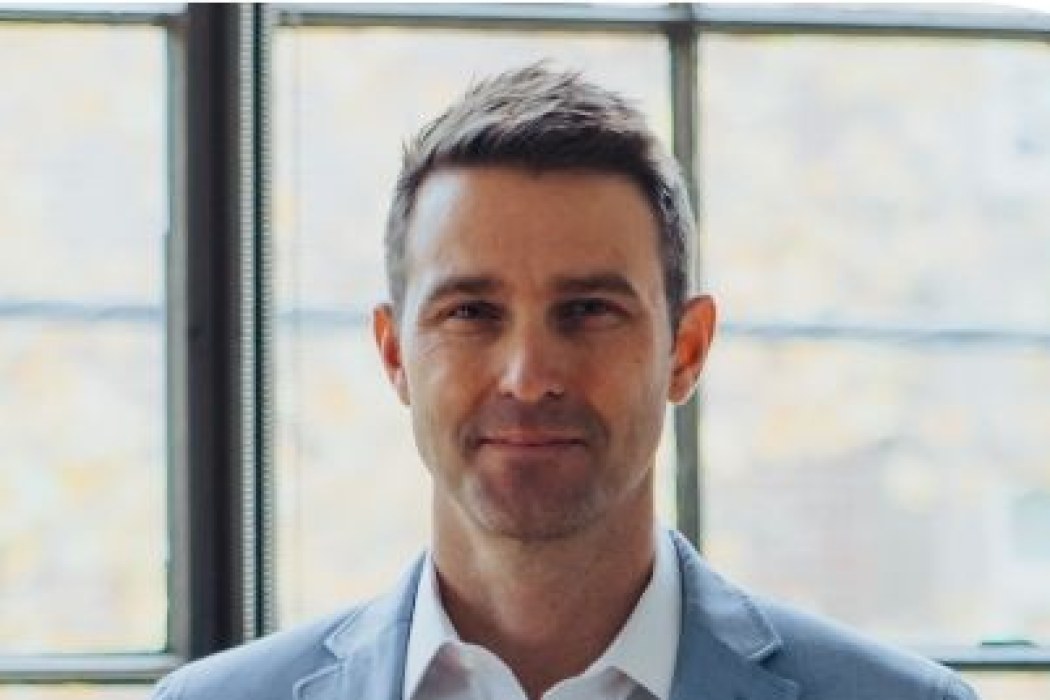
Gabriel Jones
Gabriel Jones is the co-founder and CEO of Proprio, a Seattle medtech company building AI-powered surgical navigation. Its FDA-cleared Paradigm platform combines light-field imaging, real-time AI, and 3D visualization to give surgeons dynamic spatial awareness during spine procedures. Jones took an unusual path to medtech - engineering study in Japan, civil engineering at Taisei, Wall Street M&A, and work with the Bill & Melinda Gates Foundation - before co-founding Proprio in 2016 with a neurosurgeon, a robotics professor, and a computer vision specialist. He frames the mission around a single question: is it possible to do well and do good?

Illuminant Surgical
Illuminant Surgical is a Culver City / Los Angeles medical device startup building Skylight, a real-time anatomical projection system that displays a patient's internal imaging directly onto their skin during surgery. Using AI, computer vision and dynamic projection mapping - technology borrowed in part from entertainment-industry projection artists - the company aims to give surgeons a kind of 'x-ray vision' for spine surgery, cancer biopsies and other image-guided procedures without forcing them to look away from the operating field.
Nervio
Nervio is an Israeli-American digital health company building AIM, an AI-powered intraoperative neuromonitoring (IONM) system that turns raw surgical signal data into real-time alerts and recommendations. Founded in 2020 by brothers Dr. Omer Zarchi and Nir Zarchi, the company aims to prevent avoidable paralysis and nerve injury during spine and neurosurgery at a time when the number of surgeries is climbing and the pool of expert neurophysiologists is shrinking. Nervio operates from Nashville, Tennessee with an R&D center in Israel, and its technology has been developed with input from dozens of neurophysiologists across more than 1,000 surgical cases.

Eldrick Millares
Eldrick Millares is the co-founder and co-CEO of Illuminant Surgical, a Los Angeles deep-tech company building Skylight, the first real-time anatomical projection system. It paints a patient's internal anatomy directly onto their skin so surgeons get a kind of live X-ray vision, no headset required. A Stanford-trained electrical engineer who immigrated from the Philippines to West Virginia, he built sensing systems at Apple and a lidar startup before teaming up with Stanford classmate Dr. James Hu. The pair went through Y Combinator, were named to Forbes 30 Under 30 in Healthcare, and raised an $8.4M seed round in 2026.
Rich Vogel
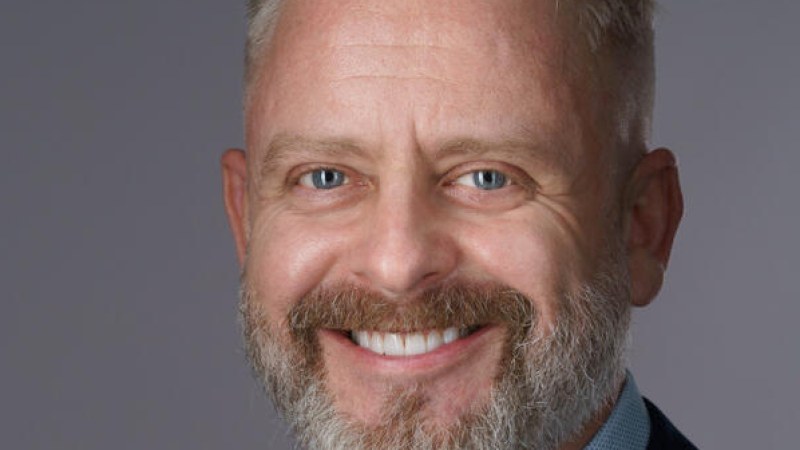
Rich Vogel is the US CEO of Nervio, an Israeli HealthTech startup building the first AI platform designed specifically for intraoperative neurophysiological monitoring (IONM). A board-certified neurophysiologist with PhDs in both neuroscience and psychology, Vogel is a two-time elected president of the American Society of Neurophysiological Monitoring (ASNM) and one of the most widely recognized voices in the field. He has given more than a thousand talks across clinical, academic, and professional audiences, and now leads Nervio's push to turn raw streams of surgical brain-and-spine signals into real-time alerts that help operating-room teams catch neurologic risk earlier.
Robert Masson
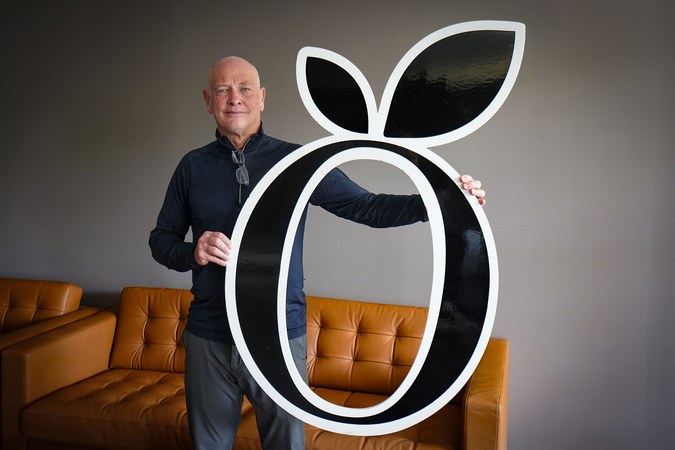
Robert Masson is a neurosurgeon turned founder who runs eXeX (Expanded Existence), an AI and mixed-reality platform that captures surgical mastery and pipes holographic guidance into the sterile field. With more than three decades of spine surgery and 13,000-plus procedures behind him, he made global headlines for bringing the Apple Vision Pro into the operating room as a touch-free logistics tool. He is also the founder of the Masson Spine Institute and, at 52, raced to a podium at the Rolex 24 at Daytona alongside his eldest son.
Benjamin Arnold
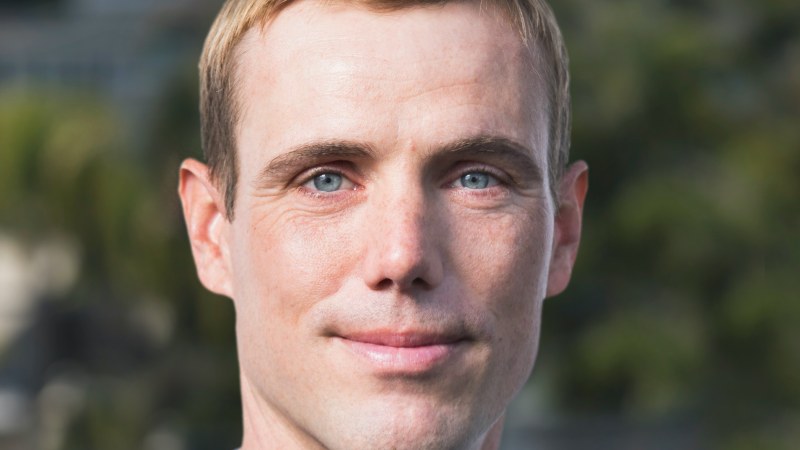
Benjamin Arnold is the co-founder and CEO of COR Medical Ventures, a Solana Beach medical-device venture studio that partners with surgeon-inventors and corporations to push the next generation of orthopedic and spine devices to market. A Cornell-trained engineer who has shepherded more than 25 devices to launch, he sits at the 'center of rotation' the company is named for, running a portfolio of roughly a dozen companies spanning surgical robotics, spinal fixation, fracture hardware, and wearable rehab tech.
Robert Weigle
Robert K. Weigle is a medical device and diagnostics executive with more than 25 years of experience taking healthcare products from pre-clinical research to commercial launch. He is CEO of NOW Diagnostics, an independent board member of Tenon Medical, and a former entrepreneur-in-residence at DigitalDx Ventures. He led Benvenue Medical as CEO for over a decade, raising more than $200 million and launching spine devices in two markets, and later ran saliva-based diagnostics companies focused on cancer detection. His career spans Fortune 500 names like Johnson & Johnson and Baxter as well as a string of venture-backed startups.

Cerapedics Inc.
Cerapedics is a commercial-stage ortho-biologics company that engineered a synthetic 15-amino-acid peptide, P-15, to coax the body into building bone faster. Its FDA-approved i-FACTOR is used in cervical spine fusions, and its 2025 PearlMatrix approval made it the first and only proven bone growth accelerator cleared for lumbar fusion.