spine-surgery
(7)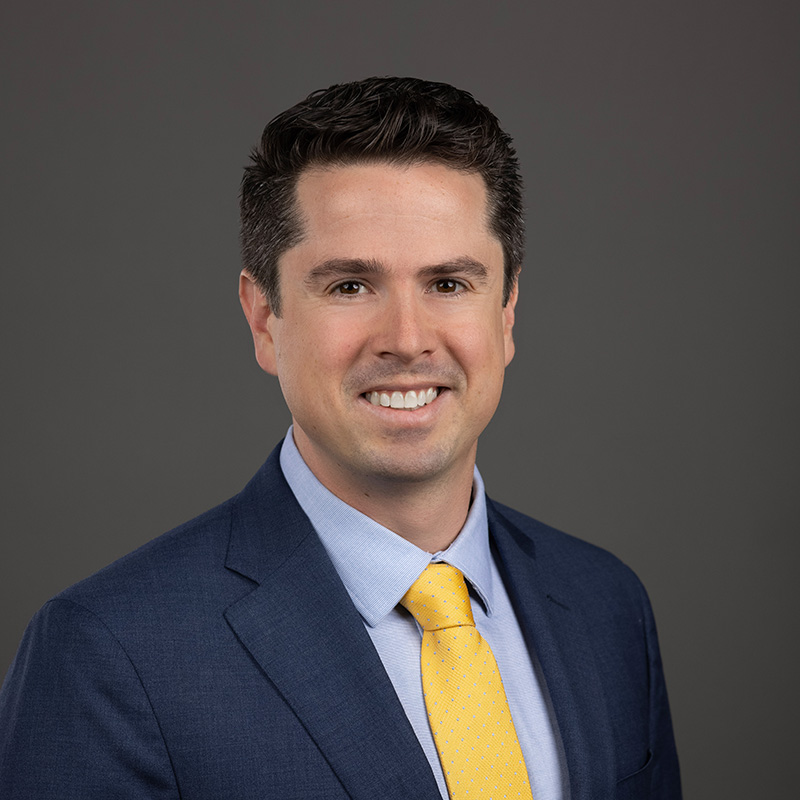
Adam Azzara
He turned a fiddly, high-stakes moment in spine surgery into a business - and put a small Austin device company on shelves next to Medtronic.
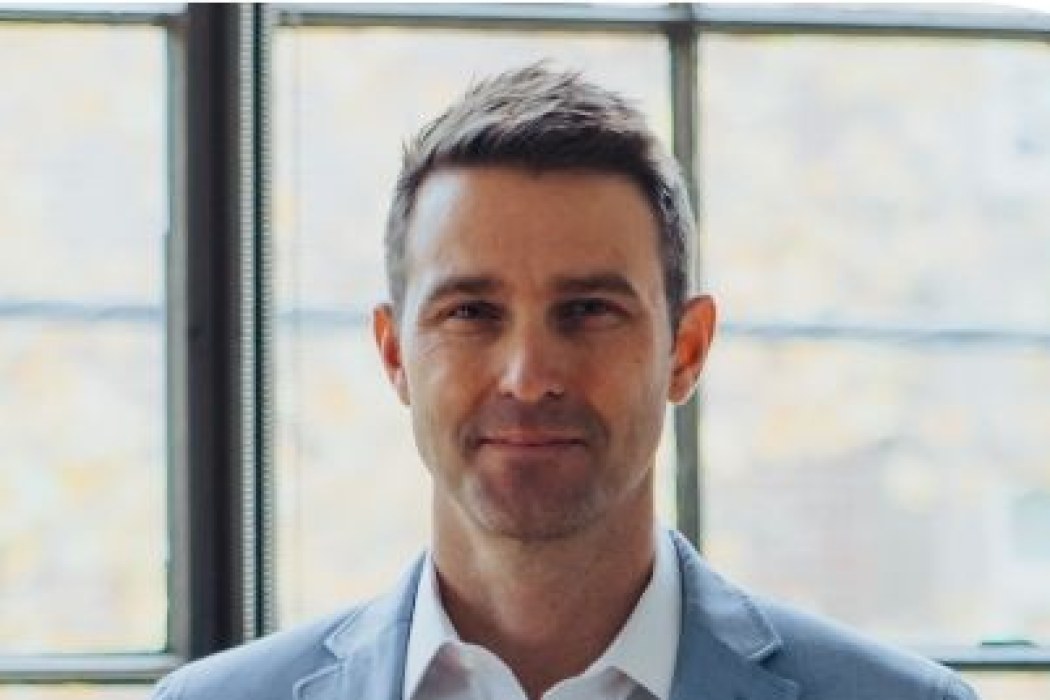
Gabriel Jones
Gabriel Jones is the co-founder and CEO of Proprio, a Seattle medtech company building AI-powered surgical navigation. Its FDA-cleared Paradigm platform combines light-field imaging, real-time AI, and 3D visualization to give surgeons dynamic spatial awareness during spine procedures. Jones took an unusual path to medtech - engineering study in Japan, civil engineering at Taisei, Wall Street M&A, and work with the Bill & Melinda Gates Foundation - before co-founding Proprio in 2016 with a neurosurgeon, a robotics professor, and a computer vision specialist. He frames the mission around a single question: is it possible to do well and do good?

Eldrick Millares
Eldrick Millares is the co-founder and co-CEO of Illuminant Surgical, a Los Angeles deep-tech company building Skylight, the first real-time anatomical projection system. It paints a patient's internal anatomy directly onto their skin so surgeons get a kind of live X-ray vision, no headset required. A Stanford-trained electrical engineer who immigrated from the Philippines to West Virginia, he built sensing systems at Apple and a lidar startup before teaming up with Stanford classmate Dr. James Hu. The pair went through Y Combinator, were named to Forbes 30 Under 30 in Healthcare, and raised an $8.4M seed round in 2026.
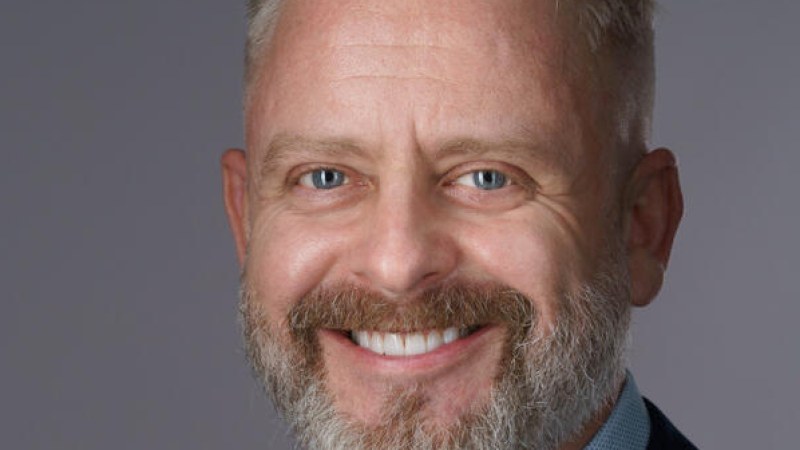
Rich Vogel
Rich Vogel is the US CEO of Nervio, an Israeli HealthTech startup building the first AI platform designed specifically for intraoperative neurophysiological monitoring (IONM). A board-certified neurophysiologist with PhDs in both neuroscience and psychology, Vogel is a two-time elected president of the American Society of Neurophysiological Monitoring (ASNM) and one of the most widely recognized voices in the field. He has given more than a thousand talks across clinical, academic, and professional audiences, and now leads Nervio's push to turn raw streams of surgical brain-and-spine signals into real-time alerts that help operating-room teams catch neurologic risk earlier.
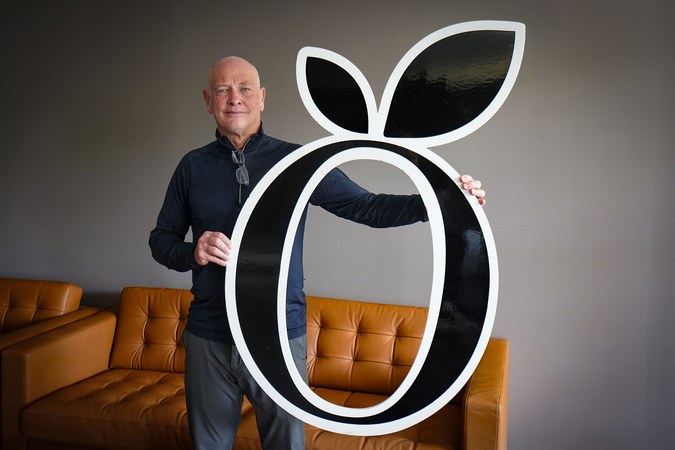
Robert Masson
Robert Masson is a neurosurgeon turned founder who runs eXeX (Expanded Existence), an AI and mixed-reality platform that captures surgical mastery and pipes holographic guidance into the sterile field. With more than three decades of spine surgery and 13,000-plus procedures behind him, he made global headlines for bringing the Apple Vision Pro into the operating room as a touch-free logistics tool. He is also the founder of the Masson Spine Institute and, at 52, raced to a podium at the Rolex 24 at Daytona alongside his eldest son.
Benjamin Arnold
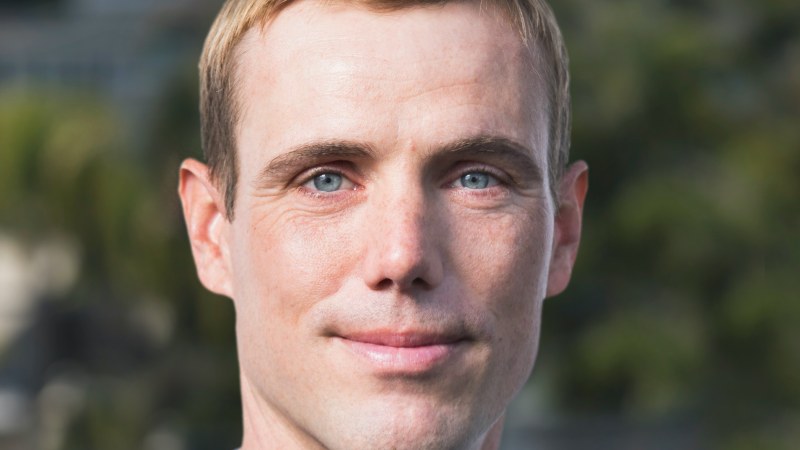
Benjamin Arnold is the co-founder and CEO of COR Medical Ventures, a Solana Beach medical-device venture studio that partners with surgeon-inventors and corporations to push the next generation of orthopedic and spine devices to market. A Cornell-trained engineer who has shepherded more than 25 devices to launch, he sits at the 'center of rotation' the company is named for, running a portfolio of roughly a dozen companies spanning surgical robotics, spinal fixation, fracture hardware, and wearable rehab tech.
Robert Weigle
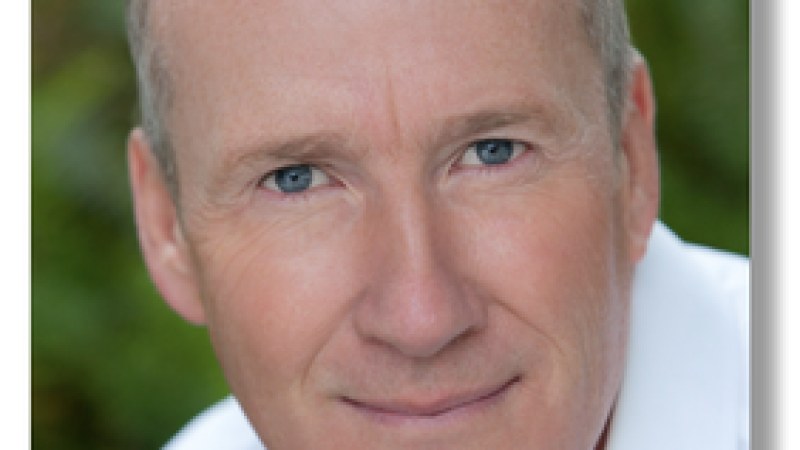
Robert K. Weigle is a medical device and diagnostics executive with more than 25 years of experience taking healthcare products from pre-clinical research to commercial launch. He is CEO of NOW Diagnostics, an independent board member of Tenon Medical, and a former entrepreneur-in-residence at DigitalDx Ventures. He led Benvenue Medical as CEO for over a decade, raising more than $200 million and launching spine devices in two markets, and later ran saliva-based diagnostics companies focused on cancer detection. His career spans Fortune 500 names like Johnson & Johnson and Baxter as well as a string of venture-backed startups.