specialty-coffee
(15)
The Coffee Shop That Outgrew Its Own Idea
Blank Street conquered the coffee run by making the cafe smaller, faster and easier to repeat. Then the customers arrived with a different request: somewhere to stay.
The Swiss Company That Bet Everything on One Cup of Coffee
JURA quit irons, radios and toasters to make one thing - a machine that turns whole beans into a fresh cup on demand. It worked: a Swiss village factory is now a premium name in about 50 countries.
The Chemical Engineer Who Roasted Her Way From a Kitchen in Rural Virginia to a National First
Candy Schibli left engineering and international development to build Southeastern Roastery - now the first Black-woman-owned certified organic coffee co-packer in the country. The method is part chemistry, part conservation.
The Coffee Chain That Grew by Giving Up Its Stores
BIGGBY built a 460-plus-cafe system without keeping a portfolio of company stores. Its wager is that local owners, playful drinks and a traceable supply chain can make a regional brand feel personal at scale.
The Coffee Chain That Puts a Bean on Top
Founded in a Southern Oregon parking lot in 1998, The Human Bean built a 260-location drive-thru empire on fast espresso, direct-trade beans, and an October fundraiser that has pulled in more than $4 million for breast cancer causes.
The 4,000-Café Bakery That Is Quietly Rebuilding America’s Neighborhood Cake Counter
Paris Baguette’s name points to France, its operating system comes from South Korea, and its growth plan is unmistakably North American. The result is a bakery-café built to make an everyday pastry run feel like an occasion - then repeat it hundreds of times.
Black Rock Coffee Bar
Black Rock Coffee Bar grew from a 160-square-foot Oregon stand to 200 company-run stores by selling two kinds of fuel: small-batch coffee and a brightly flavored energy drink that now supplies roughly a quarter of revenue. Its next test is whether a culture built at the drive-thru window can travel as fast as the real estate pipeline.
Summer Moon Coffee
How a family auction bid on a 19th-century roaster turned into Texas' original oak-roasted coffee - and a Moon Milk cult that now stretches across a dozen states.
Peet's Coffee
The Berkeley roaster taught America to expect more from a cup. Sixty years later, its harder trick is carrying that craft from a hand-roasted batch to grocery aisles, subscriptions and airplane trays without turning it into mere nostalgia.
Dutch Bros Coffee
The Oregon drive-thru that turned a pushcart, a windmill logo and a blue energy drink into a $1.6 billion coffee company - one Rebel at a time.
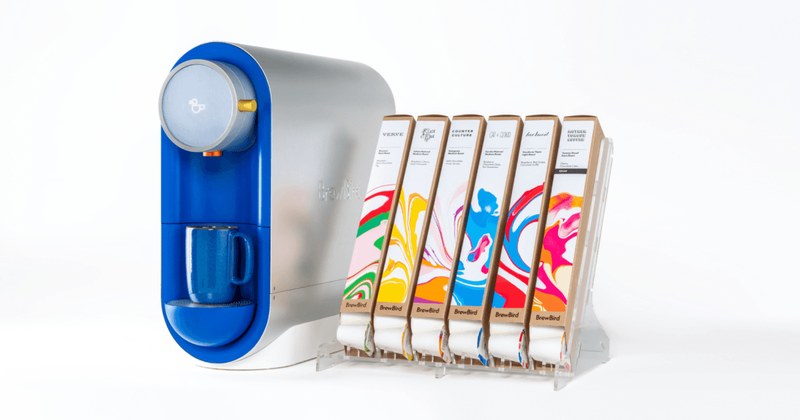
BrewBird
BrewBird is a San Carlos, California hardware and coffee company that reinvents office coffee. Its countertop machine brews specialty, whole-bean, pour-over-quality coffee in about 60 seconds using fully compostable pods filled with beans from local roasters like Sightglass, Verve and Equator. Each pod carries a QR code that tells the machine the exact water temperature and brew time for the beans inside. Founded in 2019 by CEO Mickey Du, BrewBird sells to offices and hospitality spaces - customers include Meta, LinkedIn and Salesforce - and has raised a $32M Series A led by investors including Sequoia Capital.

Rarebird, Inc.
Rarebird is a New York and San Leandro-based specialty coffee company that replaces caffeine with paraxanthine (Px), the natural metabolite your body turns caffeine into. Founded by bioengineer Dr. Jeffrey Dietrich, Rarebird uses a patented reverse-infusion process to load 60mg of Px into single-origin Colombian decaf beans, promising alertness and focus without the jitters, anxiety, cortisol spikes, or wrecked sleep. Backed by Y Combinator, AgFunder, First Round Capital and the National Science Foundation, Rarebird is trying to make Px 'the third coffee' - a category alongside regular and decaf.
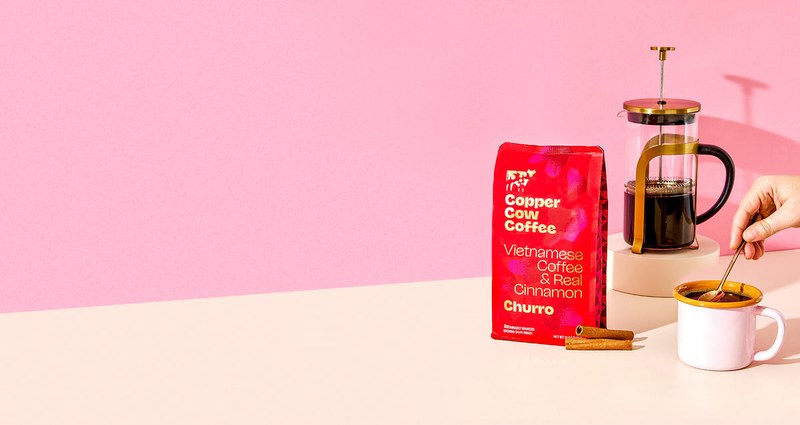
Copper Cow Coffee
Copper Cow Coffee is a California-based specialty coffee company reimagining traditional Vietnamese coffee for the American market. Founded by Vietnamese-American entrepreneur Debbie Wei Mullin, it sells single-serve pour-over pouches, flavored ground coffees, and latte kits paired with sweetened condensed milk creamers, all made with real ingredients and beans sourced from organic, sustainable Vietnamese farms where growers are paid roughly double the market rate. The women- and AAPI-owned brand has grown from a garage operation into a product sold in thousands of retail stores nationwide.
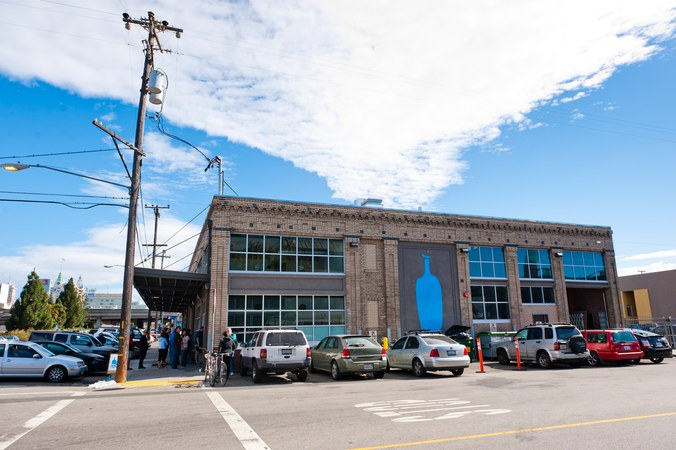
Blue Bottle Coffee
Blue Bottle Coffee is an Oakland-born specialty roaster and cafe chain that helped define the third-wave coffee movement. Founded in 2002 by clarinetist James Freeman, it built a reputation on freshly roasted single-origin beans, an obsessive 48-hour freshness rule, and a spare, Japanese-influenced cafe aesthetic. It now runs roughly 140 cafes across the US and Asia plus a sizable e-commerce and subscription business, and changed hands in 2026 when Centurium Capital agreed to buy its retail operations from Nestle.
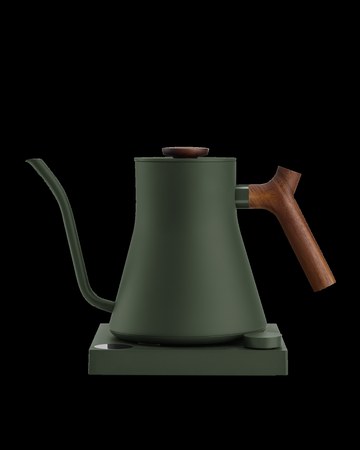
Fellow
Fellow makes design-led gear for people who take their home coffee seriously - the gooseneck Stagg EKG kettle, the Ode and Opus grinders, vacuum-insulated travel mugs, and a roaster-rotating subscription called Fellow Drops. Founded by Jake Miller in 2013 after a Stanford d.school project, it bootstrapped its way from Kickstarter to a $30M Series B in 2022.