Company · Food & Beverage
The Coffee Chain That Puts a Bean on Top
Founded in a Southern Oregon parking lot in 1998, The Human Bean built a 260-location drive-thru empire on fast espresso, direct-trade beans, and an October fundraiser that has pulled in more than $4 million for breast cancer causes.
Order a latte at almost any coffee shop and it lands on the counter with a lid and a wave. Order one at The Human Bean and it comes back with something extra floating on the foam: a single chocolate-covered espresso bean. The garnish is small, deliberate, and, over 27 years, has done more brand work than most marketing budgets. It is the reason for the pun in the name, the tagline printed on the cups, and the promise the company keeps at every drive-thru window.
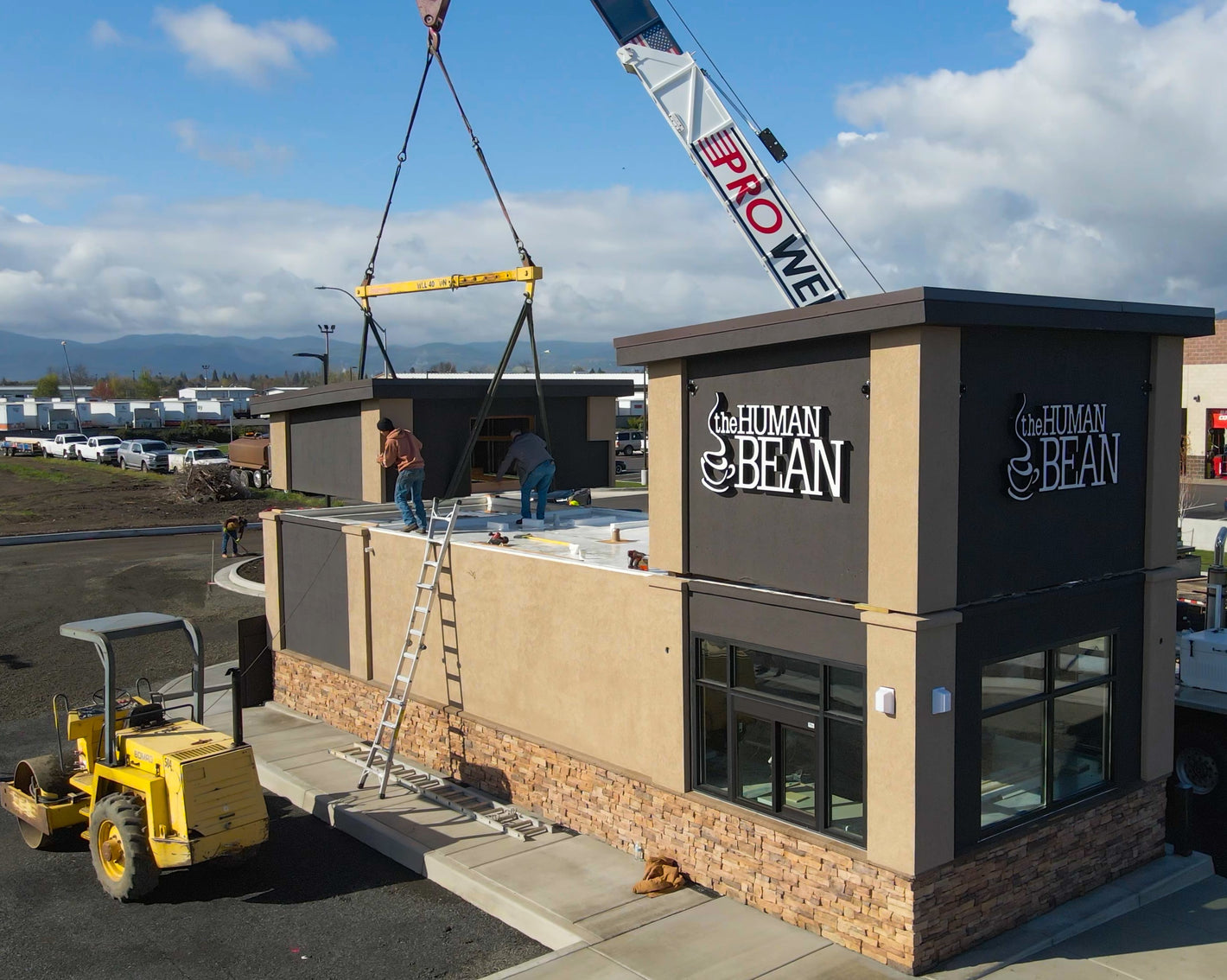
The Human Bean is a drive-thru specialty coffee franchise. It was started in 1998 in Ashland, Oregon, by two married couples who happened to be longtime friends - Dan and Rhonda Hawkins and Tom and Tami Casey. Their goal was narrow at first: build the best drive-thru coffee company in Southern Oregon. The kiosk model they chose - a small building, two lanes, no dining room - turned out to travel well. Today the company is headquartered in Medford and counts roughly 180 to 200 open locations, with more than 260 open or in development across about two dozen states.
The founding story is unusually plain for a brand this size. There was no venture round, no accelerator, no big idea beyond doing a small thing well. The couples wanted a business that would, in their own framing, "be part of the community, be good and do good, and do right by their customers." They began franchising in 2002, once the format had proven it could be copied without losing what made the first stand work. That patience shows in the numbers: the company has grown steadily for more than two decades rather than sprinting for headlines.
01 / The modelCoffee, minus the couch
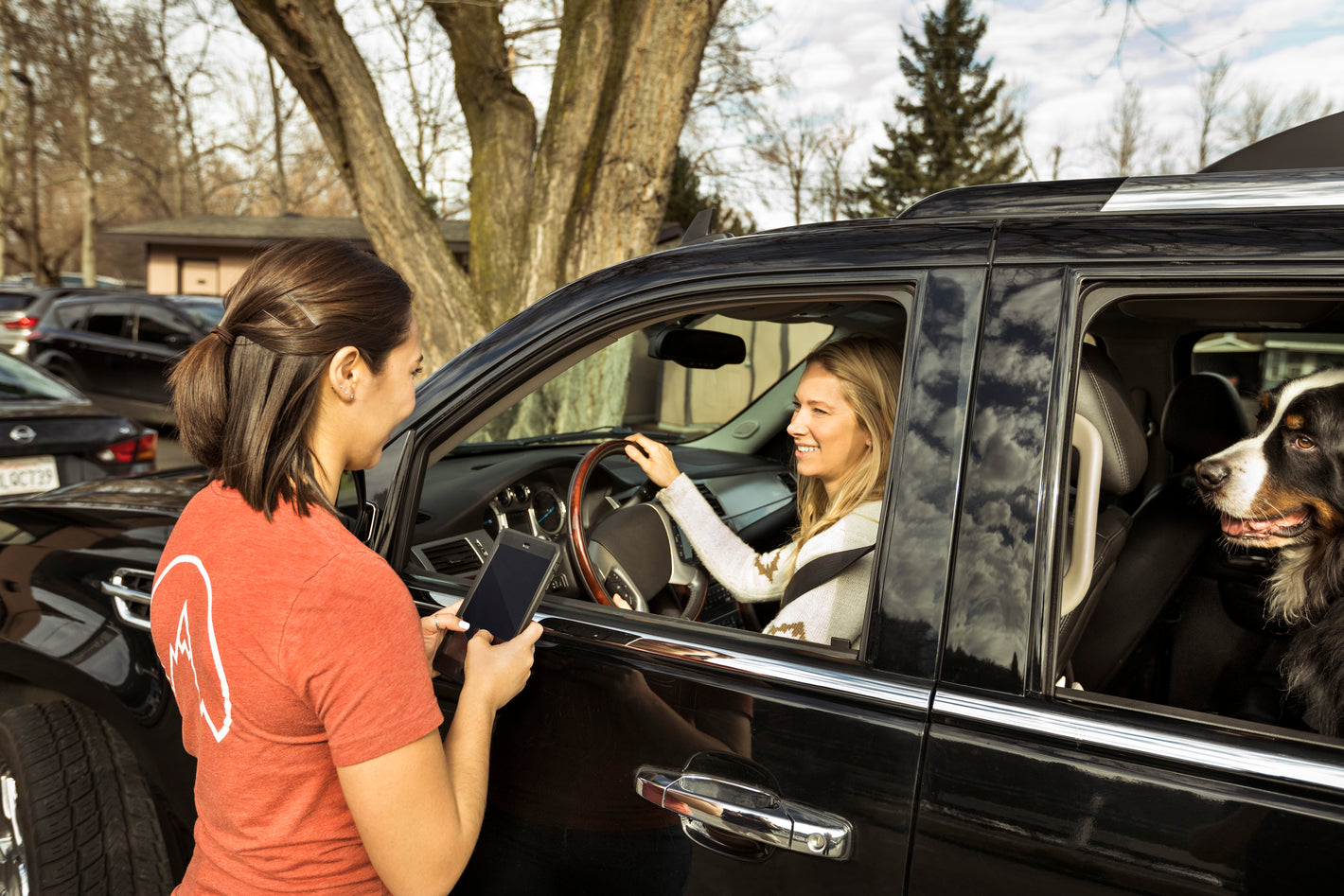
The drive-thru-only format is the whole strategy. There is no seating to fill, no wifi loiterers, no square footage spent on ambiance. What a Human Bean stand sells is throughput: a caffeinated customer in and out in the time it takes to say good morning. That speed is the product as much as the espresso is, and it is why baristas are trained to "line bust" - stepping out to take orders down the queue when cars stack up.
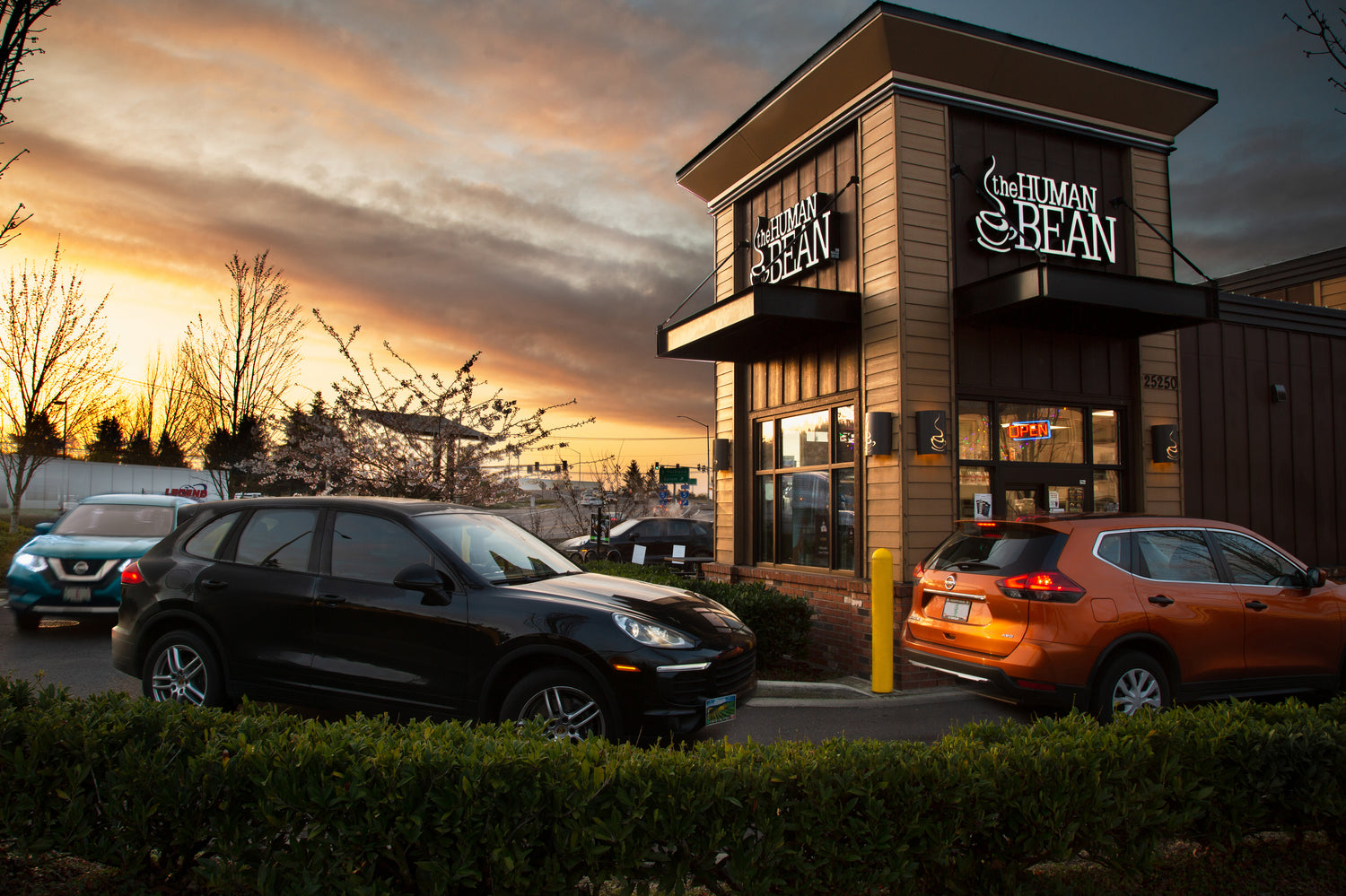
Who is in the lane? The core is the everyday commuter - the 7 a.m. regular who orders the same drink five days a week and treats the window like a checkpoint. But the widened menu has broadened that base. Teenagers and twenty-somethings come for the Bright energy drinks and blended freezes; parents pull through for a smoothie and a Little Beans steamer; afternoon customers who never touch espresso still find something on the board. In a category where the same customer visits again and again, the design goal is less about the single perfect cup and more about being the default stop on a familiar route.
The menu has widened well past drip coffee. Alongside espresso drinks and brewed coffee, the boards now list blended freezes, real-fruit smoothies, hot and iced teas, chai lattes, matcha, steamers, Italian sodas, and the company's own customizable Bright energy drinks. A "Little Beans" kids menu keeps families in the lane. That range matters commercially: it pulls in the younger, non-coffee customer who would otherwise drive past.
02 / The bean supplyBought from the farm, not the floor
Behind the drink is a sourcing program the company calls Farm Friendly Direct. Rather than buy on the commodity market, The Human Bean purchases coffee directly from farmers at above-market prices, and says 100 percent of the premium it pays funds projects in those growing communities. The company points to water treatment work in Guatemala, Tanzania and Kenya, tree planting in El Salvador, and school construction in Papua New Guinea. The beans are roasted in-house on computer-controlled Probat roasters for consistency across every stand.
The name of our company is about personal service. It's about being part of a larger community all the way from our suppliers and farmers, all the way down to our customers.Dan Hawkins, Co-Founder & CEO
03 / The causeAn October that raised $4 million
If there is one thing that separates The Human Bean's public image from its rivals, it is the giving. The flagship is Coffee for a Cure, a breast cancer awareness Giveback Day held every October since 2005. On that day, participating stands donate 100 percent of food and beverage proceeds to local breast cancer foundations. In October 2025 the event marked its 20th year; across those two decades it has raised more than $4.2 million.
The giving does not stop there. A newer St. Jude Giveback Day, first held in 2024, raised over $70,000 in its debut. An Earth Day partnership with Trees for the Future has funded more than 213,000 trees, and an annual food drive counts its output in hundreds of thousands of meal-equivalents. For a franchise, these programs double as marketing that a national ad buy could not replicate - local, repeatable, and tied to the same window customers already visit.
Entrepreneur Franchise 500 rank (lower is better)
04 / The economicsWhat a stand actually costs
The Human Bean makes money two ways: it operates stores and it sells franchises. For an operator, the numbers are public through the company's franchise disclosures. The initial franchise fee is about $30,000, and the total initial investment to open a stand runs roughly $562,000 to $1.29 million depending on location and build. The ongoing brand fee is modest by industry standards - about 1 percent of gross revenue, with room to rise to 2 percent. Reported average unit sales sit near $884,000. Candidates are asked to show around $400,000 in net worth and $200,000 in liquidity.
Franchise investment range, per stand (USD)
On top of unit economics, the company earns from roasting and supplying coffee to its network, retail bean and merchandise sales, and a direct-to-consumer online store. The stack that runs it has been modernized as the fleet grew: in 2025 The Human Bean expanded a brand-wide partnership with Toast for point-of-sale across its stores, and it has worked with Creative Realities on AI-driven, personalized digital drive-thru menus.
05 / The fieldThe drive-thru coffee war
The Human Bean competes in the same small-footprint lane as Dutch Bros - its far larger, publicly traded Oregon neighbor - along with Starbucks, 7 Brew, Scooter's Coffee and Black Rock Coffee Bar. It is not the biggest name in that group and does not try to be. Its position is that of the steady compounder: on Entrepreneur's Franchise 500 for 12-plus consecutive years, it climbed into the top 100 in 2021 and reached #97 for 2026, its best showing yet. Growth has been deliberate rather than explosive, moving from under 70 stores to nearly 200 over the recent stretch.
06 / The peopleA family and a Q Grader
Leadership still runs through the founding families. Dan Hawkins is President and CEO; Tom Casey is Vice President; Scott Anderson serves as COO. Several Hawkins family members hold roles across franchise development, training and operations. The marketing side is run by Janie Page, who joined as Chief Marketing Officer in 2022 after two decades in coffee and foodservice at companies including Farmer Brothers and Cracker Barrel. She is a Certified Q Grader - a formal coffee-tasting credential - which makes her one of the rare marketing chiefs who can actually cup the product she sells.
The Human Bean will continue to stay true to its mission to inspire authentic human connections, one bean at a time.Dan Hawkins, Co-Founder & CEO
That mission line - "to inspire authentic human connections with a bean on top" - reads like a slogan, but it maps cleanly onto the business. The connection is the barista at the window. The bean on top is literal. And the human in the name is the reason a coffee company spends every October giving away a day's revenue. It is a tidy loop, and it has held together from a single Oregon kiosk to a network approaching 300 stands.
For customers, the pitch is simple: a fast, friendly, customizable drink from a company that tells you where the coffee came from and what it does with the money. For an entrepreneur, it is a franchise with transparent economics and a low brand fee in a category that keeps growing. For the towns the stands land in, it is a recurring local fundraiser that happens to sell espresso. Different audiences, same cup - with a bean on top.