social-entrepreneur
(29)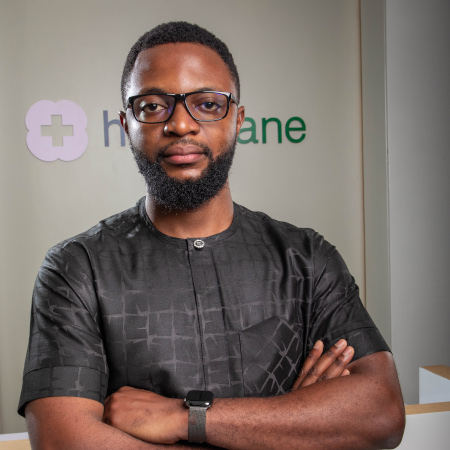
Alain Nteff Built by Following the Signal, Then Learning to Read the Noise
A student project became GiftedMom, a palace invitation became a lesson in scale, and Y Combinator turned two years of fundraising into three concentrated months. Alain Nteff's record is a study in momentum - how to create it, and what it asks of a founder afterward.
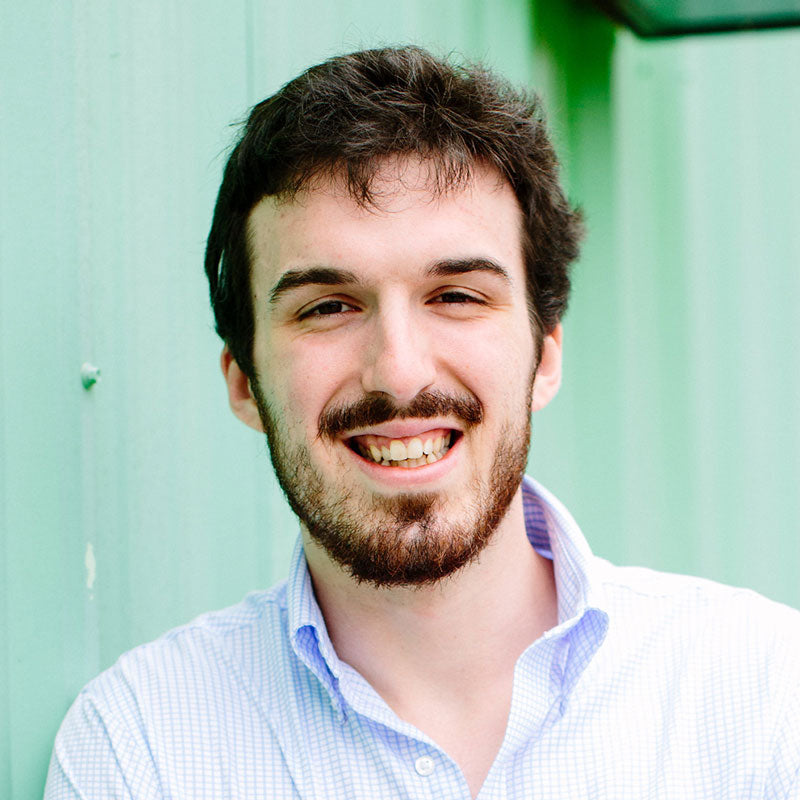
Patrick Mateer Put the Farmers Market in the Freezer
A 6:30 a.m. farmers-market shift showed him the absurdity hiding in plain sight: beloved local fruit, a brutally short selling season, and good harvests with nowhere to go. His answer was a regional cold chain built to make summer last all year.
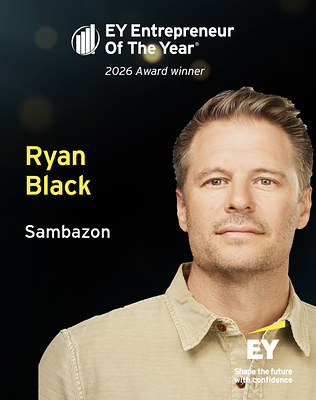
Ryan Black Bet 26 Years on a Berry America Couldn’t Pronounce
A surf trip supplied the idea. A phone book, a credit card and years of unglamorous supply-chain work made it travel.
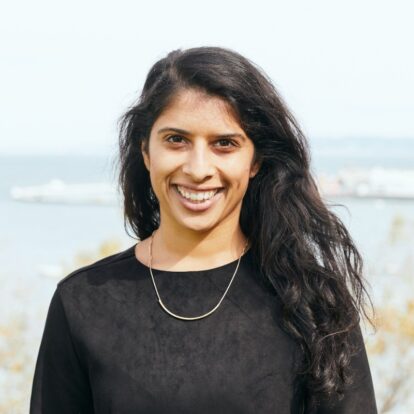
Sona Shah Is Building Medtech for the Hospitals Others Miss
A teaching stint in Kenya and a shelf of idle machines in Uganda changed Sona Shah’s definition of good engineering. Ten years into Neopenda, her playbook starts with context, trust and the unglamorous work after the sale.
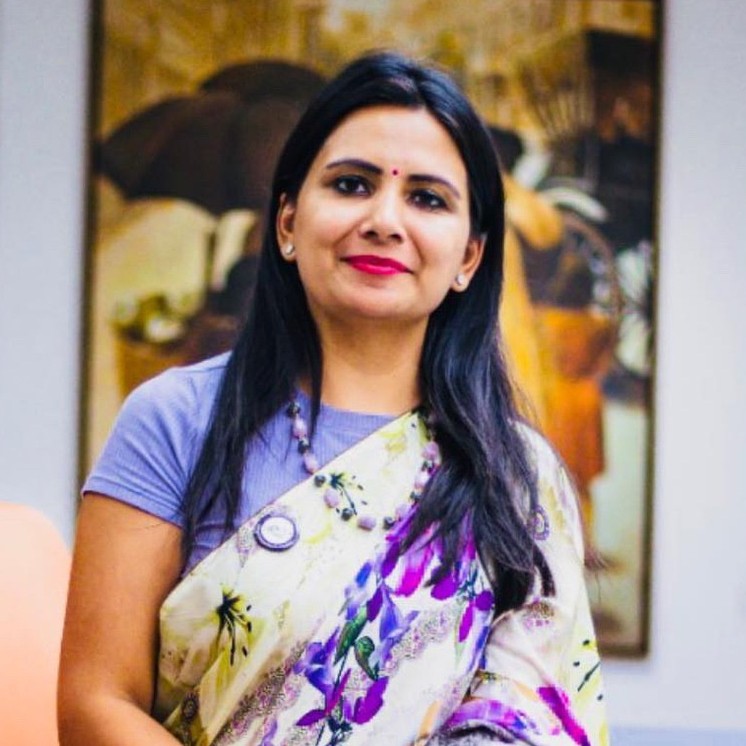
Tripti Shinghal Somani
A chartered accountant who left the comfort of blue-chip advisory work to build an incubator for women who were told, quietly, to expect less - and then to expect more.

Sanjeev Saxena
Sanjeev Saxena is a serial medical-device entrepreneur and engineer who has spent more than 30 years trying to move cancer screening out of expensive central labs and into villages, clinics and pop-up sites. He is founder, CEO and CTO of Harae Dx Corp., a Pleasanton, California startup building a low-cost, portable, automated cancer detection system based on lab-on-a-disc microfluidics. Earlier he founded POC Medical Systems, whose MammoAlert and Pandora CDx platforms brought portable breast-cancer screening to emerging markets, and he co-founded Scanis, Actis Biologics and Telesto Diagnostics. He has raised more than $70 million across his ventures and sits on the board of the Texas Tech Research Park.
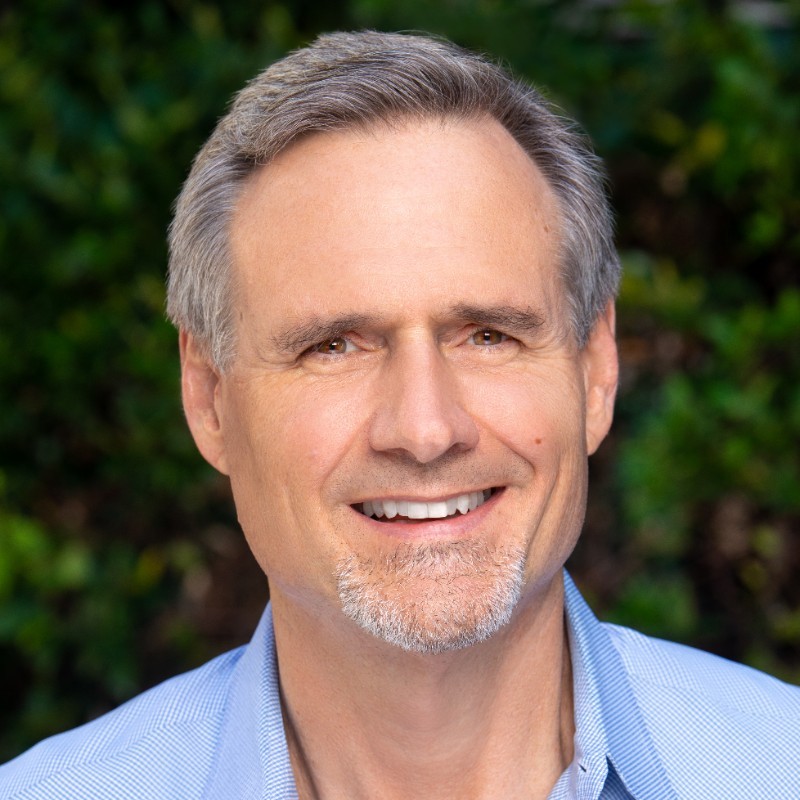
Eric Klasson
Eric Klasson is the founder and CEO of Resilienci.ai, an Austin-based company that uses AI, machine learning and behavioral data to map hyperlocal infectious-disease risk and supply-chain disruption. A longtime entrepreneur and finance executive with a 40-year career spanning Price Waterhouse, PepsiCo and several technology startups, he previously co-founded the social-analytics firm Snaptrends and founded Pandemic Insights. He is also a longtime food-security advocate who has chaired and served on food-bank boards.
Alex Tyink
Alex Tyink is the founder and CEO of Fork Farms, a Green Bay, Wisconsin food-access technology company behind the Flex Farm, a mobile indoor hydroponic system that grows up to 25 pounds of leafy greens a month in nine square feet. A trained opera singer from Appleton who studied voice at Northwestern, he traded a New York vocal-performance career for urban farming after volunteering at a Brooklyn rooftop garden in 2010. Fork Farms now works with more than 5,000 schools, hospitals, food pantries and companies across all 50 states and dozens of countries, and closed a $2 million Series A in 2021.

Nat Ware
Nat Ware is an Australian economist and social entrepreneur, the founder and CEO of Forte, a New York-based company that finances education, reskilling and healthcare at zero cost to individuals or governments. An Oxford PhD and Rhodes Scholar, he invented the Forte (Financing Of Return To Employment) mechanism, where governments repay training costs only out of the additional income-tax revenue that newly employed graduates generate. He earlier built 180 Degrees Consulting into the world's largest consultancy for nonprofits and social enterprises. A Forbes 30 Under 30 honoree and three-time TEDx speaker, he calls his approach trickle-up economics.
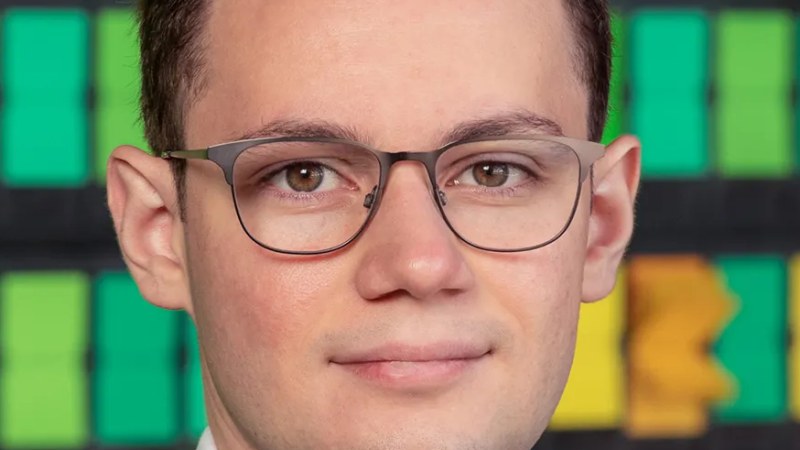
Abdulhamid Haidar
Abdulhamid Haidar is the founder and CEO of Darsel, a nonprofit that teaches K-12 math over text messages. Instead of apps and video that assume reliable Wi-Fi, Darsel runs entirely on WhatsApp, Facebook Messenger and SMS, using AI-powered adaptive algorithms to tutor students in Jordan, India and Nigeria. Built during the 2020 COVID lockdown by a Syrian-American who grew up in a family of teachers, Darsel has had more than 120,000 students answer over 170 million math questions. Haidar holds degrees from MIT, Harvard Kennedy School and Stanford's Graduate School of Business, and previously spent three years at McKinsey. His goal: meaningfully reach 100 million students by 2030.
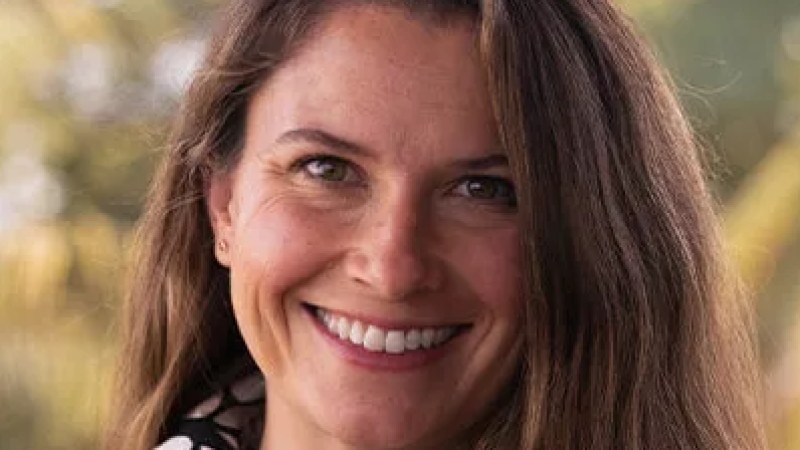
Edith Elliott
Edith Elliott is the co-founder and co-CEO of Noora Health, a global nonprofit that turns hospital waiting rooms into classrooms and trains family members to care for their loved ones after discharge. What started as a Stanford design class project at a Bangalore hospital in 2012 has grown into an organization that has trained more than a million family caregivers across India, Bangladesh, Nepal and Indonesia. A TED speaker, Audacious Project winner and Skoll awardee, Elliott has built her career at the intersection of research, policy and design, betting that the most overlooked resource in any health system is the people already sitting at the bedside.

Jacob Allen
Jacob Allen is the co-founder and CEO of Reportwell, a software startup that turns the slow, paperwork-heavy work of regulatory compliance reporting into a clean, AI-assisted portal, starting with K-12 schools and the agencies that oversee them. He came to the problem the hard way: as the co-founder and CEO of pilotED Schools, a charter network built around identity and sociology, he drowned in state and city compliance reports and decided to build the tool he wished he had. A Teach For America alum, Echoing Green Fellow, and Forbes 30 Under 30 in Education honoree, Allen has spent his career on the conviction that students do better when they understand who they are, and that the adults serving them deserve software that does not get in the way.
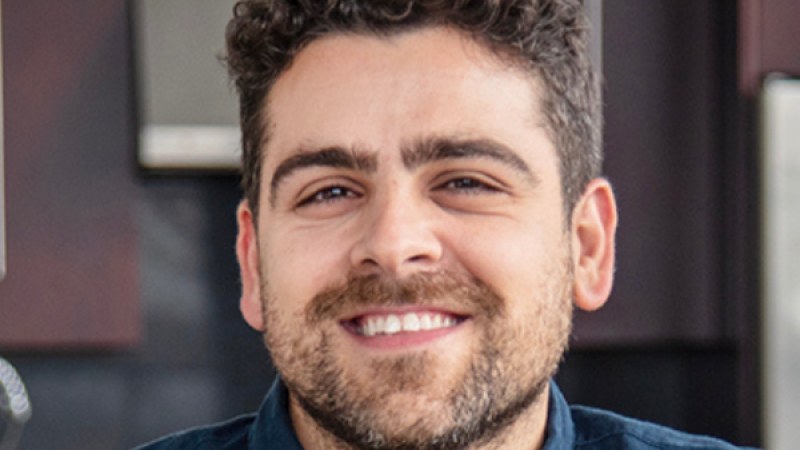
Maen Mahfoud
Maen Mahfoud is the founder and CEO of Replate, a technology-driven food rescue organization he started in 2016 while studying molecular biology at UC Berkeley. Raised in Syria, where his mother sent him out on his bike to deliver the family's surplus lunch to neighbors in need, he came to California to study medicine and instead built a logistics-and-software platform that dispatches drivers to collect leftover food from businesses and route it to nonprofits. Replate has recovered millions of pounds of surplus food, served hundreds of community organizations, and counts Netflix, Walmart, Amazon, Chipotle, and Slack among its corporate donors. He is a 2023 James Irvine Foundation Leadership Award recipient and a DRK entrepreneur.

Rhys Powell
Rhys Powell is the founder and CEO of Red Rabbit, the country's premier Black-owned K-12 school food management company. A Bahamas-raised MIT computer-science graduate who traded equities on Wall Street, he walked away from finance in 2005 to fix what kids eat at school. Red Rabbit now serves roughly 40,000 chef-prepared, culturally relevant, made-from-scratch meals a day to about 20,000 students across some 150 schools in New York, New Jersey and Pennsylvania - treating the cafeteria as a tool for nutrition, dignity and social justice.

Rohan Pavuluri
Rohan Pavuluri is the Chief Business Officer at Speechify, the consumer voice-AI app, and the co-founder of Upsolve, the nonprofit whose free online tool has helped low-income Americans erase hundreds of millions of dollars in debt through bankruptcy. A Harvard statistics graduate and Phillips Exeter alum, he built Upsolve out of a Harvard Law access-to-justice lab as an undergraduate, led it as CEO until 2022, and now serves as its volunteer board chair. He is a TED Fellow, a TIME100 Next honoree, and a Forbes 30 Under 30 recognized for arguing that civil rights should be free.

Shiza Shahid
Shiza Shahid is a Pakistani-American entrepreneur, investor, and activist. She co-founded the Malala Fund with Nobel laureate Malala Yousafzai and served as its founding CEO, then went on to co-found and co-lead Our Place, the cookware brand behind the viral Always Pan. She also founded NOW Ventures, an early-stage fund backing mission-driven founders. Her work braids together social impact, immigrant identity, and the everyday ritual of cooking.
Tiffany Pang
Tiffany Pang is the co-founder and CEO of Outreach Grid (Appledore, Inc.), a software platform that helps cities, outreach workers, law enforcement, and nonprofits coordinate the work of reducing homelessness. A San Francisco native and Yale-trained neuroscientist turned software engineer, she left a Silicon Valley job to build tools that connect the people working on the streets with the agencies that can house and help. Her work earned a spot on Forbes' 30 Under 30 for Social Entrepreneurs, and Outreach Grid has expanded to communities across multiple U.S. states.
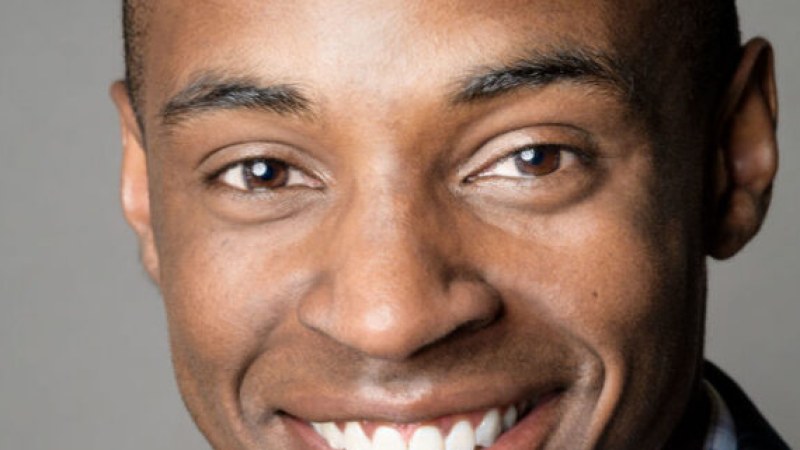
Uzoma Orchingwa
Uzoma 'Zo' Orchingwa is a Nigerian-American social entrepreneur and the co-founder and co-CEO of Emerge Career, an AI-powered workforce development and reentry company that partners with governments to train and place justice-involved and low-income people into high-paying, AI-resilient skilled trades. He previously co-founded Ameelio, a technology nonprofit that broke open the exploitative prison communications industry by offering free letters, calls and education to incarcerated people and their families. A Yale-trained lawyer and Cambridge criminologist who moonlit as a DJ, he has been named to MIT Technology Review's 35 Innovators Under 35 and Fast Company's Most Creative People in Business.

Adam Braun
Adam Braun is the CEO and co-founder of Clarasight, a New York-based AI platform for carbon planning and intelligence that helps large enterprises forecast and reduce emissions. A three-time entrepreneur, he founded the nonprofit Pencils of Promise with $25 on his 25th birthday, growing it to 600+ schools worldwide, then co-founded the debt-free education startup MissionU (acquired by WeWork) and ran WeGrow. He is the New York Times bestselling author of The Promise of a Pencil and a globally rated keynote speaker.
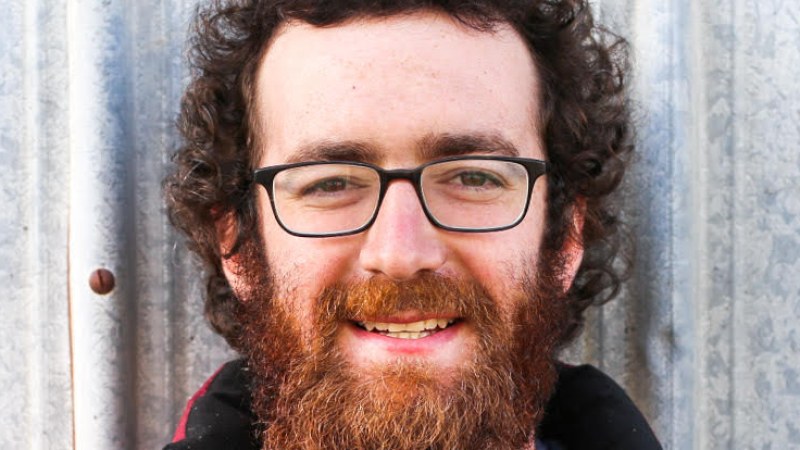
Benjamin Chesler
Benjamin Chesler is the CEO of North Spore, a Portland, Maine company that sells mushroom grow kits, spawn, sterile substrates and fungi wellness products to home and commercial growers. Before mushrooms, he co-founded Imperfect Foods, the grocery delivery startup that rescued cosmetically imperfect produce and recovered more than 250 million pounds of food. A Brown graduate and Forbes 30 Under 30 honoree, he is a self-described systems thinker who got his start co-founding the Food Recovery Network as a college student and later helped build startup programs at Northeastern's Roux Institute.
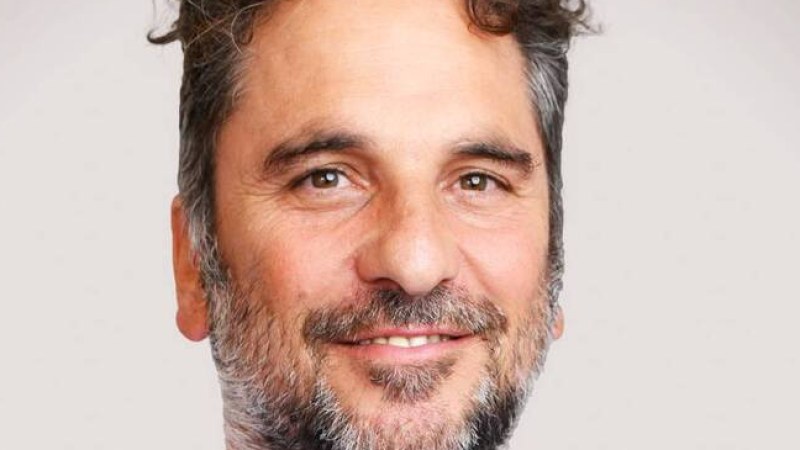
Irad Eichler
Irad Eichler is the founder and CEO of Circles, an app that puts people through the same life challenge - divorce, grief, infertility, caregiving - into small, professionally guided peer support groups they can join from a phone. A serial social entrepreneur who earlier built Shekulo Tov, Israel's largest organization for people with psychiatric disabilities, he was named Social Entrepreneur of the Year by the World Economic Forum. The idea for Circles came from watching his mother, in her final months with cancer, light up most not with him but with a friend who had walked the same road.
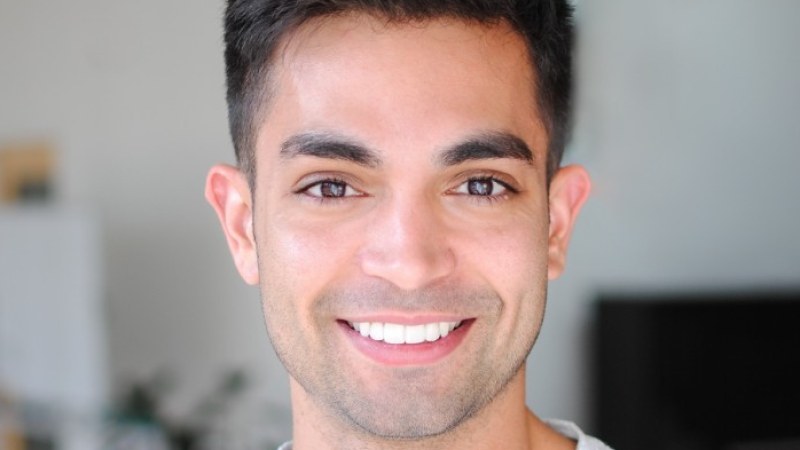
Joe English
Joe English is the co-founder and CEO of Cartwheel, a school-based mental health company he launched in December 2022 to put licensed clinicians and a HIPAA-compliant platform inside K-12 districts. Cartwheel has grown into the largest K-12 mental health telehealth provider in the United States, reaching roughly 350 school districts across 15 states after nearly 300% year-over-year growth and raising a Series B that brought total funding to about $44 million. A Yale graduate and former student body president with an MBA from Harvard Business School, English previously founded the LGBTQ-inclusion nonprofit Hope in a Box and worked as a McKinsey consultant on K-12 education. He grew up on a farm in rural upstate New York, an experience that shaped his belief that schools are the natural front door for reaching kids and families.
Max Meyer
Max Meyer is an American founder and former piano prodigy who built two of Thailand's best-known fintech companies. After winning America's Most Talented Kids at 14, a piano scholarship to Phillips Academy Andover, Harvard, and three years at McKinsey in China, he co-founded the financial-comparison platform Masii in 2016 - the only Thai startup on KPMG's global Fintech100. He is the founder of Siam Digital Lending (SiamDL), a Bank of Thailand-licensed AI lender that raised an oversubscribed $7.8M Series A in 2026 to give working Thais shut out of bank credit fast, fair loans.

Parker Mitchell
Parker Mitchell is the co-founder and CEO of Valence, the New York company behind Nadia, billed as the world's first enterprise AI coach. He spent two decades before that building Engineers Without Borders Canada, the charity he co-founded out of the University of Waterloo in 2000, and advising Fortune 500 leaders at McKinsey. In 2025 Valence raised a $50M Series B led by Bessemer Venture Partners, with Nadia deployed across companies like Delta, Experian, Kraft Heinz and General Mills, having logged more than a million coaching conversations.

Patrick Cook-Deegan
Patrick Cook-Deegan is the founder and CEO of Wayfinder, a K-12 curriculum company that teaches purpose, belonging, and durable skills to more than 1.5 million students across roughly 4,000 schools. A former All-American lacrosse player turned human-rights advocate in Burma, wilderness guide, and Stanford d.school fellow, he built Wayfinder out of five years teaching character development in an Oakland public high school. He named the company after the ancient Polynesian navigators who crossed oceans without instruments - his bet on how to redesign the American high school for the 21st century.
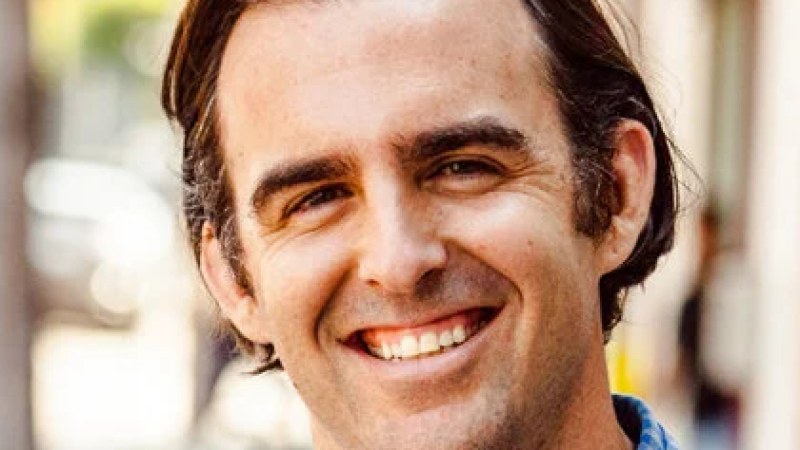
Sam Polk
Sam Polk is the co-founder and CEO of Everytable, a Los Angeles social enterprise that sells fresh, scratch-made meals priced to what a neighborhood can afford. A former hedge fund trader who walked away from a multimillion-dollar Wall Street career, he chronicled that exit in the 2016 memoir 'For the Love of Money' and has since built Everytable into a food-justice company that has raised more than $100 million and distributed millions of affordable meals through grab-and-go stores, SmartFridges, and direct-to-consumer delivery.
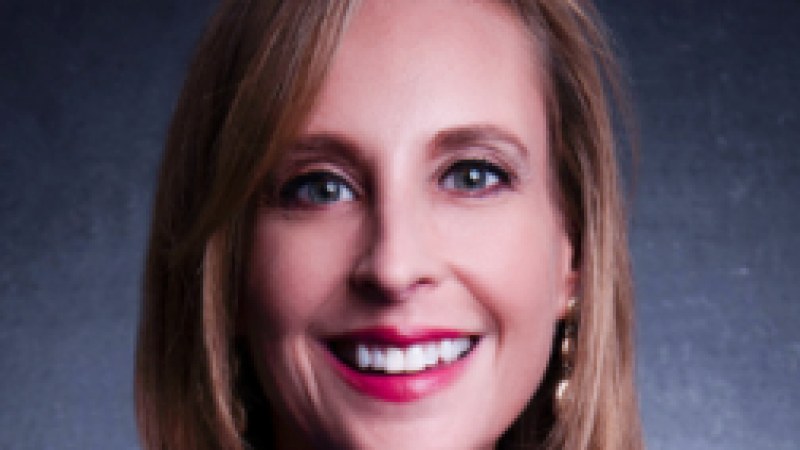
Marissa Fayer
Marissa Fayer is a 25-year medtech executive who runs DeepLook Medical, an AI diagnostics company that helps radiologists spot breast cancer earlier in women with dense breast tissue, which she took from concept through FDA clearance into global commercialization. She is also the founder of HERhealthEQ, a nonprofit that has reached over 128,000 women across 12 countries by deploying medical devices for cancers, maternal health, and cardiovascular disease. A partner at women's-health fund Goddess Gaia Ventures and author of the forthcoming book 'Undervalued to Unavoidable,' she argues women's health is not a charitable cause but economic infrastructure that has been systematically underestimated.
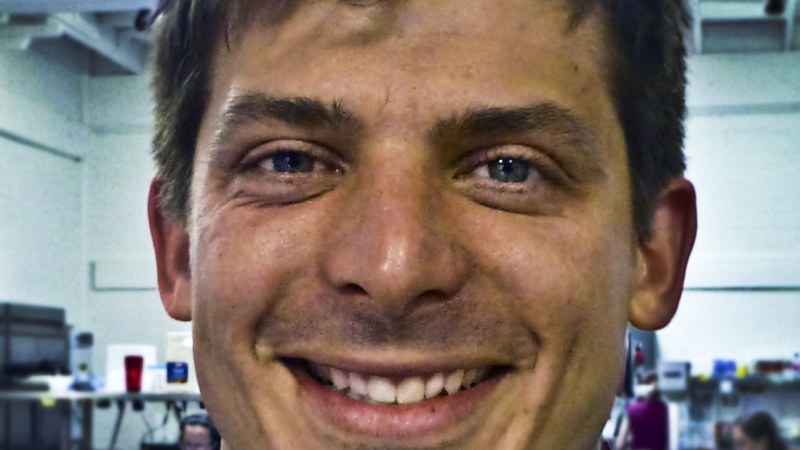
Josh Tetrick
Josh Tetrick is the co-founder and CEO of Eat Just, Inc., the San Francisco-based food technology company behind JUST Egg (a mung bean-based egg substitute) and GOOD Meat (the world's first commercially sold cultivated chicken). Starting with $37,000 of personal capital in 2011, he has raised over $456 million to build a company that simultaneously cracked the plant-based egg market and won the world's first regulatory approval for lab-grown meat in Singapore in 2020. A former Fulbright Scholar, UN initiative leader, and Cornell-educated lawyer turned food disruptor, Tetrick has made it his life's work to prove that removing animals from the food system doesn't mean sacrificing flavor or scale.

Rick Holliday
Rick Holliday is a San Francisco Bay Area real estate developer and social entrepreneur with nearly 50 years of experience building affordable and market-rate housing. He co-founded Factory OS in 2017 to revolutionize multifamily housing production through factory-based modular construction, securing $77.7M in funding from Google, Autodesk, Facebook, and Citi. His career spans co-founding Eden Housing (1978), BRIDGE Housing (early 1980s), and Holliday Development (1988), where he pioneered live-work loft conversions in SoMa. Factory OS, located in a former WWII submarine shipyard on Mare Island in Vallejo, demonstrated 40% faster delivery and 20-30% cost savings over traditional construction.