smart-buildings
(18)
Chris Bontempo Is Teaching a 140-Year-Old Brand New Tricks
He followed a girlfriend to Europe, got fired from his own startup and spent nearly two decades at IBM. Now Chris Bontempo is turning building technology into a story about attention, accountability and AI.

Deb Noller Wants Buildings to Stop Merely Complaining - and Start Fixing Themselves
The software engineer from New Zealand has spent two decades teaching commercial buildings to reveal what they waste. Her next wager is that the useful building will not just spot a fault - it will quietly correct it.

Ron Rock Keeps Taking the Machine Apart
From midnight eggs at Denny’s to sensor networks in airports and factories, the Microshare co-founder has spent four decades making complicated systems useful - usually by opening them up first.

Tim Howard Is Teaching Buildings to Tell the Truth
After three decades in software, the Clemson facilities operator turned a basement experiment into CarbonCents - a company that makes power, water and occupancy data useful before the next utility bill arrives.

Junaith Shahabdeen Put Machine Learning to Work in the Messy Middle
Long before agentic AI became a boardroom phrase, the Zan Compute co-founder was wiring sensors, software and practical economics into the overlooked routines that keep buildings usable.

Maureen Eisbrenner Put Buildings on the Spreadsheet - Then Made the Spreadsheet Useful
The arbnco co-founder spent a decade translating the hidden behavior of buildings into decisions a property owner can actually make. Her story is about an unfashionable advantage: measure first, retrofit second.

Connor Rouan Is Turning the Ceiling Into an Energy Dashboard
The SiteWorx CEO learned the business from installation sites upward. Now he is betting that the most useful climate technology may be the kind a facility manager can see, measure and switch off.

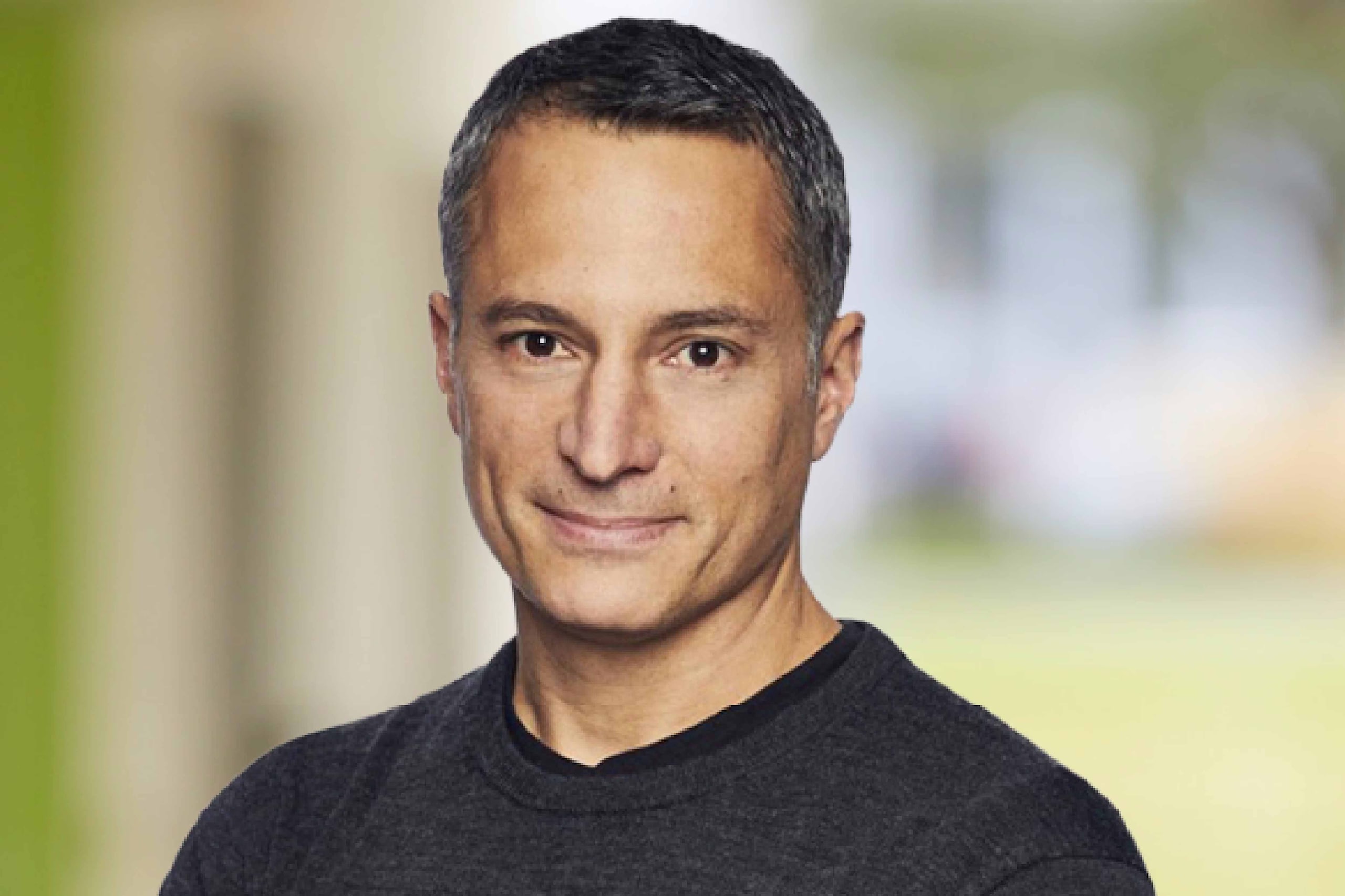
Chen Konfino
Chen Konfino is the founder and CEO of Younity, a New York-based PropTech company that rebuilds the communications backbone of residential and commercial buildings. Founded in 2018, Younity delivers property-wide intelligent WiFi, building-system monitoring, and cyber protection through a single software platform, turning connectivity into a source of net operating income for property owners. Before Younity, Chen was product and IT manager at data-security firm Vaultive, which was acquired by CyberArk, and earlier served in the Israel Defense Forces' Military Intelligence. He blends a security-first engineering mindset with a bet that reliable, always-on connectivity is now core building infrastructure.

Nic Halverson
Nic Halverson is the co-founder and CEO of Occuspace, an occupancy intelligence company that reads Wi-Fi and Bluetooth signals to tell buildings how busy they are without cameras. He started the company in 2017 with roommate Linus Grasel after failing to find a seat at UC San Diego's Geisel Library, and has since deployed the sensors across dozens of universities, Fortune 500 offices, and, most recently, 180 million square feet of federal real estate for the GSA.
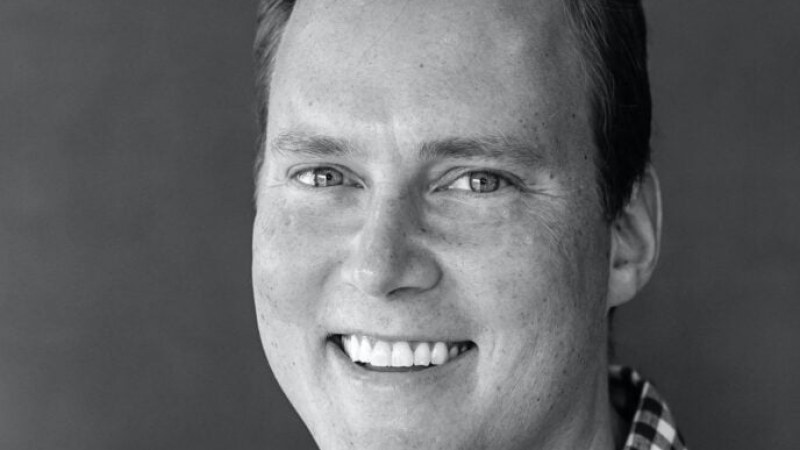
Bryan Bennett
Bryan Bennett is the CEO and founder of Cortex (formerly Cortex Building Intelligence, now Cortex Sustainability Intelligence), a New York-based software company that uses machine learning to cut energy use, costs, and carbon emissions in commercial buildings. Raised in a family that worked commercial real estate for four decades and trained as a management consultant advising utilities on smart-grid technology, Bennett built Cortex around a simple observation: buildings generate thousands of data points every minute, and almost no one was turning that data into action. His software-only platform now optimizes more than 50 million square feet, including the Empire State Building.
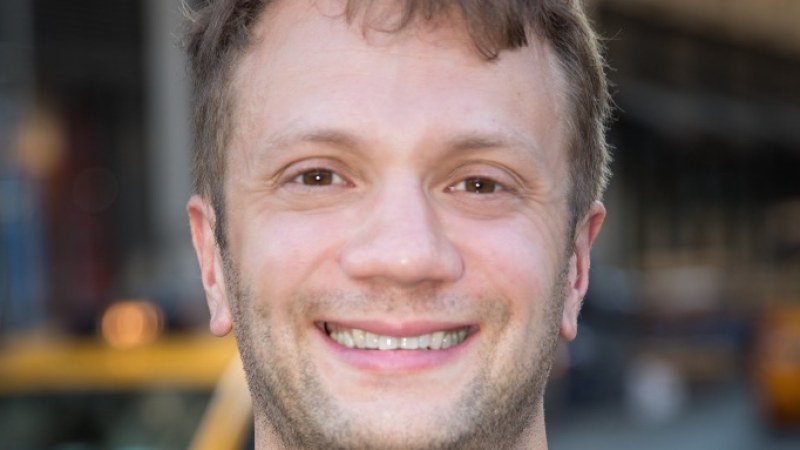
Jeffrey Carleton
Jeffrey Carleton is the co-founder and CEO of Runwise, a New York-based smart-building company that pairs proprietary wireless sensors with cloud software to cut the energy that boilers, cooling, electric and water systems waste. Drawing on seven years spent running 150 New York apartment buildings, he turned a hands-on operator's frustration with 1960s heating controls into a platform now deployed in more than 10,000 buildings, serving roughly 1,000 customers and saving over $100 million in energy costs. In June 2025 Runwise raised a $55 million Series B led by Menlo Ventures, bringing total funding to $79 million, around a thesis Carleton states bluntly: every building needs to be rebuilt with software, not bricks.
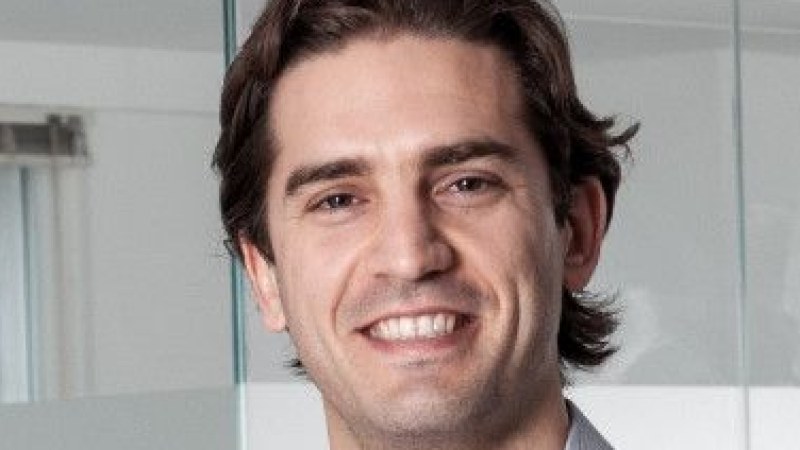
Ege Akpinar
Ege Akpinar is the founder and CEO of Pointr, the indoor location company behind Deep Location, a platform that gives buildings the kind of accurate blue-dot navigation people take for granted outdoors. He started it in 2013 as a Harrods consulting side project, turned it into a venue-mapping engine used by Fortune 100 companies, hospitals, airports and CES, and built an AI mapping system that compresses days of manual map-drawing into minutes.

Dan Ryan
Dan Ryan is the CEO and Co-Founder of VergeSense, the leading occupancy intelligence platform transforming how global enterprises manage their real estate. A serial entrepreneur with a track record in hardware-software integration, Ryan previously co-founded ByteLight (LED-based indoor positioning, acquired by Acuity Brands in 2015) before launching VergeSense in 2017 through Y Combinator. Under his leadership, VergeSense has grown to serve 200+ Fortune 500 companies across 140 million square feet in 50+ countries, raising $82.6 million including a $60M Series C in 2021. Ryan is based in the Miami-Fort Lauderdale area and is recognized as a pioneer at the intersection of physical and digital worlds, building AI-powered tools that help companies make data-driven decisions about office space, sustainability, and hybrid work strategy.

Timo Korpela
Timo Korpela is CEO of Haltian Inc. and VP of Sales for North America at Haltian, the Finnish IoT pioneer behind the Thingsee sensor platform and the 'Empathic Building' concept. Raised under the Northern Lights in Finnish Lapland and educated at Helsinki University of Technology, he bridges the precision of Nordic engineering with the deal-making culture of Silicon Valley. Operating from Palo Alto, he drives Haltian's North American growth - a market that accounts for roughly a third of the company's revenue - while negotiating global partnerships with Cisco, Microsoft, and healthcare systems across three continents.
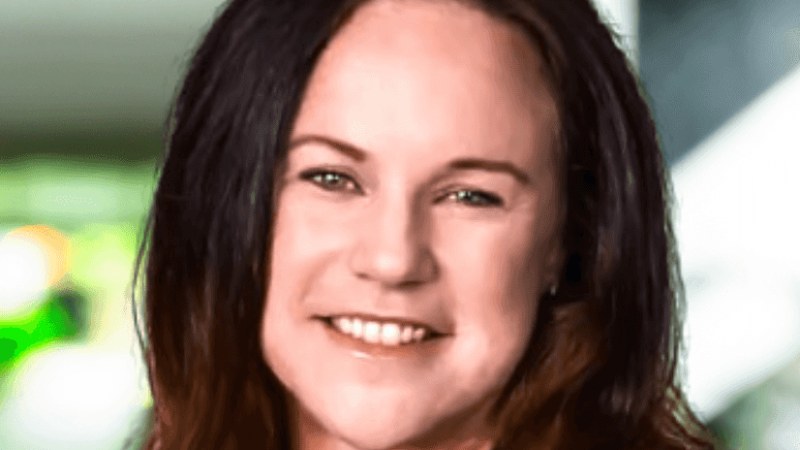
Jennifer Nuckles
Jennifer Nuckles is the Chairperson and CEO of R-Zero, a San Francisco-based smart building technology company that deploys UV-C light, IoT sensors, and AI to make indoor environments safer, healthier, and more energy-efficient. With 25+ years spanning consumer goods giants (Clorox), social gaming (Zynga), digital health (Doctor on Demand), and fintech (SoFi), she is one of the rare executives who has led marketing and operations at scale across radically different industries. She took the helm at R-Zero in October 2022, raised a $105M Series C, and is on a mission to fix the fact that we spend 90% of our lives inside buildings that were never designed to keep us healthy.
Mark Chung
Mark Chung is the co-founder and CEO of Verdigris Technologies, a Mountain View-based AI company that provides circuit-level electrical intelligence for mission-critical data centers and commercial buildings. A Stanford-trained electrical engineer who spent 15 years designing chips at AMD, PA Semi (Apple), and NetLogic (Broadcom), Chung founded Verdigris in 2011 after a $560 electricity bill sparked an obsession with making buildings as transparent as spreadsheets. Today, Verdigris monitors 2+ gigawatts of peak demand across 20 million square feet of facilities for clients like T-Mobile, Verizon, NVIDIA, and Google, using 8kHz waveform sensors that detect equipment failures up to 21 days before they cause outages.
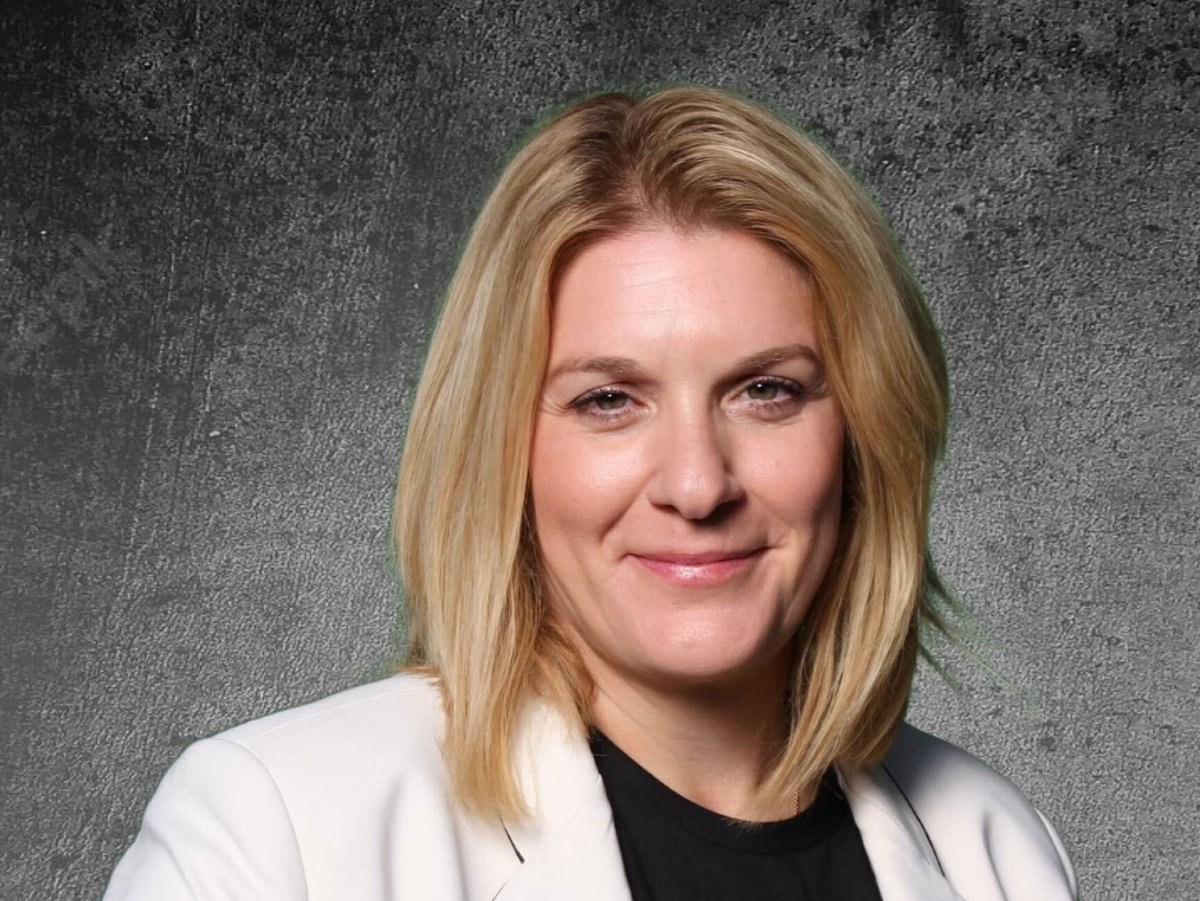
Tina D'Agostin
Tina D'Agostin is the CEO of Alcatraz AI, a Cupertino-based company building AI-powered facial authentication for physical access control. With 25+ years in security technology spanning Johnson Controls, Niscayah (Stanley), and executive roles at the intersection of hardware and enterprise software, she leads a company that protects over five million employees at Fortune 500 firms, data centers, airports, and stadiums - positioning Alcatraz as 'the Face ID for physical spaces.' Under her leadership, the company raised a $50M Series B in April 2026, bringing total funding to over $100 million.

Honghao Deng
Honghao Deng is the CEO and co-founder of Butlr, a San Francisco-based Physical AI company that uses anonymous thermal sensors to understand how spaces are occupied - without cameras or personal data. A Harvard GSD MDes graduate and MIT Media Lab researcher, Deng spun Butlr out of MIT in 2019 alongside co-founder Jiani Zeng. The company has raised over $105M in venture funding, deployed 30,000+ sensors across 22 countries, and processes 1 billion data points daily. Deng is a Forbes 30 Under 30 honoree (2022), a World Economic Forum Technology Pioneer, and the inventor of 'Illusory Material' - a multi-material 3D printing breakthrough named one of TIME Magazine's 100 Best Inventions of 2021.