self-service-kiosks
(13)
Bite makes the case for a more hospitable screen
The restaurant kiosk company sells a better way to order. Its customer stories reveal why the real work begins before anyone touches the glass.
KIOSK Information and the Door That Wouldn’t Quit
A returns kiosk is a promise made in steel: do the boring job, again and again. KIOSK Information Systems has spent three decades learning what it takes to keep that promise.

The Ladder, the Thumb Drive, and the Menu That Wouldn’t Wait
A pizza shop’s awkward menu update explains Displai’s larger bet: make every screen in a physical business as editable as a web page, then learn whether anyone looked.
The 14,000-kiosk machine hiding behind your lunch break
From McDonald's orders to Premier Inn check-ins, Evoke Creative builds the screens that quietly move people through the day - then keeps the hardware, software and service under one roof.
The Restaurant Control Room Built for Friday Night
Andromeda POS spent a quarter-century turning restaurant chaos into one queue. Its real product is not the till - it is the handoff from order to oven to driver, especially when Friday night goes sideways.

Vita Mojo Built a Restaurant. The Software Ate the Business.
The London foodtech company began with personalised lunches and no cashiers. Then restaurant operators made the founders an offer they could not ignore: forget the bowls, sell us the operating system.

Tillster Bet the Restaurant Would Become Software. Now It Quietly Runs 180 Million Orders a Year.
The Los Angeles company spent two decades turning the humble order screen into a commerce engine. Its real trick is less visible: making kiosks, apps, loyalty, delivery and aging restaurant systems behave like one machine.

Signifi Put the IT Desk in a Box - Now 2.64 Million People Use Its Machines Every Day
The Mississauga company spent two decades turning vending hardware into enterprise infrastructure. Its useful trick is not the locker - it is owning the hardware, workflow software and support around it.
Checkmate
Checkmate (ItsaCheckmate.com Inc.) is a New York-based restaurant technology company that connects digital ordering channels to a restaurant's point-of-sale system. Founded in 2016 by Vishal Agarwal, its platform pipes orders from third-party marketplaces like DoorDash and Uber Eats directly into the POS, lets operators manage menus across dozens of channels from one dashboard, and now extends into first-party web and app ordering, self-service kiosks, voice AI for phone and drive-thru, catering, loyalty, and accounting reconciliation. The company reports more than 23,000 live restaurant locations and 130+ integrations, and raised a $10M Series B led by Tiger Global in October 2024.

Fingermark
Fingermark is a New Zealand technology company that builds purpose-built AI, computer vision, and digital signage for quick-service restaurants. Its platform turns existing store cameras into operational intelligence (Eyecue), powers self-service ordering kiosks (Supersonic), and centrally manages digital menu boards (Supernova) - helping global chains like McDonald's, KFC and Yum! Brands serve customers faster and lift order accuracy and value.
Revi
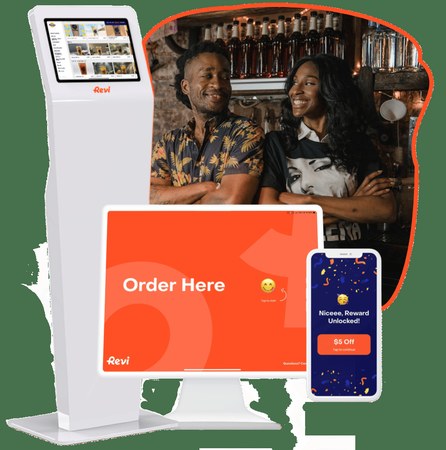
Revi is a San Francisco software company building an AI-powered point-of-sale and revenue-growth platform for restaurants. Its kiosks, branded mobile app, and 'Revi OS' command center let operators take orders, run loyalty programs, and turn first-party customer data into automated marketing campaigns - without paying third-party commissions. The pitch: own your customers, lift average ticket size, and grow revenue. More than 5,000 merchants use Revi, which has raised about $24.6M to date, including a $14.5M Series A led by Runa Capital in 2024.

Snackpass
Snackpass is a restaurant technology company that builds an all-in-one marketing and point-of-sale platform for quick-service restaurants. It pairs hardware - registers, self-serve kiosks, kitchen display systems and pickup screens - with software for online ordering, loyalty, SMS marketing, analytics and AI. Founded by Yale students in 2017 as a social food-ordering app, it grew into a full operating system for takeout, serving thousands of restaurant operators and tens of millions of guests.
Kevin Tan
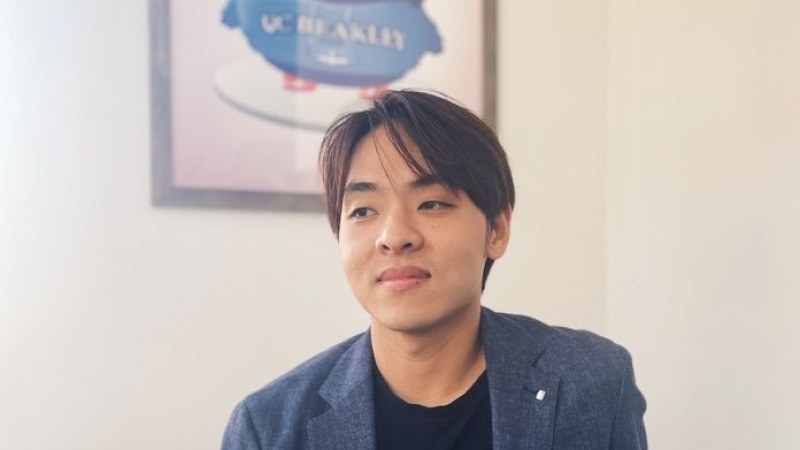
Kevin Tan is the co-founder and CEO of Snackpass, the restaurant technology company he started in his last semester at Yale that turned takeout ordering into a social, viral experience. What began as a way to skip the line for campus munchies grew into a multi-product platform - mobile ordering, self-service kiosks, loyalty and gifting - used by hundreds of restaurants. A physics graduate, musician, and self-taught engineer, Tan raised $70 million in Series B funding in 2021 at a roughly $400 million valuation and was named to the Forbes 30 Under 30 list.