satellite-imagery
(21)
DigitalGlobe lost two satellites. Then it sold the world a closer look.
Before it became part of Maxar, DigitalGlobe turned orbital photography into a business worth billions. Its legacy, now carried forward by Vantor, shows why the real product was never just a picture.
AxionOrbital Space
AxionOrbital Space is a San Francisco startup building foundation models that turn radar satellite data into analysis-ready optical imagery in real time. Its flagship model, ORION, translates Synthetic Aperture Radar (SAR) backscatter into photorealistic images so customers can see through clouds, smoke, and darkness - the roughly 70% of the time when conventional optical satellites go blind. A Y Combinator Winter 2026 company, it targets defense, commodities trading, and disaster response.
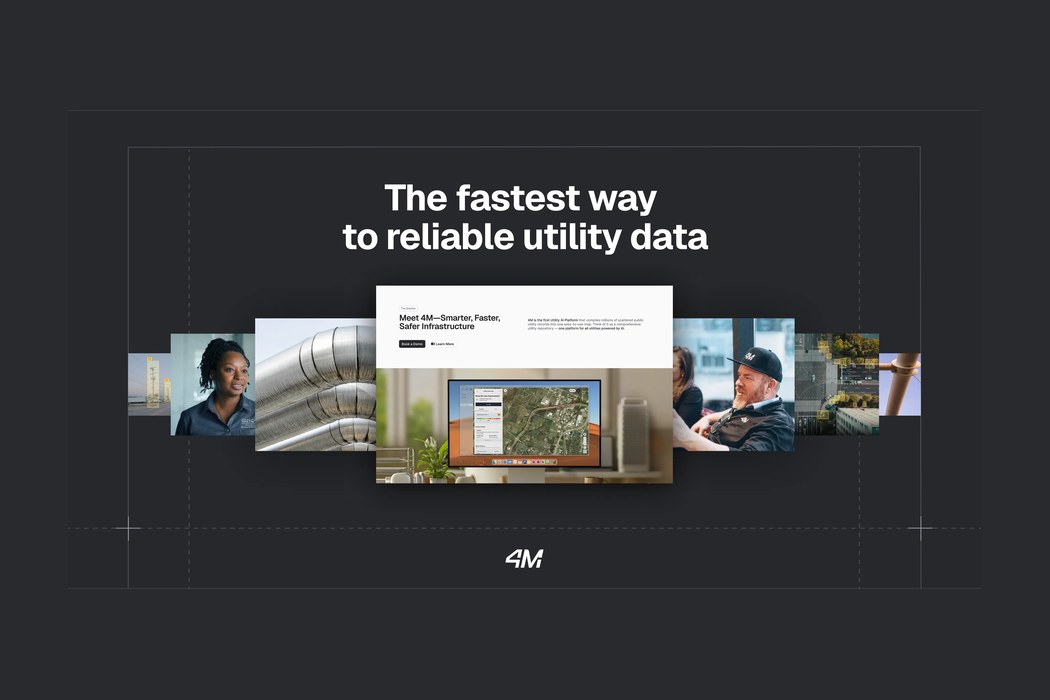
4M Analytics
4M Analytics is an AI-powered utility mapping company that compiles millions of scattered public utility records, satellite imagery, and legacy blueprints into a single continuously updated digital map of what lies above and below ground. Its Utility AI Platform gives civil engineers, contractors, and departments of transportation instant, verifiable subsurface data to plan safer, faster infrastructure projects and avoid costly excavation strikes.
SkyFi
SkyFi is an Austin, Texas-based Earth intelligence company that runs a self-service marketplace for satellite imagery and analytics. Through a single web platform, mobile app and API, customers can search archives, task satellites and buy optical, SAR, hyperspectral and aerial imagery from more than 50 commercial providers - then run built-in AI analytics on it. Founded in 2021 by Luke Fischer and Bill Perkins, SkyFi aims to make geospatial data as easy to order as a rideshare, serving defense, government, finance, energy, agriculture, insurance and infrastructure customers worldwide.
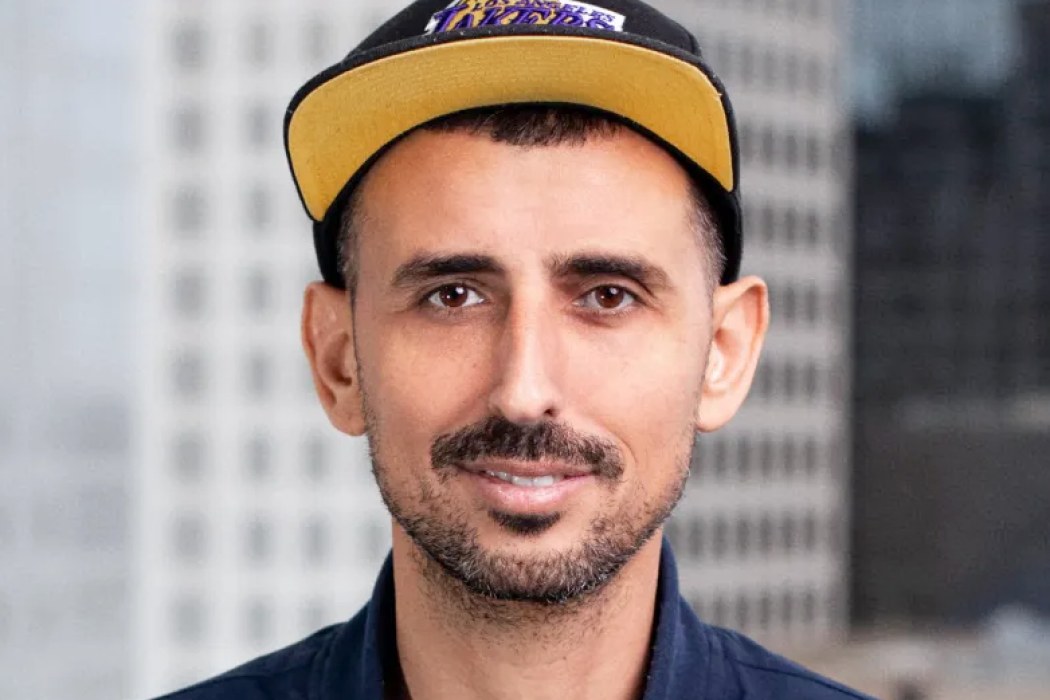
Itzik Malka
Itzik Malka is the co-founder and CEO of 4M Analytics, an Austin- and Israel-based company building what he calls the Google Maps of the underground. Drawing on a decade in an elite Israeli combat-engineering unit clearing buried explosives, he now leads a 130-person team that fuses AI, satellite imagery and public utility records to map the hidden network of pipes, cables and conduits beneath America before crews dig. 4M has raised roughly $119 million to date, including a Series C, and counts firms like AECOM and Stantec and multiple state DOTs among its customers.
Luke Fischer
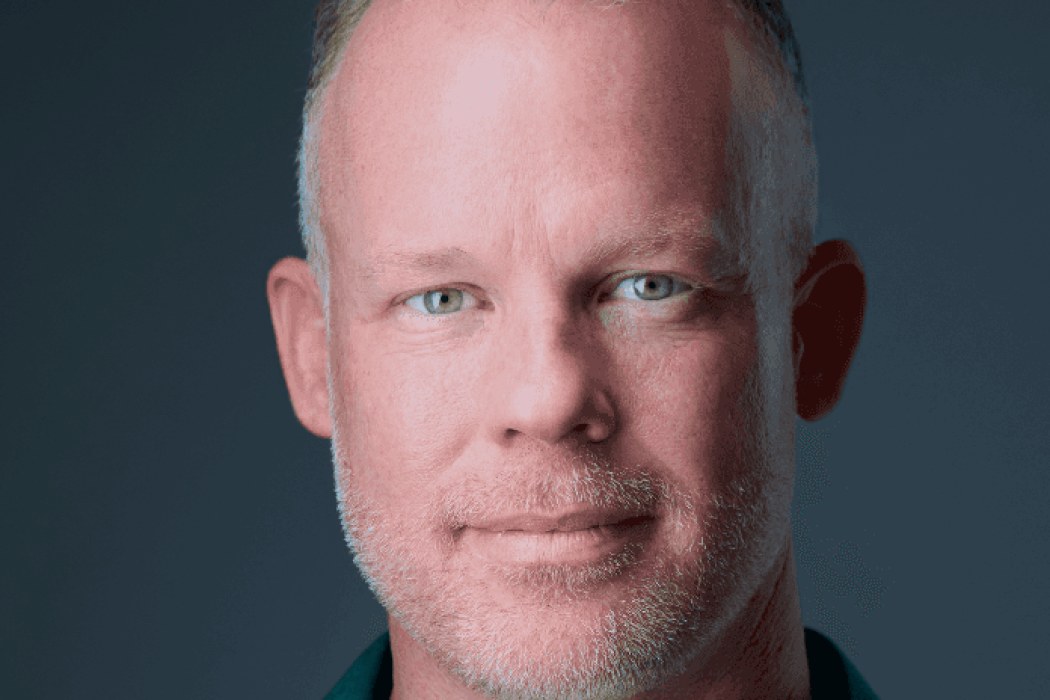
Luke Fischer is the co-founder and CEO of SkyFi, an Austin-based Earth intelligence platform that lets businesses and governments order satellite imagery and analytics on demand, the way you'd hail an Uber. A former U.S. Army Special Operations aviator with 16 years on active duty, Fischer went on to lead flight operations at Uber and government operations at Joby Aviation before becoming an entrepreneur-in-residence at Shield Capital. He teamed up with investor Bill Perkins, who was frustrated that buying satellite imagery could take three to six months, and together they built a marketplace connecting more than 50 imagery providers. In January 2026 SkyFi raised an oversubscribed $12.7 million Series A to push deeper into AI-driven analytics.
SpaceKnow Inc.
SpaceKnow is a geospatial intelligence company that turns satellite imagery into near-real-time answers about the physical world. Its AI-powered platform, SpaceKnow Guardian, fuses optical and radar data from many satellite providers and applies proprietary machine-learning algorithms to detect objects, track change, and generate economic indices for defense, finance, construction, and environmental customers. Founded in 2013 by Pavel Machalek and Jerry Javornicky, the company is best known for economic nowcasting products like its China Satellite Manufacturing Index, which has appeared on Bloomberg Terminals.
FarmQA, Inc.
FarmQA is a Fargo, North Dakota software company that builds a connected digital-agronomy platform for the people who advise farmers. Its mobile scouting app and web console let agronomists and crop consultants scout fields, coordinate soil sampling, plan fertility, and write variable-rate prescriptions from one system. Founded in 2015 out of a conversation between farm-equipment maker Howard Dahl and Appareo founder Barry Batcheller, FarmQA now manages roughly 37 million acres for more than 500 organizations and closed a $4M seed round in 2025.
Geolava
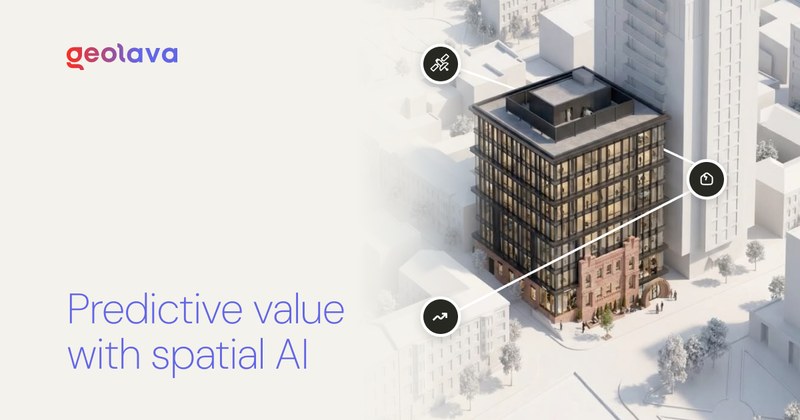
Geolava is a San Francisco startup building a world model for the built world - a spatial intelligence layer that fuses satellite, LiDAR, aerial, street-level and government data into a foundation model you can query in plain language. It lets real estate owners, investors, lenders, insurers and operators analyze, underwrite, monitor and forecast physical assets, turning slow, manual property surveying into predictive property intelligence.
James Paterson
James Paterson is the co-founder and CEO of Aerobotics, a Cape Town-based precision agriculture company that turns drone and satellite imagery into AI-powered, tree-by-tree insights for fruit and nut growers. Raised on a family citrus farm and trained as a mechatronics engineer at the University of Cape Town before a masters at MIT, Paterson pairs first-hand farming instinct with aerospace-grade robotics. Since founding Aerobotics with Benji Meltzer in 2014, he has grown it into a global player that now analyzes a large share of the Florida citrus crop and has raised roughly $30 million, insisting the company is 'a farming company, enabled by technology' rather than a tech company that dabbles in farming.
Atlas AI
Atlas AI is a Palo Alto-based Public Benefit Corporation building GeoAI software that turns planetary-scale satellite imagery, ground-truth surveys, and predictive models into decision-support tools for enterprises, governments, and development institutions investing in emerging markets.
Hantz Févry
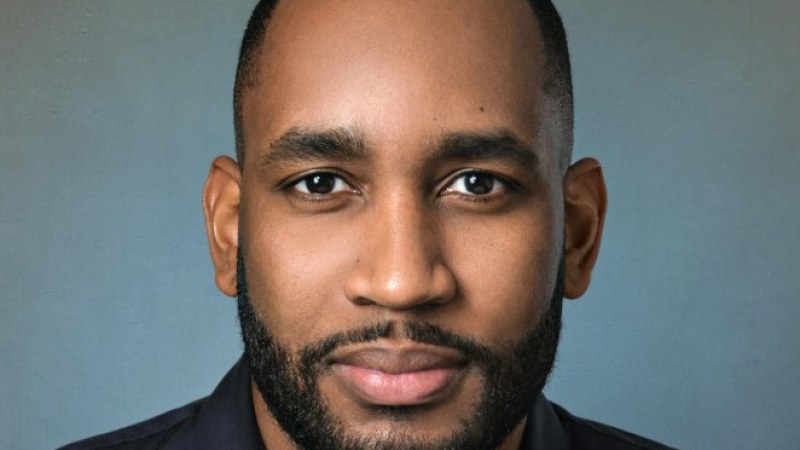
Hantz Févry is the founder and CEO of Geolava, a San Francisco spatial-intelligence startup that turns satellite, LiDAR, aerial, street-level and government data into searchable answers about buildings and infrastructure. A Haitian immigrant who built an earthquake early-warning system at age 20, he went on to lead AI research for Google Assistant's hotword (a team that became part of DeepMind), then founded the gig-economy mapping company Stoovo - which mapped 130 million U.S. buildings and was acquired in 2024. In July 2025 he raised a $4.3M seed round for Geolava, betting that spatial intelligence will reshape real estate and infrastructure.

Delos Insurance Solutions
Delos Insurance Solutions is a San Francisco insurtech and managing general agent that uses satellite imagery, fire science, and machine learning to insure California homeowners in wildfire-prone areas that traditional carriers have abandoned. Founded by two aerospace engineers, Delos models wildfire risk at the individual-property level using NASA Earth-observation data, climate science, and hundreds of risk parameters, allowing it to write coverage on homes the rest of the market deems uninsurable.

NCX
NCX (Natural Capital Exchange) is a U.S.-based data-driven marketplace that pays forest landowners of all sizes for the natural capital their land provides - starting with forest carbon. Born out of the forestry analytics company SilviaTerra, NCX uses satellites, cloud computing, and machine learning to measure every acre of America's forests, then connects landowners who defer timber harvests with corporations seeking high-quality carbon credits. The company has enrolled thousands of landowners across dozens of states and raised $74.4M to expand natural capital markets.
Kevin Stein
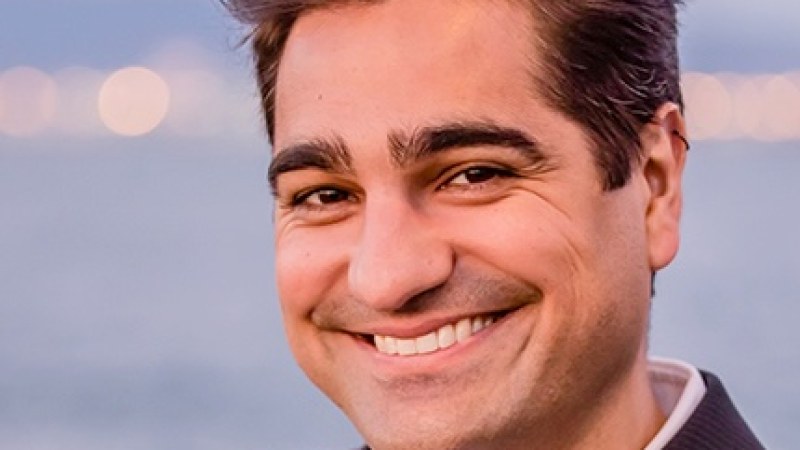
Kevin Stein is the CEO and cofounder of Delos Insurance Solutions, a San Francisco insurtech MGA that writes homeowners insurance for wildfire-exposed California properties that mainstream carriers refuse. A Bay Area native and aerospace engineer who once sold satellites at SSL/Maxar, Stein co-founded Delos in 2017 with Shanna McIntyre to apply satellite imagery, geospatial AI, and wildfire science to a problem the rest of the market treats as uninsurable. Delos accepts roughly two-thirds of the homes the standard market declines, and Stein reports it has never insured a home that later burned. He moonlights as a bassist and songwriter.
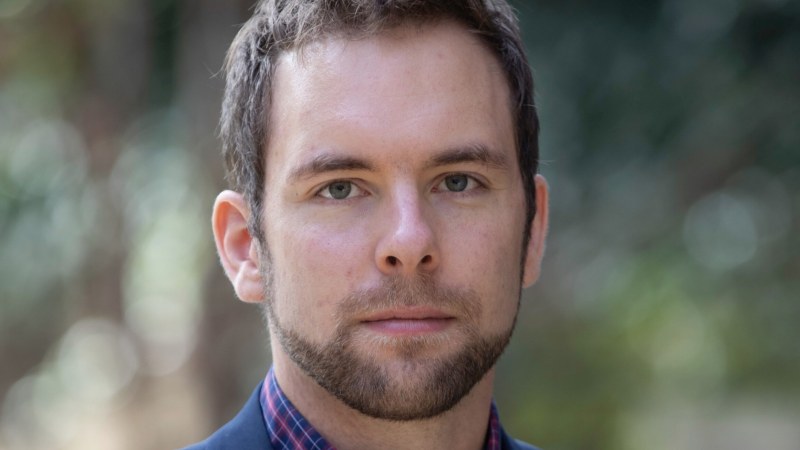
Max Nova
Max Nova is the co-founder of NCX (Natural Capital Exchange), a San Francisco climate-tech company that counts every tree in America with satellites and machine learning, then pays forest owners to keep them standing. A Louisville-born, Yale-trained computer scientist who once planned to be a radiologist, he started the company as SilviaTerra in 2010 with forester Zack Parisa, built the first high-resolution forest inventory of the entire United States with Microsoft, and turned that data into a marketplace for carbon, wildlife habitat, and fire risk. NCX has raised about $74 million, including a $50M Series B backed by Salesforce's Marc Benioff.
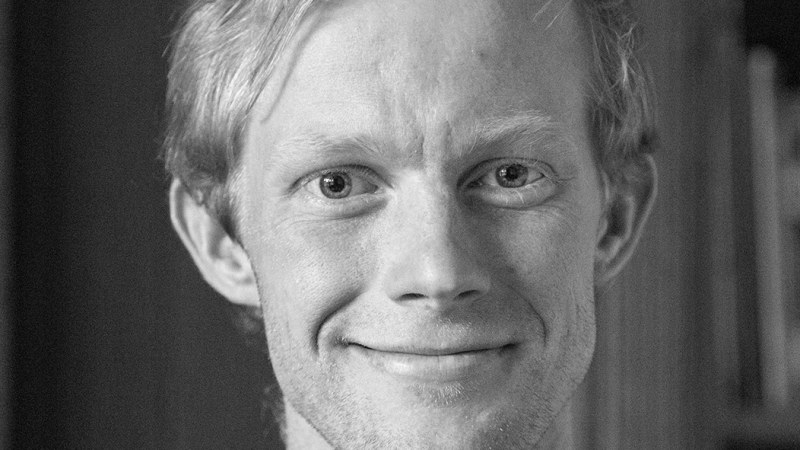
Caleb Kruse
Caleb Kruse is Chief of Staff at Midjourney, the AI image-generation company, where he helps ship product updates and runs the engine room. Before generative AI, he pointed machine learning at the planet itself: at Earthrise Media he led the technical builds of Global Plastic Watch and Amazon Mining Watch, using satellite data to spot ocean-bound plastic and illegal gold mining in near real time. He studied oceanography at Stanford, led the machine learning teams at Leap Motion, and is a National Geographic Explorer who once drove an ice cream truck 8,600 miles across America to hand out 13,000 scoops and talk to kids about conservation.
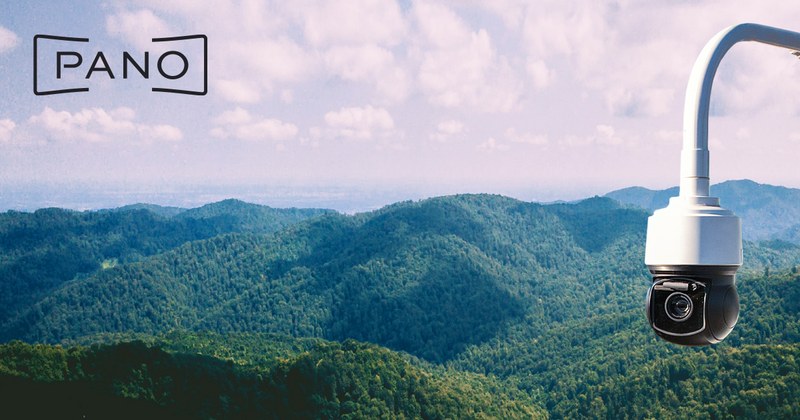
Pano AI
Pano AI builds an integrated platform for early wildfire detection and situational awareness, combining 360-degree ultra-high-definition mountaintop cameras, satellite feeds, field sensors and AI models to spot fires within minutes of ignition. Used by fire agencies, electric utilities, governments and private landowners, Pano monitors nearly 30 million acres across the US, Canada and Australia from its San Francisco headquarters.
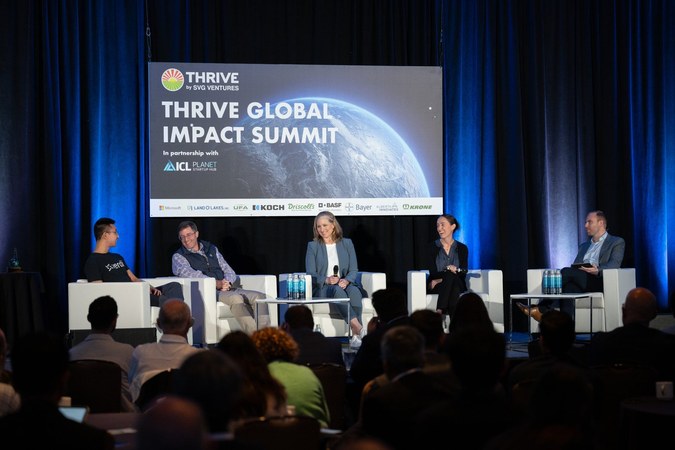
Verdi
Verdi is a Vancouver-based agtech company building affordable, retrofit-ready irrigation automation systems for orchards, vineyards, and specialty crop farms. Founded in 2020 by UBC Engineering Physics graduates Arthur Chen and Roman Kozak, the company makes wireless IoT controllers and soil moisture sensors that install in minutes on existing irrigation infrastructure. Its AI-powered platform gives farmers real-time monitoring, leak detection, variable rate irrigation, and fertigation control from a mobile app - delivering documented results of up to 70% water savings, 90% labor reduction, and 10-20% yield increases. Backed by $9.5M total funding including a $6.5M CAD seed round in May 2025, Verdi counts E&J Gallo, Arterra Wines, and UC Davis among its customers, with 16,000+ acres automated across North America.
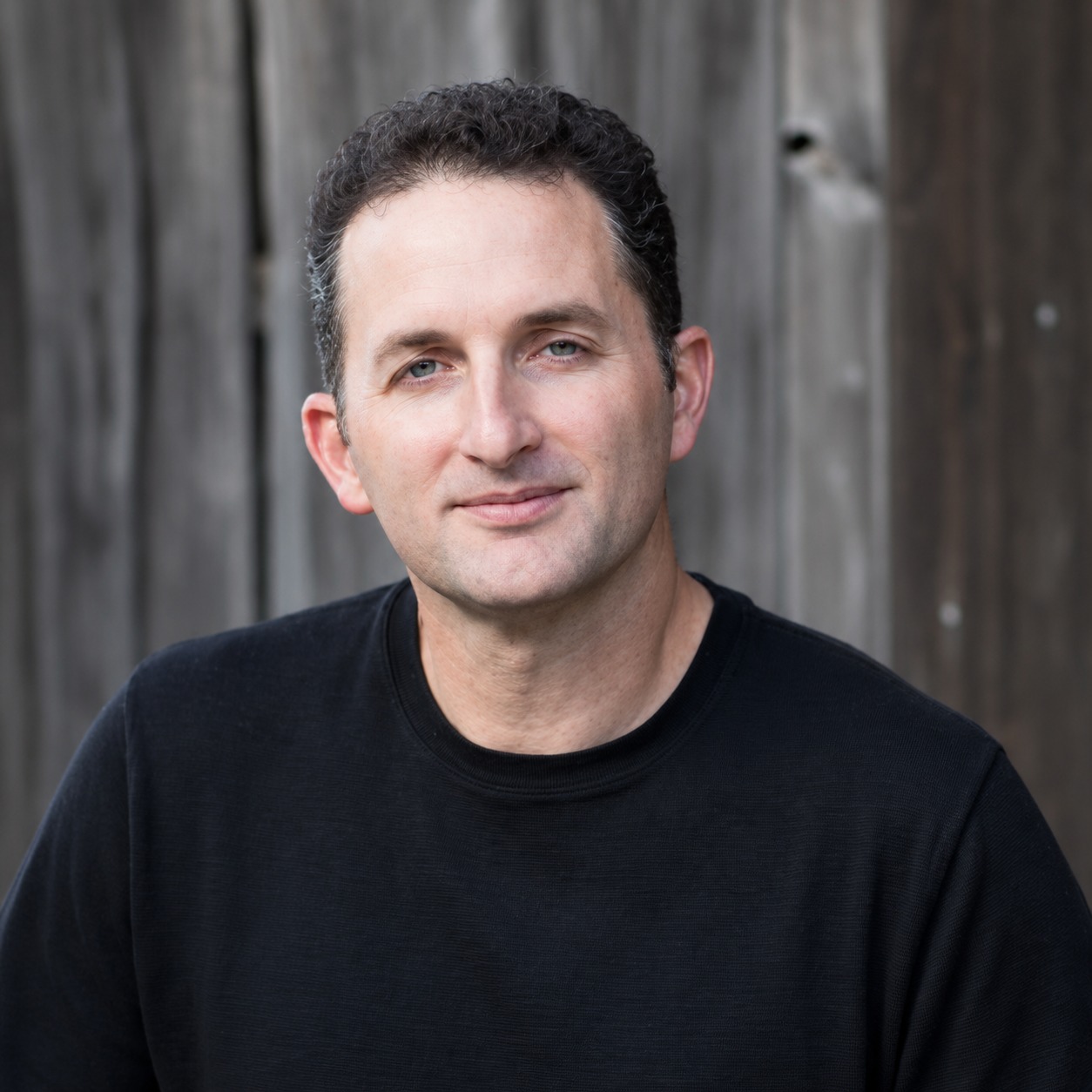
Abe Tarapani
Abe Tarapani is the CEO of Atlas AI, a Palo Alto-based geospatial AI company that uses satellite imagery and machine learning to generate actionable insights on economic, agricultural, and infrastructure trends across emerging markets. A Yale-trained electrical engineer and Presidential Scholar recognized by the Clinton White House, Tarapani has spent nearly two decades at the intersection of renewable energy, data for development, and social impact. He joined Atlas AI in October 2020, steering a company founded by Stanford professors toward enterprise partnerships with the World Bank, DARPA, McKinsey, and Airbus, while earning recognition as a 2024 Google Cloud Partner of the Year and Gavi INFUSE Pacesetter.
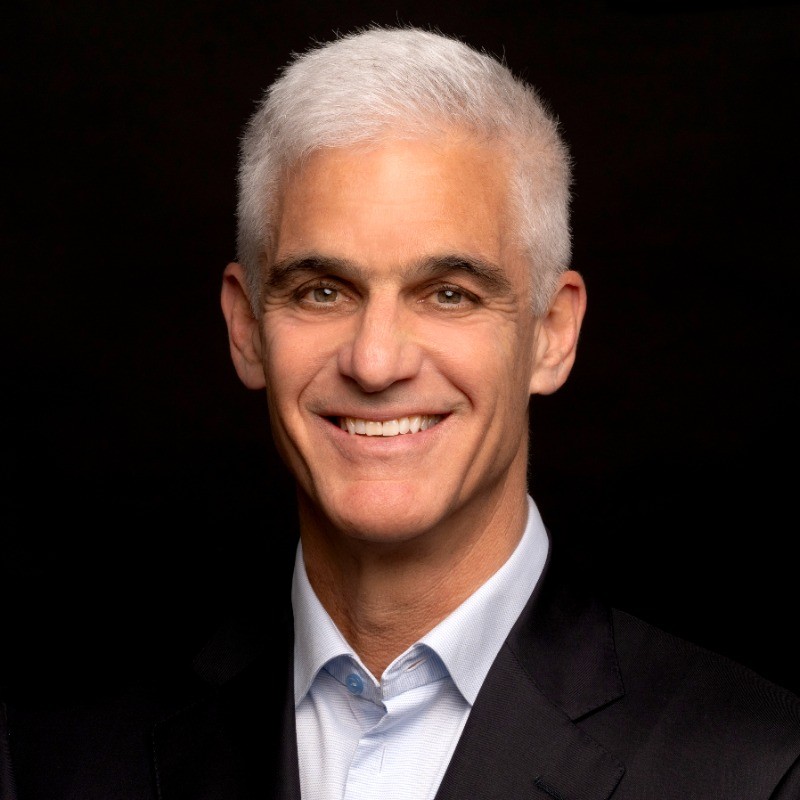
Ramsey Masri
Ramsey Masri is the CEO of Ceres AI (formerly Ceres Imaging), an Oakland-based agricultural intelligence platform that has analyzed over 17 billion plant-level measurements across 32 million acres and 40+ crop types worldwide. A UC Berkeley graduate who grew up on a family farm in Peru and spent 20 years as a California grape grower in Napa Valley, Masri bridges the worlds of technology, data analytics, and hands-on farming. Before Ceres, he served as COO at Zendrive and spent his early career at Oracle working under Larry Ellison, Ray Lane, and Tom Siebel. Under his leadership, Ceres rebranded as Ceres AI, raised a $13M Series D round led by Remus Capital in 2024-2025, was named to TIME Magazine's 2024 Top GreenTech Companies list, and made history by appointing the first AI board member in the agriculture industry.