santa-barbara
(16)
Jason Spievak and the Six-Hour Test
The founding CEO of Invoca spent years helping advertisers understand a ringing phone. As an investor and teacher in Santa Barbara, Jason Spievak turned his attention to the people on the other end of the pitch.

Ryan Millner and the Problem of Being Heard
At Amazon Alexa, Ryan Millner helped machines understand people. Building Unwrap meant confronting a more awkward question: why were the people building the machines still struggling to listen?

Ryan Olson and the Things That Click
A garage, a 3D printer, and a persistent interest in how things fit together. The MAAK co-founder’s path runs through field equipment, modular power, and the small frustrations that give a hardware business its purpose.

Richard Nelson sold the house. Then he rebuilt the roofing business.
A third-generation roofer, known as Richy, traded a Toronto roofing career for a software startup. The work that followed has been an extended lesson in what contractors will actually use.
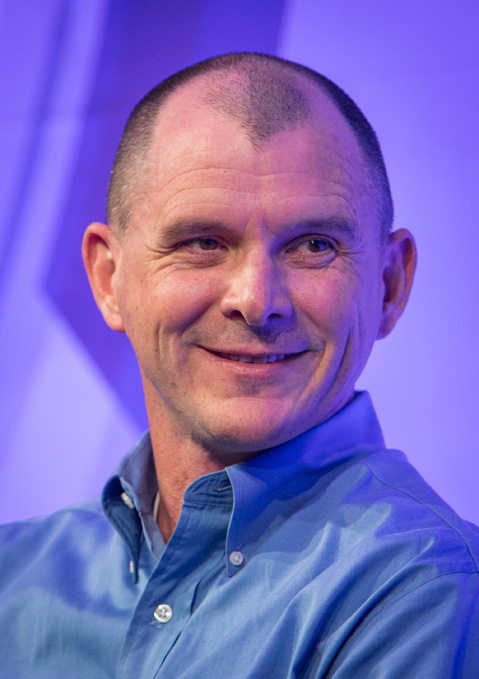
John MacFarlane and the Christmas that Sonos missed
He could see music moving through the internet and into every room. Building Sonos meant learning when to hurry, when to wait, and eventually when to hand over the controls.
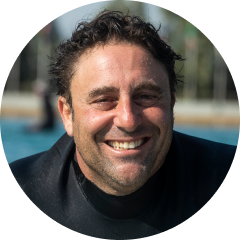
Craig Harris and the art of finding the next question
A Peace Corps volunteer became a fundraiser, then a founder. At NOZA, HG Insights and BuyerCaddy, Craig Harris has kept returning to the same problem: how to make scattered information useful to someone who has a decision to make.

Daniel Zarick and the art of changing your mind
He left Twilio with a bootstrapped business in mind. A string of experiments, a disappearing dashboard, and a changing market taught the Arrows co-founder to build the company in front of him.

Tooey Courtemanche and the business of being early
He built construction software before the job site was ready for it. After more than two decades at Procore, Craig "Tooey" Courtemanche, Jr. has handed over the CEO job while keeping the original problem in view.

Ted Guggenheim and the business of getting a reply
Before TextUs, Ted Guggenheim managed bands and recorded cowbells. His next acts brought business texting to recruiters, AI to staffing firms, and a very personal wager to seven pickleball courts in Goleta.

Christian Malek and the business of letting go
A family business without a successor gave Christian Malek a problem to solve. At Novastone, he pairs experienced operators with established companies whose owners are ready for a next chapter.

Boyd Bailey and the Story Before the Headline
A television reporter became an airline marketer, then founded Reputable in Santa Barbara. Boyd Bailey’s career follows a persistent curiosity: how an issue becomes news, and who gets to explain it.
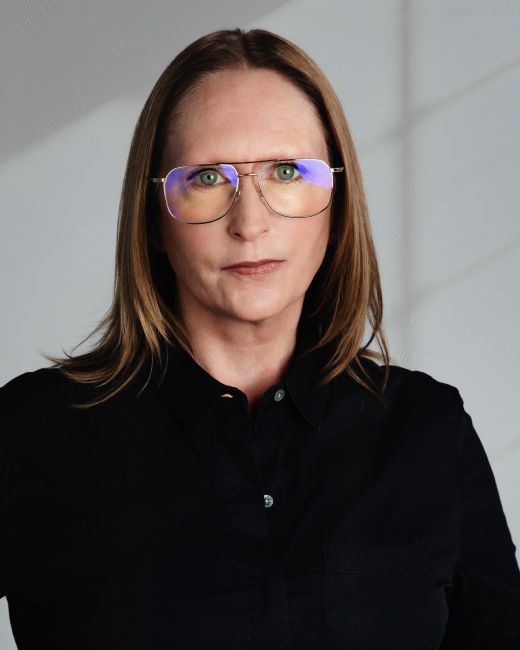
Lisa Horner Makes Marketing Feel Like a Service
From a philosophy degree and a decade in customer care to AppFolio's C-suite, Horner has built a career around one durable idea: good marketing begins by being useful.

Peter Sullivan Put the Lottery in Your Pocket. Then He Took the Long Way Out.
A daily detour for his father’s lottery numbers became a 13-year lesson in product design, patient regulation and knowing when to hand over the ticket.
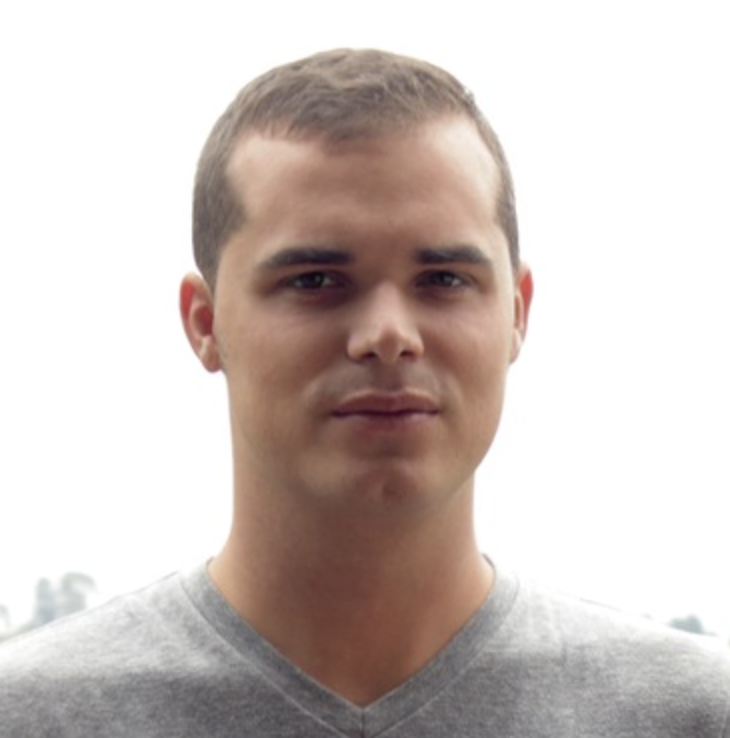
Noah Dentzel Put a Cable in a Wallet - Then Spent 14 Years Learning What Belongs in Your Pocket
Before the leather cases, charging stands and global retail shelves, there was a dying BlackBerry, a homemade prototype and cheap white wine on a boat. Noah Dentzel's real product is a habit: notice the annoyance, make the tool, then keep listening after it ships.

Brian Miller
Brian Miller is the CEO of Sovato, the Santa Barbara company building the first platform to let health systems deploy and scale remote robotic surgery. An electrical engineer turned roboticist with a PhD from Northwestern in haptics, he spent his first job at Computer Motion writing software for the AESOP and ZEUS robots and watched the 2001 Operation Lindbergh, the first transatlantic remote surgery. Twenty-three years at Intuitive Surgical followed, where he rose from control-systems analyst to Chief Digital Officer and Head of Digital and AI Strategy. In April 2026 he returned to the frontier he started on, taking Sovato from early market development toward its first patient programs in 2027.

Valentin Ruest
Valentin Ruest is the co-founder and US co-CEO of Classtime, a Zurich-born edtech company building a formative and summative assessment platform used by educators and learners in more than 90 countries. A University of St. Gallen and Harvard-trained economist who once ran mortgages at a Swiss fintech, he traded banking for classrooms, splitting his life between Santa Barbara and Zurich while teaching personal finance in public schools and arguing that software should help teachers decide, not decide for them.