rust
(27)
Dennis Zhuang and the trouble with a convincing answer
After years building systems that explain what software is doing, Greptime’s founder began asking the same questions of AI agents. The answers took him from monitoring at Ant Group to an experiment involving 23 billion tokens.

The engineer behind the uptime
Kyle Kosic helped keep GPT-4 training steady, joined xAI at its launch, and now works on personal AI at River. His career follows the infrastructure that makes ambitious models possible.

Paul Dix Put Time in a Bottle - Then Rebuilt the Bottle
A failed monitoring product left Paul Dix with five weeks, a stubborn hunch and the beginnings of InfluxDB. Thirteen years later, his career is a study in the useful art of rebuilding before comfort hardens into doctrine.

Narayana Aaditya Wants Your Coding Agents to Remember the Good Bits
The Skillsync co-founder spent years helping payment systems talk to one another. Now he is trying to make coding agents, teammates and their hard-won context speak the same language.

Cliff Crosland Put the Missing Index on the Data Lake
A million-dollar log bill became the design brief for Scanner. Now the engineer who once taught Stanford students and rendered black holes in WebGL is building a faster memory for security teams - and for the agents arriving beside them.
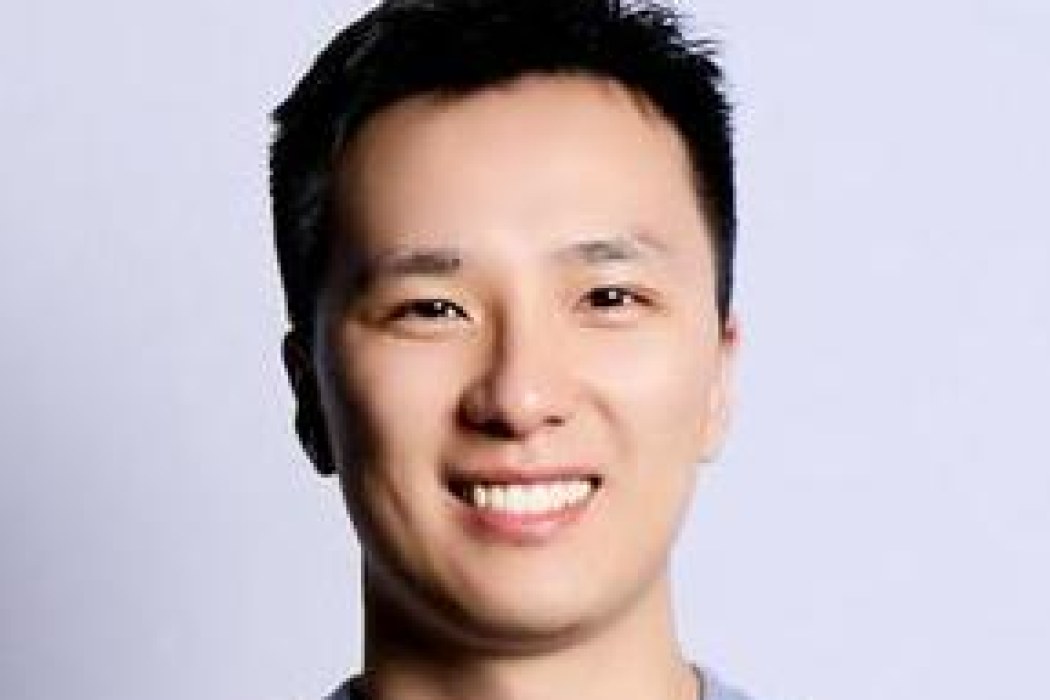
Xin Ding
Xin Ding is the cofounder and CEO of Attune (YC X25), a San Francisco startup building blazingly fast, drop-in build tools that speed up compilation without any migration effort. After more than a decade shaping developer-tools products - as Head of Product at FOSSA and VP of Product at Teleport, where he helped scale the company to unicorn status - he teamed up with longtime colleague Eliza Zhang to attack one of the least glamorous but most universal engineering headaches: slow builds. Attune's first product lets Rust developers prefix an existing command with 'hurry' to get dramatically faster builds through distributed caching, remote execution, and compiler-native optimizations.
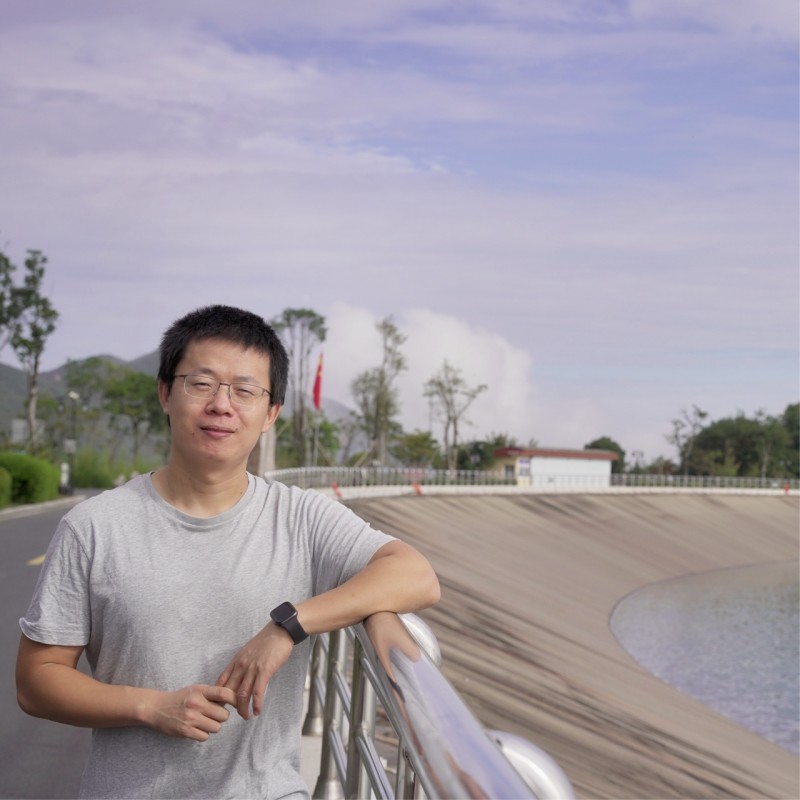
Xiaodan Zhuang
Xiaodan Zhuang, who also goes by Dennis, is the co-founder and CEO of Greptime, a company building GreptimeDB, an open-source observability database written in Rust that unifies metrics, logs, and traces. Before starting Greptime in 2022, he spent roughly 18 years in software infrastructure, including leading the intelligent monitoring team at Ant Group where he built ultra-large-scale time-series platforms for AIOps, plus earlier stints at Taobao/Alibaba and LeanCloud. He is a long-time open-source contributor (GitHub handle killme2008) behind projects like Aviator and xmemcached, and a self-described car enthusiast who races on tracks.

Davide Asnaghi
Davide Asnaghi is the co-founder and CEO of Diode Computers, a startup rebuilding how printed circuit boards are designed and manufactured. An Italian-born engineer trained at UC Berkeley, he spent years building hardware at Apple's Special Projects Group and medical-device companies before starting Diode to replace legacy EDA tools with open-source, AI-friendly software: a Python design language backed by a Rust compiler that turns requirements into manufacturable circuit boards in a fraction of the usual time. Diode raised an $11.4M Series A led by Andreessen Horowitz and partners with Anthropic to make Claude a more capable electrical engineer.

Nodar Daneliya
Nodar Daneliya is the co-founder and CEO of Shuttle, an open-source cloud platform that lets developers build and deploy backends without writing infrastructure files. A former quant trader and investment banker who taught himself the cloud, he traded London trading desks and Harvard finance classes for a Rust developer-tools company that more than 20,000 engineers now use across 120,000+ deployments. After raising a $6M seed round in October 2025, he is pointing Shuttle squarely at the messiest part of AI coding: what happens after the AI writes the code and someone still has to ship it.

Sammy Sidhu
Sammy Sidhu is the co-founder and CEO of Eventual, the company behind Daft, an open-source, Python-native data engine built to wrangle messy multimodal data like images, video, audio and LiDAR at petabyte scale. A UC Berkeley EECS grad with a background in high-performance computing and deep learning, he cut his teeth on Wall Street high-frequency trading and then on the perception stacks of self-driving cars at DeepScale (acquired by Tesla), Lyft Level 5 and Woven Planet (Toyota). After repeatedly watching brilliant engineers burn 80% of their time fighting data plumbing instead of building, he and Jay Chia turned that frustration into Eventual. Daft now processes petabytes daily at Amazon, CloudKitchens, Together AI and Essential AI, and the company has raised roughly $30M from investors including CRV, Felicis, Microsoft's M12 and Citi.

Josh Lospinoso
Josh Lospinoso is the co-founder and former CEO of Shift5, an observability and cybersecurity company that protects the onboard operational technology of planes, trains, tanks, and ships. A West Point graduate, Rhodes Scholar, and Oxford-trained statistician, he spent more than a decade as an Army cyber officer building elite hacking tools for the NSA's Tailored Access Operations and the Cyber National Mission Force. Before Shift5 he co-founded RedOwl Analytics (acquired by Raytheon/Forcepoint in 2017). He wrote the C++ course that U.S. Cyber Command uses to train junior developers and turned it into the book C++ Crash Course. In January 2026 he moved from CEO to the board to focus on long-term vision while Shift5, having raised more than $180M, scaled past 130 employees.

Will Manning
Will Manning is the co-founder and CEO of Spiral, a New York data company building infrastructure for the moment machines became the main consumers of data. He spent nearly a decade at Palantir co-creating and scaling Foundry, then set out to fix a bottleneck nobody else seemed bothered by: GPUs that can swallow terabits per second, fed through legacy file formats that make CPUs decompress everything first. His answer is Vortex, an open columnar format he donated to the Linux Foundation, and Spiral, the exabyte-scale system built on top of it. Spiral launched from stealth in September 2025 with $22M from Amplify Partners and General Catalyst.

Zach Lloyd
Zach Lloyd is the founder and CEO of Warp, the Rust-based terminal that grew up into an agentic development environment. A former Google principal engineer who led the Docs and Sheets teams, he looked at the one tool every programmer touches and noticed it had barely changed in 40 years. Warp's answer: a command line that reads natural language, runs AI agents, and as of 2025 codes by prompt. The company has raised roughly $73-75M from Sequoia, GV, Dylan Field and Elad Gil, and went from its first $1M of ARR in 300-plus days to adding $1M every few days.

John Sundell
John Sundell is a Swift and Rust developer, writer and podcaster who runs Swift by Sundell, a weekly publication of articles, tips, podcasts and videos read in well over a hundred countries. A former lead iOS developer at Spotify, he went indie to build apps, games and a stack of widely used open-source developer tools - including the static site generator Publish, the type-safe HTML DSL Plot, the Markdown parser Ink and the syntax highlighter Splash. He is based in Gdansk, Poland.

Reiner Pope
Reiner Pope is the co-founder and CEO of MatX, an AI chip startup based in Mountain View, California, designing purpose-built silicon for large language models. A former Google Senior Staff Software Engineer who led AI software development for Google's TPUs and served as Efficiency Lead for PaLM, Pope left Google one week before ChatGPT launched to build what he calls 'the best chips for LLMs that physics allows.' MatX has raised approximately $604M to date, including a $500M Series B led by Jane Street and Situational Awareness LP, and is building a hybrid SRAM-HBM chip architecture targeting the world's leading AI labs.
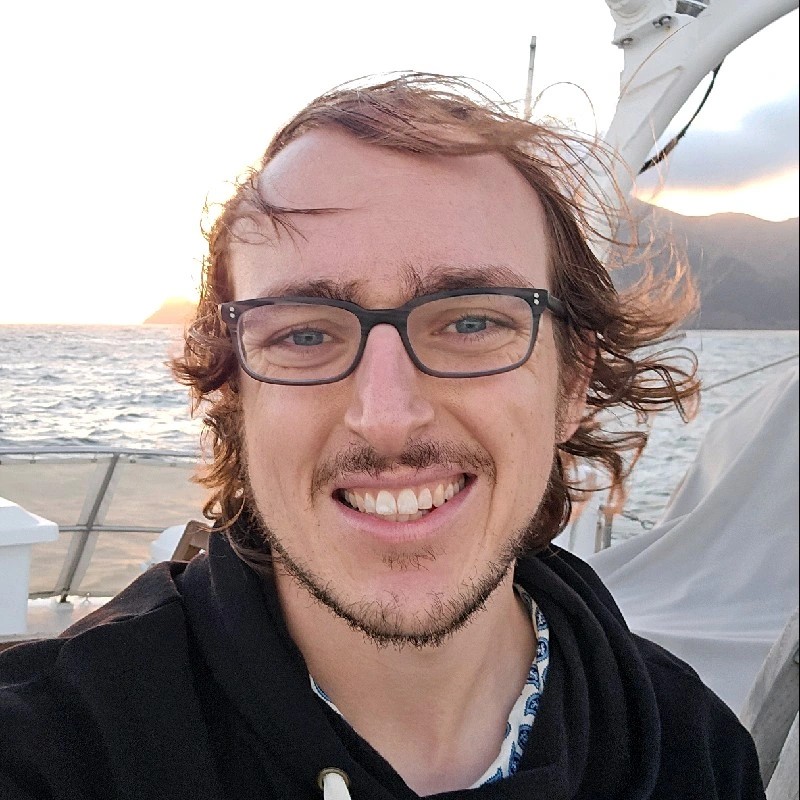
Ian Glow
Ian Glow is the co-founder and CEO of Zeromatter, a Mountain View-based simulation platform that lets robotics, aerospace, and autonomy teams build, test, and train anything in virtual environments. He previously helped pioneer Tesla's Autopilot simulation infrastructure - working as Manager of Autopilot Simulation - before striking out to democratize simulation tooling for the broader industry. Zeromatter has raised $45M and assembled a 75+ person team of engineers from Tesla, Cruise, Nvidia, Google, Microsoft, Activision, and id Software.
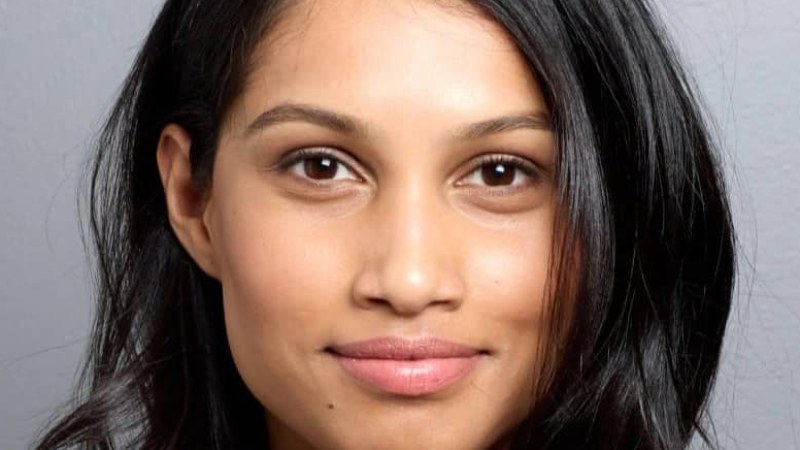
Uma Roy
Uma Roy is the co-founder and CEO of Succinct, the company building SP1 - the world's fastest open-source zero-knowledge virtual machine (zkVM). A former Google Brain AI researcher and MIT double major in mathematics and computer science, she pivoted from machine learning to cryptography to make zero-knowledge proofs accessible to every developer. Under her leadership, Succinct raised $55M led by Paradigm, launched a decentralized prover network, and positioned SP1 as critical infrastructure securing billions in TVL across major Layer 2 networks.

Markos Georghiades
Markos Georghiades is an Engineering Partner at Andreessen Horowitz's crypto division (a16z crypto), where he focuses on cryptography and core development of Jolt - a16z's open-source zero-knowledge virtual machine (zkVM). An undergraduate studying Computer Science and Mathematics at the University of Waterloo, he has co-authored multiple research breakthroughs: helping Jolt achieve a 6x throughput speedup (over 1 million RISC-V cycles/sec), enabling true zero-knowledge proofs via the NovaBlindFold technique, and implementing 64-bit proving without performance slowdown. His GitHub bio - 'sumcheck is love sumcheck is life' - says everything you need to know about where his obsessions lie.

Declan Chidlow
Declan Chidlow, known online as Vale, is a Perth-based front-end developer, writer, and photographer who champions the open web from the front of the front-end. Armed with HTML, CSS, and JavaScript, he builds accessible digital experiences and publishes technical articles across Smashing Magazine, CSS-Tricks, and Piccalilli — while also shipping quirky open-source tools like BritCSS (CSS for those who refuse to spell 'colour' without the u) and Adduce, a Rust-powered static site generator. When not coding or writing, he can be found on a unicycle.
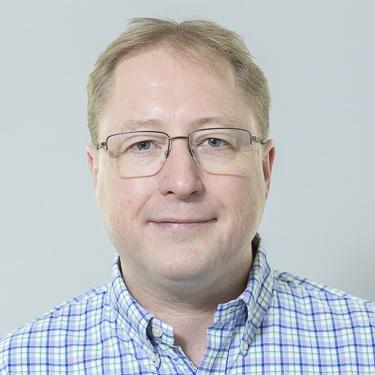
Andy Grove
Andy Grove is the original creator of Apache DataFusion and a PMC member of Apache Arrow and Apache DataFusion. With over 30 years of software engineering experience, he specializes in query engines and distributed systems, currently serving as Principal Distributed Database Engineer at Apple. He's the author of 'How Query Engines Work' and creator of sqlparser-rs, one of the leading open-source SQL parsers for Rust. His open-source contributions have shaped the modern data processing ecosystem, with DataFusion powering hundreds of data-centric applications worldwide.
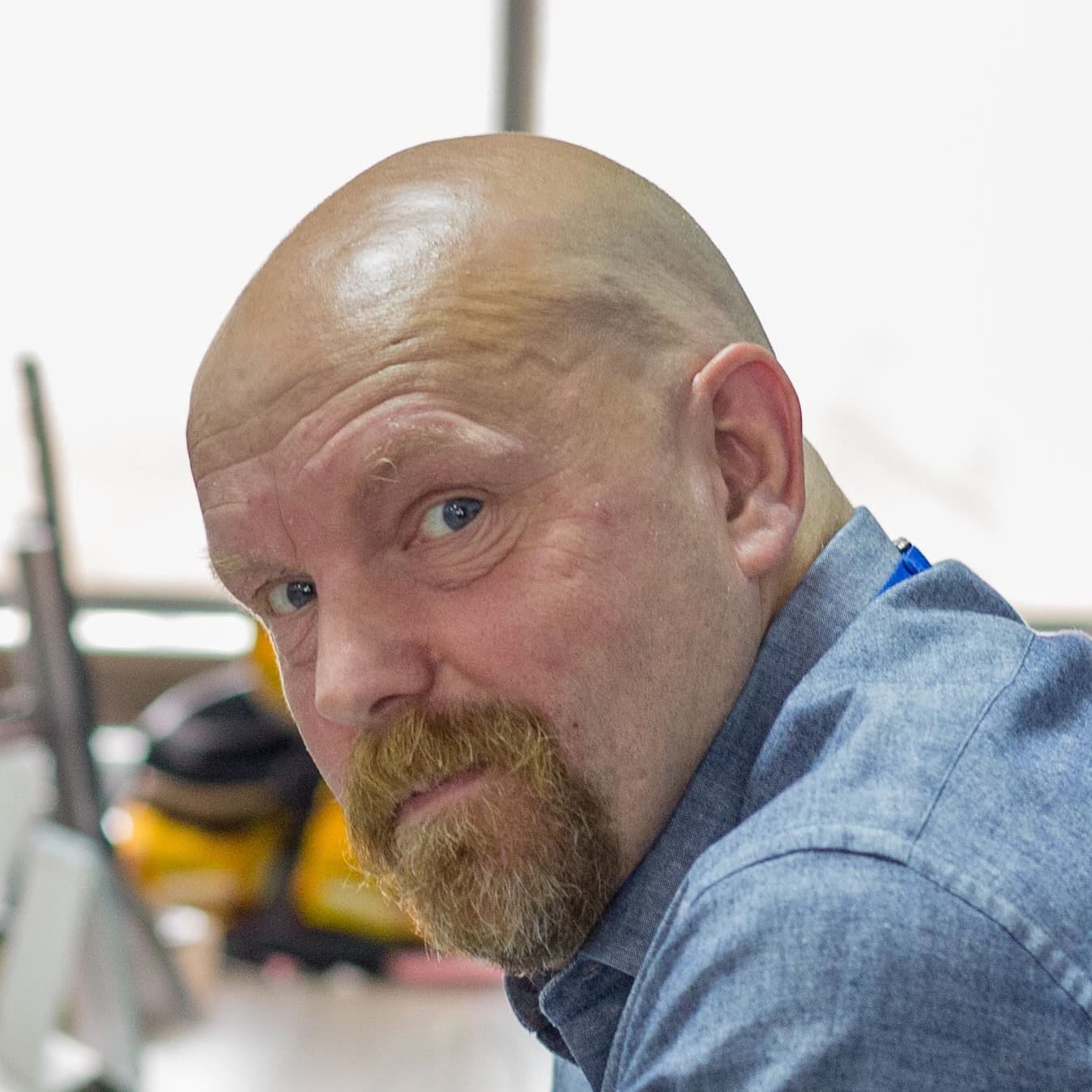
Kent Beck
Kent Beck is the creator of Extreme Programming (XP) and a pioneer of Test-Driven Development, pair programming, and the Agile Manifesto. A programmer with 52+ years of experience, he co-created JUnit with Erich Gamma, co-invented CRC cards and design patterns in software with Ward Cunningham, and spent seven years coaching at Facebook. Today he runs the 'Software Design: Tidy First?' Substack newsletter (123,500+ subscribers in 195 countries), hosts the Still Burning podcast, and explores augmented human-AI coding. In April 2026 he publicly announced a Parkinson's disease diagnosis, continuing his mission to help technologists feel safe in the world.
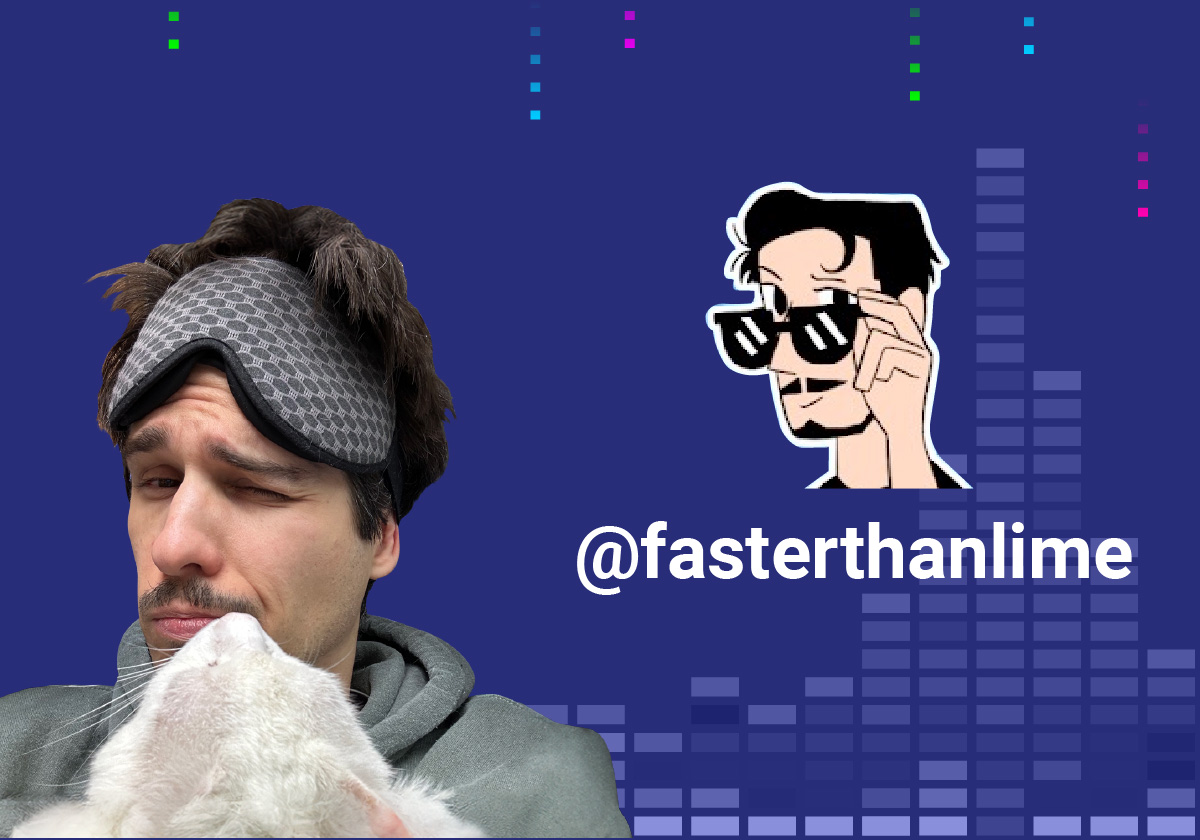
Amos Wenger
Amos Wenger, known online as 'fasterthanlime', is a Swiss software engineer, open-source author, and technical educator based in Lyon, France. Through their blog, newsletter, videos, and the Self-Directed Research Podcast (co-hosted with James Munns), Amos has become one of the most beloved voices in the Rust programming community - known for long-form, deeply exploratory articles that make the inner workings of computers approachable and fascinating. Founder of the open-source organization bearcove, Amos builds real tools like fluke (HTTP/2 over io_uring), facet (Rust reflection), and rc-zip while funding this work through sponsorships and content creation.
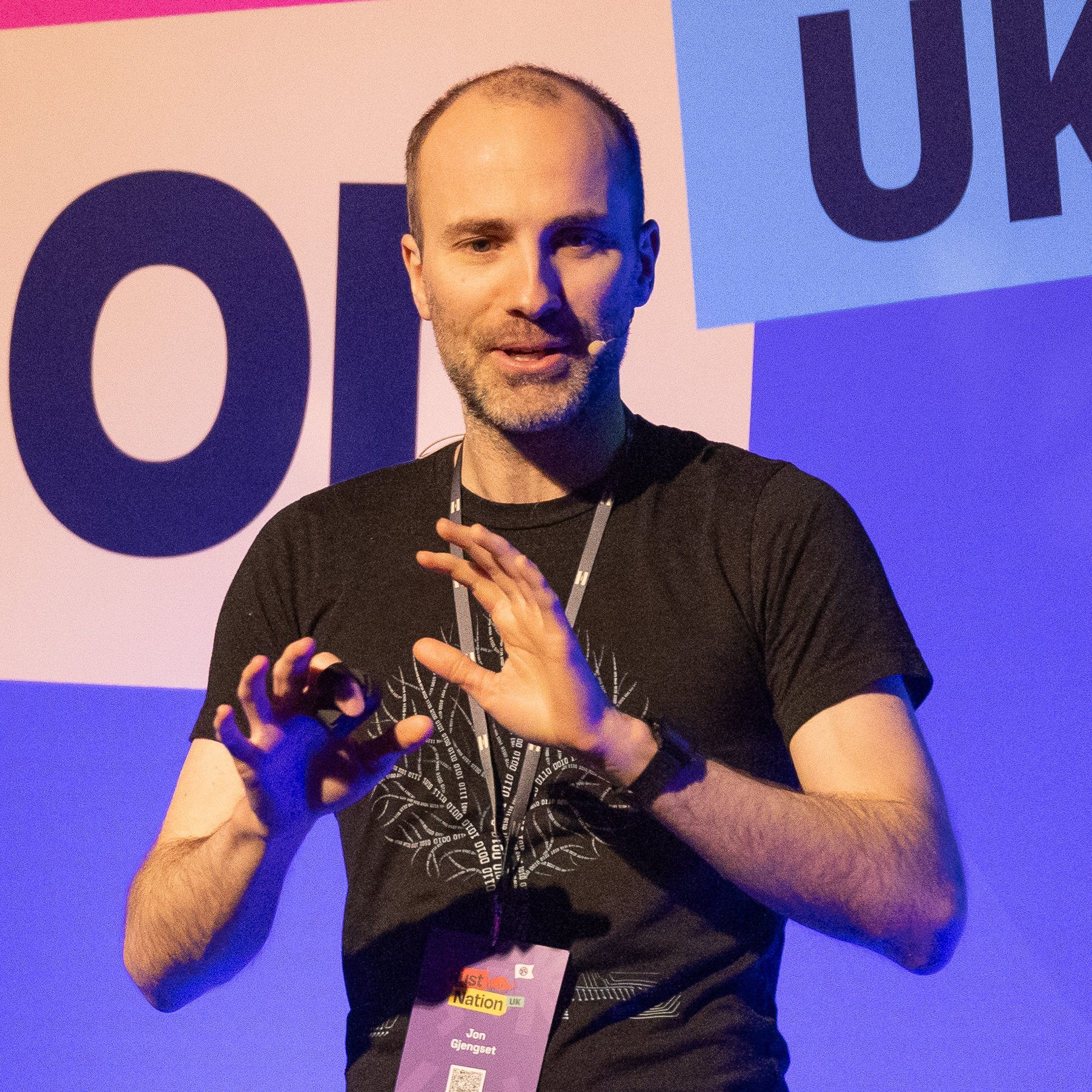
Jon Gjengset
Jon Gjengset is a principal engineer at Helsing, Rust systems programming educator, and author of 'Rust for Rustaceans' (No Starch Press). He holds a PhD from MIT CSAIL where he built Noria, a streaming dataflow database system offering up to 20x performance improvements. A prolific live-coder and YouTube educator since 2018, Jon co-founded ReadySet (a $29M-funded database startup), contributed to the Rust ecosystem, and teaches at MIT's Missing Semester. Based in Oslo, Norway, he is one of the most respected voices in the Rust community.

Kris Nóva
Kris Nóva (1987-2023) was a principal engineer at GitHub, co-founder of The Nivenly Foundation, author, alpinist, and transgender activist who shaped the cloud-native infrastructure world. Best known for creating kubicorn, the Aurae runtime, and co-authoring Cloud Native Infrastructure with O'Reilly, she lived a life of radical generosity - growing Hachyderm from 700 to 40,000 users, founding the Privilege Escalation Foundation to support gender minorities in STEM, and writing Hacking Capitalism to help marginalized technologists navigate an industry that had once left her unhoused. She died on August 16, 2023, in a climbing accident in Seattle.

Predrag Gruevski
Predrag Gruevski is an independent software engineer, open-source creator, and Rust ecosystem luminary best known for building Trustfall - a universal query engine that lets you query anything from APIs to LLMs - and cargo-semver-checks, a semantic versioning linter that's becoming a cornerstone of the Rust publish workflow. A former MIT competitive mathematician turned principal engineer at Kensho Technologies, Predrag brings Olympic-level rigor to API design and compiler technology, writing and speaking extensively on correctness-first software development.

Sylvain Kerkour
Sylvain Kerkour is a French software engineer, security researcher, and author best known for 'Black Hat Rust' - a hands-on book applying offensive security techniques with the Rust programming language. Self-described as a 'professional troublemaker', he writes about programming, hacking, and entrepreneurship at kerkour.com under the tagline '(Ab)using technology for fun & profit'. He is a vocal advocate for supply chain security in the Rust ecosystem and creator of the Bloom open-technology platform and the ChaCha20-BLAKE3 AEAD cipher implementation.

Xe Iaso
Xe Iaso is a technical educator, open source founder, conference speaker, Twitch streamer, and VTuber based in Ottawa, Canada. The CEO of Techaro and creator of Anubis - the open-source anti-AI-scraper tool now protecting GNOME, FFmpeg, Linux kernel archives, and UNESCO - Xe built a cult following of 400+ blog posts that mix deep systems engineering with irreverent philosophy. Known for pioneering developer relations teams at Tailscale and Fly.io, and for coining their own title 'Archmage of Infrastructure,' Xe is the rare technologist who turned shitposting into a career strategy and made it work.