restaurant-marketing
(28)
NU Media Found Its Edge by Shrinking the Menu
The New York agency began by saying yes to nearly every industry. Its growth accelerated after its founders made a less obvious choice: specialize in the businesses where culture is part of the product.

The Publicist Who Made Quiet a Power Move
Becca Parrish turned a 1,500-person birthday party for The Odeon into a two-decade lesson in influence: be selective, build real relationships, and make the room matter more than the press release.

The Publicists Who Learned to Think Like a Dining Room
bread & Butter began with a little over $1,000 and a dislike of assembly-line PR. Its more durable invention was a national agency built to behave like the best neighborhood restaurant: local, alert and ready to remember what matters.
POMME Runs the Front Desk for Brands
The New York consultancy treats publicity the way a good restaurant treats service: every detail is part of the guest experience. That idea now stretches from a chef's story to a traveler's entire itinerary.
RMD Lives Inside Food. That's the Whole Point.
Three decades inside food, beverage, and CPG have given RMD the category fluency to help challenger brands win consumers and the gatekeepers who shape what sells.

The Agency That Sold Its Own Best Argument
For more than a quarter-century, Santy told brands to embrace useful change. Then the Scottsdale agency made the advice personal - and engineered an exit that turned a small firm's limits into a larger firm's bench.

How Foxglove Made Hospitality Bigger Than Dinner
Gia Vecchio built a PR firm around a contrarian idea: the best restaurant story may not be a restaurant story at all. Eight years later, Foxglove has turned that instinct into a multi-city, self-funded agency with a taste for moving hospitality into the wider culture.
The Restaurant Has One Voice. The Internet Gave It Twelve.
The Forking Group’s wager is that a restaurant’s marketing problem is rarely a shortage of posts. It is the costly jumble between the menu, the map, the camera, the inbox and the table.

Resplendent Knows You Only Open Once
The Austin agency built its reputation in restaurants, where timing is unforgiving and opening night cannot be replayed. Its best work turns that pressure into a sequence others can borrow.

714 Media Learned to Think Like a Magazine - Then Sold the Instinct
A former magazine editor built a small Fullerton agency around an unfashionable advantage: knowing what makes a story worth someone else’s attention.
Alternative Strategies knows what a salad can do
A San Diego agency turns restaurant relationships into publicity, coordinated campaigns, and checks for good causes. Its most useful trick is getting everyone to work from the same menu.
af&co. knows a full dining room starts before dinner
The hospitality agency turns restaurant openings, hotel histories and local relationships into reasons to show up. Its most useful lesson: give people something specific to come for.

CURATIONS sells the campaign. It also owns the audience.
The Los Angeles agency combines human editors, eight named AI assistants and a local publication. Its most interesting offer is a $2,000-a-month restaurant program with somewhere to put the story.

H2 Public Relations knows who gets the next table
Behind a restaurant’s reputation sits a second kind of service. H2 Public Relations connects chefs, hotels and places with the people who decide which stories travel.

Everything Branding wants the checkout after the headline
A TODAY Show appearance can make a brand famous for a morning. Chelsea Gladden’s agency is built around the less glamorous question: what happens after the audience clicks?

Formula Marketing knows what an empty table costs
Built by a restaurant operator, the San Diego agency connects the photograph, the search result, and the reservation. Its most useful question comes before the campaign: which part of the business needs more customers?

Dream Agency and the case of the missing logo
A restaurant with misplaced artwork. A gym with an awkward website. A region full of pizza. Dream Agency builds its business around the practical work of getting good businesses noticed.

MW Media wants a better brief before a better feed
This Southern California creative agency brings photography, social media and PR to hospitality marketing. Its most useful advice starts before anyone picks up a camera.

Ajenda Public Relations knows how to make lunch worth talking about
A club sandwich gets a nightclub campaign. A burger chain offers tattoos. Inside the restaurant agency that gives familiar food a fresh reason to enter the conversation.

EatClub wants to sell the hour before dinner
An empty table has a sell-by time. EatClub turns that awkward fact into dining deals - and its bet on invisible discounts has become a business spanning Australia and Britain.
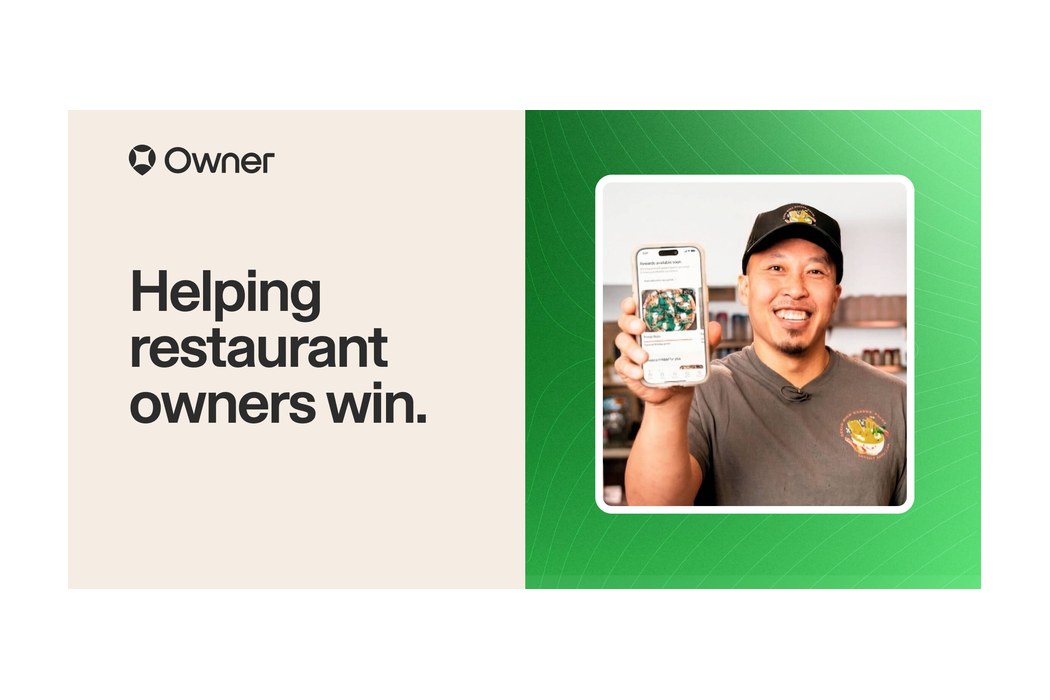
Owner.com Lost Every Dollar of Revenue. Then It Built the Digital Front Door for 10,000 Restaurants
The pandemic erased Owner.com's original business. Six years later, its tightly controlled restaurant stack has crossed $100 million in recurring revenue - by asking operators to trade customization for conversion.

The Restaurant App That Pays You to Eat - and Charges Only When the Table Fills
Restaurants cannot save tonight's empty table for tomorrow. Seated built a marketplace around that perishable inventory - then survived the shutdown that made every table empty at once.
Arby's Built a Fast-Food Empire by Refusing to Act Like a Burger Chain
For 62 years, Arby's has made a business of being the odd hat in fast food. Its real product is not roast beef alone - it is a permission slip to order something stranger than another burger.

Bikky
Bikky is a customer data platform built exclusively for large, multi-unit restaurant brands. It unifies data from point-of-sale systems, online ordering, payments, and loyalty programs into a single guest view, letting operators measure how every marketing, menu, and operational decision affects guest behavior, frequency, and lifetime value. Founded in 2017 and based in New York City, Bikky serves brands like Bojangles, Dave's Hot Chicken, MOD Pizza, and Robeks across thousands of locations.

Sauce
Sauce is a Miami-based restaurant technology company that helps independent restaurants and small chains build a profitable direct online ordering and delivery business. Instead of surrendering 30% commissions and customer data to marketplaces like DoorDash and Uber Eats, restaurants use Sauce to take branded direct orders and fulfill them through a managed, commission-free courier network charged at a flat per-order fee. The platform bundles online ordering, managed delivery, live order support, local SEO, and AI-driven marketing and retention into a single system aimed at turning delivery from a cost center into a margin driver.

Blizzfull
Blizzfull is a Glendale, California restaurant technology company that bundles online ordering, POS, self-service kiosks, kitchen screens, branded websites and apps, marketing, and loyalty into one AI-powered platform. Founded in 2012 by web developers Adam Dougherty and Zach Zurn, it charges restaurants a flat monthly fee and takes 0% commission on direct orders, positioning itself against third-party delivery apps that take up to 30%. Blizzfull's pitch is that independent restaurants should own their customers, their data, and their revenue, and it says it powers more than 1,000 restaurants nationwide.
MustHaveMenus
MustHaveMenus is a Bend, Oregon software company that gives restaurants, bars, hotels, and hospitality groups an all-in-one platform to design, print, and publish menus across print, web, QR codes, and digital signage. Founded by serial entrepreneur Jim Williams, it started as a simple menu-design tool and grew into a menu operations system with the world's largest library of restaurant design templates - 15,000-plus and counting - used by tens of thousands of businesses worldwide.

Snackpass
Snackpass is a restaurant technology company that builds an all-in-one marketing and point-of-sale platform for quick-service restaurants. It pairs hardware - registers, self-serve kiosks, kitchen display systems and pickup screens - with software for online ordering, loyalty, SMS marketing, analytics and AI. Founded by Yale students in 2017 as a social food-ordering app, it grew into a full operating system for takeout, serving thousands of restaurant operators and tens of millions of guests.