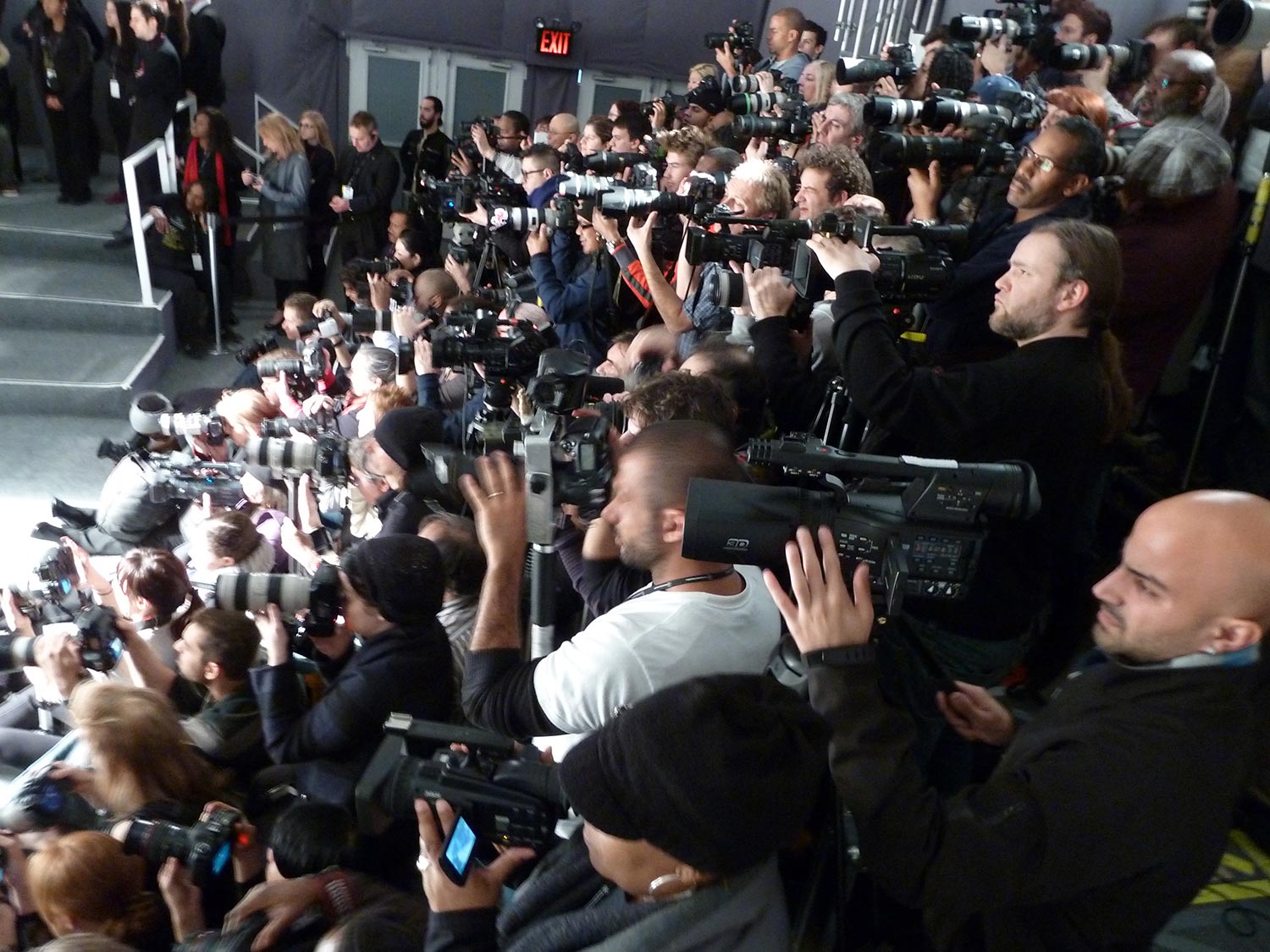
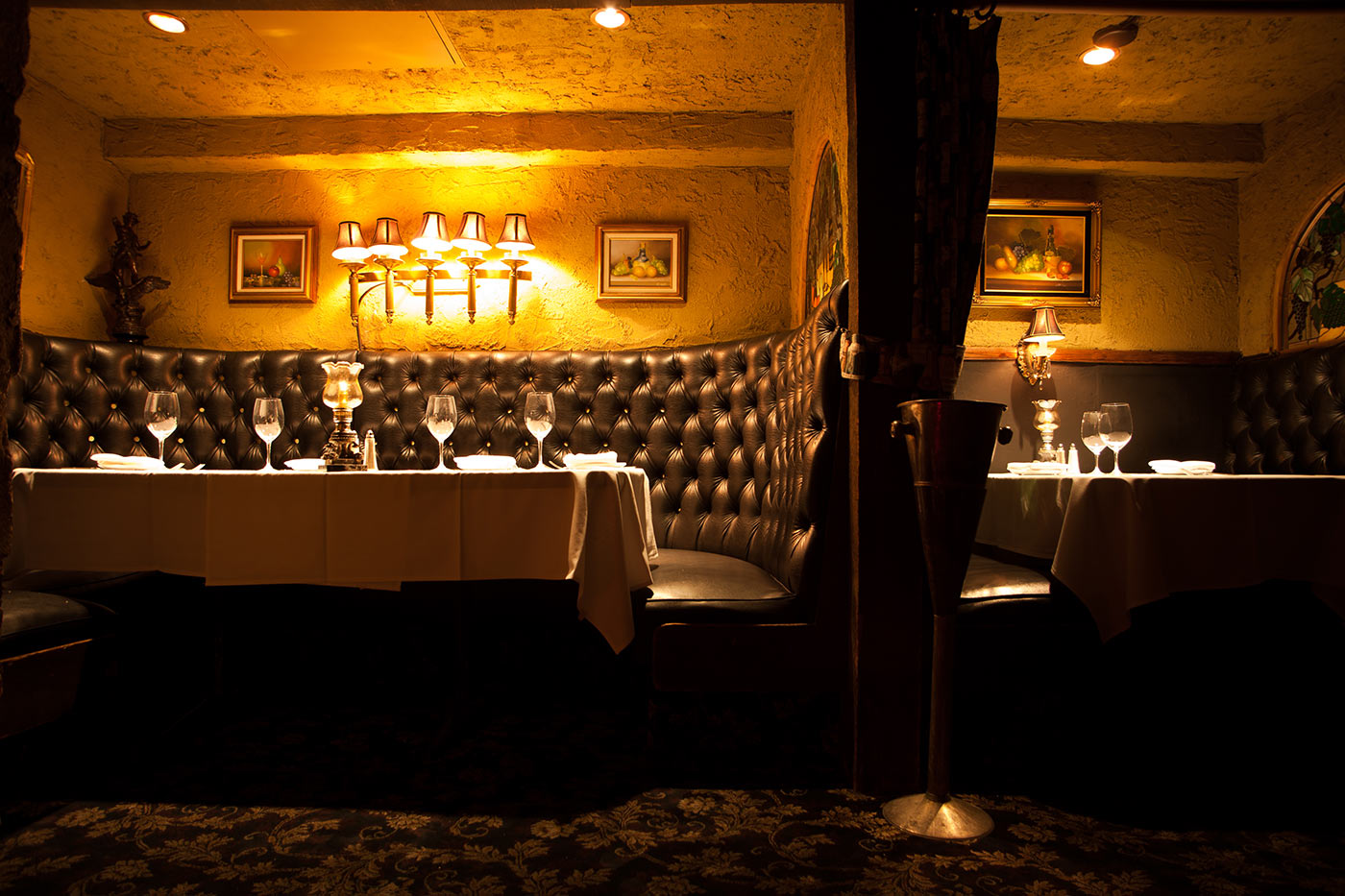
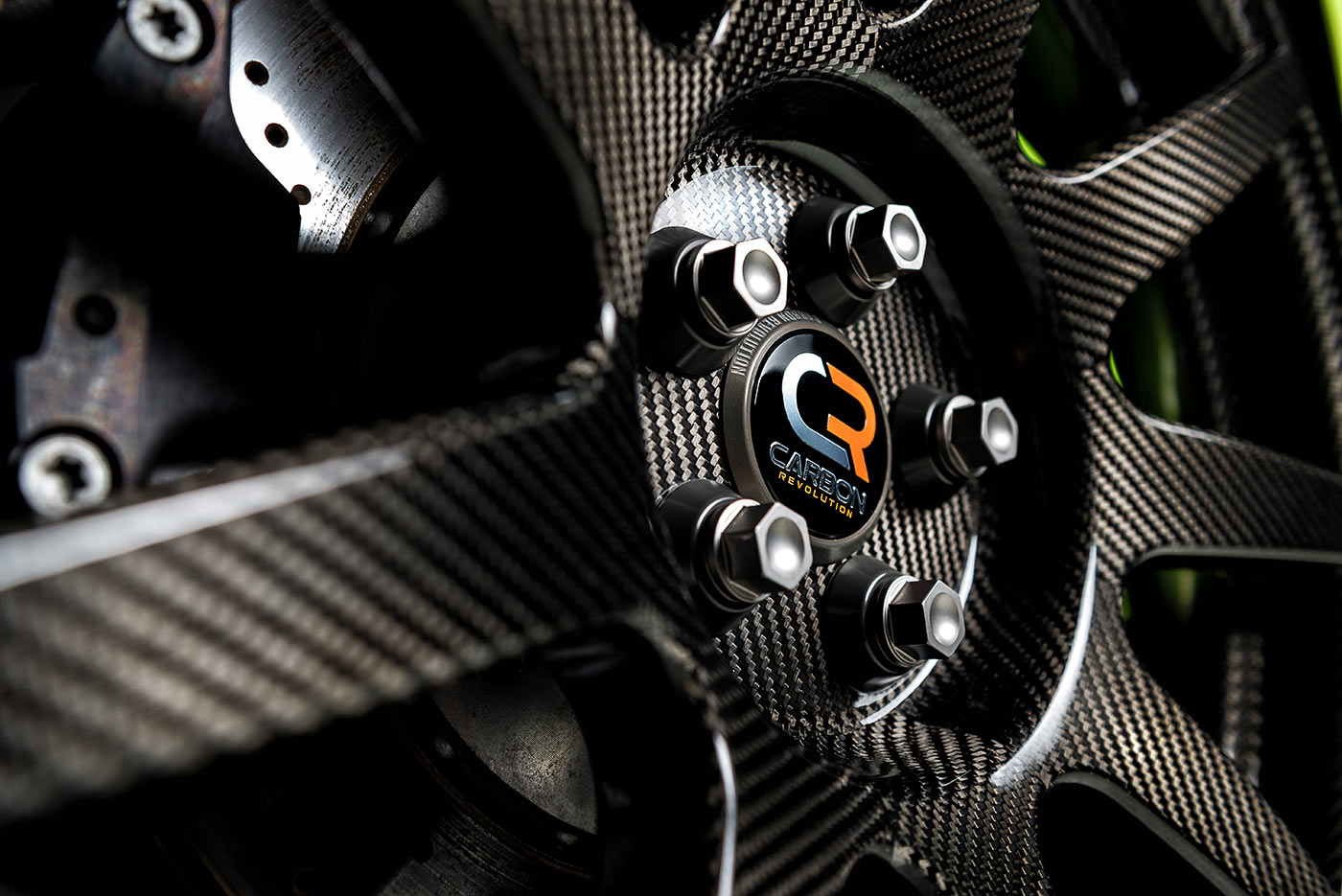
Look at the three photographs 714 Media chose to explain itself. In the first, a wall of photographers leans forward, lenses raised, waiting for the instant that matters. In the second, an empty dining room glows amber before service. In the third, a carbon-fiber wheel fills the frame so tightly that you can almost feel the weave. Press. Hospitality. Motorsport. It is a peculiar triptych until you understand the man behind it.
Rob Hallstrom was an editor before he was an agency founder. In a long-form 2022 interview, he talked about the old machinery of magazine publishing - interviews, covers, product tests, color reproduction, deadlines - and a career that ran through SPLASH and European Car. In 2007, he founded 714 Media in Fullerton, California. The new job sounded different. The underlying judgment was much the same: decide what is interesting, decide who will care, and make the two meet.
The actual productA reason to look up
The agency describes its purpose plainly: build and grow awareness of a client’s products and services among target audiences. Its menu includes public relations, social media, media relations, professional writing, corporate branding, product-launch communications and event management. Seven services can sound like seven separate invoices. Here they work better as a sequence.
One story, moved through several rooms
A launch begins with something the company knows and the public does not. The writing makes the idea portable. Media relations finds a credible messenger. Social extends the conversation. An event gives it a place and a clock. Branding makes the pieces recognizable as kin. This is why 714 Media says it works “in tandem” with existing marketing programs. It is not promising to replace a client’s entire commercial apparatus. It is trying to give that apparatus a story worth carrying.
The agency’s most useful service may be translation: from what a company wants to announce to what another person might repeat.
The public record supplies a good example. In 2009, Fullerton Electric announced a website produced by 714 Media. It did more than list services. The site used a virtual host, energy-saving advice, online offers and answers to common electrical questions. The electrician’s expertise became useful material for a homeowner. That move - from “here is our company” to “here is something you can use” - is an editor’s move.
The niche advantageCarbon fiber and candlelight
714 Media’s preferred markets look unrelated: restaurants and hospitality, automotive and motorsport, fashion and apparel, consumer products, and real estate and architecture. Yet all are cultures of connoisseurship. Customers care about small differences. A chef’s technique, a wheel’s construction, a garment’s cut or a room’s mood can become the whole reason to buy. Generic marketing flattens those differences. Specialist marketing knows which detail carries the voltage.
In 2008, 714 Media appeared as the media contact for ABD Racing Werks, a Volkswagen and Audi tuning business. The announcement was not merely about a personnel change. It framed the return of founder Dave Anderson as a return to boutique service and a core enthusiast audience. In 2012, the same agency name appeared beside Milton Security Group, which made network-access-control products. Another release tied Hallstrom to The Aura Group’s MovieConnect, an ad technology that put local theater times and ticket links inside movie advertising.
The objects changed. The task did not. Find the audience already inclined to care, then give it the detail that proves you understand why.
Fullerton as a mediumThe campaign that had a street address
The most revealing project in 714 Media’s history may be Fullerton Restaurant Week. In 2010, the agency joined the Fullerton Chamber of Commerce, the city and a collection of local media and production partners to present a week of fixed-price menus. Contemporary coverage counted more than 30 restaurants, with meals spanning $5 to $40. Hallstrom went on local radio to talk about it.
Restaurant Week turned a familiar marketing problem inside out. One restaurant asking for attention is an advertisement. Thirty restaurants acting together are an event. The city supplies identity, the calendar supplies urgency, price points lower the risk of trying somewhere new, and local media receive a story bigger than any single dining room. The participants became one another’s distribution.
Hallstrom founds the self-owned agency in Fullerton.
714 Media produces an interactive site for Fullerton Electric.
More than 30 restaurants join Fullerton Restaurant Week.
Technology and cybersecurity clients appear in the public portfolio.
Hallstrom joins local food and PR figures behind Chef.info.
The same integrated service model remains on offer.
The copyable lesson is not “hold a restaurant week.” It is to search for a unit of attention larger than the client. A fashion label can organize a conversation about a material. An auto supplier can create a useful technical comparison. A property firm can tell the story of a neighborhood instead of another building. The press release then reports the idea; it is no longer forced to be the idea.
The boutique equationContext instead of scale
714 Media is small. LinkedIn classifies it as a self-owned company with two to ten employees, while also displaying a wider set of associated profiles. That size sets the business model: custom professional services, sold through projects or ongoing relationships, with the founder’s judgment close to the work. No public rate card tells a prospect what the service costs. The relevant comparison is less about software seats than about the time and access of experienced communicators.
Its alternatives are easy to name: a larger integrated agency, a specialist shop, freelancers, or an in-house communications hire. The boutique earns its place when the client needs senior attention, strong writing and niche fluency more than a giant production bench. The approach depends on access to decision-makers and on having something genuinely useful, visual, timely or surprising to say. It is a poor fit for a company seeking guaranteed coverage, instant mass reach or a substitute for a weak product. Editorial instinct can locate the interesting detail. It cannot manufacture evidence forever.
Write the audience before the announcement. Choose one detail only insiders appreciate. Build a timely container larger than the brand. Then make press, social, events and owned content repeat the same clear idea in forms native to each channel.
The photographs now make sense. The press scrum is the destination, not the starting point. The dining room and the wheel are the raw material - places where specificity lives. 714 Media’s durable proposition is to stand between them: close enough to the product to notice what is special, and close enough to the media to know whether anyone else will look up.