product-innovation
(26)
The Ad Agency That Refused to Sell Hours - and Started Building the Products
Anomaly made a strange bet: an agency should solve the business problem even when the answer is not an ad. Two decades, seven offices and a few instructive flops later, that bet looks less eccentric than the industry it challenged.
Greg Radner Built a Career Translating Risk Into Decisions
Before risk intelligence became a boardroom staple, Greg Radner was already building the pipes that move consequential information. His career offers a practical lesson in turning complexity into something people can use.
Zappi Put Market Research on Fast-Forward. Then It Learned Speed Wasn’t the Product.
The Boston-based insights company began by making surveys faster and cheaper. Its bigger bet is that every test should make the next decision smarter - a useful playbook for any team drowning in one-off data.
Elena Otero Built Brands Across 40 Countries. Now She Works on the Questions Behind Them.
An engineer by training and a marketer by practice, Elena Otero learned to make global brands feel local. Her second act moves the same discipline from the supermarket shelf to the boardroom.

Allen Chai Built a Business Around the Useful Upgrade
For more than two decades, the Horizon Brands founder has pursued a modest but durable idea: everyday products earn their place by giving people time, confidence or control back.

Kevin Weschler Built a Sneaker for the Turn Everyone Else Missed
A salsa class exposed an awkward choice: dress like a dancer or move like one. Kevin Weschler built Fuego in the gap, then turned two pivot points into a global footwear business.
Nate Checketts Built Rhone Between Train Stops. Now He’s Playing the Long Game.
A childhood camp, an in-seat ordering startup and a briefcase full of fabric swatches all led to Rhone. A useful lesson from Nate Checketts lives beyond the clothing: small irritations can become durable systems.
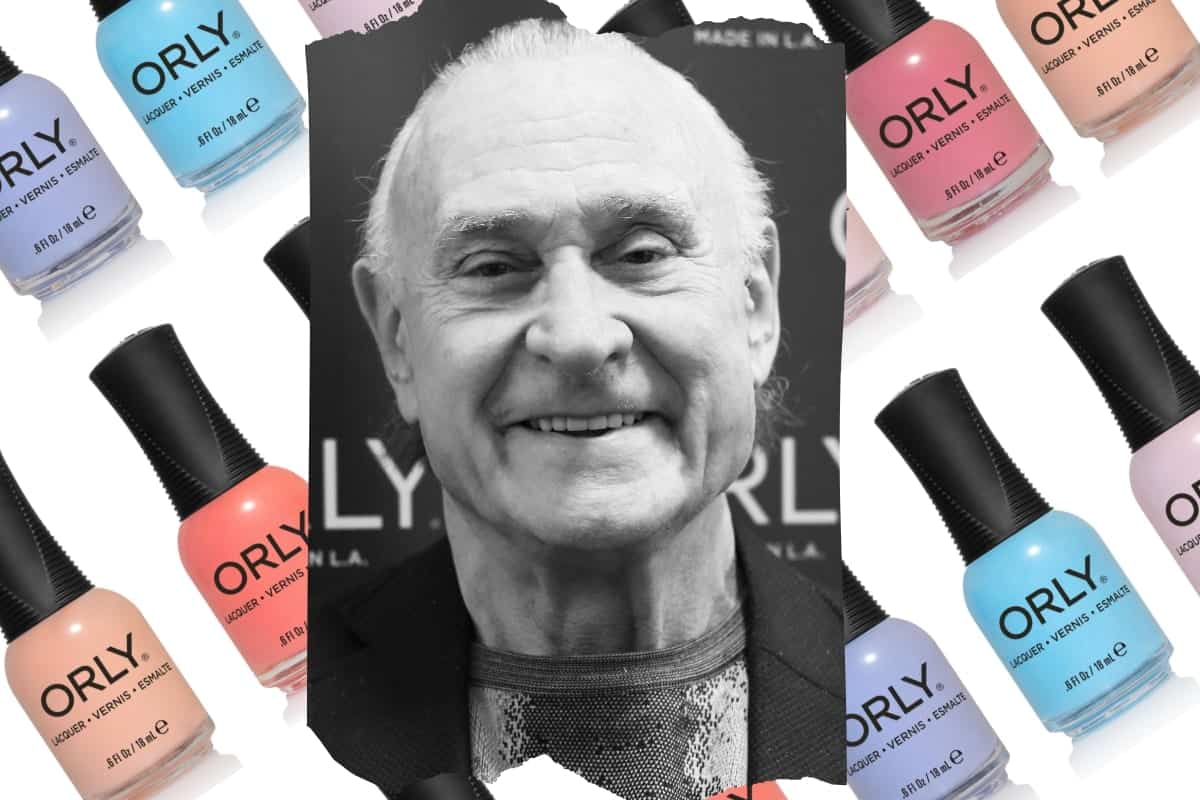
Jeff Pink Built a 50-Year Beauty Company From One Small Fix
A Hollywood wardrobe problem became the French manicure. The more durable lesson is how Jeff Pink kept listening, making, and refusing to sell for five decades.
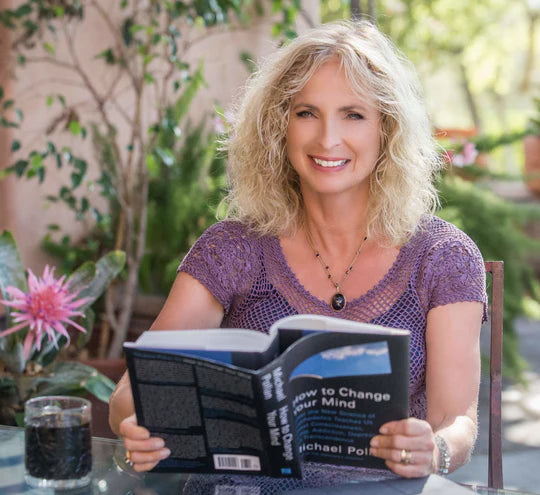
Caroline MacDougall Dreamed Up a Coffee With No Coffee in It
A dream supplied the name. Twenty years of apprenticeship supplied the nerve. Caroline MacDougall turned roasted roots, fruits and seeds into a new beverage ritual - then spent three decades teaching shoppers what to call it.
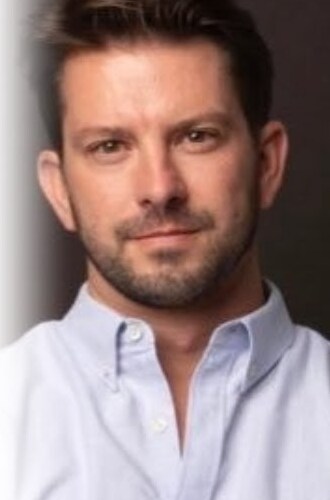
Chaz Flexman Is Teaching the Grocery Aisle to Show Its Work
After years moving between venture capital, connected hardware and consumer brands, Chaz Flexman found his most useful dataset in the supermarket. At Starday Foods, every snack is also a test of whether software can make product development less dependent on guesswork.
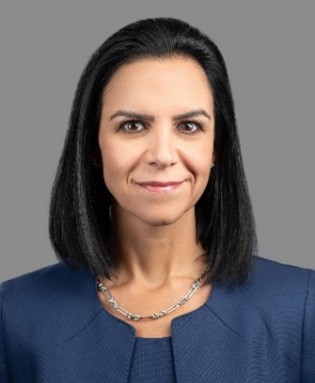
Tabata Gomez Knows the Brand Begins at the Table
From cosmetics to power tools to the spice rack, Tabata Gomez has carried one operating idea across categories: get close to the consumer, give teams a clear vision, and move while the moment is still alive.
SharkNinja Ships 25 Gadgets a Year. Here's the Machine Behind It.
How a former sewing-machine importer turned consumer complaints into a $6.4 billion gadget factory - one air fryer, robot vacuum and viral ice-cream maker at a time.
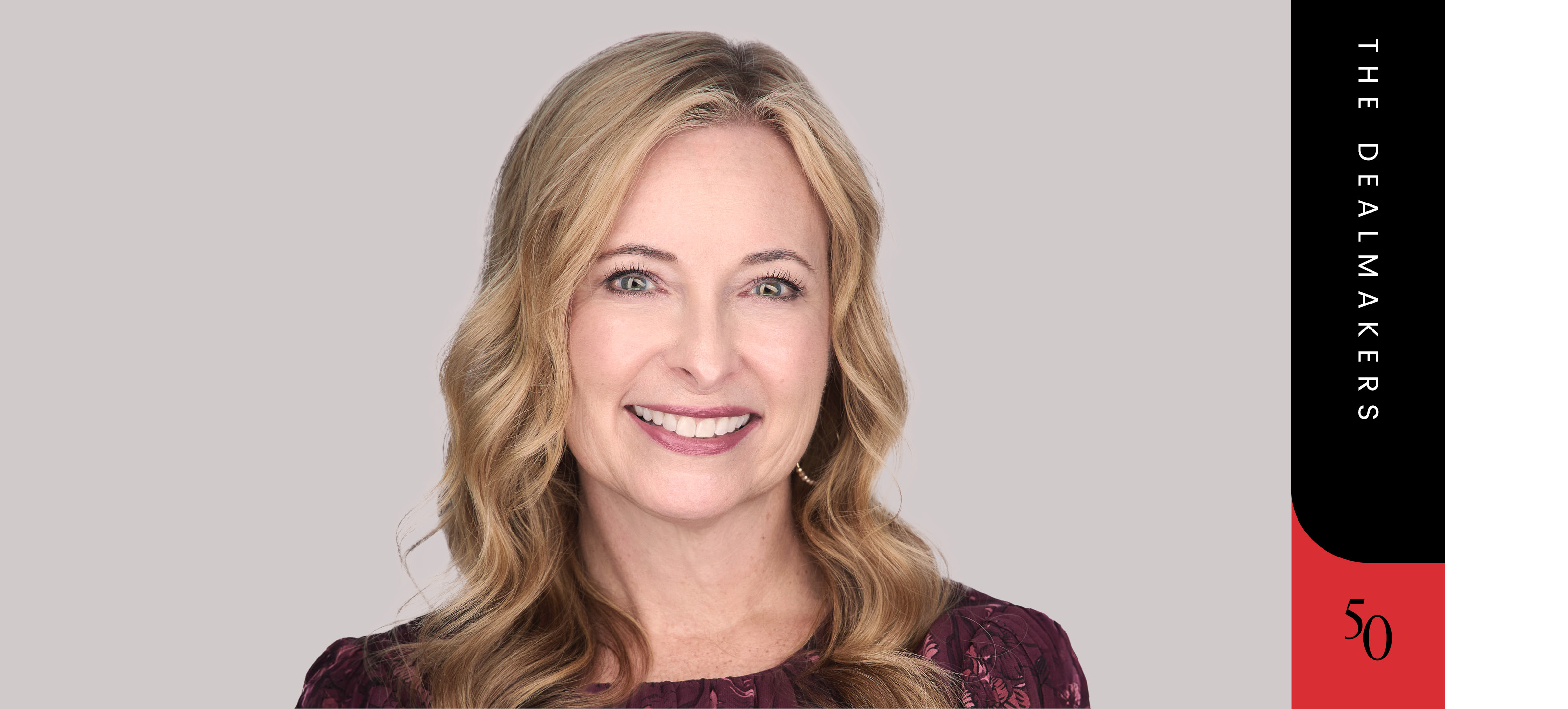
Stacey Ramstedt Counts What Makes a Brand Matter
The accountant turned CMO oversees about 80 brands, from a 180-year-old household staple to social-first beauty acquisitions. Her method begins with a plain question: why should one more household care?
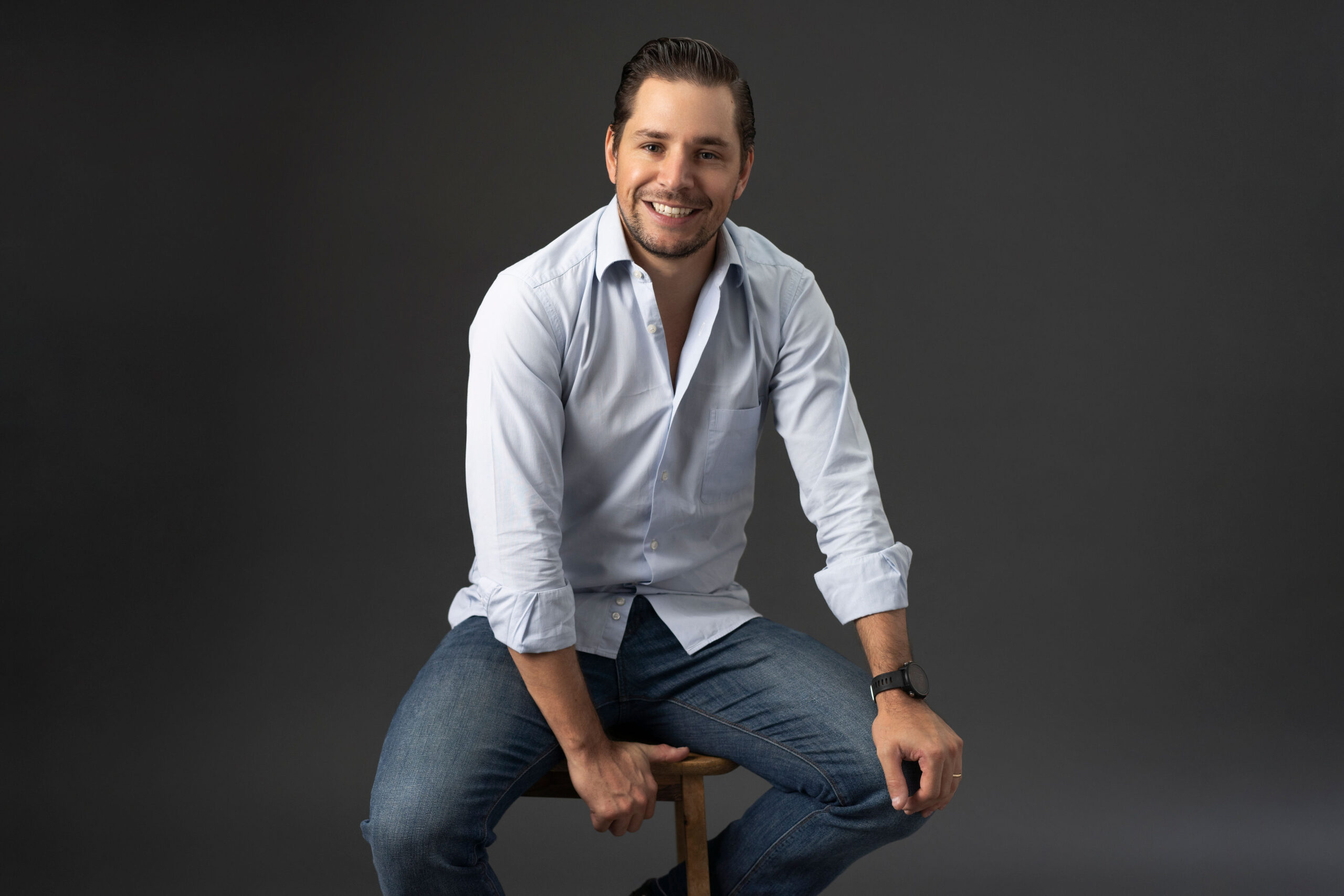
Guillermo Hermosillo Cue Knows a Global Brand Must Speak Local
From tamarind burgers to regional brand leadership, Guillermo Hermosillo Cue has built a career translating global scale into ideas that feel unmistakably local.
The Famous Name Hiding Behind America’s Bakery Counter
Sara Lee Frozen Bakery turned a household dessert name into an industrial answer to a modern problem: how to put bakery-style food on shelves and menus when time, labor and consistency are all in short supply.
Kraft Heinz Has a $25 Billion Pantry. Now It Has to Make It Hungry Again.
The merger built a pantry few rivals can match. A decade later, Kraft Heinz is spending more, reorganizing faster and asking whether famous brands can become growth brands again.
Procter & Gamble
The company behind Tide, Pampers and Gillette has spent nearly 190 years turning tiny household frustrations into repeat purchases. Its real product is a system for making ordinary things feel worth choosing again.
Edward Pilkington
Across three decades, five regions and a cabinet of familiar labels, Edward Pilkington learned that durable brands need both a fixed identity and the nerve to move with culture.

Samuel Bottum
Samuel Bottum built a marketing career around a practical idea: a durable brand begins with the people who know the work. At Snap-on, that has meant linking product innovation, customer insight and technical education across one unusually varied career.
Erin Daley
Erin Daley is the Chief Marketing Officer of Ariat International, the Union City, California maker of performance footwear and apparel for riders, ranchers, and outdoor athletes. A brand builder who started on Crest Whitestrips at Procter & Gamble and later ran marketing as SVP & CMO at e.l.f. Cosmetics during its high-growth years, she now leads brand and growth for a company doing roughly $420M in revenue with about 1,600 employees. She holds an MBA from Cornell's Johnson Graduate School of Management, where she has taught and coached marketing students since 2015.
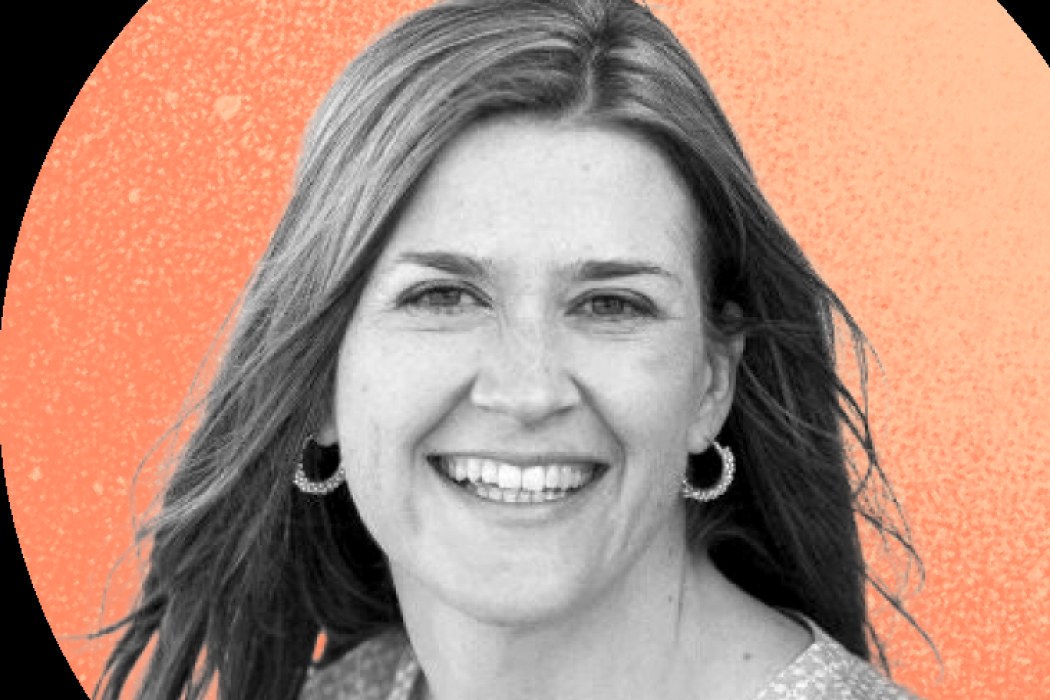
Sarah O'Leary
Sarah O'Leary is the CEO of Willow Innovations, the Mountain View company that built the first fully in-bra wearable breast pump. She joined Willow in 2019 as VP of Growth, climbed through CMO and Chief Commercial Officer roles, and was named CEO in December 2023. Under her, Willow moved from an e-commerce breakthrough to an omnichannel maternal-health brand, and in 2025 acquired UK femtech rival Elvie to build a scaled global platform. A mother of two who started her career in consulting, she is known for a 'mothers first' philosophy that treats the new mother as the person products should be built around.
Nike, Inc.
Nike, Inc. is the world's largest athletic footwear and apparel company, headquartered in Beaverton, Oregon. Founded in 1964 as Blue Ribbon Sports by University of Oregon track coach Bill Bowerman and his former runner Phil Knight, it was renamed Nike in 1971 after the Greek goddess of victory. Nike designs, markets and sells footwear, apparel, equipment and accessories under the Nike, Jordan and Converse brands, reaching consumers through wholesale partners and a growing direct-to-consumer business of retail stores, apps and Nike.com. With roughly $46.3 billion in fiscal 2025 revenue and about 80,000 employees, Nike sits at the center of global sport culture, backed by decades of athlete endorsements, the Swoosh logo and the 'Just Do It' slogan.
Tastewise
Tastewise is an agentic AI platform built exclusively for the food and beverage industry. It combines proprietary consumer panels, market trackers, and trillions of real-time food signals with AI agents trained on food behavior to help brands spot trends earlier, validate new products, win retail and menu placement, and automate marketing and sales. Its tools are used by a large share of the world's leading F&B companies, including Mars, Nestle, PepsiCo, Kraft Heinz and Kroger.
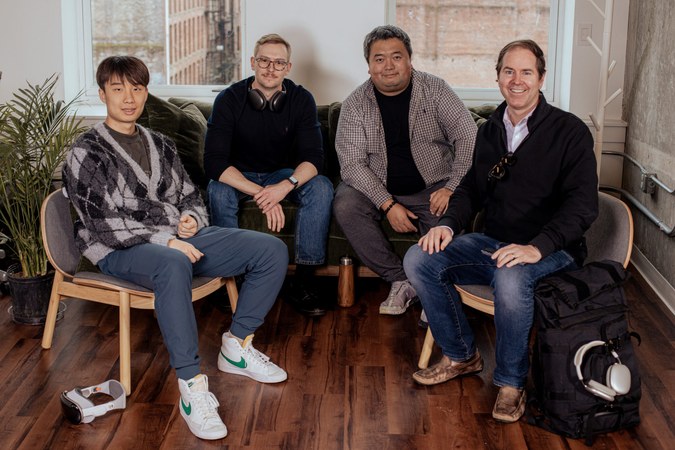
Ford Davidson
Ford Davidson is the co-founder and CEO of Enzzo, a Seattle AI company spun out of Pioneer Square Labs that helps hardware teams move from idea to investment-ready in half the time. A 20-plus-year product veteran, he built new-category devices and services at Microsoft, HTC, Amazon (Alexa), and Meta, sold his phone-backup startup Dashwire to HTC in 2011, and now wants to do for physical products what generative AI did for words and images.
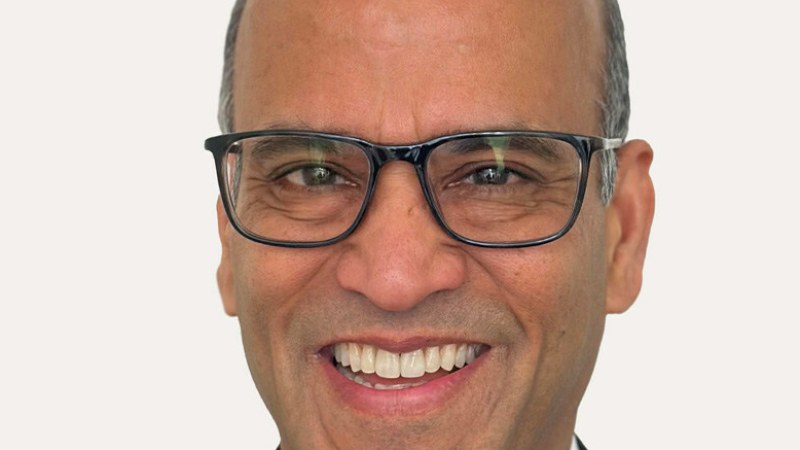
Adam Hyder
Adam Hyder is the Chief Development Officer and EVP of Engineering at Juniper Square, the private-markets technology company building the operating system for fund administration, investor relations, and partnership enablement. A technology leader with more than two decades of experience, he has run engineering and product at Malwarebytes, BlueJeans Network, Jobvite, and Yahoo HotJobs, and started his career working on Java in its earliest days at Sun Microsystems. He is known for scaling distributed global teams, shipping large-scale SaaS, consumer, and enterprise products, and turning sprawling roadmaps into shipped software.

QualSights
QualSights is a Chicago-based insights technology platform that helps brands decode real-world human behavior. It blends the depth of qualitative research with the speed of quantitative methods through patented always-on Smart Sensors, a mobile video participant app, and AI-powered analysis - capturing how consumers actually use products in everyday life. Trusted by Fortune 500 brands in CPG, pharma, and technology.