nonprofit-communications
(26)
Mueller Communications and the Long Road to Yes
The Milwaukee firm does its most revealing work before the announcement - translating complicated projects, wary publics and long approval processes into something people can act on.
Catalyst Media Factory and the Curious Power of the Room Above the Bail-Bonds Office
Jennifer Foster expected her solo PR experiment to last a few months. A decade later, Catalyst Media Factory has become a small Detroit agency built around a deceptively hard trick: finding the piece of a client's work that strangers will actually care about.
The Professors Who Play Hockey
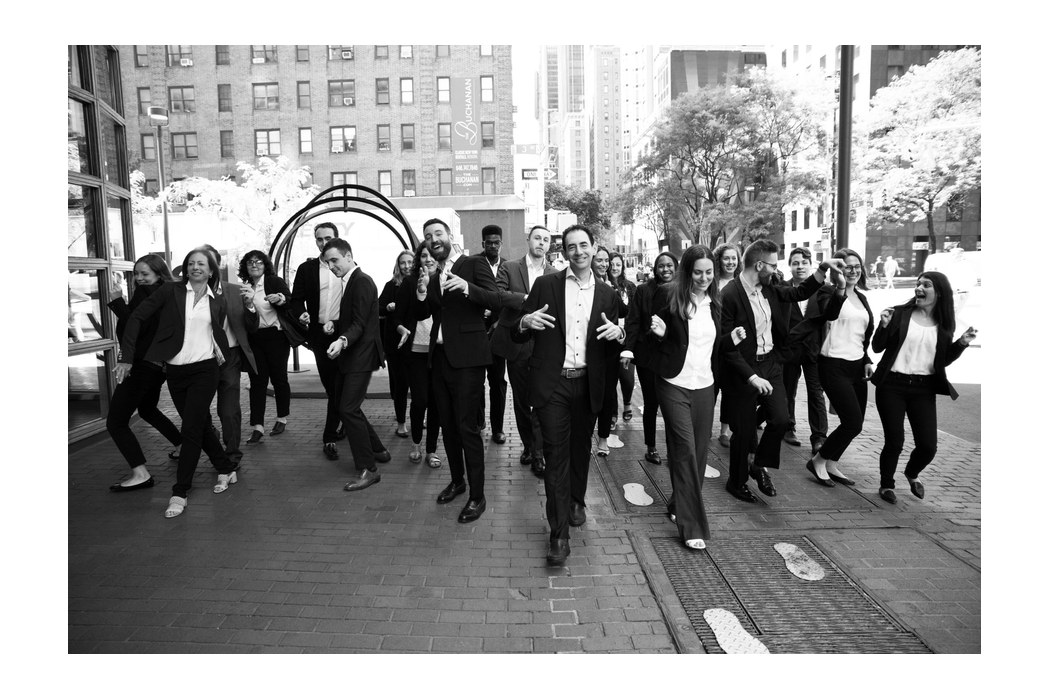
Group Gordon built a 20-year PR business around an unfashionable pairing: think before you pitch, then keep skating after everyone else has left the ice.

The Red Carpet Is Only Ten Percent of the Job
Priscilla Clarke built an agency where nonprofit purpose meets entertainment machinery. The visible payoff may be a headline, a gala or a red carpet - but the real product is the preparation nobody sees.
The Recession Gave Gregg Perry the Push He Wouldn’t Give Himself
He did not plan to become an entrepreneur. Then the financial system cracked, a Fortune 1000 client called, and a Providence communications shop discovered that small teams can be useful precisely when the stakes get large.
The Vocabulary Test: How The Wakeman Agency Turns Words Into Infrastructure
A small New York communications firm treats language like load-bearing architecture. For organizations working on contested issues, that changes what public relations is for.

The Publicist Who Turned Charlotte Into a Rolodex
For 20 years, Jameka S. Whitten has built publicity the old-fashioned way: by knowing which story matters, who needs to hear it, and why Charlotte is often the perfect place to begin.
The Small Firm That Learned to Make the Press Its Own Client
Veritas Group rarely behaves like an agency standing outside the room. It gets inside the machinery - producing the event, shaping the coalition, building the outlet, and making communications part of the work itself.
The Agency That Thinks Like a Press Box
Tony Fay Public Relations built a national agency by treating publicity less like promotion and more like deadline journalism - find the angle, assemble the assets, and give the story somewhere useful to go.
Barefoot PR Built a Million-Dollar Business on Four Bullet Points
The Denver firm began with a tiny business plan and a serious partnership charter. Fifteen years later, its clearest product may be the discipline to turn good intentions into work people can actually use.
The Most Valuable Thing in Chicago PR Is a Memory
The Silverman Group built a 27-year business around an unfashionable advantage: remembering who matters, what happened before, and which story belongs in which room.

The Event Came Back. The Control Room Stayed.
Digimentors learned to turn conferences into television when rooms went dark. The more interesting trick was knowing which pieces to keep when everybody came back.
The Attention Brokers Who Turned a Golf Tournament Into a Seven-Year Story
Co-Communications built its business on a stubbornly practical idea: attention is useful only when it changes something. Enrollment rose, legislators voted, sponsors called - and a regional agency made the outcomes the story.
The 39-Year Bet on Saying No
Vanguard Communications built a durable agency by refusing the usual agency premise: that every paying client is a plausible client. Its narrow filter - communication in service of public good - became a surprisingly wide field of work.

The consultancy that turns a roomful of missions into one usable story
LightBox Collaborative does not begin with a logo or a press release. It begins with the harder question: what must the audience understand, feel, and do next?

The PR Firm That Turns Bureaucracy Into Something People Can Use
Full Court Press Communications found a durable niche between the policy memo and the public. Its best work begins where information is important, complicated and useless unless somebody can make it travel.

Mixte Communications knows when to hand over the microphone
The social justice agency sells a scarce commodity: communications capacity. Its work shows why the person delivering a message can matter as much as the message itself.
Change Consulting puts a good cause to work
A worthy mission still needs someone to make the calls, shape the message and get the story out. This Oakland agency has built its business around that unfinished work.
Elle Communications wants good causes to get good publicity
An agency built around social impact found its next act inside an entertainment group. The deal explains something useful about publicity: a worthy story still needs a way into the room.
Cause Communications wants your good work to travel further
A free toolkit, six-month learning cohorts, and a willingness to hand communities the microphone: inside the Los Angeles firm that treats communications as a skill worth sharing.
EMC Communications knows who should do the talking
A business owner asking for higher wages. A banker stepping out of crisis mode. EMC Communications helps good causes find the people, evidence, and timing that make a story travel.
Intesa knows who needs to hear it
A San Diego communications firm built its business where reputation meets public policy. Its most revealing work starts before anyone writes a press release.
Change Craft puts the audience in the writing room
The Sacramento communications firm brings young people, community leaders, and public agencies into the same conversation. Its work reveals how much a campaign depends on who helps make it - and who controls the budget.
Miller Ink knows which part of the story travels
A Banksy on a building. A lullaby on a screen. A statement before a deadline. The Los Angeles communications firm works on the small decisions that determine whether a message gets through.
At Tehama Group Communications, the agency runs on a semester clock
Chico State’s student-run PR agency puts paying clients on the syllabus. Its work ranges from honeybee brochures to city climate outreach, with each semester bringing a fresh test of what students can deliver.
Barretto-Co. puts design to work close to home
An Oakland studio pairs corporate branding with public-school pride and civic reporting. Its most revealing work shows what happens when design has to answer to the people down the street.