On January 2, 2009, Gregg Perry opened a public-relations firm in Providence at roughly the moment when sensible people were trying not to open anything. The financial markets had crashed. Employers were not hiring. Perry had spent nearly two decades working for other people, and friends had long told him to hang out his own shingle. His reaction was not the polished confidence of founder lore. It was fear: What if nobody hired him? How would he pay the bills?
The crash answered one question by removing the comfortable option. Perry later wrote that he had never expected, or planned, to run a business. With full-time jobs scarce, he proposed something smaller: gather a few hours of work here, a few more there, and see whether clients found his experience useful. Then a Fortune 1000 company needed media-relations help. That happened to be his strong point. The Perry Group had its first real client.
That origin is more than a charming recession anecdote. It explains the firm’s shape. The Perry Group is not a software platform and does not sell a single repeatable object. It sells experienced attention in useful portions: an ongoing program, a defined campaign, an emergency response, a workshop, or now a 90-minute Spark Session. The unit changes. The underlying commodity is judgment.
A newsroom with no deadline bell
Perry began in journalism, then worked with a state attorney general and a U.S. congressman before joining communications firms in New England and Washington. His team follows the same cross-pollinated logic. Former reporters sit alongside people who have led marketing departments, schools, public-policy work, grant programs and social channels. Several staff members work in both English and Spanish.
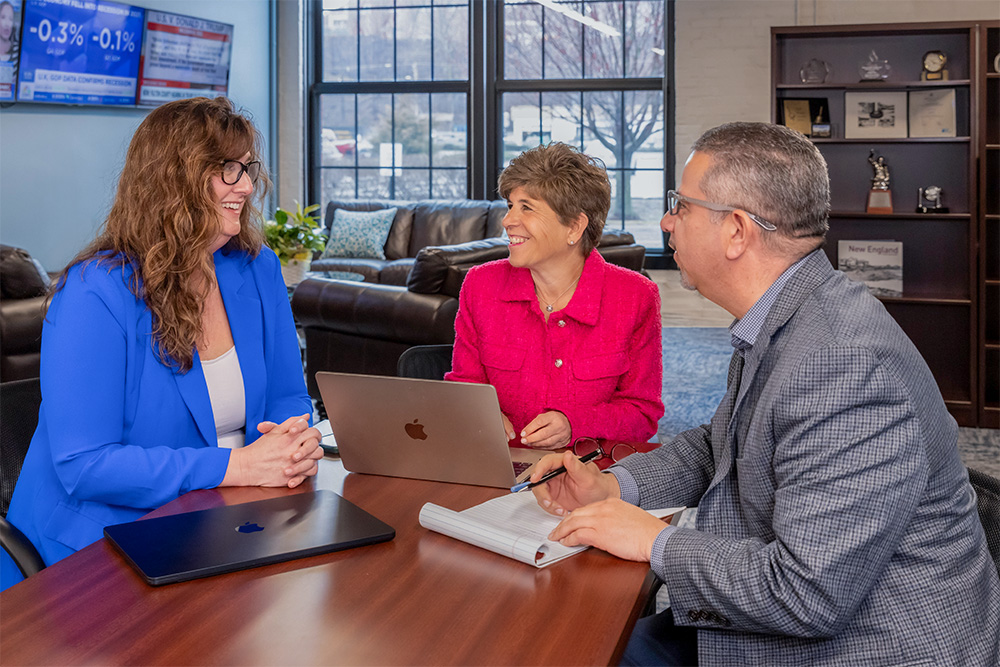
The arrangement matters because communications problems rarely arrive in communications-shaped boxes. A lawsuit is a legal event until employees read about it. A school emergency is an operational event until parents start calling. A nonprofit launch is a fundraising event until a community asks who benefits. The words must pass through several rooms without changing their meaning.
“I figured if I could string together a few hours here, and a few hours there … it would be a start.”Gregg Perry, reflecting on the firm’s launch
This is where the firm competes. A company can hire an in-house communications leader, retain a large regional agency, call a solo crisis adviser or assemble freelancers. The Perry Group’s offer sits between those options: a relatively small core with senior specialists attached to the assignment. Clients buy access and context without necessarily carrying every specialty as permanent overhead.
When the school day turns into a clock
In 2023 the agency made its education work more explicit. It joined The Capellan Group, led by former superintendent and school principal Victor Capellan, to create a national K-12 crisis-communications practice. The proposition was almost embarrassingly obvious once stated: school executives are expected to communicate through pandemics, political conflict and tragedy, yet many were trained to run schools, not breaking-news operations.
verify + assign1-3 hrs
staff + families + media3+ hrs
updates + trust + correction
Perry’s observation was that the first several hours are critical. Capellan’s contribution was lived context: he knew what school leaders, staff and families were doing while the communications team drafted. Their practice adds former vocational-technical superintendent James O’Brien and Emmy-winning journalist Anaridis Rodriguez. It is a neat answer to a common consulting weakness. Expertise about talking is paired with expertise about the place being talked about.
The same pairing now reaches beyond emergencies. Kerci Marcello Stroud joined in 2024 after a decade as Rhode Island School of Design’s chief marketing and communications officer, where she led brand and crisis work. The education practice can therefore sell prevention as well as response: positioning, stakeholder engagement, media strategy, executive coaching and plans that exist before the phone starts vibrating.
What, exactly, can a client buy?
Media relations, thought leadership, events, social media and brand positioning.
Crisis plans, on-demand response, issues management, coaching and post-incident review.
Policy advocacy, community relations, corporate responsibility and litigation communications.
Workshops, media training, public-speaking coaching and focused strategy sessions.
The buyers are as varied as the verbs: large corporations, small businesses, law firms, school districts, universities and nonprofits. The public client record includes Newport Bay Club & Hotel, Beautiful Beginnings, St. Mary Academy - Bay View and Jammat Housing and Community Development. Papitto Opportunity Connection hired the agency for community relations and branding around a foundation investing in education, job training and entrepreneurship in Rhode Island’s BIPOC communities.
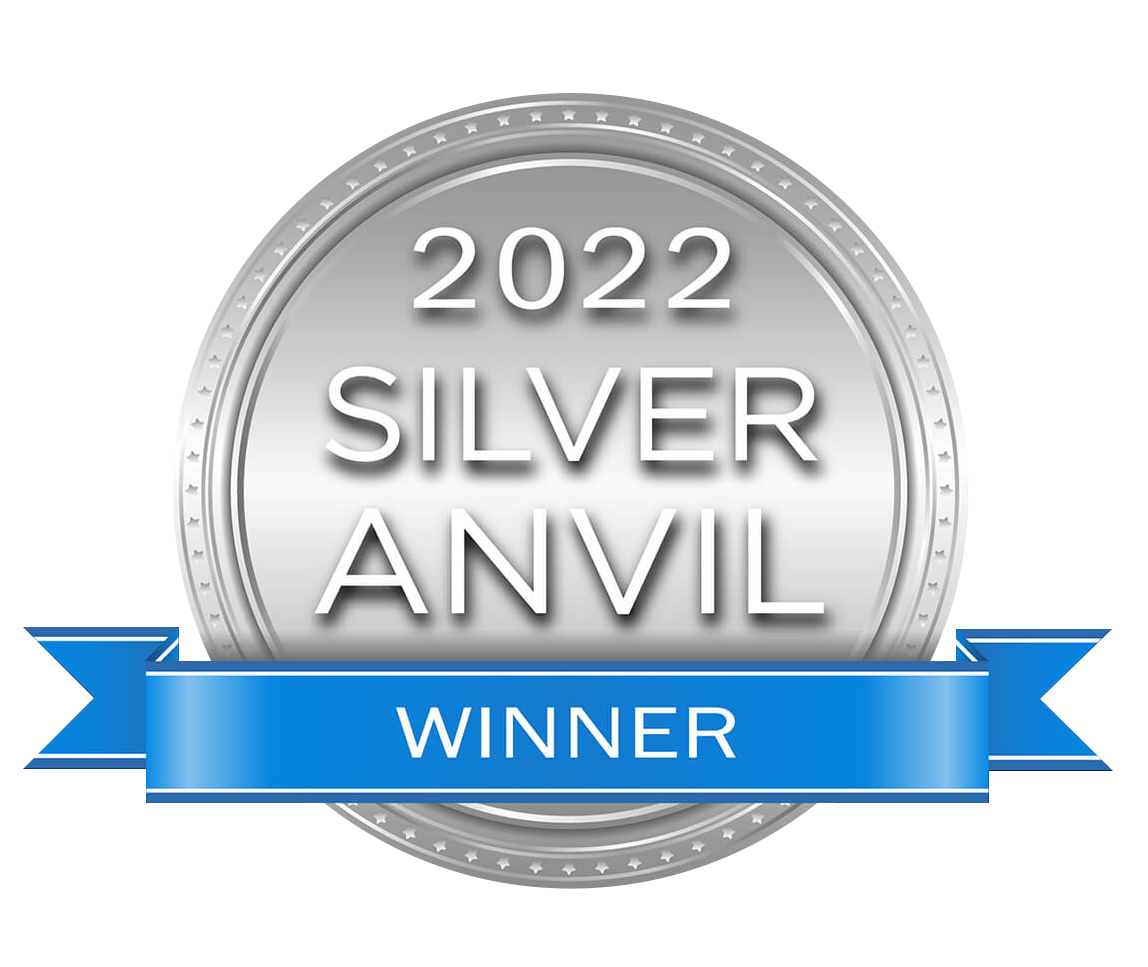
That campaign earned the 2022 Public Relations Society of America Silver Anvil for nonprofit community relations. The list of credited partners is instructive. The Perry Group did not pretend that strategy, video, design and photography all sprang from one desk. It assembled a coalition. The method resembles the company itself.
The only public price tag
Like most consultancies, the agency does not publish a rate card for current client work. There is one revealing historical price. In 2017, The Perry Group and DMacVoice Communications advertised a day-long public-speaking workshop at $425 a person, or $375 for early registration. Attendance was capped at 15. Participants could be recorded on video, receive immediate critique and leave with a workbook.
The format tells us more than the number. This was not an auditorium business. The economics depended on a small room, direct access and uncomfortable practice. The present-day Spark Session compresses the idea further: 90 minutes, virtual or in person, with senior strategists, aimed at one live communications problem. The promised output is not a grand binder. It is direction someone can use.
What another small firm can copy
- Start with a problem someone will pay to solve now, not a complete menu you hope to sell later.
- Keep the core team close and bring sector specialists into the room when context matters.
- Turn expertise into different sizes of engagement, from emergency help to a focused session.
- Practice fiscal restraint. Perry’s own fifth-anniversary advice was not to overextend the business.
The model has conditions. It works when a client values senior access, bespoke counsel and people who can navigate ambiguity. It is less compelling for buyers who want a cheap, standardized, self-serve product or a huge production department under one roof. And its flexible bench only works if collaborators already trust one another; assembling strangers during a crisis merely relocates the crisis.
The recession lesson, minus the romance
When Perry marked five years in business, he listed what he had learned: believe in your ability, hire smart people you genuinely respect, be there for clients, avoid financial overreach and enjoy the work. None is proprietary. That is what makes the list credible. Small service firms are rarely protected by patents. They are protected, imperfectly, by accumulated trust and by the habit of being useful before the client has to ask twice.
The Perry Group’s story is sometimes told as proof that a crisis can create an opportunity. The less polished interpretation is better. A crisis removed Perry’s preferred route. He responded by making the smallest viable offer - a few hours of a skill he already possessed - to a company that already needed it. The wager grew from there. Copy the sequence, not the drama.