music-technology
(14)
ROLI taught the keyboard to bend. Can it teach the rest of us to play?
The Seaboard made a piano-shaped instrument behave like something else entirely. Now ROLI is betting on light-up keys, hand tracking and an AI coach - while its business faces another financial test.
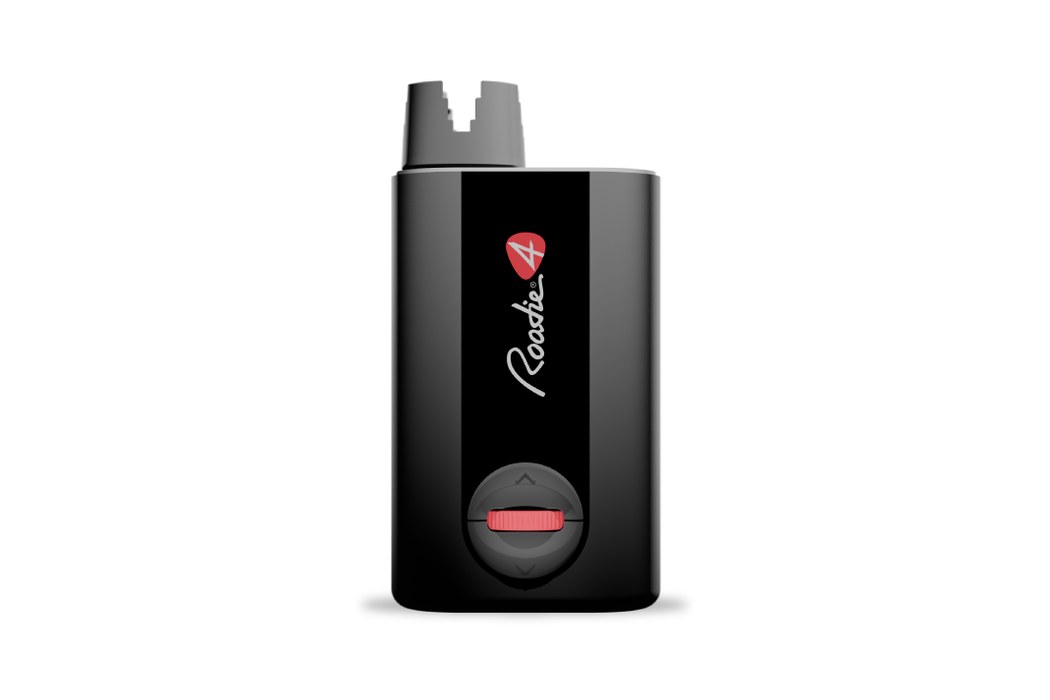
Roadie Built a Robot for the Most Annoying 60 Seconds in Music - Then Musicians Paid to Improve It
A 12-string oud created a tedious problem. Four generations, several crowdfunding campaigns and one stubborn hardware company later, Roadie has turned tuning pegs into a small but revealing consumer-tech business.
The Company That Made a Flop, Then Made It the Sound of Modern Music
Ikutaro Kakehashi built drum machines nobody wanted. Then a generation of broke producers dug them out of pawn shops - and rewrote pop music with them.

Positive Grid Put a Guitar Rig in an App - Then Learned the Hard Part Was Shipping the Amp
Positive Grid turned a deep guitar-software engine into a friendly living-room amp and found a mass audience. Its next test is whether the same app-first playbook can travel from the bedroom to the stage.
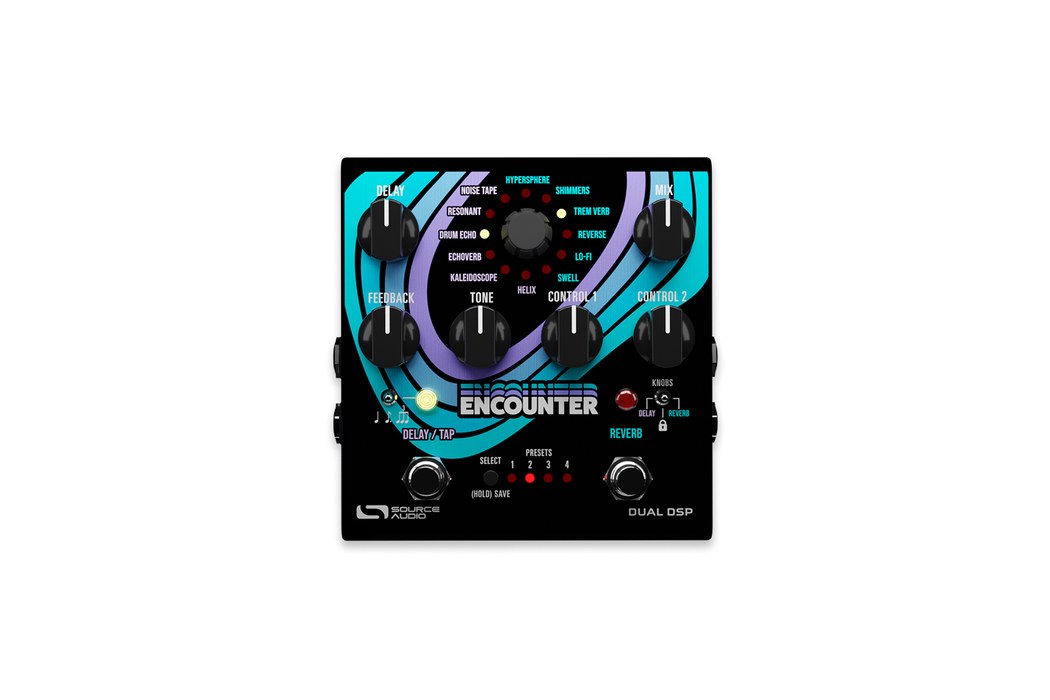
The Woburn Pedal Nerds Who Turned a Spare DSP Chip Into a Cult
A six-person shop of chip engineers and sound obsessives spent 20 years making effects pedals that other companies would later copy. Then Ernie Ball came knocking.
The Company That Taught a Reed Organ to Play the 1980s
A broken schoolhouse organ in 1887 became the world's largest instrument maker. How Yamaha turned tuning forks, FM chips and player pianos into a 3-billion-dollar sound empire.
Fender’s Hardest Product Isn’t a Guitar. It’s the Second Lesson.
The company that gave rock music its favorite silhouette now has a more delicate job: keeping a beginner from putting the guitar back in the closet.
Believe Built the Missing Middle Between Uploading a Song and Building a Career
The Paris company turned digital distribution into a ladder: self-serve tools at the bottom, local expertise in the middle, and full artist development at the top. Now it is adding publishing, deeper marketing, and a responsible-AI position to the same system.
Hook
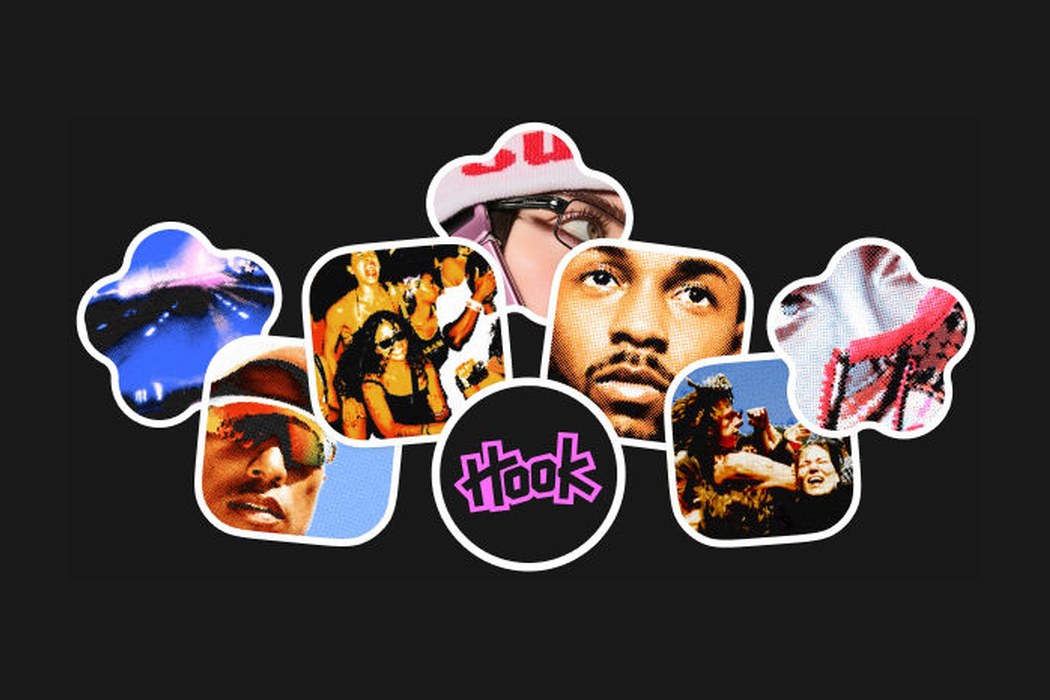
Hook is a New York-based music technology company behind an AI-powered social app that lets fans legally remix and mash up licensed songs into short-form clips for social media. By combining a catalog of over 20 million licensed recordings with AI tools for genre-shifting, tempo changes and video editing, Hook aims to turn unauthorized fan remixing into a channel that keeps artists and rights holders in control - and paid. Founded by former JioSaavn COO Gaurav Sharma, the company launched on iOS in early 2026 and raised a $10 million Series A led by Khosla Ventures.

Medallion
Medallion is a New York-based music technology company that gives recording artists a white-label digital hub to build and monetize their own fan communities. Founded by former Songkick CEO Matt Jones and launched in 2022, the platform lets artists promote releases, tour dates and merch drops, sell digital collectibles and 'Digital Deluxe' albums, and offer exclusive access to their most devoted superfans - all under the artist's own branding rather than a third-party social feed. Backed by $22.7M in funding from investors including Dragonfly, Lightspeed Faction, The Chernin Group and Metallica's Black Squirrel Partners, Medallion powers communities for artists such as Jungle, Disclosure, Greta Van Fleet, Sigur Ros and My Morning Jacket.

Rivet
Rivet is a Boston-based, AI-powered fan engagement platform that helps musicians, creators, labels and their teams turn attention into revenue. It stitches together scattered fan signals from social, commerce, ticketing, streaming and community channels into one owned view of every fan, then automates the outreach - email, SMS, DMs and ads - that converts casual listeners into repeat buyers. Born from a musician's frustration with tracking fans in spreadsheets, Rivet gives independent artists the kind of first-party data and CRM tooling once reserved for the industry's top 1 percent.
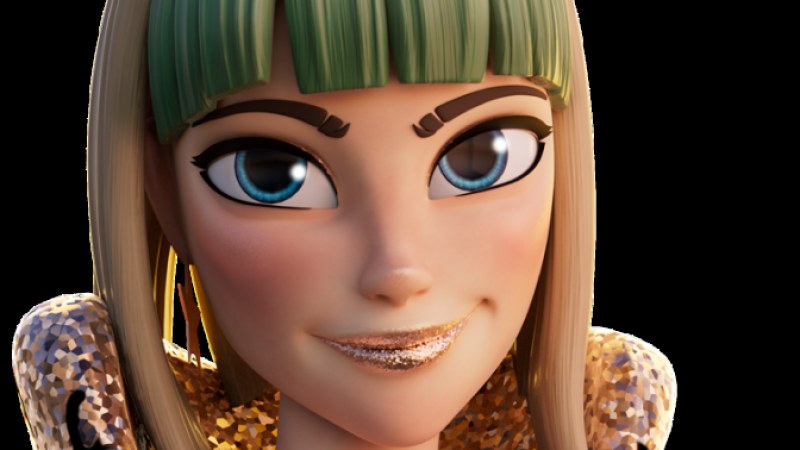
Splash
Splash is an Australian AI-music company that turns Roblox players into music makers and performers. Founded in Brisbane in 2017 by ex-Twitter alumni, it builds proprietary AI for text-to-singing, generative composition and voice transfer, then wraps that tech inside games and apps where Gen Z and Alpha fans create, remix and perform tracks live. Its flagship Roblox world, Splash: Skate & Music, has surpassed 480 million visits, and the company is led by CEO Tracy Chan, formerly of SoundCloud, Twitch, Spotify and YouTube.
Output Inc.
Output is a Los Angeles-based music technology company that builds software instruments, effects, and AI-assisted tools for musicians, producers, and sound designers. Founded in 2013 by composer Gregg Lehrman, its plugins - including the cloud-connected sampler Arcade and the AI-powered Co-Producer - have shaped records by Drake, Justin Bieber, Coldplay and Rihanna, as well as scores for Stranger Things and Game of Thrones. The company bootstrapped for seven years before raising a $45M Series A from Summit Partners in 2020.

Suno
Suno is a Cambridge, Massachusetts company building generative-AI tools that turn a text prompt into a full song - vocals, instruments, and lyrics - in seconds. Founded by four former Kensho machine-learning engineers who were also musicians, Suno has grown into one of the most-used consumer AI apps, with tens of millions of users generating millions of tracks a day. It rode a string of rapid model releases (v3 through v5) and an in-browser DAW called Suno Studio to roughly $300M in annual recurring revenue and a $5.4B valuation, all while fighting - and beginning to settle - copyright lawsuits from the major record labels.