Brisbane · AI Music · Est. 2017
Splash.
The recording studio is now a video game. The fans are now the artists.
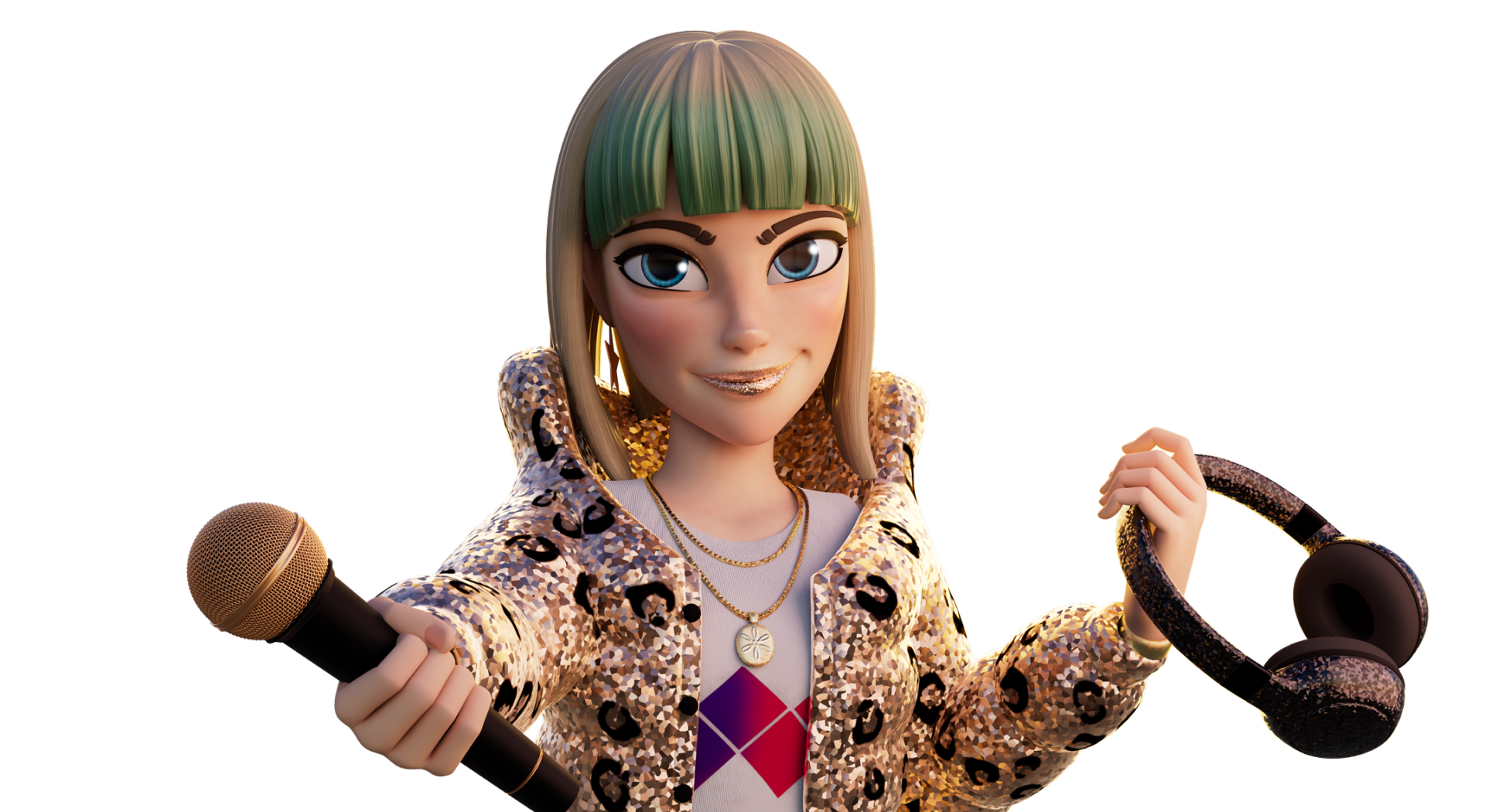
The recording studio is now a video game. The fans are now the artists.
The Scene
Somewhere on Roblox right now, a fourteen-year-old is producing a phonk track she will never call work. She picked a beat, hummed a melody into her phone, and a digital pop star named Kai finished the song for her. In a few minutes it will play inside a virtual skate club where strangers dance to it. She did not read a manual. She did not buy a plugin. She is, by every meaningful definition, a musician - and she has no idea she is using some of the most advanced AI singing technology ever built.
That is the trick Splash has been perfecting since 2017. Most AI-music companies show you the machinery. Splash hides it inside a game and lets the fun do the talking.
The numbers behind the noise. Headline figures compiled from public reporting and company statements; some are approximate and move quickly.
Who They Are
Splash - legally Splash Music Group - was founded in Brisbane's Fortitude Valley by Stephen Phillips and Richard Slatter, two engineers who had done this dance before. Their earlier venture, We Are Hunted, was a machine-learning music-discovery tool that Twitter bought around 2012, pulling Phillips to San Francisco for a stint on Twitter Music before he came home to Queensland. They knew two things cold: how to teach machines about music, and how quickly the music industry can break your heart.
So they built the technology first and the wrapper second. Under the hood, Splash developed proprietary models for text-to-singing, text-to-rap, generative composition, melody creation, voice transfer and mastering. On the surface, none of that vocabulary appears. What appears is a beat, a microphone, a club full of avatars, and a green button that says go.
"Music is ultimately about connection. I'm inspired by Splash's vision to make music fun and accessible to anyone, and the momentum they've built within Roblox."
- Tracy Chan, CEO of Splash
What You Can Make
An immersive world where players skate, dance, build clubs and perform live music to each other using AI-generated beats and melodies. The big stage - 480 million-plus visits and millions of monthly players.
Pick a beat, sing or hum a melody, and the virtual artist Kai "finishes" your track. The songs become the soundtrack inside the Roblox game - already streamed 105M+ times.
The original beatmaker: sound packs, instruments and a community sharing creations under #madewithsplash. The proving ground before the game took over.
A text-to-music generator dubbed the "Midjourney for music." Splash shut it down in March 2024 to refocus on games - a rare case of a startup walking away from the hype it created.
Same brain, different bodies. Every product draws on the same AI music stack Splash has built since 2017.
The Line They Drew
Generative AI music has spent the last few years getting sued. Splash took the unfashionable position early: don't train on what you don't own. The company states plainly that it only uses artist content with permission and won't use catalog content to train models without consent. It is a constraint that costs them data and earns them trust - a trade most of their competitors declined to make.
"It is unethical for generative AI companies to make money off the backs of artists and songwriters, without compensation or attribution."
- Splash leadership, on AI training practices
How It Happened
Stephen Phillips and Richard Slatter found Splash in Brisbane, building proprietary AI music technology.
The Splash consumer music-making app launches on mobile.
Splash arrives on Roblox - young players start DJing with AI-generated beats and loops.
Series A raised, co-led by Amazon's Alexa Fund and BITKRAFT Ventures, to chase the metaverse-music dream.
Splash Pro - the "Midjourney for music" - launches as a text-to-song web app.
Tracy Chan becomes CEO; Phillips moves to Chairman. Splash Pro is retired to refocus on games. Kaimix launches in December.
Kaimix tracks cross 105M in-game streams; the virtual band expands with River and Milo alongside Kai.
The Money
Series A reported in 2021 (cited as ~AUD $27M). Figures approximate, from public reporting.
Strange bedfellows, shared thesis. A voice-assistant fund, a games-focused VC and a deep-tech investor all in on the same Brisbane studio.
The People
Built We Are Hunted (acquired by Twitter), did time on Twitter Music, then founded Splash. Stepped from CEO to Chairman in 2024 to bring in operating muscle.
Former Chief Content Officer at SoundCloud, Head of Music at Twitch, product director at Spotify, and a YouTube product manager who designed YouTube Insight. Founded CrowdAlbum (acquired by Spotify).
Watch & Play
Best experienced loud. The case for Splash is hard to make on paper and easy to make in a headset.
Back to the Scene
Her track drops into the club. Avatars she has never met start moving to a melody she hummed on a bus. There is no record label in this story, no gatekeeper, no contract she didn't understand. There is a beat, a voice that used to be hers, and a room full of people enjoying it.
That is what Splash actually changed. Not the technology of making music - plenty of companies can generate a song now. What Splash rebuilt is the doorway: it turned the intimidating act of "making music" into something that feels like playing a game with friends. The AI is real, the ethics are deliberate, and the stage is a Roblox club that millions of kids already call home. The musician never had to learn she was one. She just pressed go.
The Rolodex