music-technology
(12)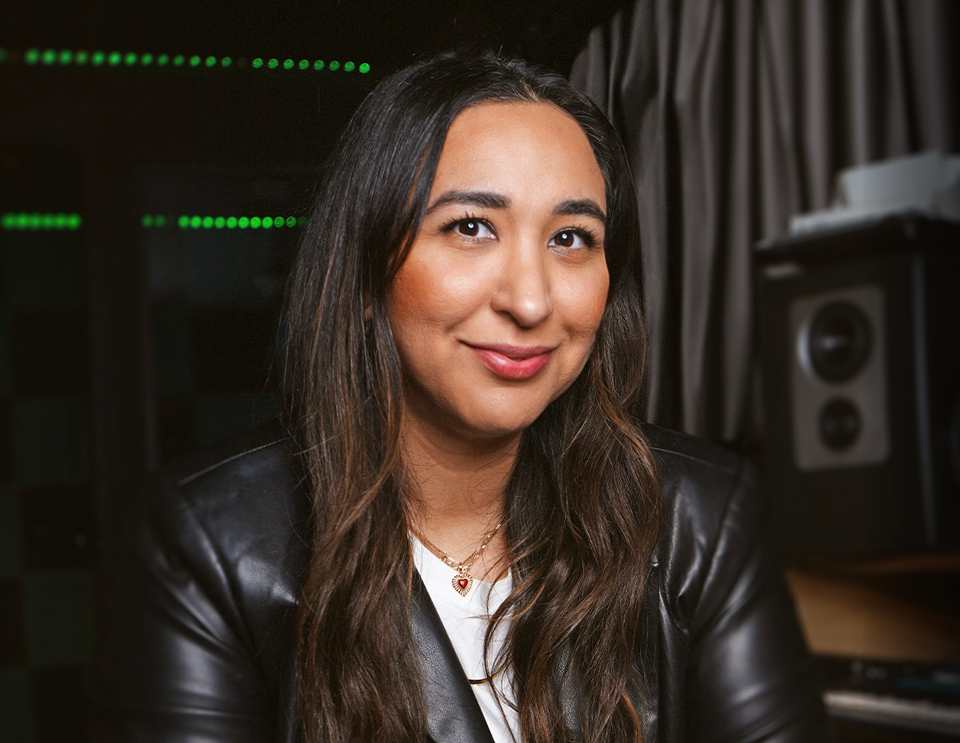
Mahtab Neptune Knows That Music Technology Must Be Heard Twice
Her career has moved from rooms and subcultures to software and signal processing. At Eventide, Mahtab Neptune’s task is to translate deep engineering into a reason for creators to listen.
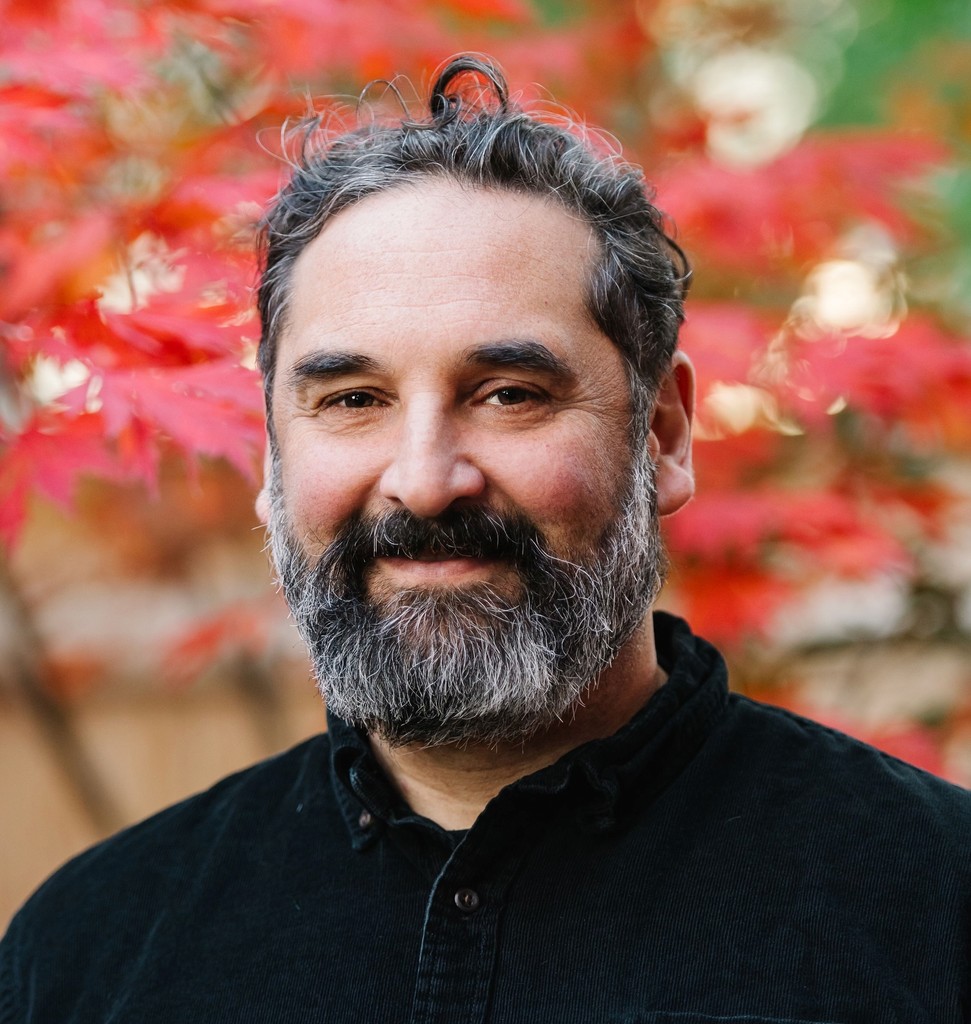
Ben Vigoda Has Spent 25 Years Teaching Machines to Handle the Mess
Before AI could sell you a jacket, Ben Vigoda taught chips to reckon with uncertainty. Now the Product Genius CEO is applying the same obsession to every scroll, pause and click.

Johannes Naylor Is Building the Backstage Map Music Forgot
He left a lucrative software job, kept the unfashionable infrastructure problems, and turned a musician's touring headache into a live-music data company. His edge is less rock-star mythology than patient systems thinking, fast experiments and an unusually public operating manual.
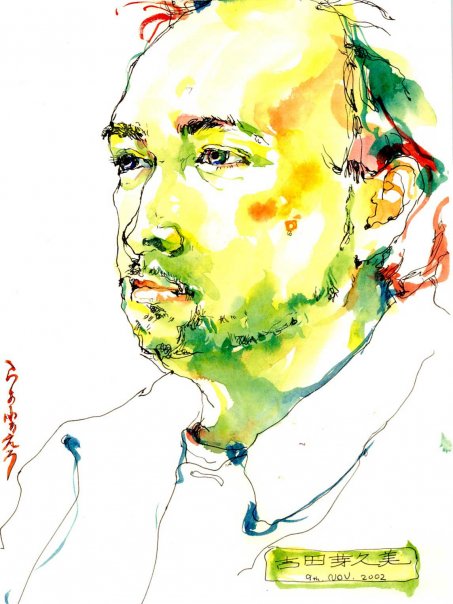
Ralph Cavallaro Has Been Debugging the Music Business Since the Car-Wash Era
Before dashboards, agents and audit trails, Ralph Cavallaro learned systems thinking by producing a teenage punk band, washing cars to fund its record and calling college stations until they listened. Three decades later, the medium has changed; his habit of making unruly machinery usable has not.

Hassane Slaibi Tuned a Tiny Annoyance Into a Hardware Company
A flute player with absolute pitch helped build a machine for everyone who does not have it. Four generations, several crowdfunding campaigns and one delightfully stubborn hardware journey later, Hassane Slaibi is still removing friction between musicians and the moment they begin to play.
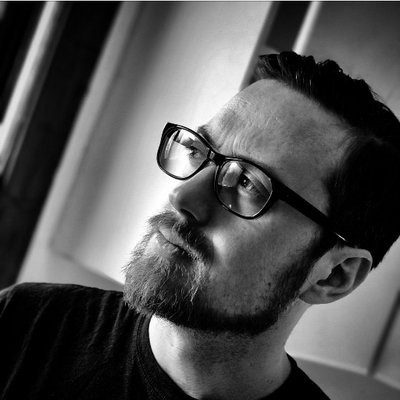
Jon Baltz Built a Music Career in the Margins of the Play Button
Before creator revenue became a conference cliché, Jon Baltz was helping independent musicians collect the money hiding inside fan uploads. His 15-year path from college booking rooms to Symphonic is a lesson in making the unglamorous machinery matter.
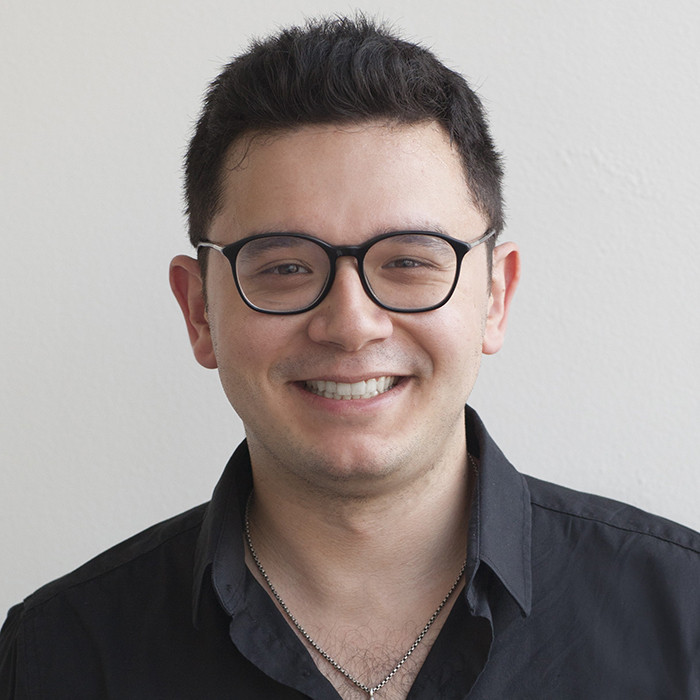
Alex Mitchell Is Turning the First Chair Into an Open Seat
A competitive violinist learned to sell songs, read crowds and build products. Now the Boomy co-founder is testing a more consequential idea: what happens when making music becomes an invitation instead of an audition?

David Schofman
David Schofman is the CEO and co-founder of Coro Health, an Austin-based company that builds therapeutic music and multi-faith spiritual streaming programs for senior living communities, hospitals and hospices. A serial entrepreneur who built one of the first online golf retail businesses in the 1990s and later ran global ecommerce for Callaway Golf, Schofman turned to health technology in 2008, translating research on music and the brain into a subscription platform now used across thousands of care communities in the US and Canada.
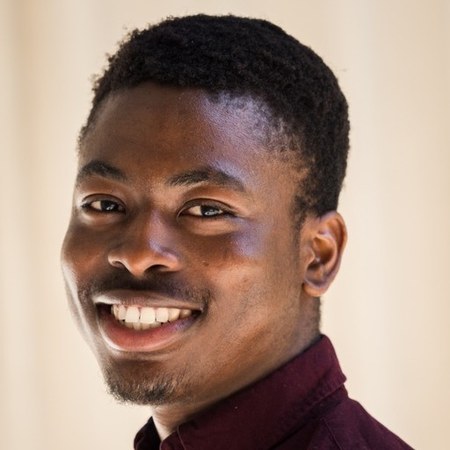
Anj Fayemi
Anj Fayemi is a Lagos-raised, MIT-trained mechanical engineer and recording rapper (Solstice Fayemz) who turned his own frustration releasing a second album into Rivet, an AI-driven CRM that helps artists and creators find and grow their most loyal fans. As co-founder and CEO, he interviewed 200+ artists, went through Techstars Boston, raised a $500k pre-seed led by Drive Capital, and built a platform used by roughly 1,400 creators that stitches together data from Instagram, Shopify and Eventbrite to surface the fans most likely to show up and buy.
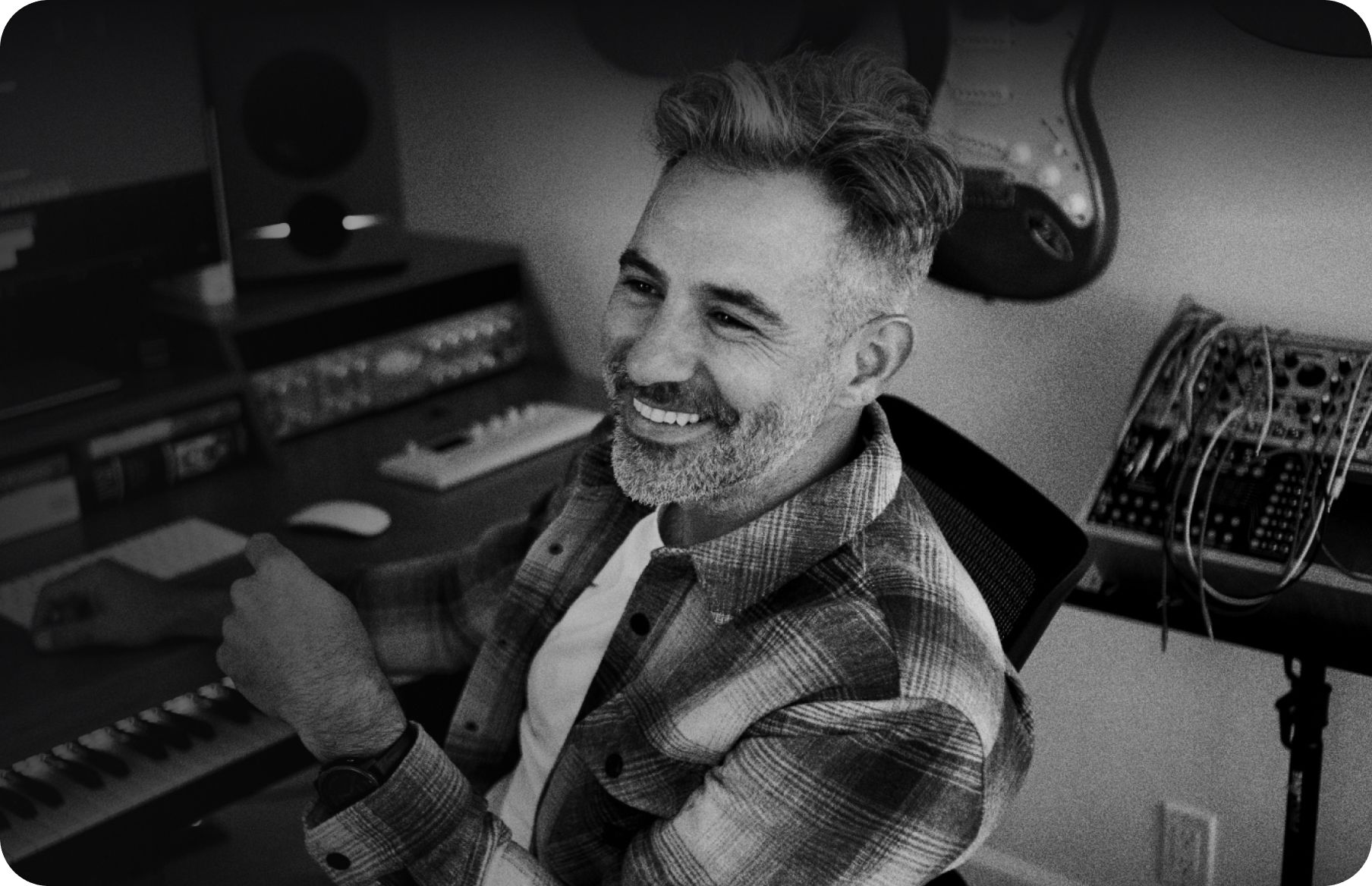
Gregg Lehrman
Gregg Lehrman is the founder and CEO of Output, the Los Angeles music software company whose plugins and instruments turn up in records by Billie Eilish, Beyonce, Coldplay, Kendrick Lamar and scores like Stranger Things and Game of Thrones. A Cornell-trained composer who cut his teeth assisting Hans Zimmer and became Universal Publishing's youngest executive producer at 26, Lehrman built Output in 2013 because the creative tools he wanted as a working musician did not yet exist. He bootstrapped the company for seven years before raising a $45M Series A from Summit Partners in 2020, and built Arcade, one of the first cloud-based music plugins.

Ariadna Bogolepova
Ariadna Bogolepova went from a curious Suno user finishing her economics degree in Russia to a UX Research Ops team member at the AI music company in Cambridge. A self-taught content creator whose Suno videos racked up millions of views, she parlayed obsessive product knowledge and a project-management background into a role studying how people actually make music with AI. She holds a Master of Science in Management Studies from Boston University's Questrom School of Business.
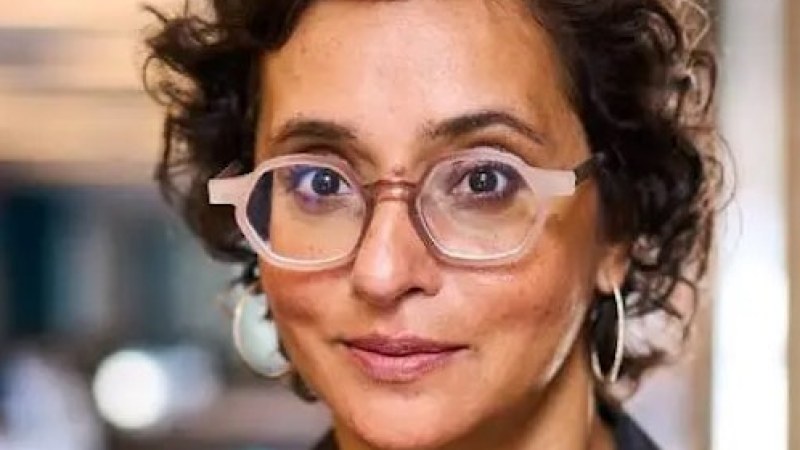
Kakul Srivastava
Kakul Srivastava is the CEO of Splice, the cloud-based music creation platform powering millions of producers worldwide with sample libraries, plugins, and AI-powered tools. A mechanical engineer turned product visionary, she grew Flickr from 37,000 to 60 million users, led product at GitHub and Adobe's Creative Cloud, and co-founded the enterprise app studio Tomfoolery. Named to TIME's 100 Most Influential People in AI in 2025 and Billboard's Women in Music Executives list three years running, she champions a philosophy that technology should empower artists — not replace them.