The friendship began with an argument about MP3 bit rates. This was college, when a compressed audio file could still inspire sincere combat, and Jon Baltz and Brandon Martinez discovered that disagreement was a decent way to recognize a future partner. They booked bands and shows together at the University of North Carolina Wilmington. Martinez would later remember himself as the one with big ideas and Baltz as the friend who brought him back down to earth. A music startup was not yet in the room. Its operating system was.
Baltz studied marketing, minored in history and served as Campus Entertainment President. He also learned music from the side doors: playing in bands, booking them, managing them, promoting shows and working around venues. These are jobs in which a romantic evening tends to end with a settlement sheet and a van that will not start. The education is practical. A song may be art, but a working musician also needs a route, a room, a reliable count and eventually a check.
That instinct became INDMUSIC in 2011. Baltz and Martinez built a YouTube network for independent musicians with Allen Debevoise and Guy Oseary. The premise was easy to say and tedious to execute: artists should be able to benefit from the audiences gathering around their work without surrendering ownership of the work itself. INDMUSIC sat behind the screen, helping with channel strategy, metadata, rights claims and advertising revenue. The viewer saw a video. Baltz saw everything required to make the video legible to a platform and accountable to its owner.
“I have all these big ideas and he brings me back down to earth.”Brandon Martinez on his college friend and co-founder
Then the internet started shaking
In February 2013, Baauer’s “Harlem Shake” escaped into the wild. Offices, swim teams and military units produced their own 30-second versions. At the peak, more than 3,000 videos were being uploaded each day. The phenomenon looked leaderless because, culturally, it was. Rights ownership was another matter. Mad Decent, Baauer’s label, was already an INDMUSIC client.
YouTube’s Content ID could match the song inside an eligible upload. INDMUSIC could claim that use for the rights holder, attach advertising and connect a fraction of the sprawling attention to revenue. In a single week, the track generated 103 million monetizable views. Nobody at INDMUSIC invented the dance, choreographed the Norwegian army or persuaded office workers to wear horse masks. Their useful trick was recognizing that the copy did not have to be the enemy. Properly identified, it could become inventory.
Virality is normally told as a weather event: the cloud appeared, lightning struck, everyone got wet. Baltz’s version is closer to municipal plumbing. A viral moment needs clean ownership data, fast claims, reporting and distribution of the proceeds. The work is not glamorous, but glamour has a short half-life. Infrastructure keeps operating after the joke has left the group chat.
The episode gave INDMUSIC a famous proof point, but the company’s larger argument was quieter. Most of its partners were independent artists. They needed to know who watched, where those people lived, which videos performed and what money followed. Transparency was not decoration. It was the means by which an artist could make the next decision.
One operation, several doors
In 2016, Live Nation acquired INDMUSIC and folded it into Live Nation Video Network. Baltz stayed for eight years. His public farewell in February 2024 thanked colleagues for teaching him about fan experience, a phrase that joins two sides of his career. Rights management can sound like the defense of property. Fan experience begins with participation. His work has lived in the negotiation between the two: let audiences share and discover, then make sure ownership remains visible and payment has somewhere to go.
Baltz announced the transition with tidy calendar drama: one day was his last as a Live Nation employee; the next was Distro Nation’s first as an independent distribution company. The new name did not erase the old expertise. It widened the service around it. Distro Nation delivered music to digital platforms, managed YouTube channels and user-generated content, produced monthly reports and paid royalties. It worked with artists including Lindsey Stirling, Sabaton, Yanni, Good Charlotte, Bryant Myers and Switchfoot.
The company also attended to the parts of distribution that rarely make a keynote. A partnership with Trolley streamlined onboarding, banking and tax details, batch payments and reporting. Distro Nation said the change moved royalty checks roughly a week earlier. A separate partnership with RoyFi offered eligible musicians royalty advances. Baltz’s explanation for choosing it was telling: he wanted a partner that valued artists and offered fair, transparent deals.
Trust is not a brand adjective. For an independent artist, it can be measured in clear ownership terms, readable reports and the number of days between a platform payment and a royalty check.
There is an unfashionable precision in this approach. “Support artists” is a pleasant slogan. Processing their tax information correctly is support. Explaining a disputed claim is support. Paying on a predictable cadence is support. Baltz’s career keeps translating the broad promise into narrow tasks.
It also reveals the network around an operator who seldom behaves like a solo act. When Baltz left Live Nation, he singled out Russell Wallach, Chris Loll and Jeremy Levine for thanks. Earlier, INDMUSIC grew from the complementary partnership with Martinez and the backing of Allen Debevoise and Guy Oseary. The 2026 deal brought Baltz into Jorge Brea’s Symphonic organization with his existing team and roster. These connections are not ornamental name-dropping. They map the way his work moves: a specialist group joins a larger platform, learns its scale, then carries the accumulated craft into the next structure. Even the founder’s most independent chapter depended on partnerships for advances and payouts. The business may concern ownership, but the operating style is collaborative.
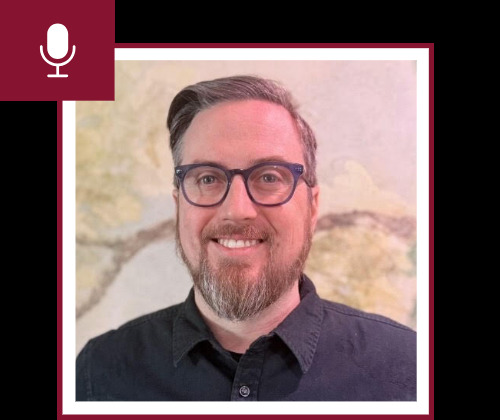
The exit that kept the job
Symphonic acquired Distro Nation in March 2026. Terms were not disclosed. The transaction moved Distro Nation’s team and more than 200 artists into a larger independent music platform. It also moved Baltz into the role of Head of UGC & Rights Management. The title is new; the nouns are familiar.
The acquisition brought Symphonic a specialist YouTube operation: official-video monetization, fan-upload tracking, Content ID protection, publishing collection, channel optimization and analytics. It also included management of Chappell Roan’s YouTube channel for music released before her 2023 debut album. For Baltz, it provided more infrastructure around a body of work he had carried through a startup, an acquisition and a spinout.
“Our goal has always been to constantly innovate and offer the support that artists need to master the distribution game.”Jon Baltz, on joining Symphonic in 2026
Fifteen years is long enough for a technology thesis to become embarrassing. YouTube multi-channel networks, MP3 bit rates and annotations all belong to distinct layers of internet archaeology. Baltz survived the vocabulary because his real subject was not a feature. It was the recurring gap between where music travels and whether its owner can understand, control and benefit from the trip.
That gap has not closed. It has multiplied into Shorts, fan edits, catalog clips, disputed claims and new discovery habits. On the day this profile was published, Symphonic scheduled Baltz to teach independent artists how ownership, claims and disputes work on YouTube, and how search, suggested videos and Shorts influence discovery. The career has come around from campus entertainment to practical instruction, with rather more metadata in the middle.
The amusing detail remains the first one: two friends arguing about the fidelity of a compressed music file. It sounds trivial until you notice what the disagreement contained. They cared how music moved through technology. They cared enough to be exact. Martinez imagined; Baltz applied gravity. Together they found a business in the space between a musician pressing upload and a payment arriving later.
Baltz’s public ambition is similarly grounded. Keep innovating. Give artists useful support. Help them master a distribution game that refuses to hold still. No prophecy is required. The next format will arrive, acquire a silly name and create another pile of rights questions. Somewhere beneath it, the work will again be claims, reports and checks. The play button gets the attention. The margin keeps the music business honest.