The most important video in Distro Nation’s history was not uploaded by Distro Nation. Neither were the next few thousand. In February 2013, people in offices, dorms and military barracks began filming 30-second spasms to Baauer’s “Harlem Shake.” The official machinery of the music business was nowhere near the joke. A four-person Brooklyn startup called INDMUSIC was.
Its founders, Brandon Martinez and Jon Baltz, had already signed Baauer’s label Mad Decent to a YouTube rights deal. As the clips multiplied, YouTube’s Content ID system found the track inside them. INDMUSIC claimed eligible videos, placed advertising around the chaos and passed revenue back to the rights holder after taking its share. One contemporary count put the rush above 3,000 uploads per day and 103 million monetizable views in a week. It was a copyright operation wearing a horse mask.
01 / The jobSell the plumbing, not the song
Distro Nation became a music distributor, but “distribution” undersells the interesting work. A basic distributor delivers a finished release to Spotify, Apple Music and other services. Distro Nation also worked the unruly video layer: administering YouTube channels, protecting music through Content ID, identifying uses in fan uploads, optimizing metadata and channels, tracking revenue, reporting performance and paying royalties each month.
That combination served independent artists and labels that controlled their rights but did not want to become full-time platform detectives. By March 2026, the roster exceeded 200 artists. Symphonic’s acquisition announcement named Lindsey Stirling, Sabaton, Yanni, Good Charlotte, Bryant Myers and Switchfoot, along with Chappell Roan’s channel for material released before her 2023 debut album. These were not hobbyists looking for a cheap upload button. They were rights owners with enough activity for missed claims, weak metadata or a late payment to become real money.
The distinction from Vevo-style channel ownership was deliberate. INDMUSIC said it did not own a partner’s intellectual property, content or channel, and did not paste its own brand over the artist’s. The company positioned its staff as consultants and strategists. Artists kept the shopfront. Distro Nation operated the cash register, alarm system and stockroom.
“We look at ourselves as more consultants or strategists on the YouTube platform.”Brandon Martinez, INDMUSIC co-founder, 2013
02 / The failureThe official upload lost first
The first thing to fail was an old assumption: the rights owner controlled the release because the rights owner controlled the official video. “Harlem Shake” became enormous somewhere else. The audience made the distribution network one ridiculous clip at a time. Treating every reuse as a takedown problem would have meant fighting the same people who were making the song culturally unavoidable.
The fan-made explosion changed the useful question from “How do we stop this?” to “How do we participate without giving away the asset?” Content ID offered three broad choices - track, block or monetize. INDMUSIC’s breakthrough was operational rather than philosophical: it could apply the money-making choice quickly enough to matter. The meme was luck. Having Mad Decent’s rights loaded before the luck arrived was preparation.
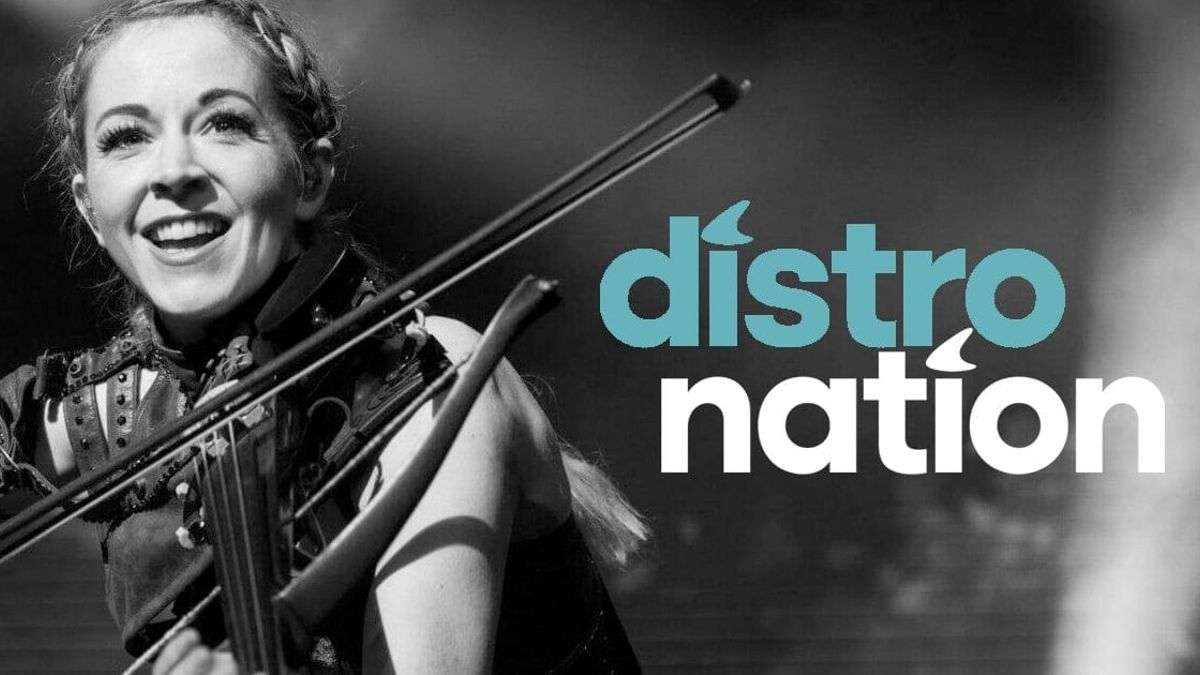
The second exit gets a split-screen poster. The actual cargo was a roster, a team and fifteen years of YouTube scar tissue.
03 / The priceTen percent, then a wider menu
In 2013, Billboard reported that INDMUSIC collected 10 percent of the YouTube revenue it administered during the “Harlem Shake” surge. The appeal was easy to understand: rights owners paid out of newly captured revenue instead of buying speculative software. If the system found nothing, there was little to share. If it found a tidal wave, both sides won.
Smart: 12% of spend below $1,000/month.
Pro: 9% plus $399/month.
Enterprise: custom, spend-based terms.
The later Distro Nation Ads product widened the menu. It let artists run campaigns across Google, Meta and TikTok while software handled audience creation, A/B testing and budget allocation. The public tiers made the trade visible: pay a percentage to avoid becoming a part-time media buyer. Distro Nation also sold brands access to a cross-genre music-video audience through pre-roll, video integrations and live activations. It sat in the middle twice - helping musicians earn from audiences, then helping advertisers reach them.
04 / The long routeAcquired, released, acquired again
A viral case study is not a company, so INDMUSIC spent the next years turning its moment into distribution. A 2013 TuneCore partnership extended its YouTube monetization to a larger pool of independent musicians. By that November, the company said it worked with 288 artists and labels across 17,000 videos and 2.74 million subscribers.
Live Nation acquired the operation in 2016 and folded it into Live Nation Video Network. Baltz stayed for eight years. In early 2024, he publicly marked his last day at Live Nation and the next day’s beginning: Distro Nation would be independent again, offering digital distribution to artists who controlled their music rights. This was less a fresh startup than a specialist team carrying its platform memory out of a large company.
The spinout added partnerships where building from scratch would have been wasteful. RoyFi offered royalty advances, giving eligible artists working capital without automatically selling a catalog. Trolley handled onboarding, banking and tax details, batch payments and reporting. Distro Nation said the payment integration moved royalty checks about a week earlier. Nobody makes a tour documentary about tax forms arriving cleanly. Artists still notice.
Then came the second buyer. In March 2026, Symphonic acquired Distro Nation for an undisclosed price. Baltz became Symphonic’s Head of UGC & Rights Management, and his team and roster moved with him. Symphonic gained deeper expertise in official-video monetization, fan uploads, Content ID, publishing collection, channel growth and analytics. Distro Nation gained a larger distribution system around the specialty it had been refining since 2011.
05 / The stealFind revenue everyone else considers annoying
The copyable move is not “wait for a meme.” It is to notice where money leaks because the work is fragmented, repetitive and too small in isolation. One unclaimed fan video is a rounding error. Thousands of videos across hundreds of artists become an operation. Distro Nation aggregated the nuisance until it justified software, platform status and specialists.
The Distro Nation playbook
- Choose a customer who owns the asset. Independent artists and labels had rights but lacked platform leverage.
- Charge against recovered value. A revenue share makes an unfamiliar service easier to try.
- Stay invisible where the customer’s brand matters. The artist kept the channel and audience relationship.
- Partner sideways. TuneCore brought reach, RoyFi capital, Trolley operations and Symphonic scale.
- Turn service knowledge into a moat. Hands-on claim work taught the patterns the reporting product needed.
This also explains where Distro Nation fit in the market. Cheap self-service distributors compete on upload price and convenience. Full-service distributors and major-label systems compete on reach, financing and marketing. Rights-management companies compete on matching and claims. Distro Nation occupied the seam: more human and YouTube-specific than a commodity uploader, but friendlier to independent ownership than a traditional label deal. Tier A YouTube status, monthly reporting and channel strategists made that middle position credible.
When the playbook breaks
It does not work well when the customer cannot prove ownership, when samples or territorial rights are disputed, when view volume is too low to cover hands-on administration, or when a platform changes access and economics. It is also a poor fit for an artist who only wants flat-fee delivery and is happy to manage claims, ads and payouts alone. Platform-dependent businesses borrow their leverage; they do not own it.
There is an irony in the ending. The company was best known for finding value in media it did not own, and it built its reputation by promising artists they would keep what they owned. Yet the company itself became an asset twice. The brand changed, the cap table changed and the office moved north from Brooklyn to Beacon. The tedious expertise traveled intact.
That is the durable lesson behind the meme. Virality is an event. Rights administration is a habit. Distro Nation learned to be standing in the correct place when the first happened, then spent fifteen years making the second worth buying.