The Company That Made a Flop, Then Made It the Sound of Modern Music
Ikutaro Kakehashi built drum machines nobody wanted. Then a generation of broke producers dug them out of pawn shops - and rewrote pop music with them.
In 1980, Roland shipped a drum machine called the TR-808. It sold badly enough that the company pulled it from production within a few years. Engineers moved on. The boxes ended up discounted, then dumped in second-hand shops. And that, more or less, is where the story of modern popular music actually starts - because a generation of broke producers found the 808 cheap, plugged it in, and never looked back.
Roland Corporation is a Japanese maker of electronic musical instruments: synthesizers, drum machines, digital pianos, electronic drums, and guitar effects. On paper it is a mid-cap manufacturer in Hamamatsu, listed on the Tokyo Stock Exchange, doing a few hundred million dollars a year. In practice it is the company whose gear sits under an enormous slice of the last four decades of recorded sound - hip-hop, house, techno, pop, and most of what came after.
What makes Roland worth studying is not that it built famous machines. Plenty of companies did. It is that some of its most influential products were, by the company's own commercial standards, failures - and Roland was smart enough, or lucky enough, to let its customers decide what those products were really for.
The FounderA watch repairman who couldn't read music
Ikutaro Kakehashi did not arrive at electronic instruments through a conservatory. His parents died when he was young, he spent years fighting tuberculosis, and he made his early living repairing watches and clocks in postwar Osaka. He never learned to read music. What he had instead was a conviction about who instruments were supposed to be for.
In the early 1970s, the synthesizer was a serious, expensive, professor's instrument. American rivals like Moog and ARP aimed at academics and touring professionals. Kakehashi, who had already run earlier ventures under the Ace Tone name, aimed the other way. When he founded Roland in 1972, the brief was miniaturization, affordability, and simplicity - instruments cheap enough and simple enough that an amateur could make a sound on day one.
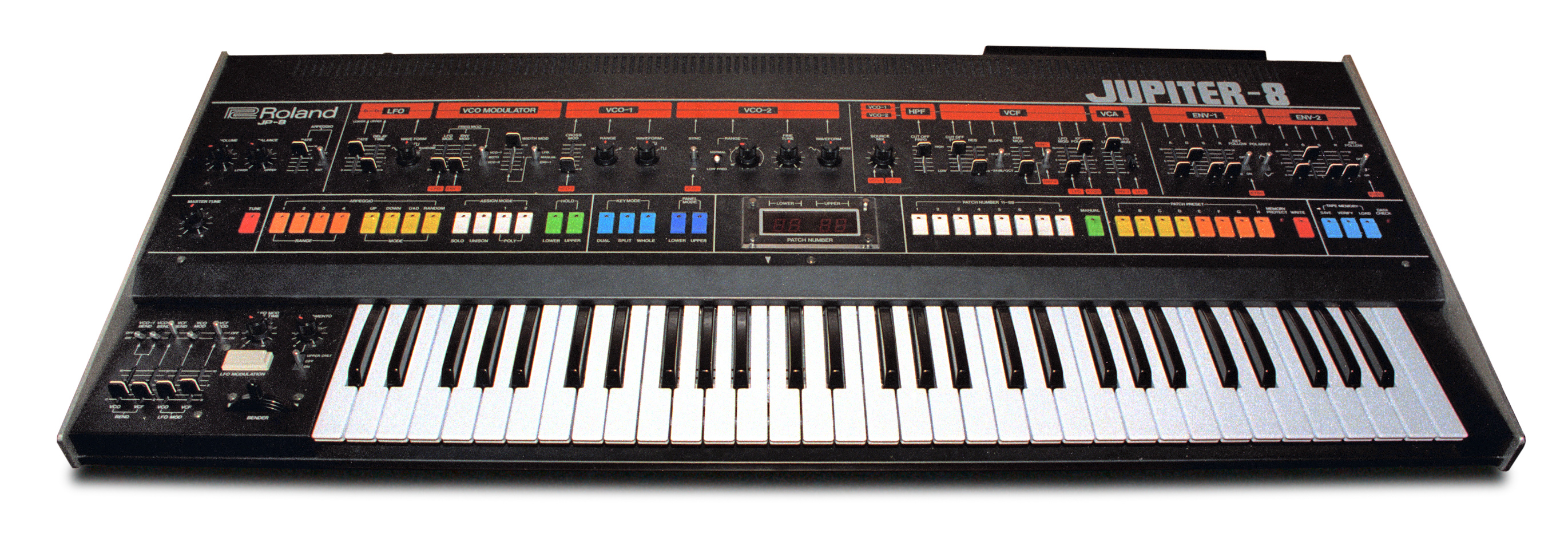
That instinct - build for the beginner, not the expert - runs through everything Roland has done since. It is also, quietly, why the company outlasted flashier competitors. Beginners grow up. They buy more gear. They teach their kids on the brand they learned on.
The MachinesTwo "failures" that ate pop music
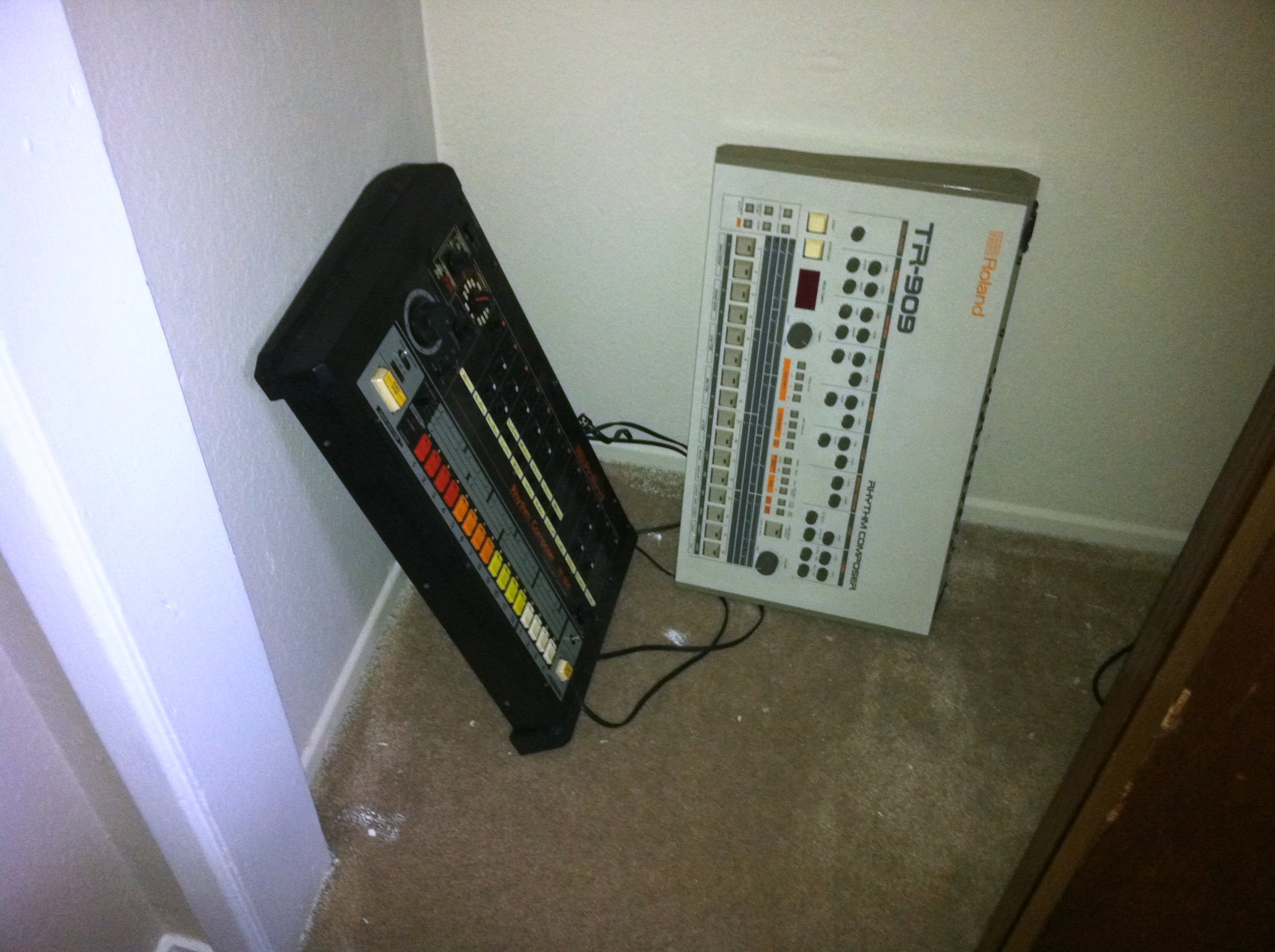
The TR-808 Rhythm Composer arrived in 1980 with analog drum sounds that critics found too artificial - not a convincing replacement for a real drummer, which was the point everyone thought mattered. It flopped. The TB-303 Bass Line followed in 1982, built to give a solo guitarist a fake bass player to practice with. Musicians found it unconvincing too. It also flopped, and it too was discontinued.
Then the wrong people got hold of them. Producers discovered that the 808's booming kick, snappy snare, and hissing hi-hats were not a bad imitation of drums - they were a new sound entirely. It powered Afrika Bambaataa's "Planet Rock," turned up on Marvin Gaye's "Sexual Healing," and became foundational to electro, house, and eventually Southern trap. Today "808" is simply slang for bass. On the 303, a few Chicago producers cranked the resonance and filter knobs the "wrong" way, and the squelch that came out became acid house.
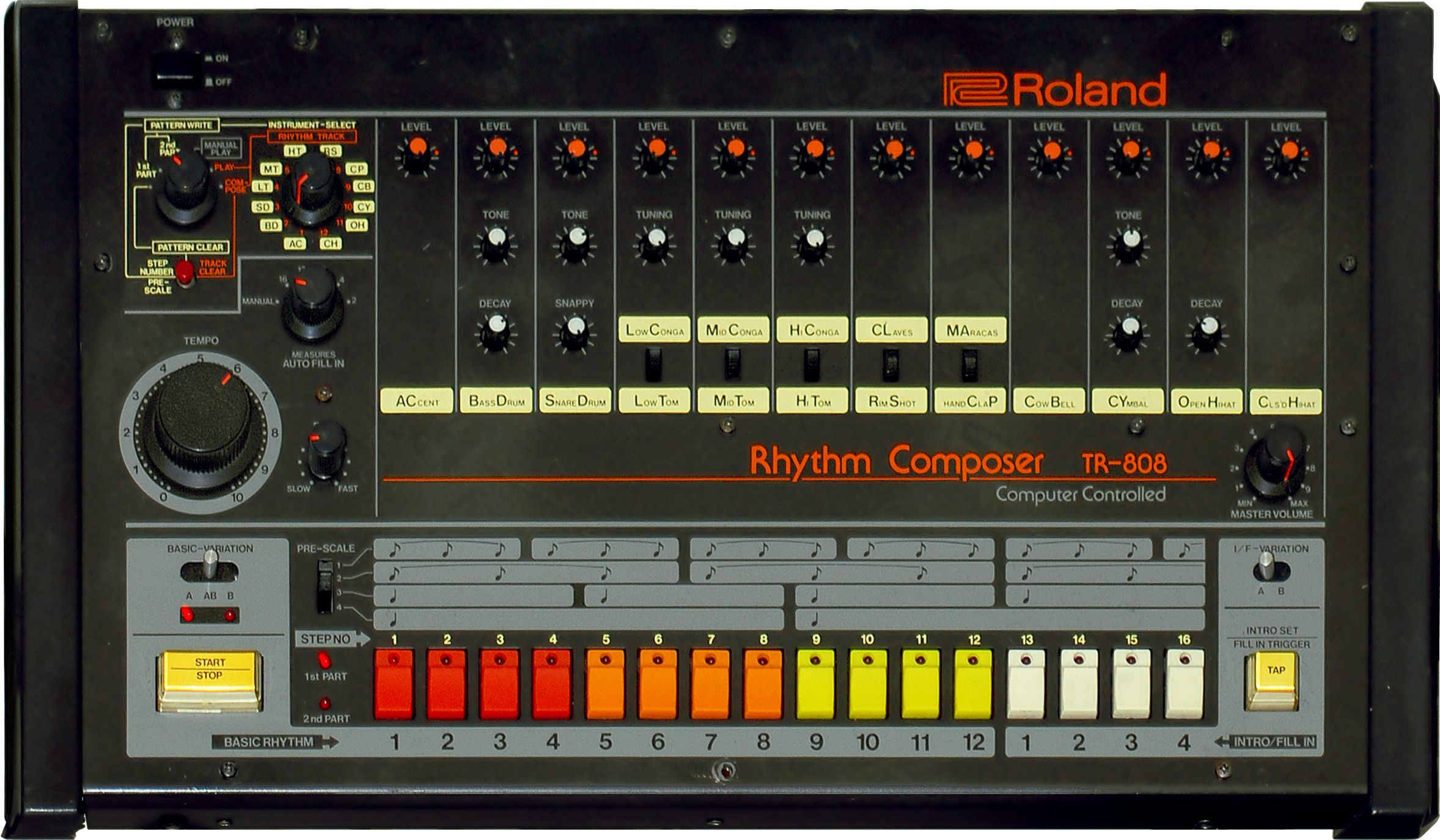
There is a lesson in here that has nothing to do with music: your customers decide what your product is for, not you. Roland could have treated the 808 and 303 as embarrassments and buried them. Instead it eventually leaned in - reissuing the sounds, honoring the lineage, and building whole modern product lines (AIRA, the Boutique series) around the machines it once wrote off.
The StandardThe most important thing Roland made was free
In 1983, Roland co-developed MIDI with Dave Smith of Sequential - a common language that lets a keyboard from one company control a synth from another, and lets a laptop conduct a whole rack of gear. Crucially, it was an open standard. Roland did not patent it and corner the market. It let the standard grow the whole market instead.
More than 40 years later, MIDI is still the connective tissue of electronic music, unchanged enough that a synth from 1984 can talk to software from 2026. In 2013, Kakehashi received a Technical Grammy Award for the invention of MIDI. He had, in effect, been honored for giving something away.
The CatalogWhat Roland actually sells today
Strip away the legend and Roland is a broad-line instrument company. It makes synthesizers and keyboards, digital pianos for homes and stages, DJ and dance gear, and - through its Boss sub-brand - the compact guitar-effects pedals that sit on a large share of the world's pedalboards. It owns the V-MODA headphone line and sits alongside acoustic-drum maker Drum Workshop in the broader drumming world.
Its quietest big success is the V-Drums. Launched in 1997, these electronic kits use rubber and mesh heads that stay quiet enough to play in an apartment at night with headphones on - solving a problem acoustic drums never could. In October 2025 Roland extended the line with the new V-Drums 3 and 5 Series, built around fresh V31 and V51 sound modules. It is not glamorous, but it is a durable, recurring business of parents, beginners, and working drummers.
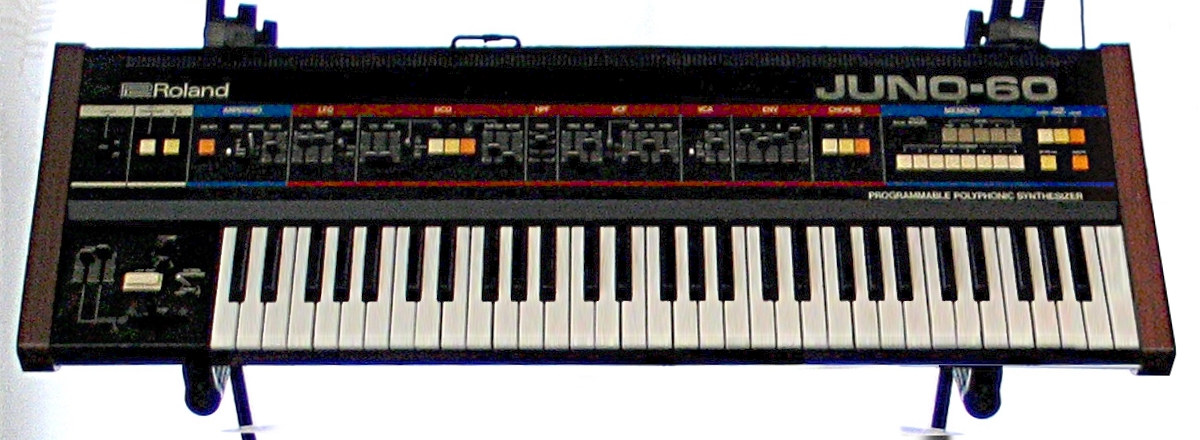
The product map
- SynthsJuno, Jupiter, and Boutique/AIRA lines - from studio staples to modern grooveboxes.
- DrumsV-Drums electronic kits; latest 3 & 5 Series with V31/V51 modules (2025).
- PianosDigital pianos and stage keyboards for beginners through concert players.
- BossCompact guitar-effects pedals and multi-effects, a pedalboard default.
- SoftwareRoland Cloud - classic synth sounds as a monthly subscription (since 2018).
The BusinessRenting you your own history
Roland's core model is straightforward: design and manufacture instruments, sell them through a global network of dealers and retailers, serve both the hobbyist (B2C) and the trade (B2B). Prices run from entry-level gear a teenager can afford to professional instruments. But the more interesting move is Roland Cloud, launched in 2018, which turns 50-plus years of legendary hardware into software you rent monthly.
It is the classic aging-hardware-company play, done well: the people who grew up wanting a Jupiter-8 they could never afford will now pay a subscription to have a faithful software version - plus everything else in the vault. It converts nostalgia into recurring revenue without cannibalizing the instruments people still want to touch.
synths · drums · pianos · pedals
full-line instruments
synths · keyboards
Illustrative comparison of product-category breadth, not market share. Roland also competes with Moog, Sequential, Nord, Native Instruments, Arturia, and Casio.
The MoatWhy it's hard to unseat
Roland's real advantage is not a single patent - it is emotional lock-in across three generations. A kid who learns on a Roland digital piano, a guitarist who builds a pedalboard around Boss, a producer chasing the 808 sound: each has a reason to stay inside the ecosystem. Add the fact that Roland effectively defines several categories it competes in (electronic drums, the classic drum-machine sound), and switching costs get high in a way that has little to do with price.
The competition is real - Yamaha and Korg in Japan, Moog and Sequential and Nord in analog, Native Instruments and Arturia in software. But few rivals span as many categories, and almost none carry the same cultural weight. When your product names have become slang and your failed prototypes are museum pieces, you occupy a strange, defensible position in the market.
The TakeawayWhat you can steal from Roland
For anyone building products, Roland's 50-year run offers a few genuinely portable ideas. Build for the beginner and let them grow into your catalog. Watch what customers do with your product, especially the "misuse," because that is where the next category hides. Grow the market with an open standard instead of fencing it off, and you can win more by owning less. And when you have decades of beloved back catalog, the people who grew up on it will happily rent it back.
Where it would not translate cleanly: Roland's magic depended on hardware landing in the hands of a subculture with time to experiment, and on a company patient enough to wait years - sometimes a full decade - for its "failures" to be redeemed. Not every business can survive that long between shipping something and finding out what it was really for.