milwaukee
(26)
Sequoya Borgman and the deal that got away
He left an accounting partnership with an acquisition lined up. Then the seller changed his mind. Nine years into Borgman Capital, Sequoya Borgman still spends much of his time on the part of a business that never fits neatly into a spreadsheet: its people.

Aleks Ivanovic and the business of getting to yes
From supercomputer quotations to neighborhood restaurants, Aleks Ivanovic has built software around the awkward steps that stand between a customer and a sale. His path runs from Sarajevo to Milwaukee, through Webcom and on to SpotHopper.
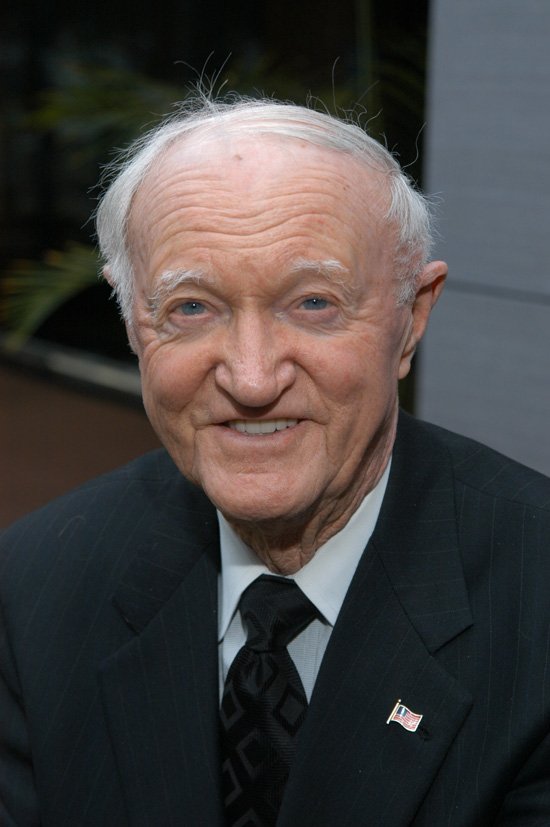
George Dalton and the business of sharing the bill
Before co-founding Fiserv, George Dalton saw that banks could share the cost of computing. He spent the next chapter of his career building a national business, then found retirement much too quiet.
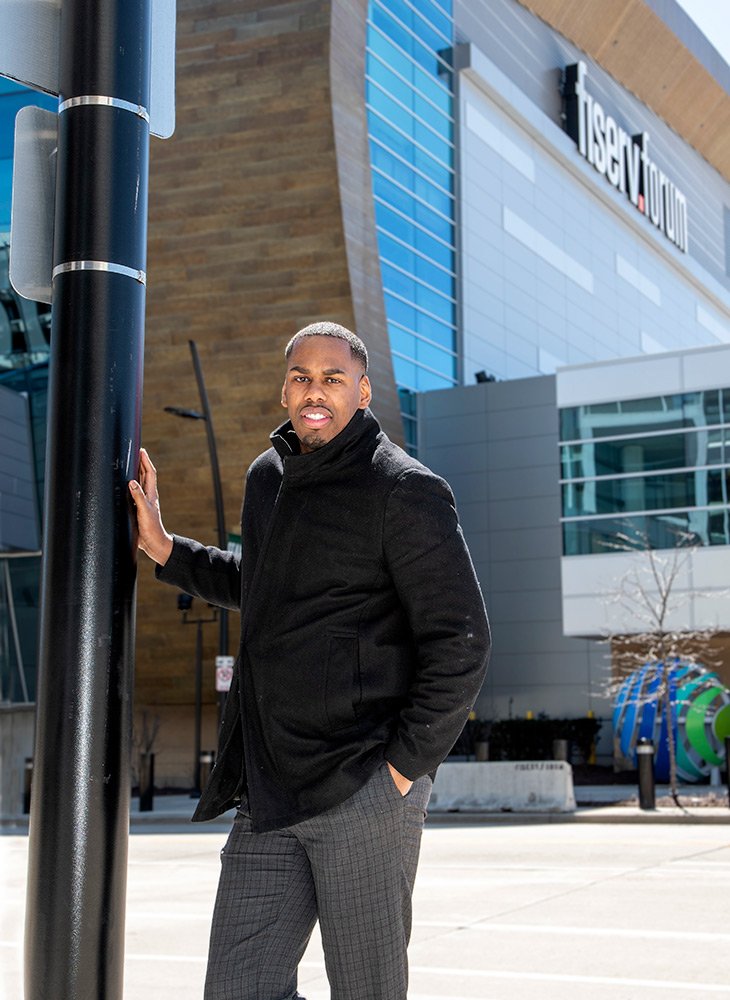
Kevin Newell and the school that became a second chance
He went to class at Phillis Wheatley. Years later, he returned as its developer. For Royal Capital founder Kevin Newell, the route from a childhood address to a real estate deal runs through the people who made room for him.
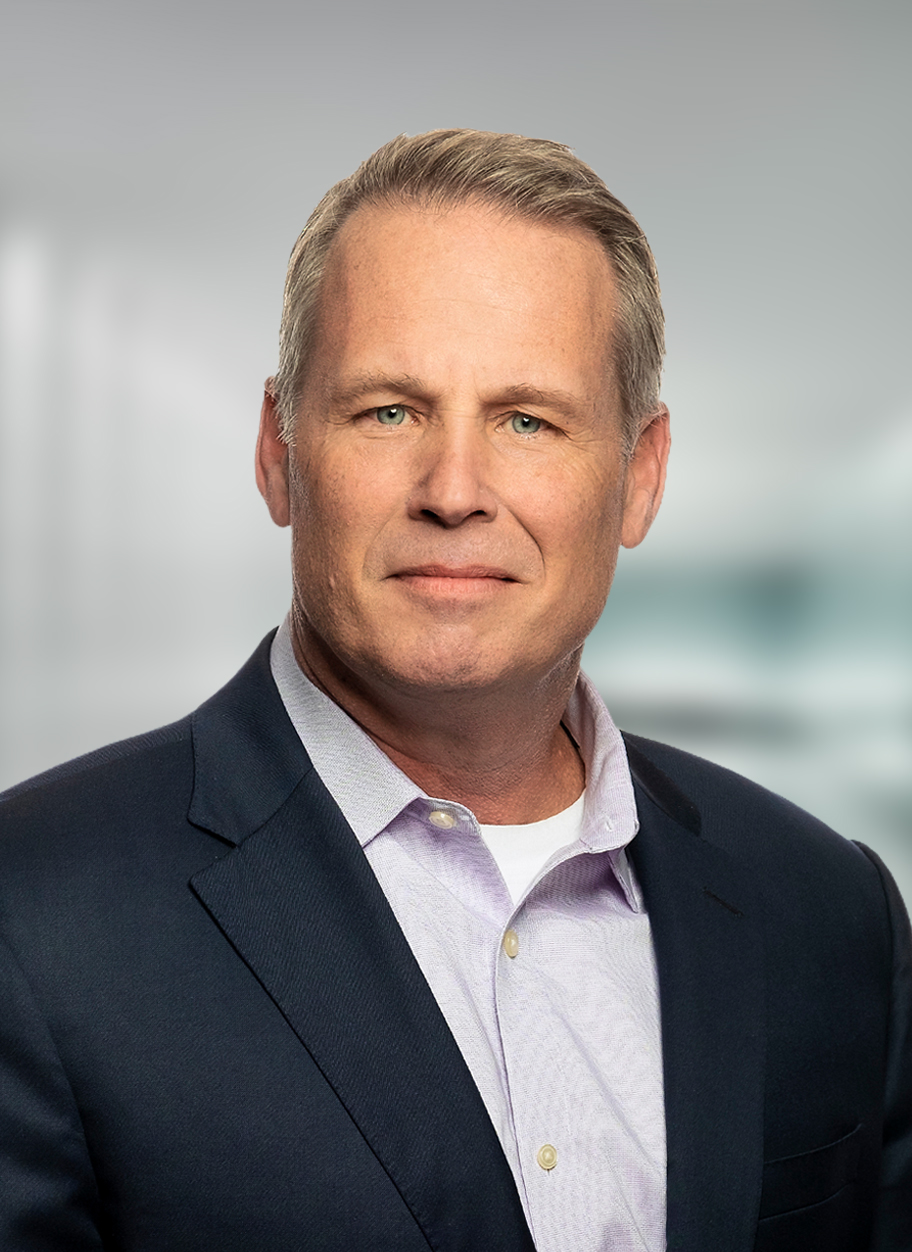
Brian Kobylinski and the business of getting better
From 23 years at Actuant to a restructuring at Jason Industries, Brian “Koby” Kobylinski has spent his career reshaping industrial businesses. At Riverbend, he is putting that experience to work under an ownership model with time to spare.

James Madlom and the case for making room
A duplex, a growing communications firm, and a family formed through adoption: James Madlom’s Milwaukee story keeps returning to a practical question. Who gets a place here?

The Agency That Refused to Forget
For fifty years, Laughlin Constable has survived the advertising business by changing its machinery without surrendering its memory. Its newest bet is that an independent agency can turn human judgment into reusable intelligence - and still keep the humans in charge.

The Advertising Agency That Went for a Walk
A 1957 agency changed owners, changed its name, and picked a fight with advertising's oldest false choice: build the brand or make the sale.

Mueller Communications and the Long Road to Yes
The Milwaukee firm does its most revealing work before the announcement - translating complicated projects, wary publics and long approval processes into something people can act on.

The PR Firm That Starts Before the Story
Kane Communications Group built an agency around a stubborn idea: the message is usually not the first problem. Research, internal alignment and measurable action come before the press release - which is why its most revealing work looks less like publicity and more like organizational repair.

The People Between the Rooms
Nation Consulting built a business in the awkward space where a press statement, a government decision and a roomful of stakeholders all become the same problem.

The Agency for the Purchase Nobody Makes on Impulse
Nelson Schmidt built a business around the moment between “maybe” and “yes” - the long, awkward interval when buyers compare machines, consult colleagues and worry about getting an expensive decision wrong.

The 56 Leads That Explain Branigan
A Milwaukee agency found its sharpest pitch in an unglamorous place: the space between a clever campaign and a result a client can count.

The People Who Count Who Gets to Build the City
Prism Technical found a peculiar job hiding inside every civic megaproject: turning the promise of inclusion into names, hours, contracts and receipts.
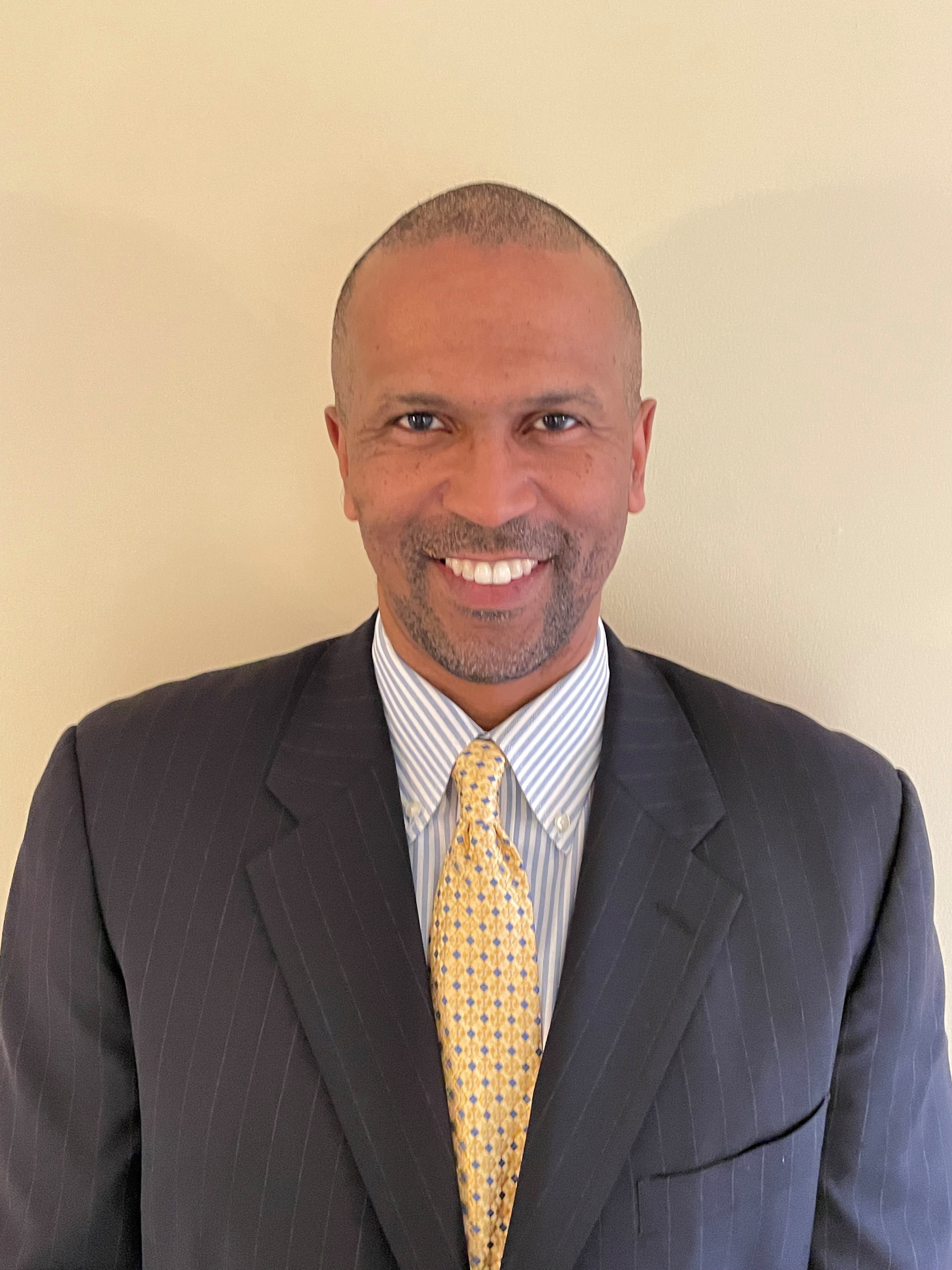
Don Polite Keeps Moving the Ball
From a Big Ten court to Disney, Warner Bros., Johnson Controls and SKYGEN, Donald Polite has built a career on a deceptively simple idea: good marketing begins when the organization learns to listen.

Taylor Pawelka Packed a Decade of Marketing Into ProShip - Then Chose the Unmarked Box
For ten years, Taylor Pawelka made parcel software sound like a conversation worth joining. Now, after building a team, an industry voice and a fondness for putting shipping strategies on the roast, she has left ProShip with her next label deliberately unwritten.

The $564 Billion Finance Firm That Refuses to Go Public
Baird began as a Milwaukee bond house in 1919. A century later, its five-business portfolio, employee ownership and nearly $564 billion in client assets make it a quiet counterexample to Wall Street's quarterly reflex.

The Tribe That Plans 150 Years Ahead Just Became Milwaukee's Third-Biggest Minority-Owned Business
Potawatomi Ventures turns casino and enterprise profits into data centers, federal contracts and fresh-food gas stations - and measures every bet against the next 150 years, not the next quarter.

The Red Bag at 100: How Sendik's Made a Moat Out of Knowing Milwaukee
A horse-drawn produce route became a 17-store regional grocer by treating fresh food, helpful people and neighborhood memory as infrastructure. In its centennial year, Sendik's is betting that a red bag can still carry more meaning than a national loyalty card.

The Company That Puts a Label on Almost Everything You Touch at Work
For 110 years, Brady has made the humble label a serious business. Now, fresh off a $1.4 billion deal for Honeywell's barcode-and-scanner unit, the Milwaukee manufacturer is betting that whoever labels the thing should also track it.

Rockwell Automation
It started in 1903 with a $1,000 bet on a better motor controller. A century later, Rockwell Automation runs the machinery behind cars, medicine and microchips - and is quietly wiring the factory floor into the cloud.
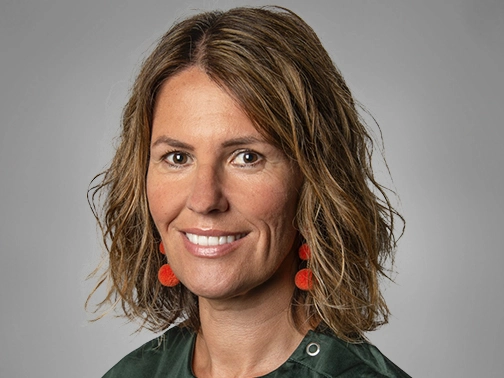
Ruth Harper
Ruth Harper began by teaching people how to read maps. Now she helps a global workforce company navigate the two forces redrawing work itself: artificial intelligence and the green transition.

ManpowerGroup
The company that helped invent temporary staffing is rebuilding itself for an age of AI agents, scarce skills and permanent uncertainty. Its wager is that better technology makes human judgment more valuable, not less.

Fiserv
Fiserv is a Milwaukee-based financial technology company that provides payment processing, core banking software, and merchant services to banks, credit unions, businesses, and consumers around the world. Formed in 1984 and transformed by its 2019 acquisition of First Data, it runs the Clover point-of-sale platform, the Carat enterprise commerce operating system, and account-processing systems that power a large share of everyday transactions - from a corner cafe swiping a card to a regional bank settling deposits overnight.

Tom Dean
Tom Dean is the co-founder, President and CEO of Renaissant, a Milwaukee-based logistics technology company building a voice-enabled, agentic AI operating system for warehouse yards and loading docks. A former Ernst & Young auditor turned hedge fund trader and investment manager, Dean pivoted Renaissant from a building-security platform into freight tech, raised a $5 million Series A in 2024, and now runs software across roughly 130 sites that talks to truck drivers in their own language to speed check-ins, deter cargo theft, and cut idle time.

Charlie Sykes
Charlie Sykes spent 23 years as one of Wisconsin's most influential conservative talk-radio voices, then walked away and turned his fire on his own movement. He co-founded The Bulwark, became a fixture of the Never Trump opposition, and now writes the Substack newsletter and hosts the podcast 'To the Contrary.' Author of nine books and an MSNBC contributor, he is a rare media figure who publicly reckoned with the part talk radio played in remaking the American right.