kickstarter
(11)
Boosted Made the Last Mile Feel Like the Best Part of the Trip
A skateboard gave commuters a new way to enjoy the distance between train and door. Then the company behind it discovered how expensive it is to turn a delightful ride into a durable vehicle business.
The Machine That Turns a Handful of Almonds Into a Milk Habit
Almond Cow bet that people would rather make oat and almond milk on their counter than buy it in a carton. Roughly 300,000 households later, the bet is looking less strange.
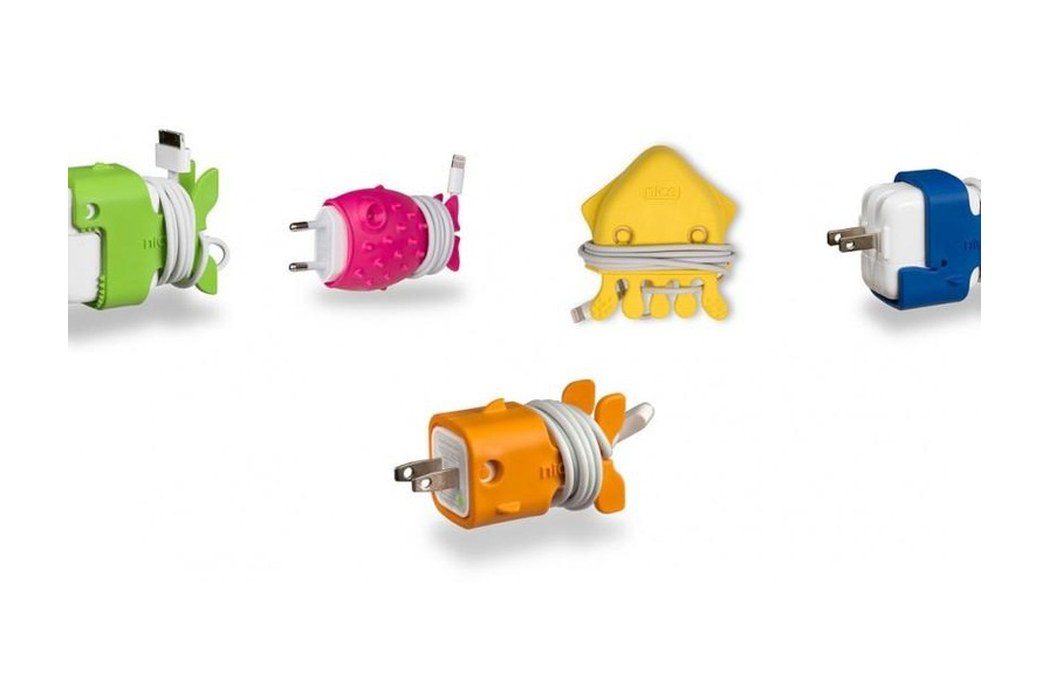
He Got Tired of His Kids Swiping His Charger. So He Turned It Into a Goldfish.
Nice, Inc. turned a problem Apple never bothered to fix - tangled chargers nobody could tell apart - into CableKeeps, a line of $16 rubber sea creatures molded just north of Seattle.
The DJI Battery Guys Who Turned a $12M Kickstarter Into a Home Energy Company
A team of ex-DJI battery engineers used Kickstarter as a factory floor, turned camping gear into home power, and built a billion-dollar clean-energy company one power outage at a time.
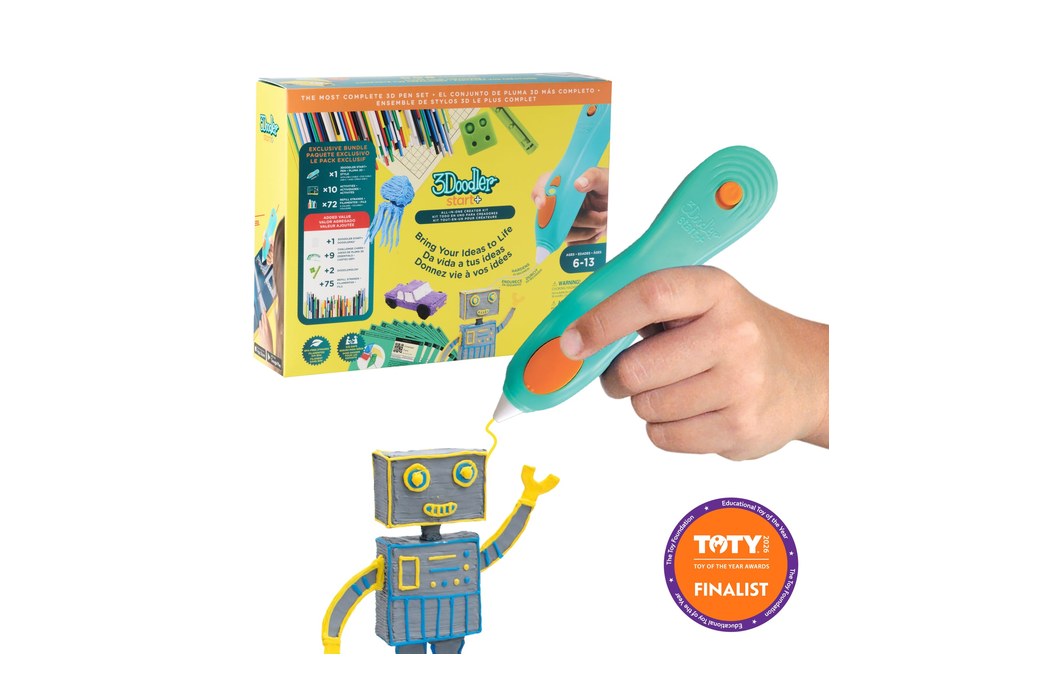
The Printer Jammed. So They Ripped Off the Nozzle and Started a Company.
A jammed 3D printer, a $30,000 Kickstarter ask, and $2.3 million later - how three toymakers turned a mistake into the pen that draws in mid-air.
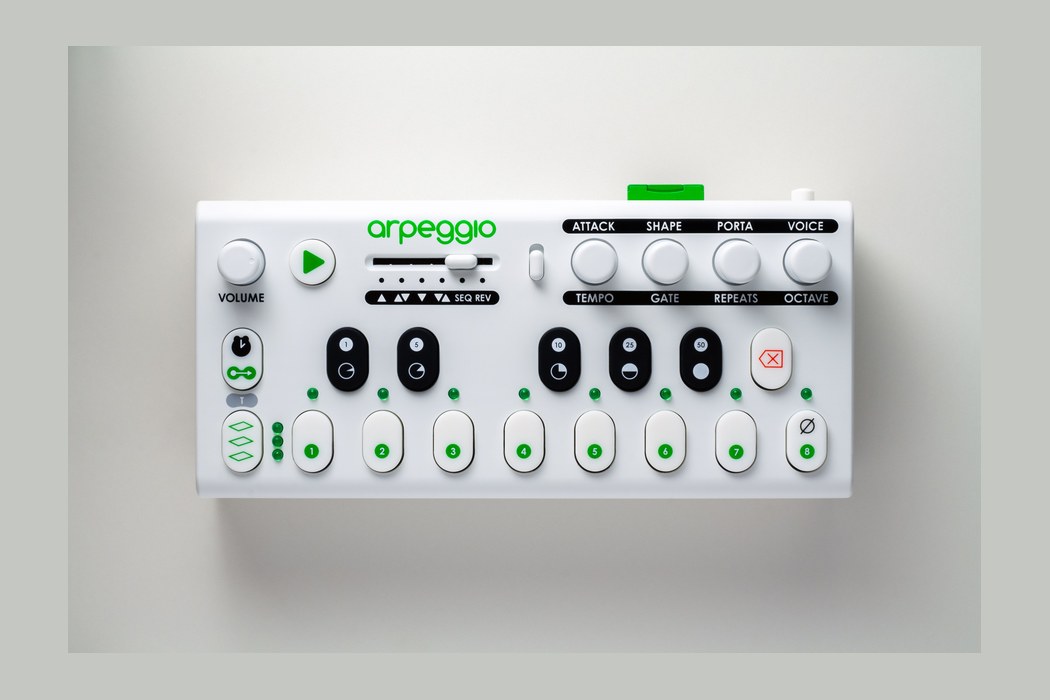
The Synth That Took Nine Years to Ship
Tangible Instruments raised $94,713 on Kickstarter in 2015 to build a pocket melody machine. It shipped to backers in November 2024. Here is what took so long, and why people still wanted it.
The Rubik's Cube Grew a Brain. Then Particula Came for Chess.
How a Netanya startup turned toy-box classics into sensor-packed 'phygital' machines - and made $4 million in one Kickstarter selling a chessboard that moves its own pieces.
The Company That Made a Stand Out of Nothing
MOFT folded a laptop stand down to 3mm, raised a million dollars proving people wanted it, and then kept folding - into wallets, desk mats, and iPad studios. Here is how a neck ache became a product category.
ButcherBox
How a founder who once lost investors' money built a half-billion-dollar meat company on a Kickstarter, a trash bag of grass-fed beef, and a refusal to take venture capital.

Honeylove
Honeylove is a Los Angeles-based direct-to-consumer apparel company that designs shapewear, wireless bras, and everyday intimates engineered with targeted compression and supportive panels. Founded in 2018 by former EDM vocalist Betsie Larkin after she couldn't find shapewear that stayed in place on stage, the brand built its reputation on no-roll construction and comfort-first engineering. It has grown from a $300K Kickstarter and a Y Combinator batch into a nine-figure-revenue business serving more than 3 million customers, backed by a $13M Series A led by Lightspeed Venture Partners.
CANDY HOUSE
CANDY HOUSE, Inc. is the consumer-hardware company behind Sesame, the retrofit smart lock that mounts over an existing deadbolt with adhesive tape and turns a smartphone, fingerprint, card, PIN or face into a key. Founded in 2014 by Stanford engineer Jerming Gu and famous for a 2015 Kickstarter that raised about $1.4M, the company built an open ecosystem around SesameOS - locks, touch and face readers, a coin-sized Matter hub, sensors and finger robots - aimed at making smart-home access affordable, rental-friendly and developer-open.