Company Hardware · Smart Games · Profile
The Rubik's Cube Grew a Brain. Then Particula Came for Chess.
How a Netanya startup turned toy-box classics into sensor-packed "phygital" machines - and made $4 million in one Kickstarter selling a chessboard that moves its own pieces.
In 2016, Udi Dor watched a few friends pass around a Rubik's Cube, twisting it, giving up, and setting it back down. The scene is old enough to be a cliche. What was new was Dor's question: why should a cube this famous be this bad at teaching you anything? A year later he and Amit Dor founded Particula in Netanya, Israel, and started answering it with sensors.
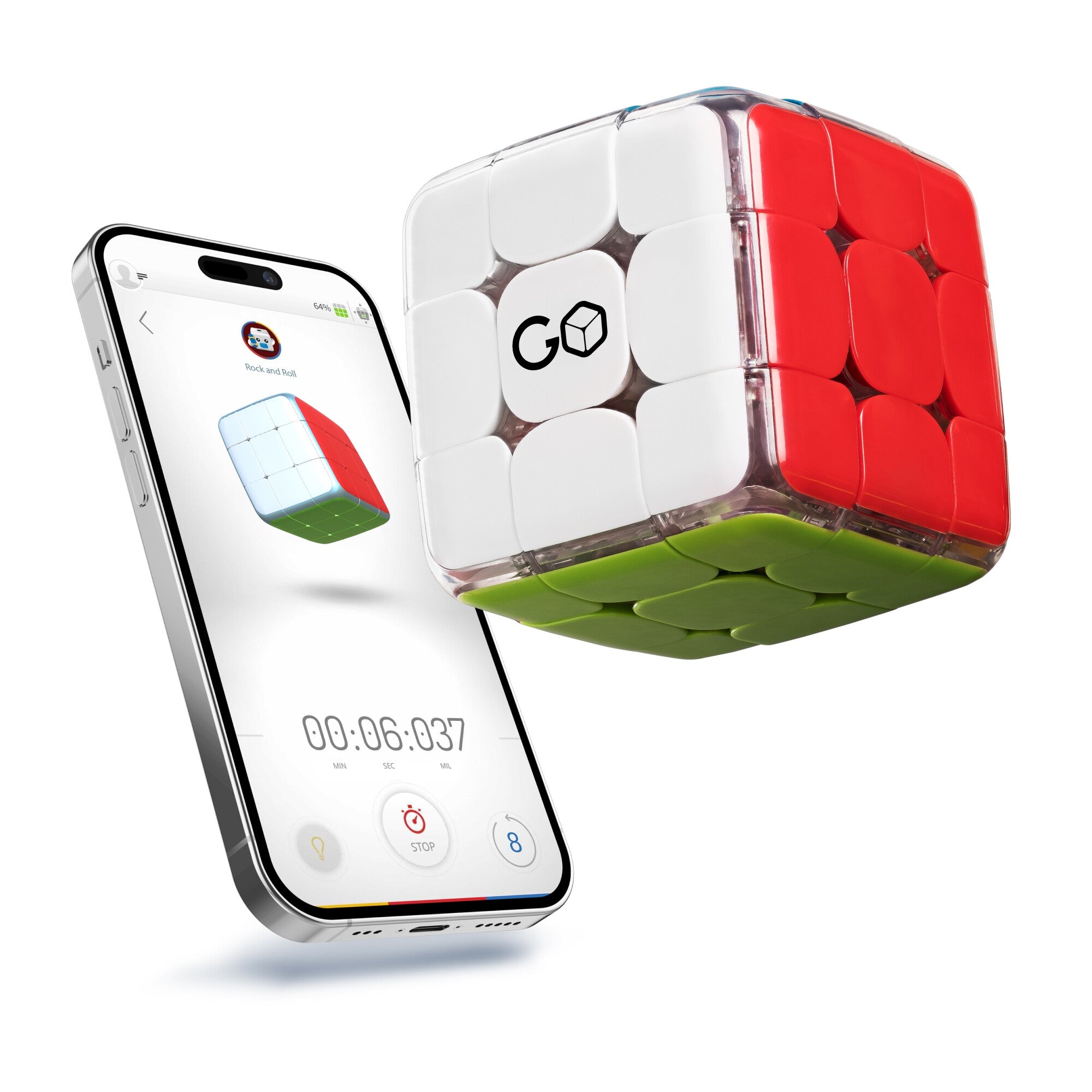
The answer became GoCube - a Bluetooth cube that feels like the original in your hands but knows exactly what you are doing to it. Every twist registers. A companion app watches your solve, walks you through the steps, times you, and drops you into online competitions against strangers. It is the same puzzle your uncle mangled in 1982, except now it talks back.
That single idea - keep the physical object people love, and give it a brain - turned out to be a business plan. Particula has since run it three more times: on dice, on a robotic chessboard, and on a balance board you stand on. The company calls the category "phygital." The rest of us would call it the toy box with Wi-Fi.
The thesis: don't kill the object, upgrade it
Most companies chasing kids and screens pick a side. One camp builds screen-free wooden toys and hopes nostalgia sells. The other camp builds pure apps and hopes the tablet does the rest. Particula's bet is that the interesting product lives in the seam between them - a real thing in your hands, plus data and coaching in your phone.
It is a harder product to build, because you have to be good at two things at once: injection-molded hardware and the software that makes it worth the batteries. But it is also harder to copy, and it gives every product a reason to keep the app open. A smart cube is a gadget. A smart cube that actually teaches 400,000 people to solve it is a habit.
It is our goal to empower kids especially to enjoy games away from screens through the medium of smart-connected toys.Udi Dor, Co-founder & CEO
From a cube to a record-breaking robot
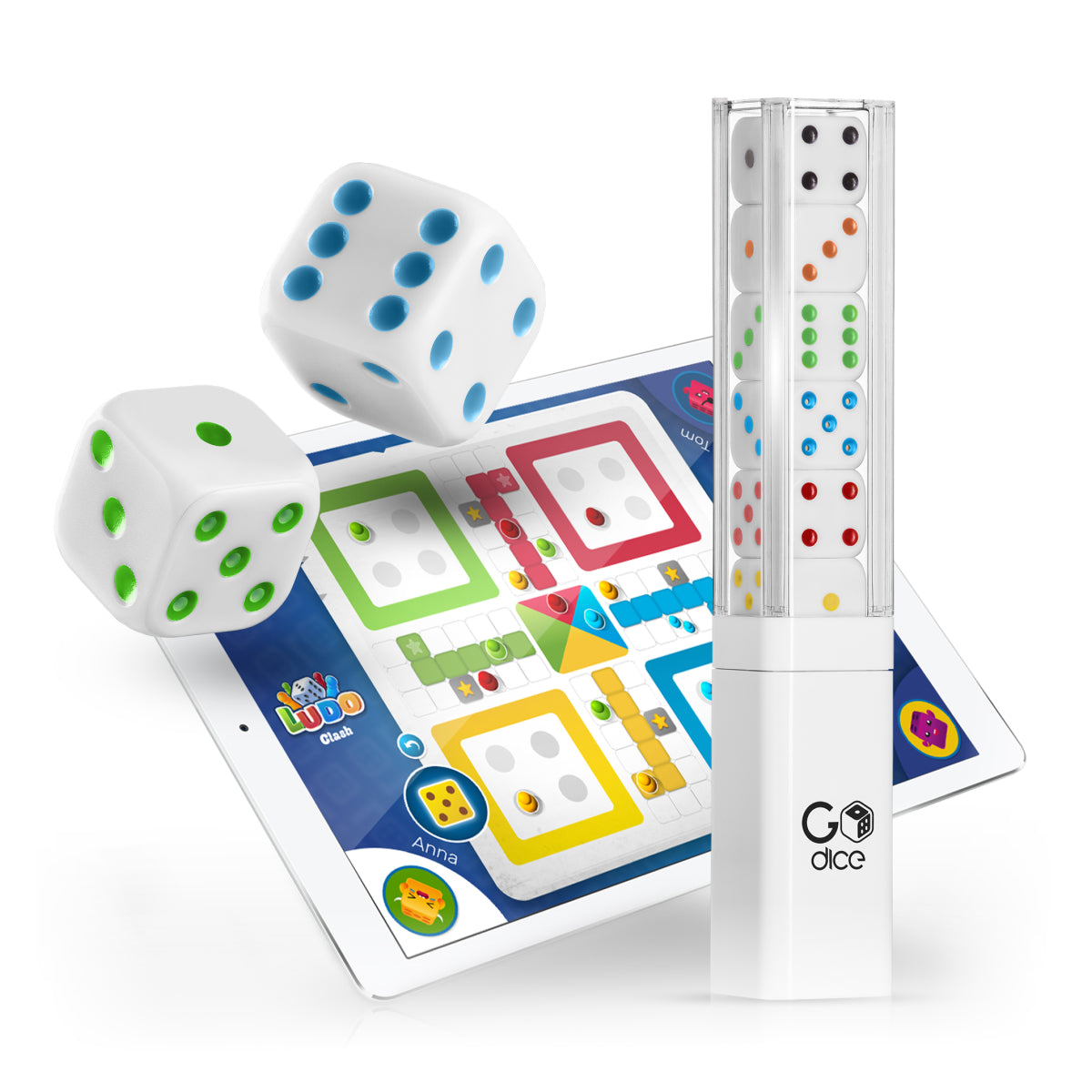
GoCube launched on Kickstarter in 2018 and raised roughly $848,000 from more than 8,000 backers - a sign the seam was real. GoDice followed, connected Bluetooth dice that sense every roll and shake and run your board games through a free app. Then, quietly, Particula picked its hardest target yet: chess.
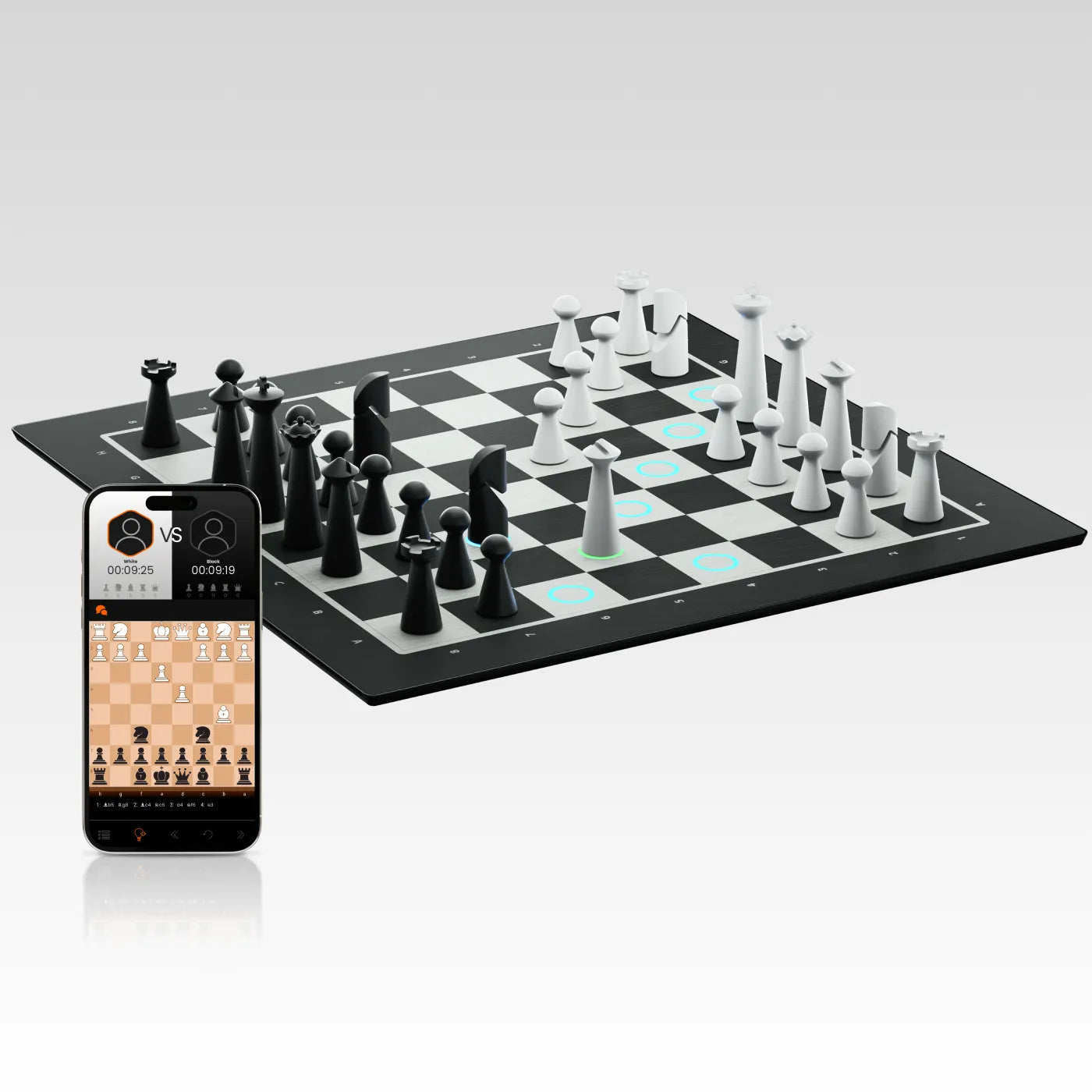
The problem with online chess is that it feels nothing like the game across a kitchen table. Particula's fix was almost absurdly literal. GoChess is a board whose pieces move themselves. When your opponent - human or engine - makes a move online, a magnet under the board slides your piece to its new square. Add LED guidance and AI coaching across dozens of levels, plug it into Chess.com and Lichess, and you have a board that plays back.
The 2023 Kickstarter was the proof. GoChess raised about $4 million from over 10,000 backers, becoming the most-funded chess project in the platform's history, reportedly clearing $2 million in its first five minutes. You cannot fake a self-moving board in a render, which is exactly why the demo worked.
The playbook, not the product, is the moat
Look at Particula's competitors and a pattern appears. GAN and Giiker fight over smart cubes. ChessUp, Square Off and Chessnut fight over smart chess. Plankpad and others sell connected balance boards. Particula is the only name that shows up in all three aisles - not because any single product is untouchable, but because the recipe travels: take an analog classic, add sensors and an app, validate it on Kickstarter, then push into retail.
There is a second, quieter move most founders miss. Instead of fighting the incumbent brands, Particula licenses them. Rubik's Connected is an official Rubik's smart cube, made with the brand rather than around it. In 2025 the company went further and licensed Harry Potter from Warner Bros. to ship GoChess Wizard - a "Wizard's Chess" set that, finally, actually moves. Distribution and trust, bought with a logo.
GoCube
Bluetooth cube with per-twist sensing, in-app tutorials, timed solves and online battles.
GoDice
Motion-sensing dice that detect rolls and shakes and run board games through a free app.
GoChess
A board with self-moving magnetic pieces, LED guidance and AI coaching, linked to Chess.com and Lichess.
GoBalance
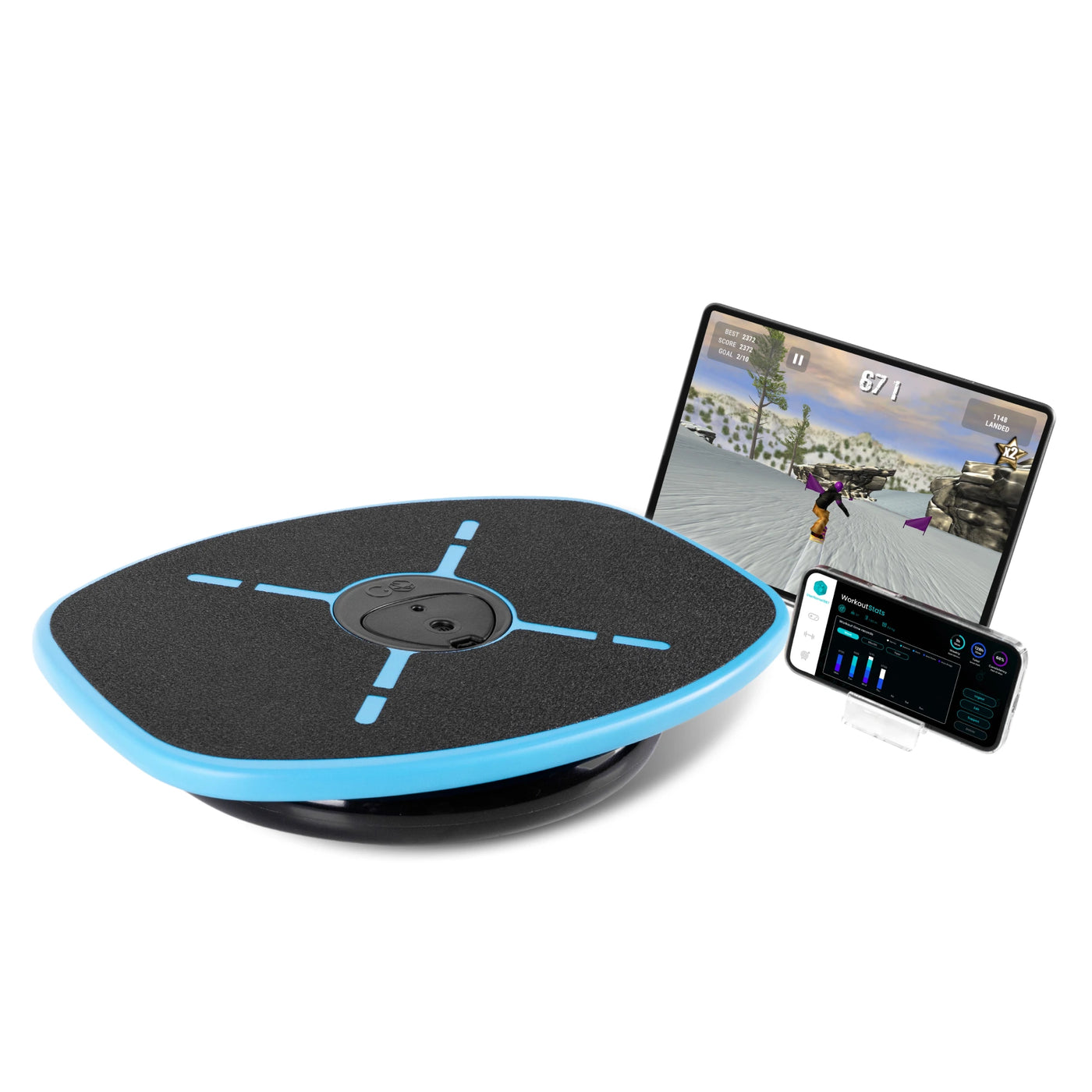
App-enabled wobble boards for motor-skill training and workouts, with built-in games.
How the money works
Particula sells hardware, mostly direct-to-consumer through its own Shopify store, and increasingly through retail - Amazon, Best Buy, QVC - and international resellers. Kickstarter is not just marketing; it is the company's product-validation and pre-funding engine, letting it prove demand and collect cash before a factory run. Investors have pegged hardware gross margin around 50 percent.
On top of the crowdfunding, Particula raised a $5 million Series A led by Flashpoint Venture Capital in 2021, money aimed at new products, hiring and distribution. The companion apps are free, which sounds like a cost center until you notice what they actually do: turn a one-time purchase into a returning user, and a returning user into someone who tells a friend the cube is scary good.
The world's first truly robotic chess board with AI technology that provides an unprecedented level of realistic gameplay.GoChess product description
Where it fits - and where it goes
Particula sits at the crossing of three markets that rarely share a shelf: consumer electronics, educational toys, and, lately, connected fitness. GoBalance is the tell. The same sensor-plus-app stack that grades a Rubik's solve can grade your posture on a wobble board, which means the company's edge is a capability, not a category. Whatever the next analog object is, the recipe is already written.
The honest caveats: this is a hardware business, with hardware's thin margins, supply chains and holiday-season cliffs. Public figures on revenue and headcount vary widely across databases, and the company has stayed private about the specifics. What is not in doubt is the shape of the thing - a founder-led team in Netanya that keeps finding classic toys, giving them a brain, and getting the crowd to fund the next one before it ships.
For a company built on classic games, the strategy is fittingly simple. Do not reinvent the object. Reinvent the feedback. Then let the crowd tell you if you got it right.