In September 2015, a small crew of musicians and designers in Los Angeles put a little box on Kickstarter and asked strangers to trust them. The box was called Arpeggio: a synthesizer, an arpeggiator, and a sequencer squeezed into something you could hold in one hand, with a speaker built in so you would never need to plug it into anything. Four hundred and sixty people pledged. The campaign closed at $94,713. Delivery was promised for April 2016.
The box shipped in November 2024.
That single sentence is the whole story and also none of it. Nine years is a long time to keep a promise that most people had quietly written off. Somewhere in the comment threads there is a warning to future buyers - "please beware of this company" - posted around the campaign's fifth year of silence. And yet the thing arrived, real and playable, and people who had forgotten they ordered it opened a box on their doorstep. Tangible Instruments is worth writing about not because it is big - public records list it as a two-person operation - but because it finished.
01 / What it isA melody machine that needs nothing else
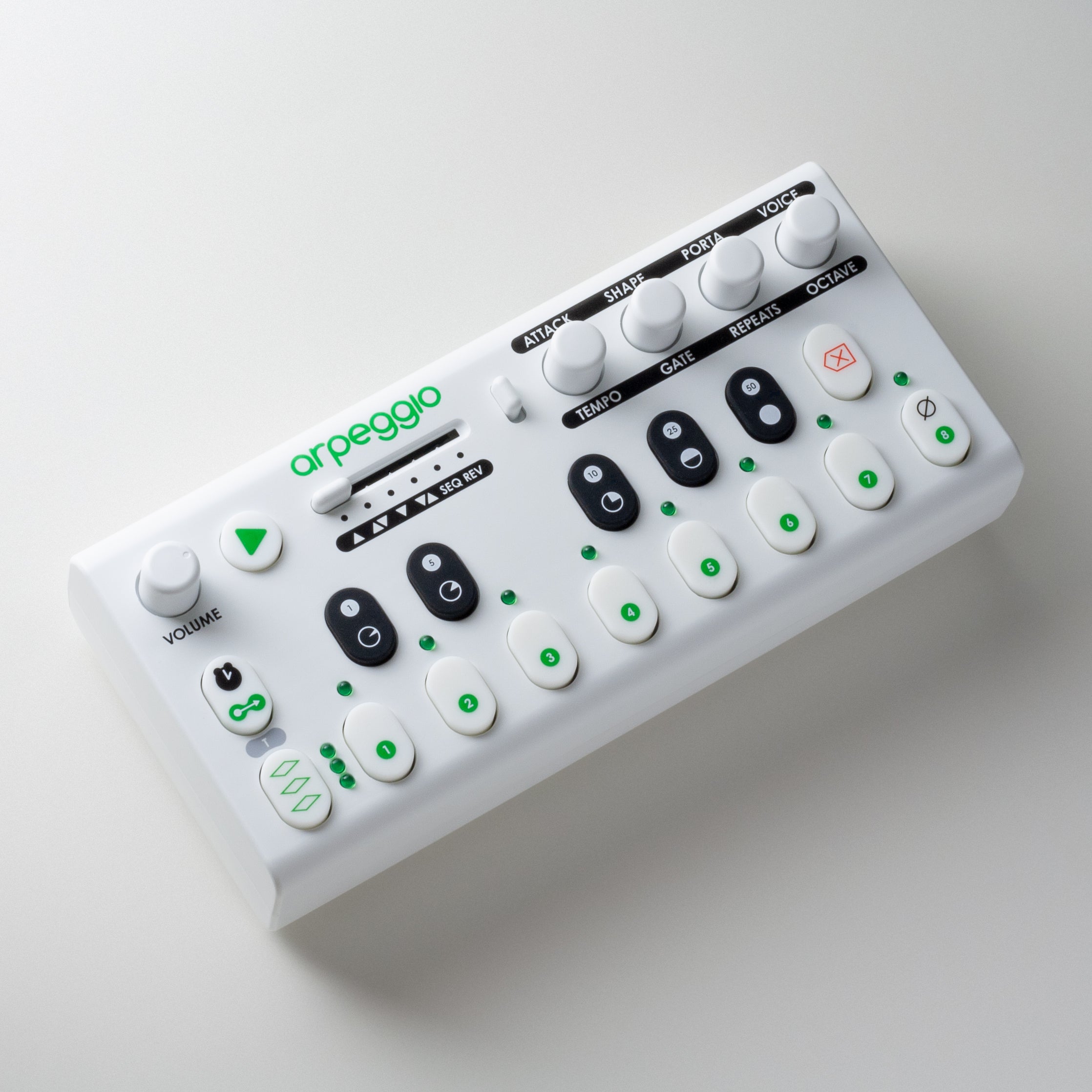
Arpeggio's pitch fits on an index card: make a melody without a laptop. Most portable synths assume you already own a computer, a digital audio workstation, and the patience to wire it all together. Arpeggio assumes none of that. It has a one-octave keypad, four encoders, a 2-oscillator virtual analog synth with 24 presets, and a speaker on the front so a beginner can turn it on and hear something within seconds.
Underneath the friendly surface is a surprising amount of depth. The arpeggiator generates what the company describes as "millions" of styles by combining note orders with modifiers. The sequencer records monophonic lines up to 128 notes long, with per-note control over pitch, slides, velocity, and swing. It stores hundreds of melodies. And when you do want to connect it to the rest of a studio, it speaks every dialect that matters.
02 / Who wants itBeginners, producers, and 460 patient people
The customer base started as a single, very specific group: the 460 backers who funded the campaign. What is interesting is who Tangible designed for beyond them. Co-founder and product designer Charlie Lesoine has been explicit that the goal was not to build another instrument for people who already make electronic music.
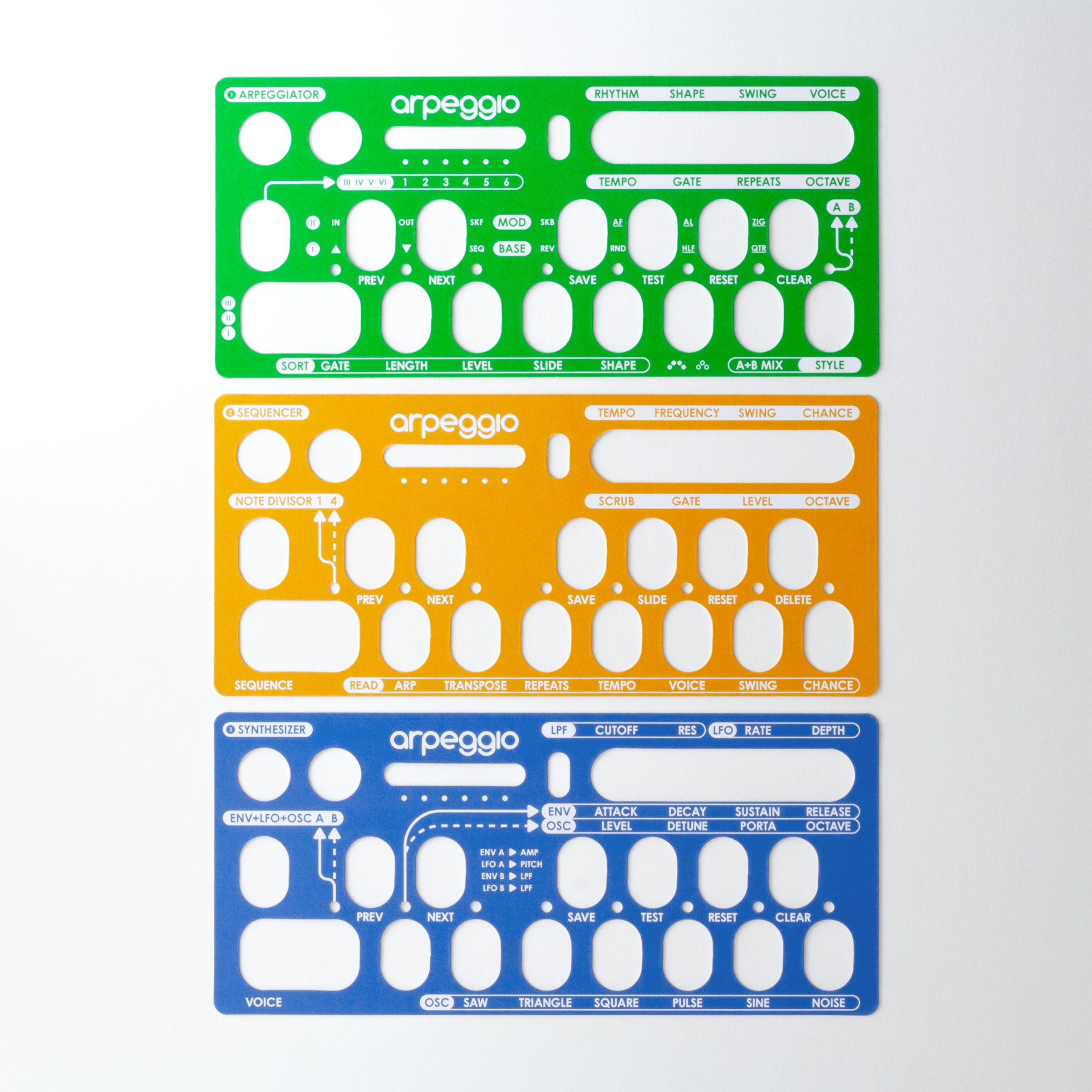
In the early design conversations, Lesoine says the team kept asking a different question than most gear companies ask: not "how do we cram in more features," but "how do we make something that feels inviting and inclusive?" That framing explains the speaker, the one-octave keypad, and the overlay cards that sit over the keys to teach the arpeggiator's logic. The instrument is for the producer who wants a scratchpad away from the screen, and equally for the person who has never touched a synth and does not want a manual.
03 / The waitWhat nine years actually looked like
The honest part of this profile is the delay, because it is the most instructive thing about the company. Arpeggio was advertised as ready for production in the fall of 2015. April 2016 came and went. By January 2021 - five years in - no units had reached backers. Demo videos surfaced in 2019, proof of a working device, but the gap between a working prototype and a manufactured product is exactly where most hardware startups die.
Arpeggio: promised vs. delivered
Timeline from campaign close (Oct 2015) to backer fulfillment. Bar length ≈ elapsed time.
There is no glossy explanation on offer, and this profile will not invent one. Small teams building physical products run into tooling costs, supplier changes, firmware that never quite behaves, and the simple fact that two people can only do so much at once. What Tangible did that most stalled campaigns do not: it kept the device alive long enough to finish it, then fulfilled every backer order in November 2024 before opening sales to the public.
04 / How it was built3D printers, then injection molds
Before Arpeggio was a product it was a pile of prototypes. The team used Shapeways and their own Mbot printer to iterate the case, the switch covers, and the knob caps - the tactile parts that decide whether an instrument feels cheap or considered. Only once the shape was right did they move to injection molding for the production run. It is a modern hardware playbook run at garage scale: prototype in plastic you can print overnight, commit to expensive tooling last.
05 / Where it fitsThe anti-laptop instrument
Arpeggio lands in a crowded aisle. Teenage Engineering's Pocket Operators and OP-1, Korg's Volca and NTS lines, Roland's Aira Compacts, and Arturia's KeyStep all fight for the same desk space and the same $100-to-$500 budget. Against that field, Arpeggio's differentiator is narrow and deliberate: it does one job - melody and arpeggiation - and it does it fully standalone, speaker and battery included, without asking you to learn a menu system first.
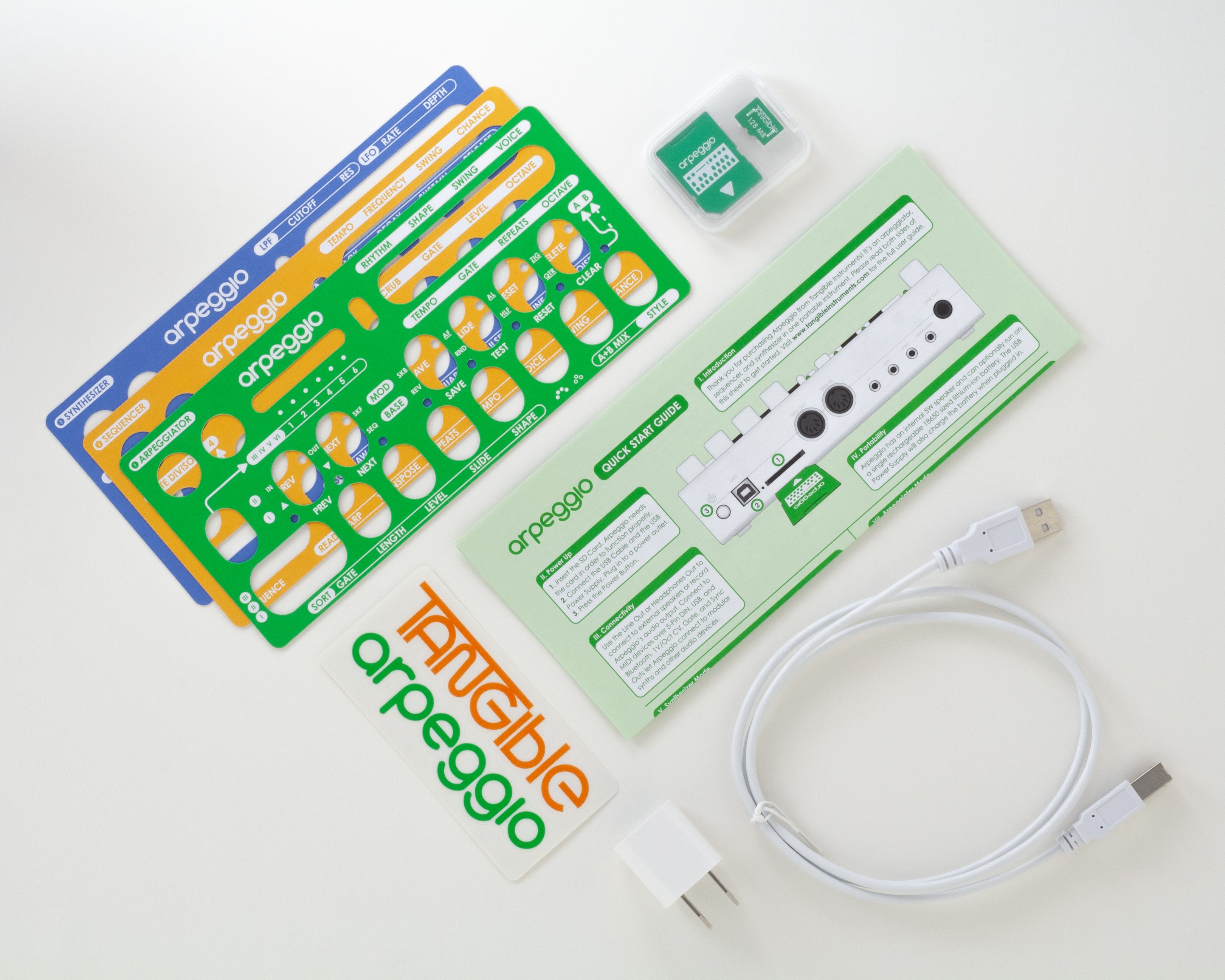
The business model is as plain as the product. Arpeggio sells direct through the company's Shopify store at $299, with accessories like overlay cards and SD cards, plus placement at retailers such as Perfect Circuit and Turntable Lab. There is no subscription, no app-store lock-in, no recurring cut. The company's stated ambition - a family of instruments, each focused on one fundamental element of music, melody then harmony then rhythm - remains just that for now: an ambition, with one shipped product to its name.
06 / What to stealThe lesson in the delay
The takeaway for anyone building hardware is not "ship late." It is that a clear, narrow product idea can survive an absurd timeline if the idea is good enough. Pick one job. Make it feel inviting instead of impressive. Prototype cheap, tool expensive, and communicate that a working demo is not a finished product. Tangible Instruments spent nine years learning that the hard way, in public, and the box still arrived.
Tangible Instruments founded
Musicians, engineers, and designers set out to build approachable electronic instruments.
Arpeggio hits Kickstarter
Campaign closes at $94,713 from 460 backers; delivery promised for April 2016.
Working demos posted
Video shows a functioning device, four years into the wait.
Arpeggio ships to backers
All remaining Kickstarter orders fulfilled in November, roughly nine years on.
General availability
Public sale opens at $299 through the store and select retailers.
Find Tangible Instruments
What is Arpeggio?
A portable, battery-powered instrument combining a synthesizer, arpeggiator, and sequencer with a built-in speaker. It runs standalone, without a computer or external software.
How much does it cost?
It currently sells for $299 through the Tangible Instruments store and select retailers. Kickstarter backers pre-ordered at a lower price in 2015.
Why did it take so long to ship?
Crowdfunded in 2015 with a promised 2016 delivery, Arpeggio faced years of development and manufacturing delays. All backer orders were fulfilled in November 2024.
Who founded Tangible Instruments?
It was founded in 2014 by a group of musicians, engineers, and designers, including product designer Charlie Lesoine and CMO Viktor Metelev.
What can it connect to?
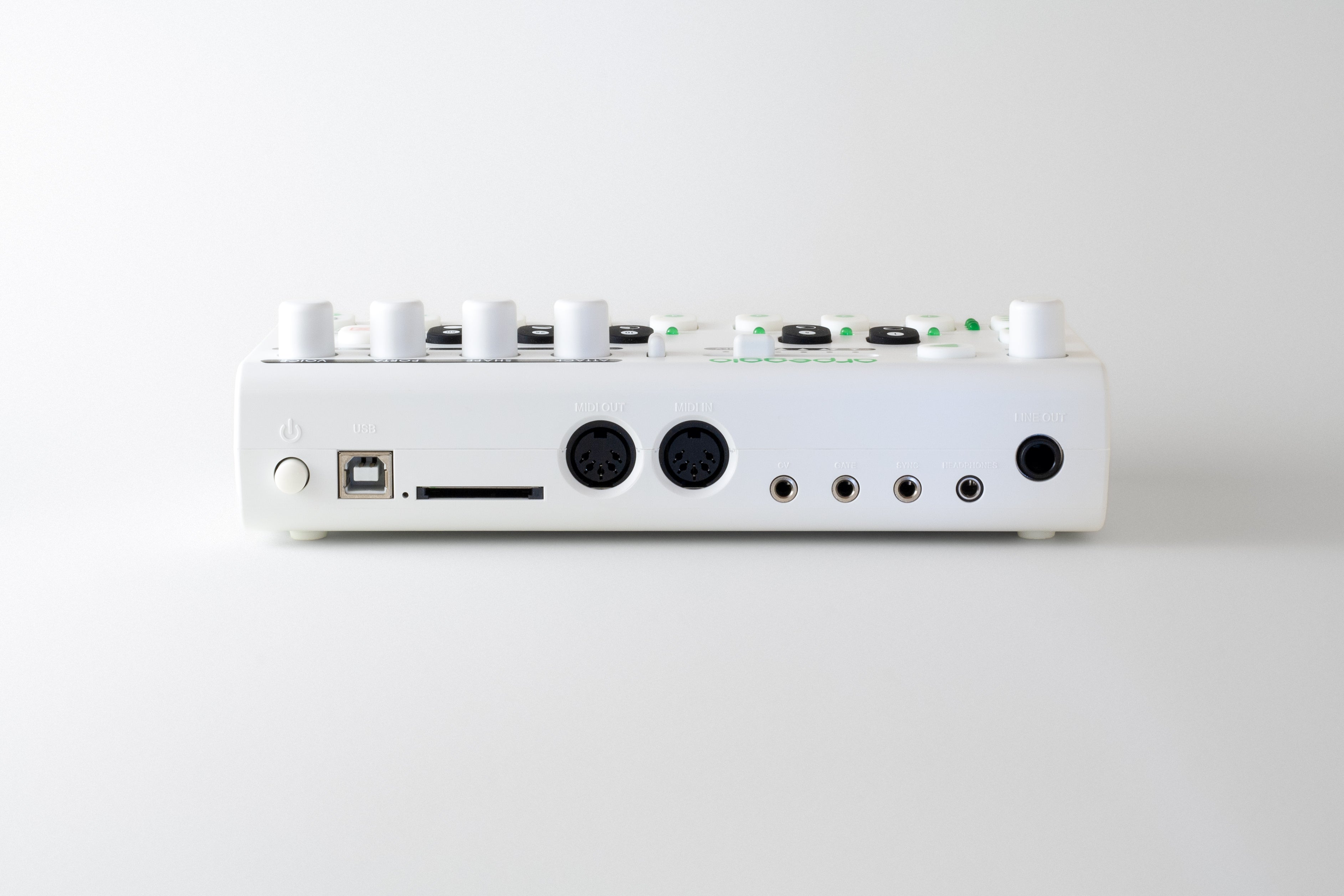
MIDI over DIN, USB, and Bluetooth LE, CV/Gate outputs, analog clock sync, and 1/4" and 1/8" audio outs - so it can control or sync with external synths, drum machines, and DAWs.