israeli-founders
(18)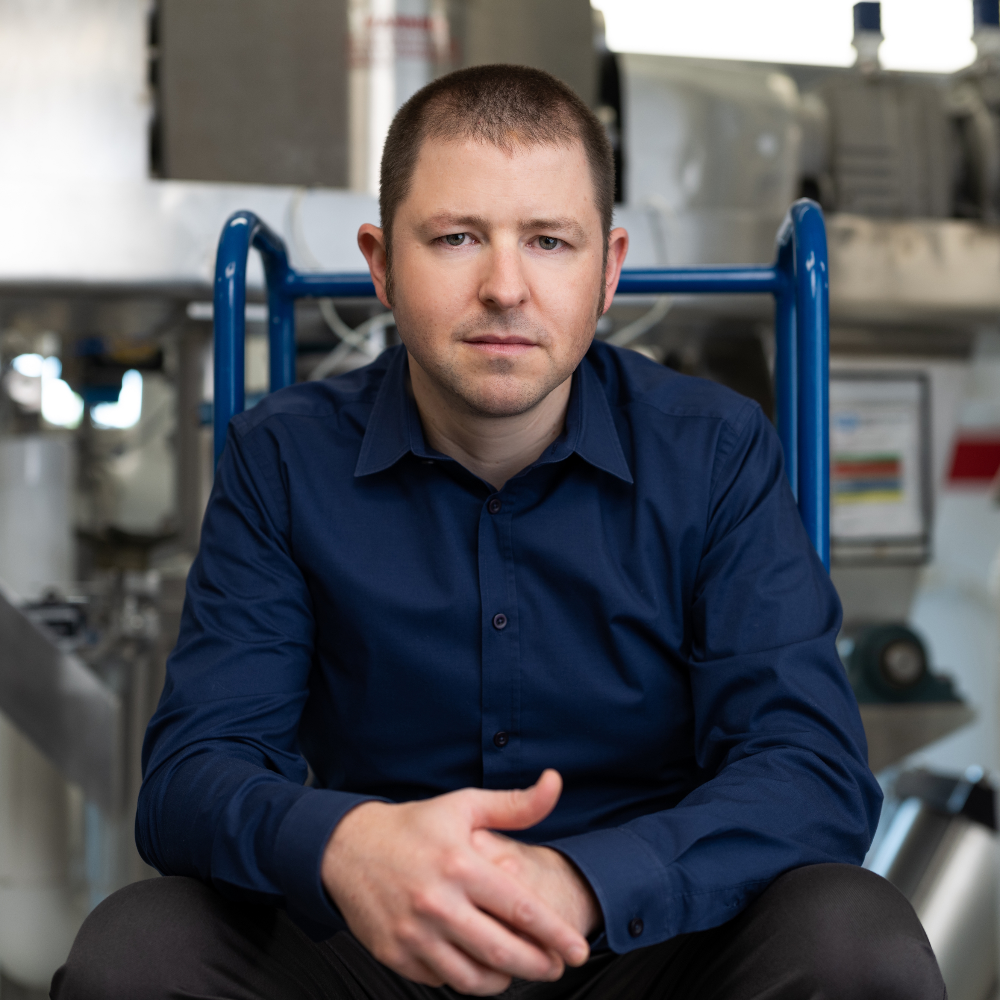
Saar Yoskovitz and the value of a quiet factory
He began by fixing other people’s computers. At Augury, Saar Yoskovitz turned a habit of listening into a business built around the breakdowns that never happen.

Yuval Kaminka and the business of beginning again
A reluctant young musician gave Yuval Kaminka an idea. Turning it into Simply took years of experiments, a pricing lesson from hamburgers, and a willingness to let his own team overrule him.

Reshef Mann and the trouble with good numbers
AppsFlyer’s co-founder began by writing the code. His work became a longer investigation into what happens when an advertising industry learns to count - and someone learns to cheat.

Tamar Bar-Ilan Bet on the Question Before the Answer
The Cyera co-founder began with a partner, an ambition and no settled product. Five years later, his work still turns on the same question: what can reach a company’s data?
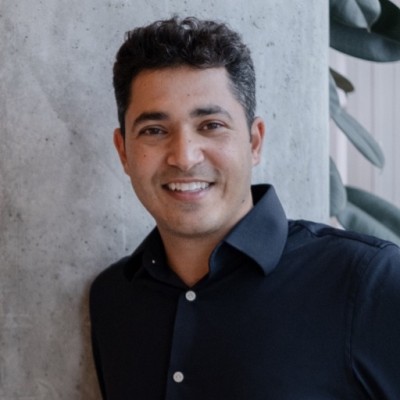
Moshe Shalev and the Question on the Future Wikipedia Page
From a Bnei Brak yeshiva to Unit 8200 to a real-time AI lab, Moshe Shalev has kept asking what a useful future should look like. At Decart, that question has grown from a hallway conversation into a company building video models and the computing stack beneath them.
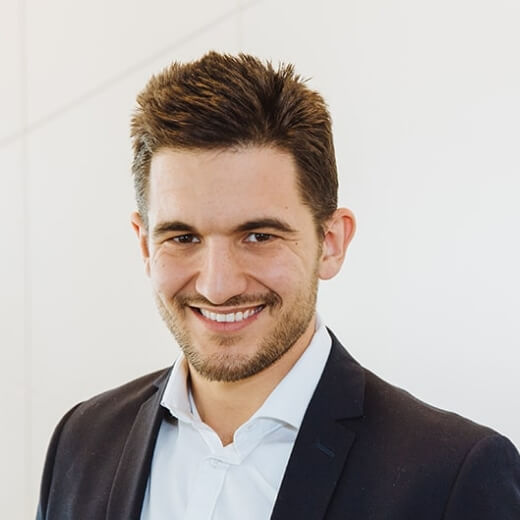
Elad Walach Learned That the Hard Part of AI Comes After the Algorithm
He entered university at 15 and spent nine years learning how to make technology work under pressure. At Aidoc, Elad Walach discovered that the algorithm is only the opening argument - trust, workflow and relentless follow-through decide what happens next.
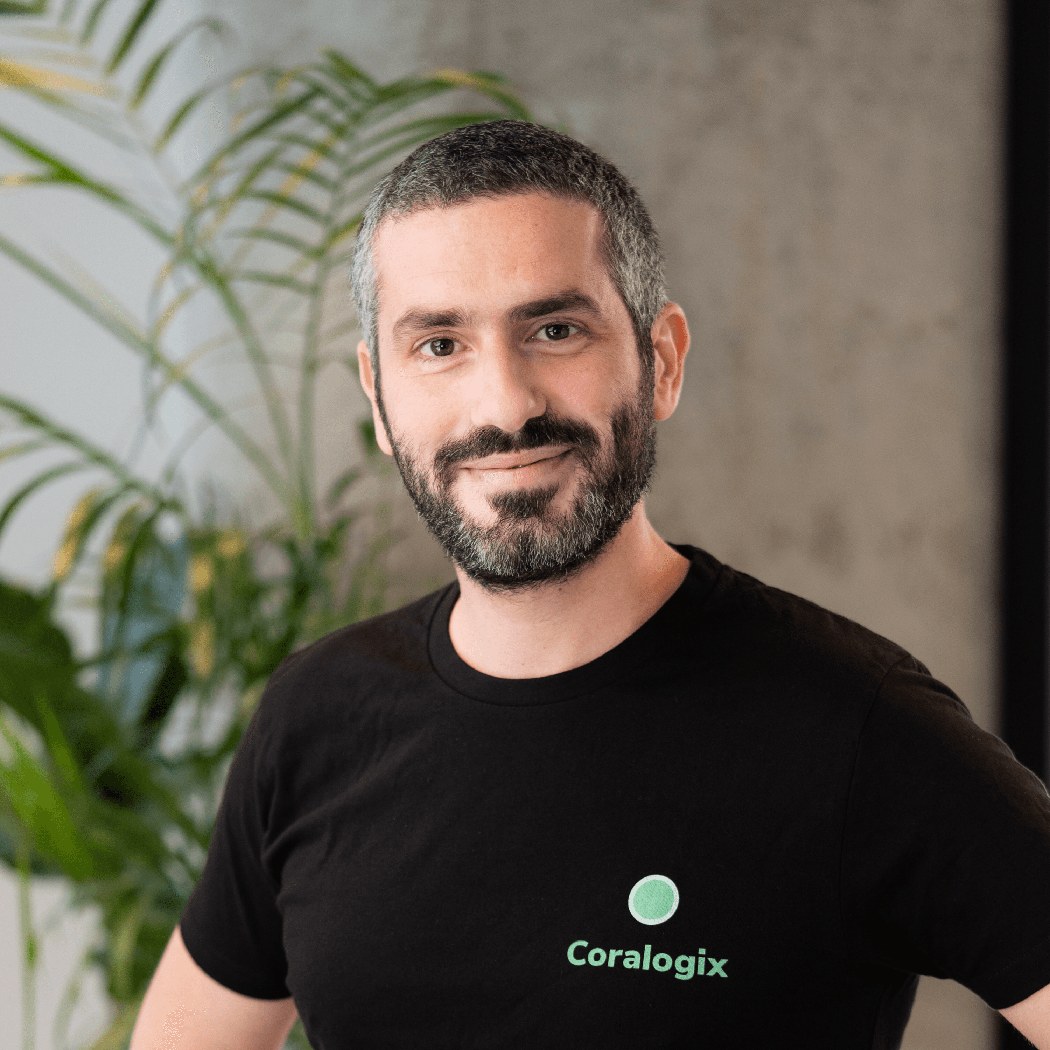
Ariel Assaraf Bet the Company on Looking Before Storing
Coralogix nearly ran out of road before its co-founder reversed the usual order of data analysis. Now Ariel Assaraf is applying that survival lesson to a noisier problem: how humans and AI agents understand what software is actually doing.

Uri Raz Bet on the Call Before the World Picked Up
A fourth-time founder built Tango for the moment when video calling felt faintly futuristic. The more revealing story is what he did after messaging moved on without him.
Alon Horev and the Memory Beneath the Machine
The VAST Data co-founder built his career below the fashionable layers of technology. Now the self-taught engineer is betting that AI's future will be decided by memory, movement and the architecture nobody sees.
Renen Hallak Saw the Bottleneck Before the Boom
A computer scientist who was taught neural networks did not work built VAST Data for the moment they would. Ten years later, his storage company is trying to become the operating system beneath artificial intelligence.
Omer Brookstein Is Teaching the Machines in the Meeting Room to Phone Home
He started programming control systems at 14, learned the AV trade inside the family business, and built Xyte after a pandemic wrecked the original plan. Now his bet is that the quiet machines around us should behave less like furniture and more like software.
Raz Rafaeli Has Spent 30 Years Making Passwords Look Old
Long before passwordless became a category, Raz Rafaeli was building network tools and running infrastructure companies. His latest act is a ten-year campaign against the credential that refuses to retire.
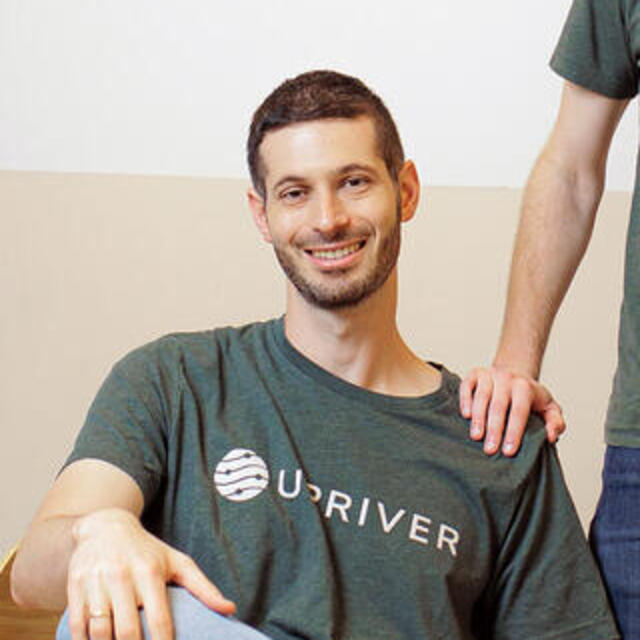
Ido Bronstein Is Building the Context Layer AI Forgot
After years turning fragmented intelligence data into something people could act on, Ido Bronstein is giving enterprise AI the context it keeps missing - and recasting data engineers as the people who decide what a business means.
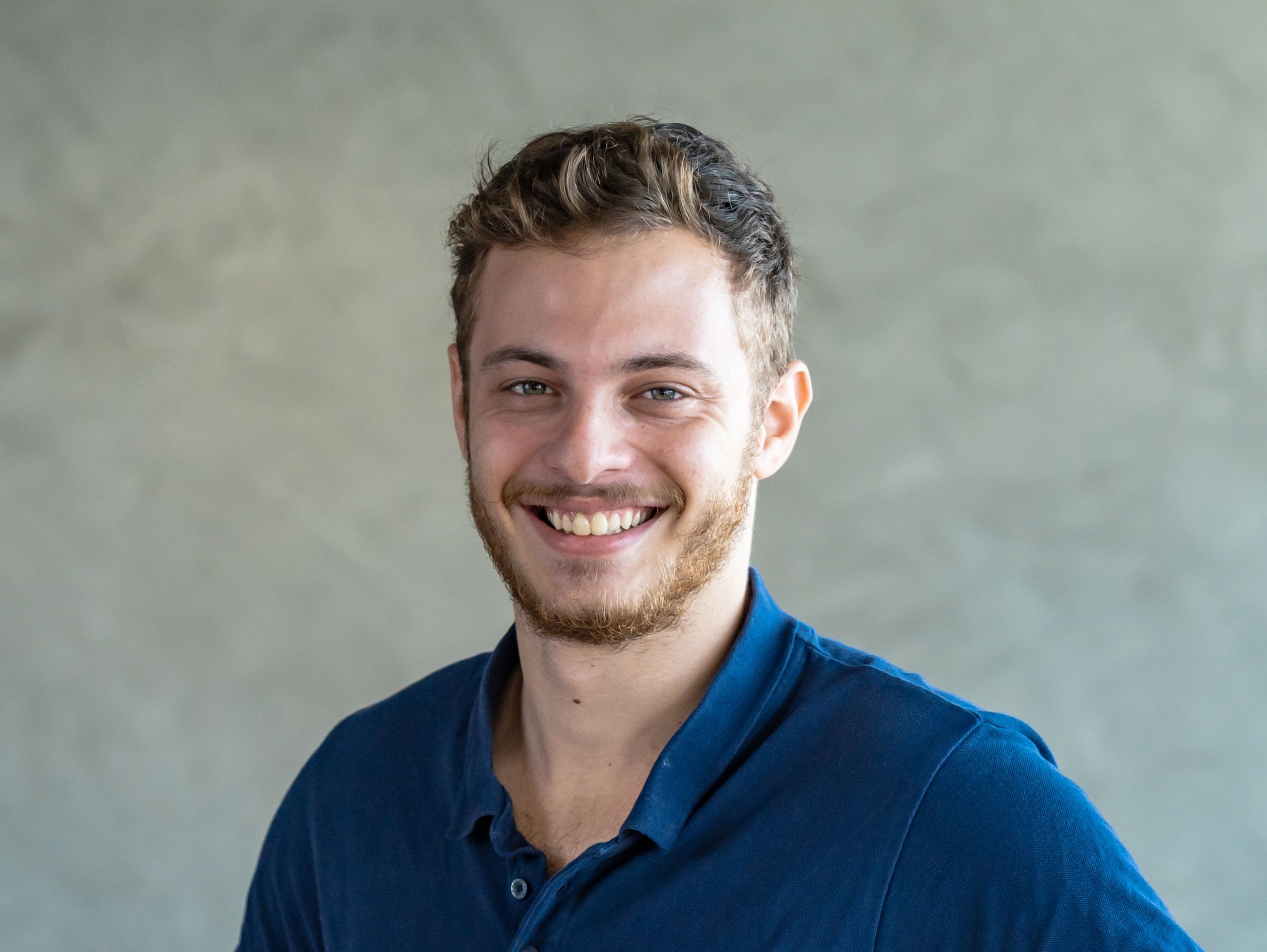
Asaf Amit Learned to Make Empty Rooms Tell Better Stories
The Apply Design co-founder turned experience in 3D, VR and computer vision into a practical lesson: people do not buy square footage alone. They buy the life they can picture inside it.

Roi Tiger Is Back at the Endpoint, Where AI Meets Its Messiest Reality
After Onavo and nearly nine years inside Meta, Roi Tiger has returned to startup life with Glow - and a prevention-first bet on the unruly machines where people actually work.
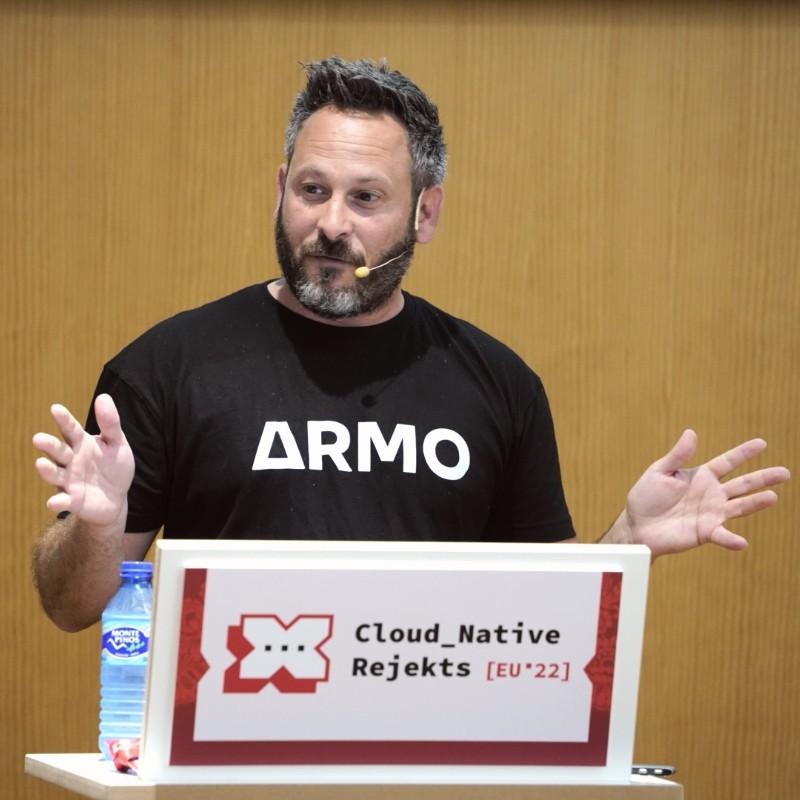
Shauli Rozen Put Kubernetes Security in the Hands of the People Who Ship It
The ARMO co-founder took a winding route from compression code to the boardroom, then bet that cloud security would work better if developers could inspect it, try it and shape it themselves.
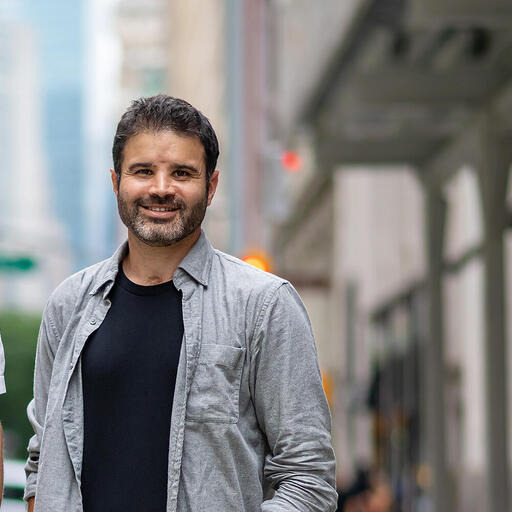
Nir Laznik Wants AI to Watch the AI
After one startup crossed continents and closed, the information systems engineer returned with a quieter proposition: in finance, the most useful AI may be the one checking everyone else’s work.

Tomer Weingarten
Tomer Weingarten is the co-founder, chairman, president, and CEO of SentinelOne, the publicly traded cybersecurity company he started in 2013 to replace signature-based antivirus with autonomous, AI-driven endpoint protection. An engineer by trade, Israeli outsider by background, he scaled the company from a Tel Aviv kitchen-table idea to a NYSE-listed business crossing $1B in ARR, betting the platform on agentic AI through Purple AI and Wayfinder.