home-security
(17)
How Chamberlain Turned the Garage Door Into a Software Business - and What Builders Can Copy
The 72-year-old hardware maker found a software business hiding in the most anxious sentence in suburbia: ‘Did I close the garage?’ Now it is taking the same access layer from driveways to front doors, apartment gates and loading docks.
The Alarm Company That Grew by Making High-Tech Security Feel Old-Fashioned
John Loud left an airline cockpit for an alarm panel, then built a nearly 13,000-customer company around an unfashionable idea: answer the phone, know the customer and make the machinery work.
The Home-Theater Company That Built Its Best Room Inside a Bank Vault
A former GM operating-systems engineer turned an old Boca Raton bank into a smart-home laboratory - vault theater included - and now sells the finished picture before the first cable is run.
Reolink Built the Security Camera Aisle for People Who Hate Subscriptions
The 17-year-old camera maker found a valuable gap between cheap cloud gadgets and professional surveillance: serious local storage, lots of hardware choices, and no required monthly bill. The catch is that freedom asks the buyer to do some homework.
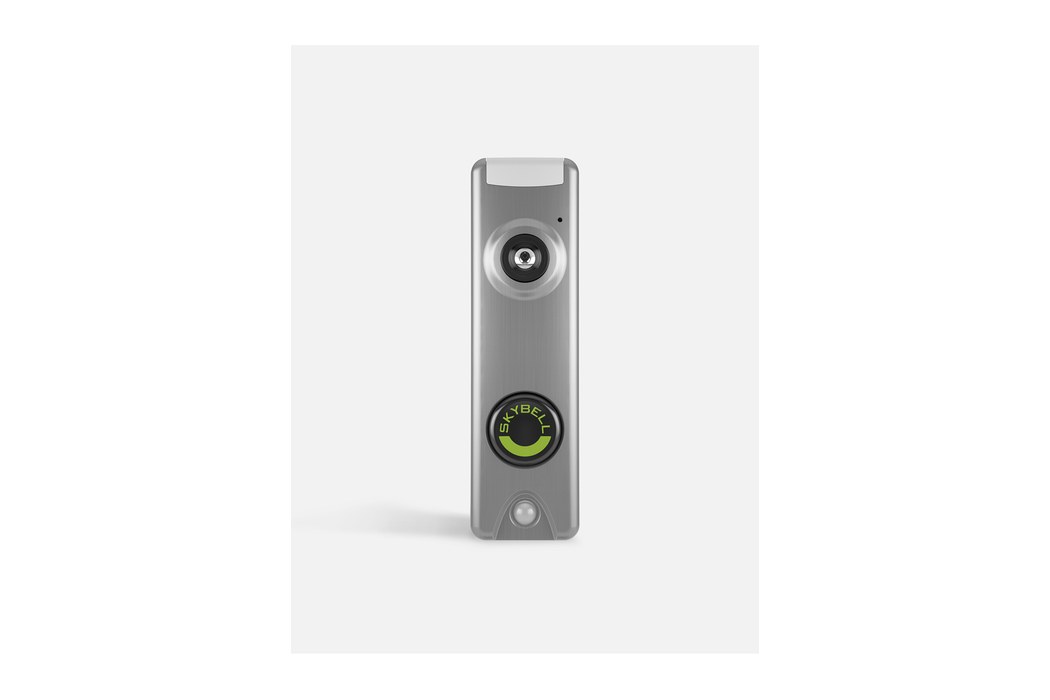
The Doorbell That Rang Before Ring
It crowdfunded $600K, out-patented its rivals, and put two million cameras on America's doorframes - then Amazon bought Ring and everything about the doorbell wars got louder.
The Charger Company That Quietly Became an Energy Company
Anker started by selling a better phone charger on Amazon. Fourteen years later it is putting battery walls, robot vacuums, and solar systems in homes across 100-plus countries - and betting its next act is energy, not accessories.
The Standards Group That Made 4,500 Smart-Home Gadgets Actually Talk to Each Other
It doesn't sell a single gadget. It sells a promise - that the smart lock, the motion sensor and the hub in your hallway will all speak the same language, no matter whose name is on the box.
The Henderson Company Betting Your Roof, Your Locks and Your Light Switch Belong on One App
Solar panels, door cameras, thermostats and monitored alarms - most homeowners buy them from four different companies. LivSmart's pitch is that they should have bought them from one.
The Company That Sells You Peace of Mind, One Thermostat at a Time
Honeywell spun it off in 2018 as an afterthought. Six years and three acquisitions later, Resideo is a $6.76 billion home-safety business splitting itself in two - and betting the boring stuff on your wall is worth more apart than together.

The Co-op That Wired the Backroads Before Big Telecom Bothered to Look
For seventy-plus years a member-owned co-op in Abbeville has been laying fiber down roads the big carriers ignored. When Hurricane Helene knocked the region offline, its offices became the place people went to charge a phone and find a signal.
The Biggest Cable Company You Forgot Was Family-Owned
For 60 years Cox stayed private, poured billions into cable, and let louder rivals grab the headlines. Then it agreed to a $34.5 billion merger that puts its name on the country's largest broadband network.
ADT
The blue yard sign is only the visible edge of ADT. Behind it sits a six-center monitoring network, 6.1 million subscribers and a bet that the next security system will understand a home without constantly filming it.

KeyMe Locksmiths
KeyMe Locksmiths is a New York-founded technology company that has rebuilt the roughly $12 billion locksmith trade around robotics and computer vision. Its self-service kiosks - more than 7,000 of them inside retailers like Kroger, Walmart, IKEA, Menards and Rite Aid - use trained neural networks to scan, store and duplicate house keys, car keys with transponders, and RFID fobs in minutes. Alongside the kiosks, KeyMe runs a nationwide dispatch network of professional locksmiths for lockouts, re-keying, lock installation and repair, plus a retail media network that turns its kiosk screens into advertising real estate. The company has raised roughly $200 million across eleven rounds since 2012.

CANDY HOUSE
CANDY HOUSE, Inc. is the consumer-hardware company behind Sesame, the retrofit smart lock that mounts over an existing deadbolt with adhesive tape and turns a smartphone, fingerprint, card, PIN or face into a key. Founded in 2014 by Stanford engineer Jerming Gu and famous for a 2015 Kickstarter that raised about $1.4M, the company built an open ecosystem around SesameOS - locks, touch and face readers, a coin-sized Matter hub, sensors and finger robots - aimed at making smart-home access affordable, rental-friendly and developer-open.

Deep Sentinel
Deep Sentinel is a Pleasanton, California security company that pairs proprietary AI with live human guards to stop crime while it is happening rather than document it after the fact. Its cameras use computer vision to filter out harmless motion and surface genuine threats to remote 'LiveSentinel' guards, who intervene through two-way audio and a 100+ dB siren within seconds and escalate to police with verified, crime-in-progress information. The company sells to both homeowners and businesses and has expanded into a Bring Your Own Camera program that works with major third-party camera brands.

Dave Selinger
Dave Selinger is the co-founder and CEO of Deep Sentinel, a Pleasanton, California company that pairs AI with live human guards to stop crimes before they happen rather than just record them. An early Amazon data scientist who reported to Jeff Bezos, he went on to co-found Redfin, build personalization giant RichRelevance, and now runs a security operation that says it intervenes in thousands of crimes a month. In June 2025 Deep Sentinel raised an oversubscribed $15 million Series B.
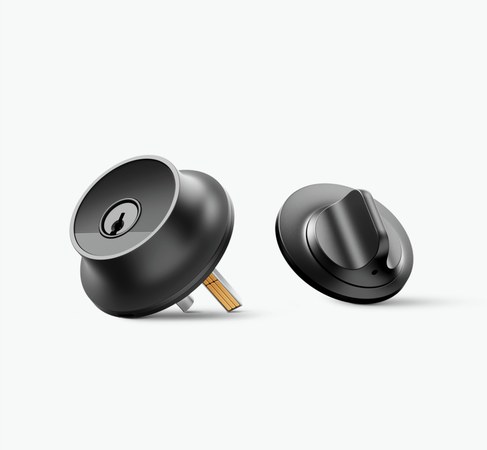
Level Home
Level Home is a Redwood City smart-lock company founded by ex-Apple engineers that builds the world's first invisible smart lock - all the electronics hidden inside the deadbolt itself. Backed by Walmart, Lennar, and Cox Communications, Level raised $171M and was acquired by ASSA ABLOY in 2024.