health-tech
(106)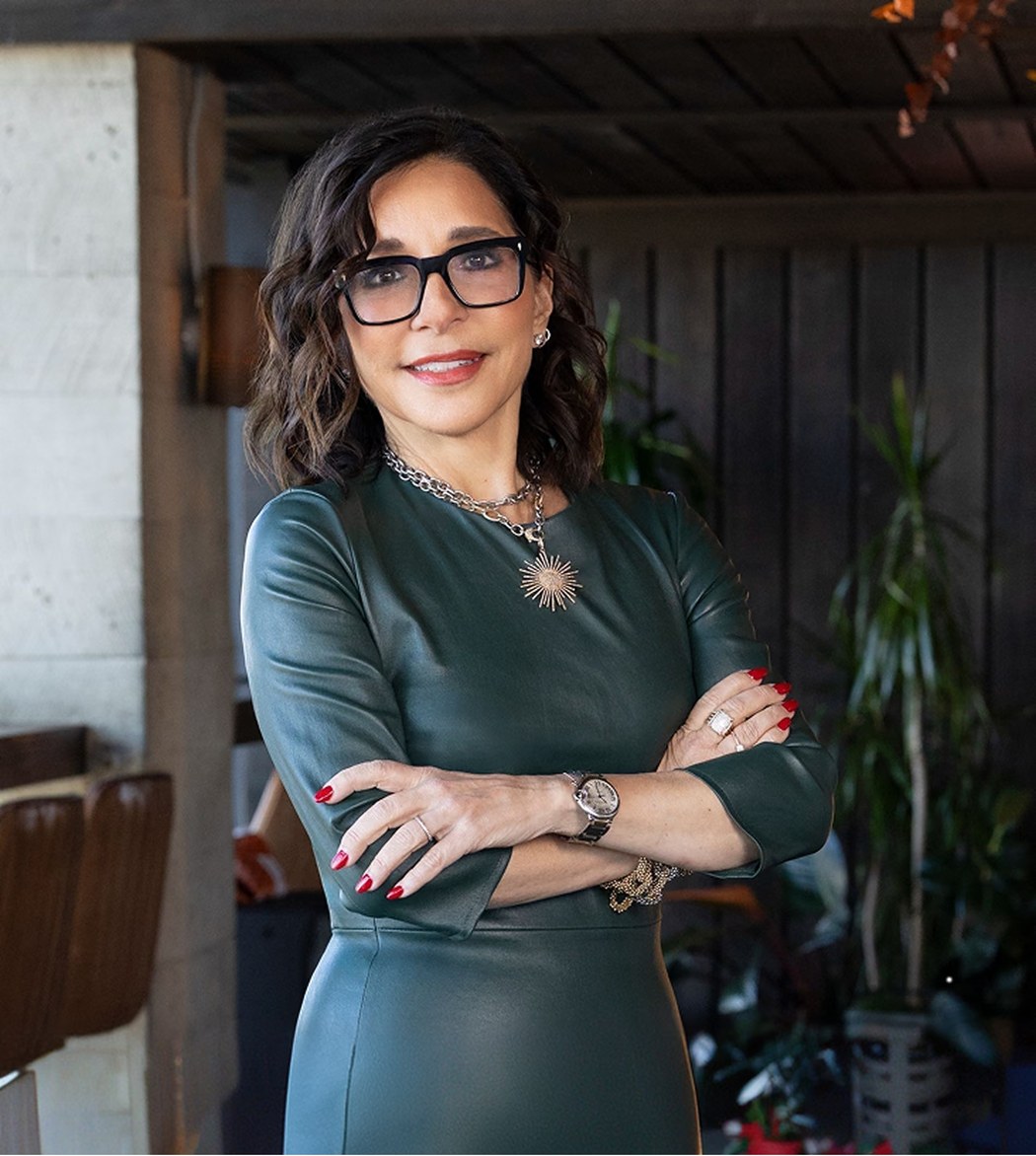
Linda Yaccarino Keeps Choosing the Difficult Room
From television's bundle to X's permanent storm and now eMed, Linda Yaccarino has built a career by walking into industries at the moment their old rules stop working.
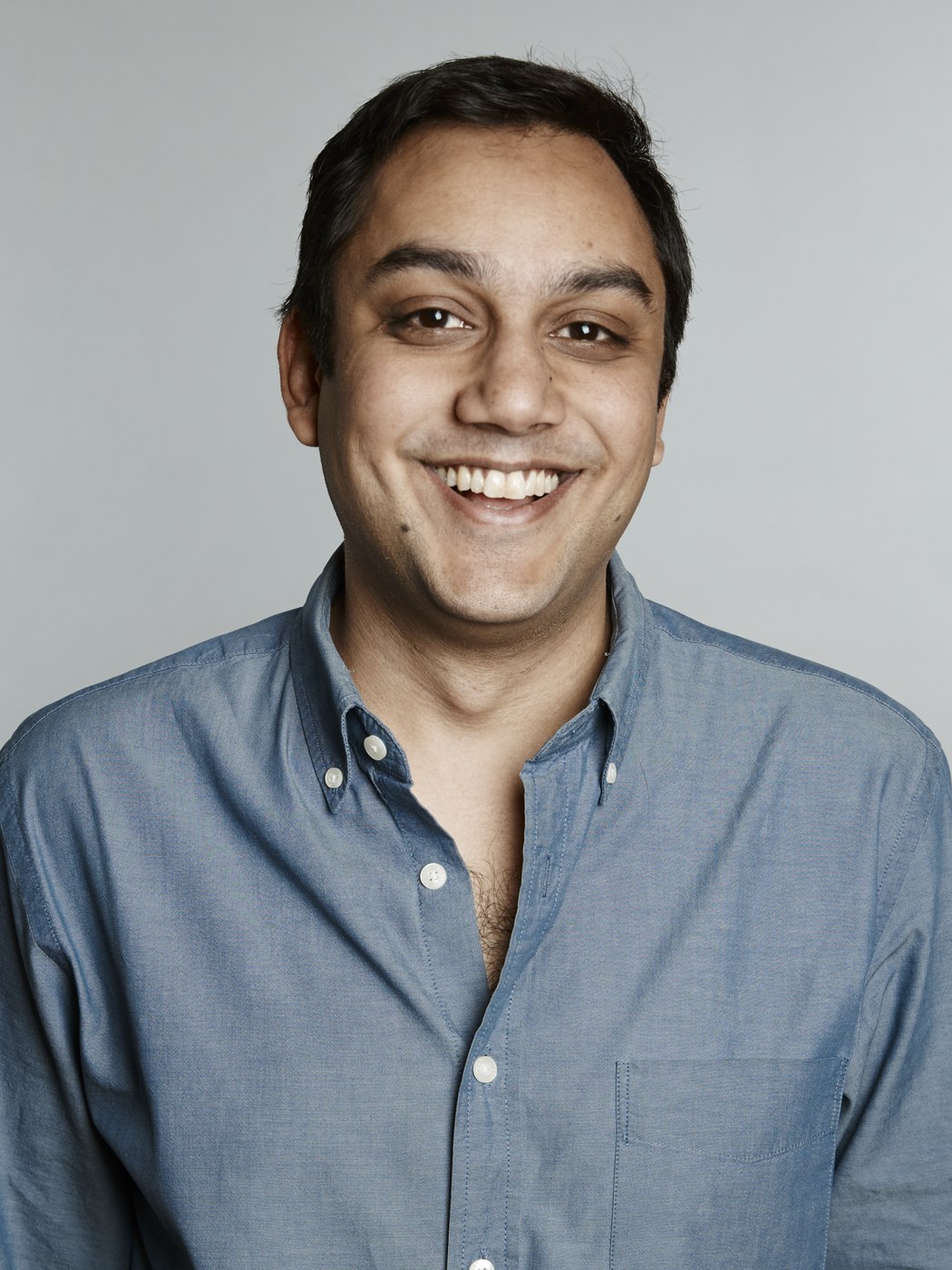
The Pharmacy Was in the Basement. Eric Kinariwala Saw the Blueprint Upstairs.
A broken escalator and an empty shelf gave a former investor his first clue. A decade later, the more revealing story is how Eric Kinariwala learned to build a company as carefully as a product.
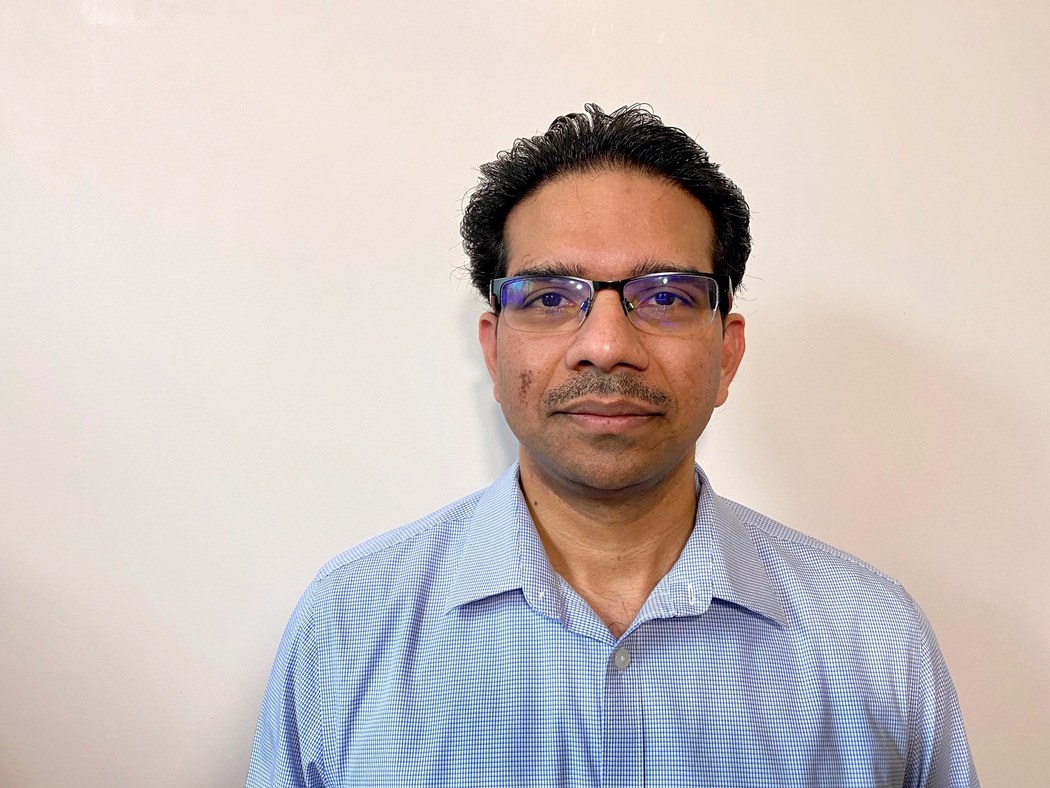
Ravi Bulusu and the Long Way Around to Building What Matters
A software engineer tried to answer a shortage with a factory. Immigration rules, overseas supply chains and a Senate witness table turned that practical impulse into a revealing American story.
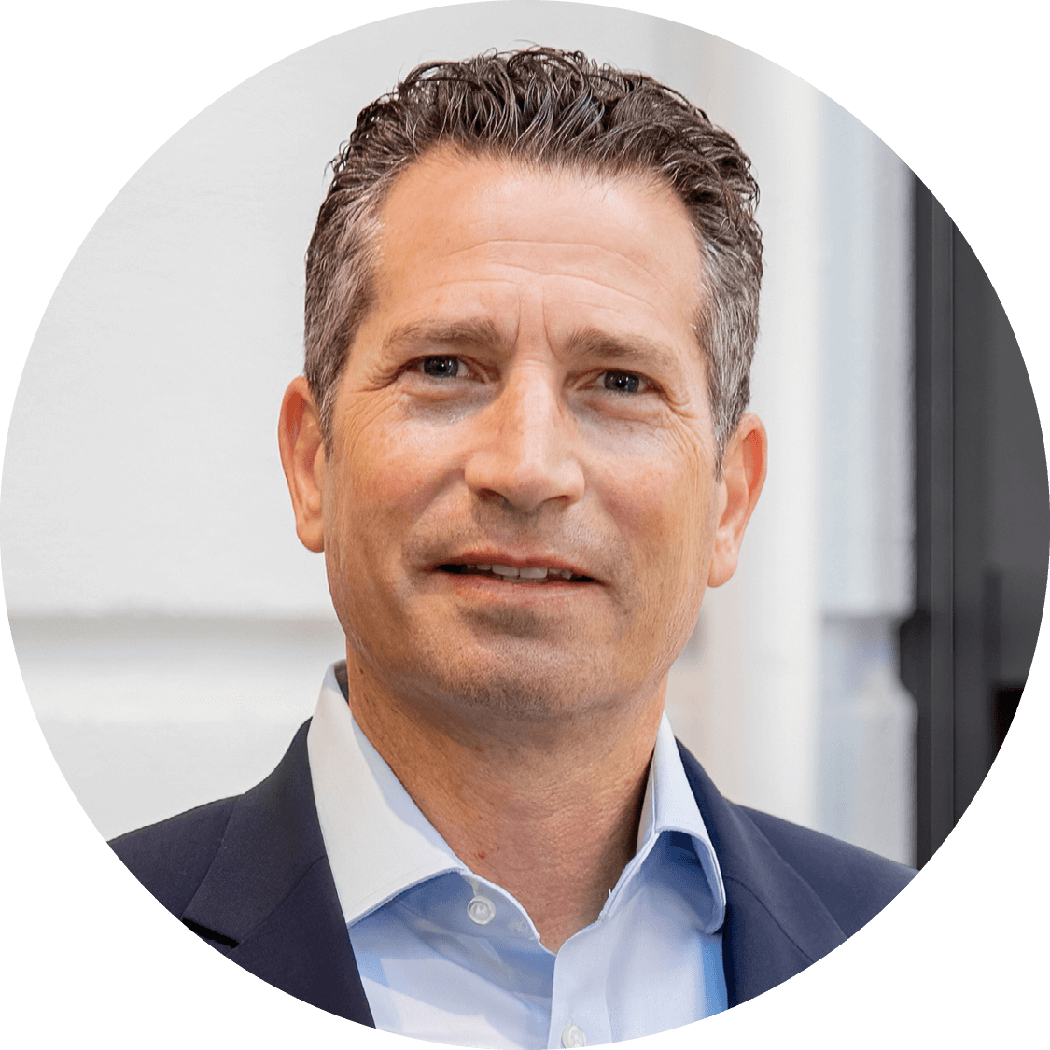
Andrew Goldberg and the Art of Making Fragments Agree
HealthVerity's co-founder built a career out of joining what institutions leave scattered. His operating philosophy begins with a modest idea: before data can tell a story, somebody has to make the pieces trustworthy.

Iman Abuzeid Put the Job Interview in Reverse
A physician heard hospitals complain they could not find nurses, while nurses complained hospitals would not call back. Her answer was to make the employers do the chasing.
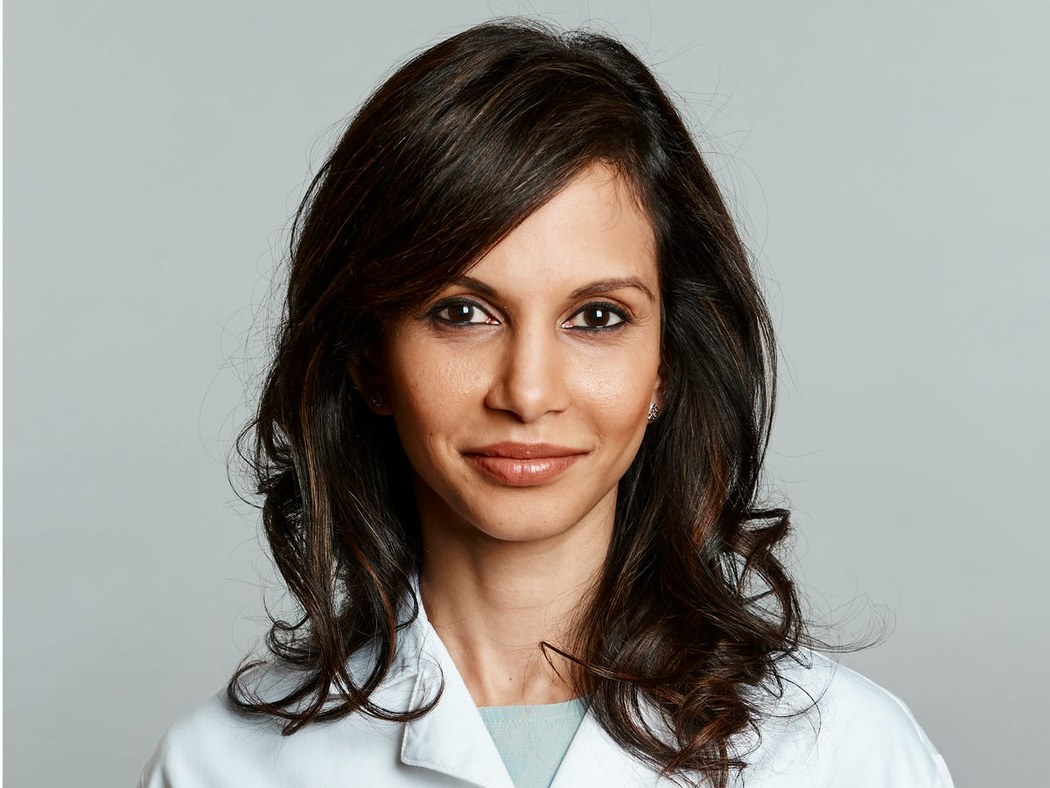
Sonia Patel Jain Put the Pharmacist Back in the Pharmacy
She learned pharmacy from the counter outward, then helped rebuild it from the phone inward. At Capsule, Sonia Patel Jain made an old profession feel newly personal.
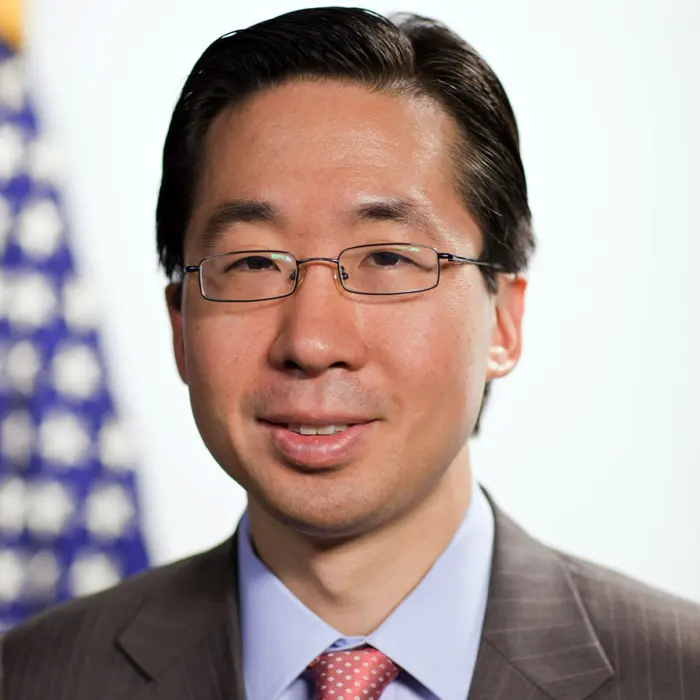
Todd Park Keeps Building the Institution He Wishes Existed
Across startups, the White House and a family company, Park has pursued one stubborn idea: difficult systems can be made humane if the right people are given a clear mission and room to work.

Rick Green Makes Complicated Technology Make Sense
Across medical robotics, life science, pharmacy automation and patient-engagement software, Rick Green has kept returning to the same deceptively hard assignment: turn an intricate system into a story people can use.
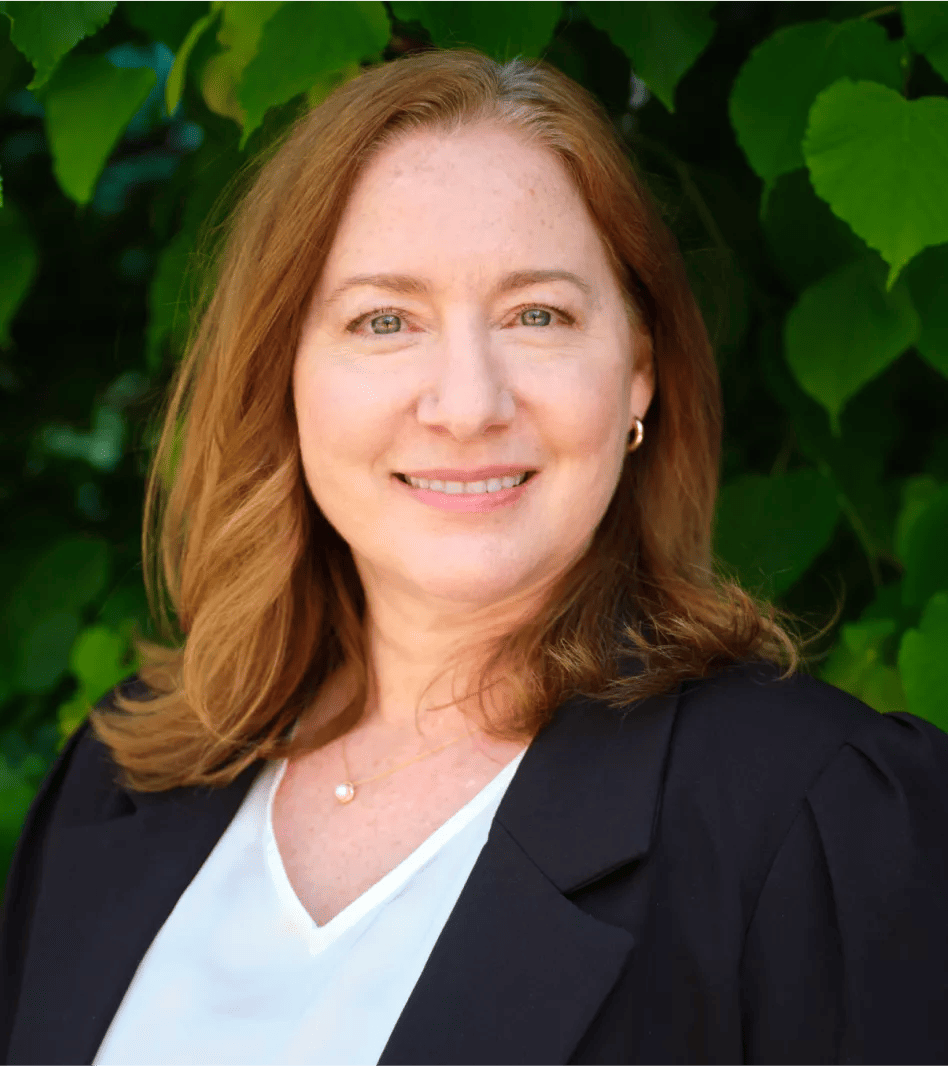
Alix Hart Has Spent a Career Teaching Complex Companies to Listen
From magazine subscriptions on Facebook to AI-era research platforms, Verily Health’s chief marketing officer has followed one durable principle: hear the audience before asking for its attention.
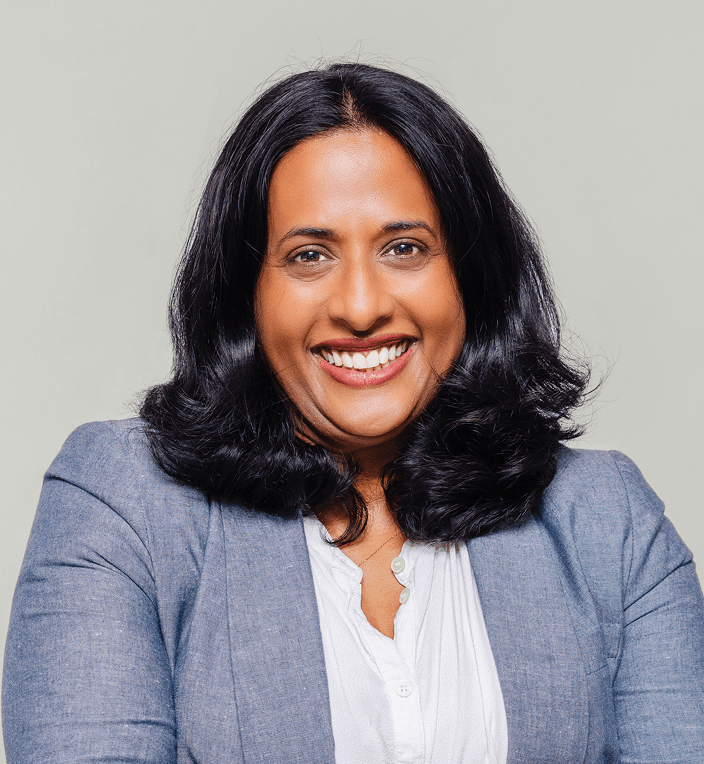
Marina Dorotheo Makes Complex Technology Make Sense
The Welldoc strategist spent decades learning how innovation reaches the real world. Her method is less about making technology sound futuristic and more about making its purpose clear.
Amanda Melander Has Spent 20 Years Making Complicated Things Clear
Before health-tech marketing became a daily argument about AI, Amanda Melander was already asking the useful question: what deserves a busy person's attention? Her career offers a quietly durable playbook for making complex products legible without sanding away what matters.
Priya Abani Learned BASIC at 12. She Has Been Scaling Complex Systems Ever Since.
Before she ran AliveCor, Priya Abani wrote validation tools for microprocessors and helped Alexa escape the Echo. Her career is a study in one portable skill: making complicated technology useful to ordinary people.
Noel Pugh Built a Career in the Gaps - Then She Built Lōvu
Before Lōvu was a company, it was a pattern Noel Pugh had spent two decades noticing: the consequential work of care often happens in the blank spaces between institutions, appointments and people.
Nitesh Shroff Is Teaching Hospital AI to Show Its Work
Before medical codes, Nitesh Shroff taught cameras and cars to interpret the world. At Arintra, he is applying the same discipline to a less visible problem: turning clinical documentation into an explainable, defensible claim.

Kevin Quennesson Has Spent 20 Years Teaching Machines to See
Before Braid Health, there was a camera that remembered movement, an Apple graphics engine, a beloved photo startup that failed in public, and Twitter’s AI lab. The connecting thread is an engineer’s stubborn question: how can software make an image easier to understand?

Meer Patel Left the White Coat on the Hanger
He trained to become a doctor, learned to build AI, and chose the less obvious instrument. At Prana, Meer Patel is testing whether code can give physicians more reach without taking judgment out of their hands.
Mark Pothen’s First Startup Wasn’t a Company. It Was a Supply Chain.
A detour from patent law led Mark Pothen to a volunteer network, a string of product roles and one durable idea: learn the work closely enough to rebuild how it gets done.
Ashish Mandavia Is Fixing the Six-Second Moment Before Care Begins
A physician left the ward, learned the machinery of growth, and found his company in healthcare's overlooked doorway. Now Sohar Health is turning insurance verification from a waiting game into infrastructure.
Ariel Katz Is Turning a Student’s Frustration Into a Map of Modern Medicine
He once traded 10,000 doughnuts for a campus full of users. Now the H1 co-founder is organizing fragmented doctor data, one stubborn connection at a time.
Latif Khalil Spent Decades Making Data Behave. Then His Company Became Part of the System.
Before interoperability became a boardroom word, Khalil was building the unfashionable machinery underneath it. InteropX turned that long apprenticeship into a company - and a 2026 acquisition into its next chapter.
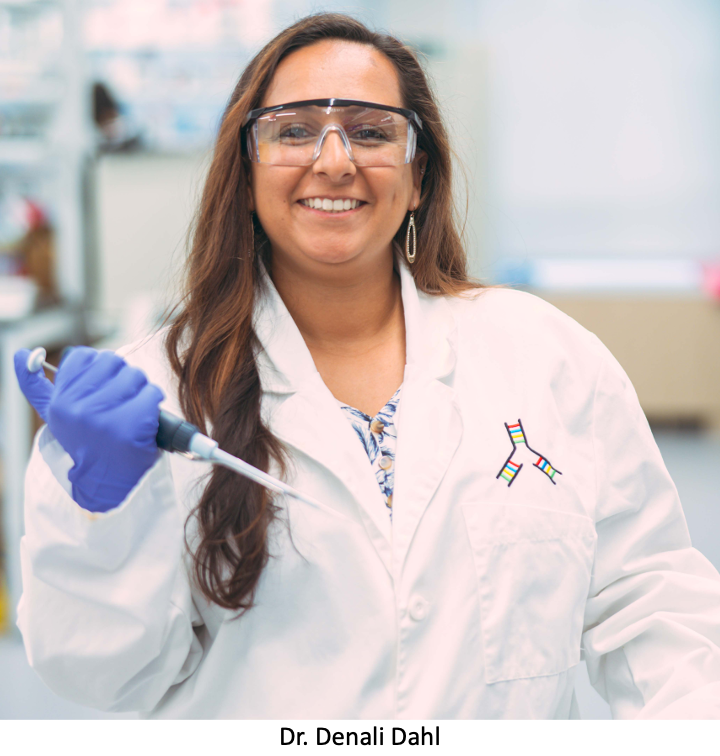
Denali Dahl Turned a Class Assignment Into a Company Built for the Hard Part
She never planned to run a business. Then a Duke project refused to remain a project, and Denali Dahl learned to translate laboratory precision into the stubborn work of building Kalia Health.

Anju Mathew Put Cancer Care’s Crowded Meeting on One Screen
Before AI could help a care team, someone had to fix the meeting. Mathew’s path from engineer to operator to founder explains why OncoLens began with workflow - and grew into infrastructure.

Larry Rubin Has Been Building AI Since Before It Was Fashionable
A 1991 neural-network patent, a career crossing laboratories and startups, and one durable idea: make difficult measurements useful outside the room where experts usually take them.
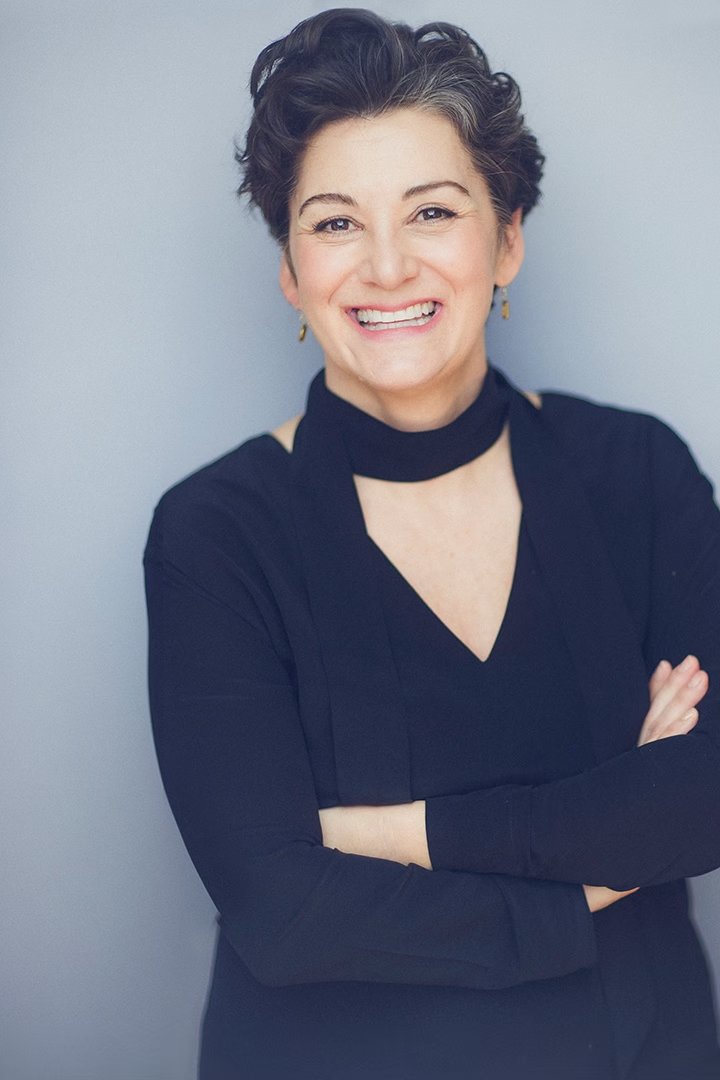
Barbara Pantuso Put the Agency Office on the Chopping Block
A pastry chef turned strategist built Nimble·Works with her sister, proved a remote agency could grow on judgment instead of overhead, and found an exit without surrendering the experiment.
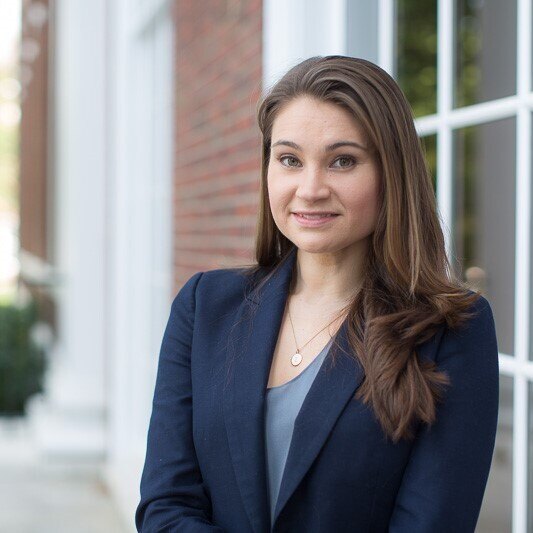
Alex Zimmerman Is Making Brain Chemistry Legible
An engineer met a spectroscopy scientist in a hospital brainstorm. A decade later, their software is turning unruly signals into something clinicians and researchers can read.

Jean Ross Is Building the Missing Place Between the Portal and the Kitchen Table
A patient-finance manager became a critical-care nurse, then turned years of binders, portals and repeated explanations into a company. Jean Ross’s useful idea is simple: the record should travel with the family.
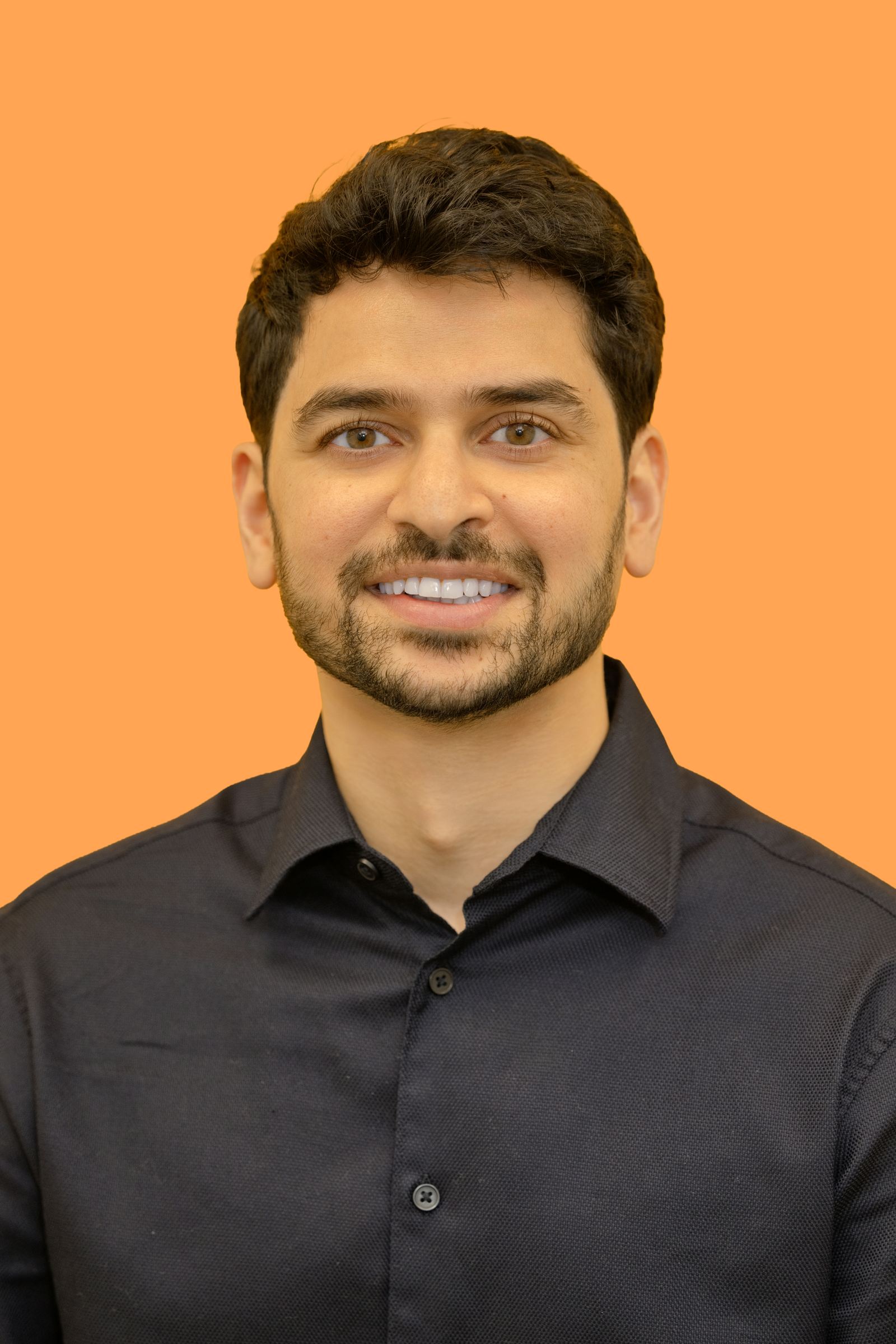
Priyang Shah Found a $10,000 Hole in Employee Benefits
After helping scale two Columbus startups, Priyang Shah returned to a stubborn piece of household math. His answer became Healia - and a case study in building ambitious software from Ohio.
Colin Bettam Has Spent Three Decades Making New Categories Feel Familiar
Before League, Colin Bettam sold beer, satellite radio, televisions and e-readers. The products kept changing, but his operating problem stayed the same: turn complicated technology into a story people can use.

Mandy Silverman and the Quiet Architecture of Getting Paid
Before founding I V Y Labs, Mandy Silverman moved from venture investing to Apple, Shutterfly, Yelp and LoopUp. The pattern behind those stops now lives inside Ivy Pay: make a complicated transaction feel like one ordinary tap.

Michael Gardner Is Building a Second Operating System
After two decades inside academic medicine, the Stanford professor and MyBackHub CEO is applying a surgeon’s discipline to a founder’s problem: turning expertise into a system that can travel.