gaming-hardware
(10)
Astro Studios put a whole brand in your hands
From the Xbox 360 to Nike's FuelBand, Astro made technology feel like something people wanted to live with. Its move into PA Consulting reveals the business pressures behind the objects.

SteelSeries Built a $1 Billion Gaming Brand by Learning What Not to Make
A glass mousepad fixed one Counter-Strike player's dusty little problem. An MP3-player flop taught his company to stop wandering - and focus became the product.

Fractal Design Bet Gamers Would Grow Up. Nine Million Products Later, the PC Case Looks Like Furniture.
The Swedish hardware company built a global business by noticing that gamers age, apartments have furniture, and a powerful PC does not need to look like an alien aquarium. Its next test is whether that taste can travel from cases to the whole gaming station.
The Guillemot Brothers Sell You the Ferrari Wheel and the DJ Deck
Five brothers from a Brittany village of a few thousand people built the joystick empire behind Microsoft Flight Simulator and the decks that teach the world to DJ. The famous siblings run Ubisoft. This is what the quieter ones do.

The Gaming Company That Turned a Three-Headed Snake Into a $2 Billion Cult
It started with one gaming mouse and a promise that felt slightly ridiculous - build only for gamers, nobody else. Twenty-plus years later that stubbornness is a hardware empire, a payments business, and a snake logo people tattoo on themselves.
His Son Wanted a Rubik's Cube That Played Pac-Man. So Cubios Built One.
Cubios spent seven years turning a child's what-if into a 24-screen cube you twist to play. Then it handed the device the one name that could sell it: Rubik's.
The Store That Sells CPUs at a Loss - and Wins Anyway
While rival electronics chains shrank or died, this Ohio-based retailer kept opening 35,000-square-foot stores - and turned DIY PC builders into one of retail's most loyal fan bases.
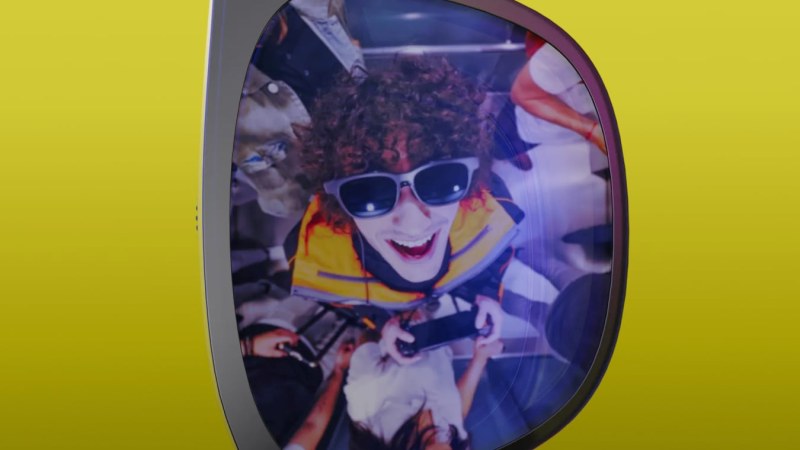
VITURE
VITURE builds XR glasses that look like sunglasses and act like a giant private screen. Plug them into a phone, console, Steam Deck, or laptop and a 150-plus-inch virtual display floats in front of you, with electrochromic tint, sharp micro-OLED panels, HARMAN audio, and AI-powered 2D-to-3D conversion. Founded in 2021 by ex-Google Glass engineer David Jiang, the company has become the leading name in the U.S. display-glasses market and has raised over $120M to expand from gamers into enterprise and productivity.
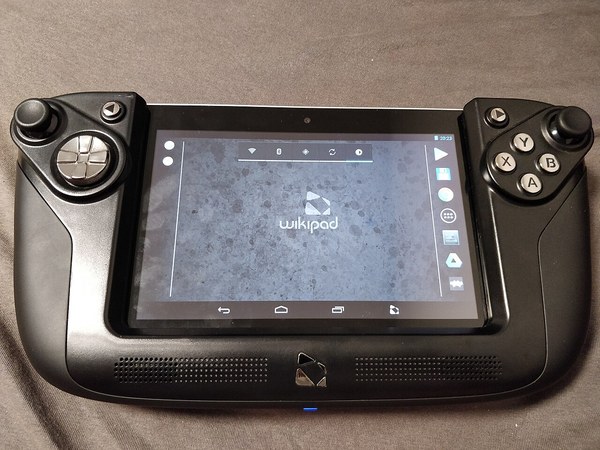
Gamevice
Gamevice is a Simi Valley, California hardware company that makes attachable gamepad controllers which clamp onto an iPhone, iPad, or Android phone and turn it into a handheld console. Born from the Wikipad gaming tablet project, the company shipped its controller through hundreds of Apple Retail stores, raised a $12.5M Series A in 2017, and built its newer Flex line as an official 'Designed for Xbox' accessory tuned for Xbox Cloud Gaming and other cloud services. It is also known for a long-running patent fight against Nintendo over the Switch's detachable Joy-Con design.
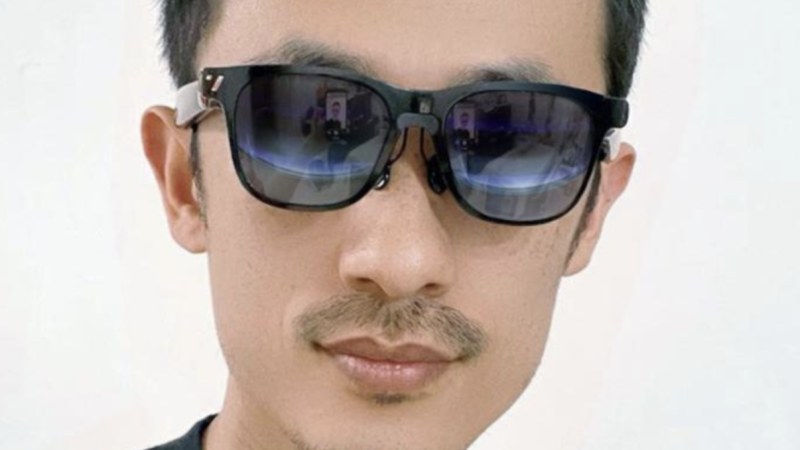
David Jiang
David Jiang (Gonglue Jiang) is the co-founder and CEO of VITURE, the XR glasses company that captured 52% of the U.S. smart glasses market in Q4 2024 and raised $100M in Series B funding in 2025. A Harvard-trained human-computer interaction designer who worked on Google Glass and led AR at Rokid, he founded VITURE in 2021 with a single conviction: that wearable screens would replace the smartphone as the primary entertainment and productivity interface. VITURE One raised $3.1M on Kickstarter in one month, surpassing Oculus's prior record, and VITURE Pro later outranked Meta Ray-Ban on Amazon.