The Gaming Company That Turned a Three-Headed Snake Into a $2 Billion Cult
It started with one gaming mouse and a promise that felt slightly ridiculous - build only for gamers, nobody else. Twenty-plus years later that stubbornness is a hardware empire, a payments business, and a snake logo people tattoo on themselves.
In 1999, a lawyer and a marketing veteran shipped a computer mouse and told the world it was for gamers. That was the whole pitch. Not office workers, not designers, not the general public - gamers, a market most hardware companies at the time treated as an afterthought. The product was called the Boomslang, named after a venomous African snake, and it kicked off one of the more improbable brand-building runs in consumer electronics.
The company is Razer, and the slogan it eventually settled on - "For Gamers. By Gamers." - reads like marketing until you realize it functions as a filter. Razer decides what to build by asking whether a gamer would actually want it. That single constraint, held for two decades, is how a mouse maker became a hardware, software, and payments business pulling in roughly $2 billion a year.
01 / What Razer Actually DoesThe gear you grew up on
At its core, Razer designs and sells the physical tools of PC and console gaming: mice, keyboards, headsets, and laptops. The names are familiar to anyone who has walked a gaming aisle - DeathAdder and Viper mice, BlackWidow and Huntsman keyboards, Kraken headsets, and the Razer Blade line of thin aluminium laptops. The DeathAdder alone has sold more than 20 million units, which is a strange kind of fame: most people can picture the mouse without ever knowing its name.
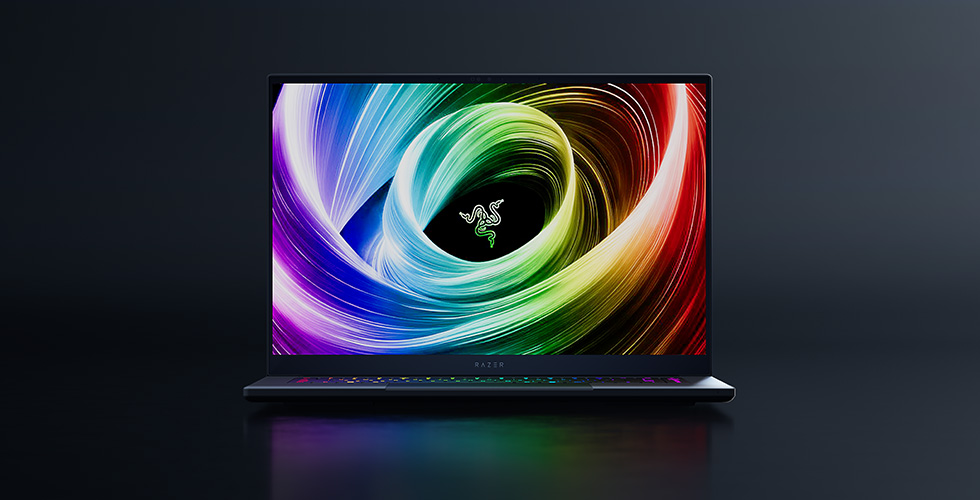
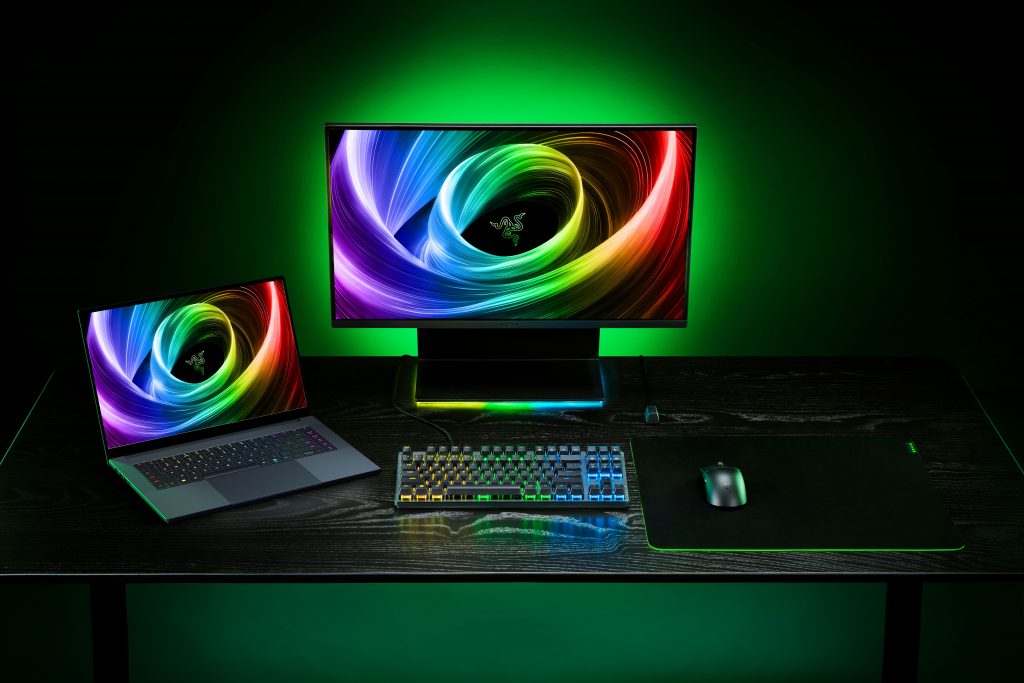
Around the hardware sits software that most owners never think of as a product. Razer Synapse stores your button mappings, macros, and lighting in the cloud, so your gear behaves the same on any machine you log into. Chroma RGB - the per-key lighting people once mocked as gamer bling - grew into a platform that thousands of devices and third-party games plug into. It is free. It is also, quietly, the reason people who buy one Razer product tend to buy their next one from Razer too.
The catalog keeps widening from that center. Beyond mice and keyboards, Razer now sells microphones and webcams for streamers, ergonomic gaming chairs and desks, mobile controllers, and the Razer Gold payments platform. Some of these are obvious extensions of a peripherals company; others - furniture, snacks, virtual currency - only make sense once you see the strategy. Razer isn't trying to own one product category. It is trying to own the gamer's whole environment, from the chair up.
02 / The Business ModelSell the gear, own the software, take a cut
Razer makes most of its money the obvious way: selling hardware at a premium. In its most recent full year, hardware was roughly 82% of revenue. Peripherals carry healthy margins; the Blade laptops carry less, but they anchor the brand at the top of the market and pull people into the ecosystem.
The more interesting layer is services. Razer Gold is virtual credit for buying games and in-game content across more than 68,000 titles, paired with a rewards currency called Razer Silver. It is the part of Razer that millions of gamers use without ever thinking about the company behind it - and it throws off higher-margin, recurring revenue that a one-time mouse sale never could.
Where the money comes from
Approximate revenue mix, most recent full year
Every Razer product is a doorway. Buy the mouse, install Synapse, earn Silver, spend Gold. By the time you notice, you are not a customer - you are a resident.The ecosystem flywheel
03 / Who Buys ItPlayers, pros, and the people who watch them
Razer's customers are PC and console gamers first, then the professionals and streamers who make a living on top of that hobby. Esports players want low-latency mice and mechanical keyboards they can trust in a tournament; creators want headsets and lighting that look good on camera. Around that hardcore center sits a much larger casual audience that buys Razer because it signals belonging to the same world.
That is the quiet genius of the brand. The triple-headed snake is one of the most recognized marks in gaming, and one of the most tattooed. Razer even runs a sustainability mascot - a wide-eyed cartoon snake named Sneki Snek tied to a tree-planting campaign - because it understands that loyalty is built on inside jokes as much as spec sheets.
04 / How It's DifferentA niche defended on purpose
Razer's rivals are serious companies - Logitech G, Corsair, SteelSeries, HyperX, and ASUS ROG all fight for the same shelf space. Several are larger and more diversified. What sets Razer apart is not any single feature but its refusal to hedge. Logitech also sells webcams to accountants; Razer sells to gamers and lets that focus dictate the industrial design, the software, and the tone of voice.
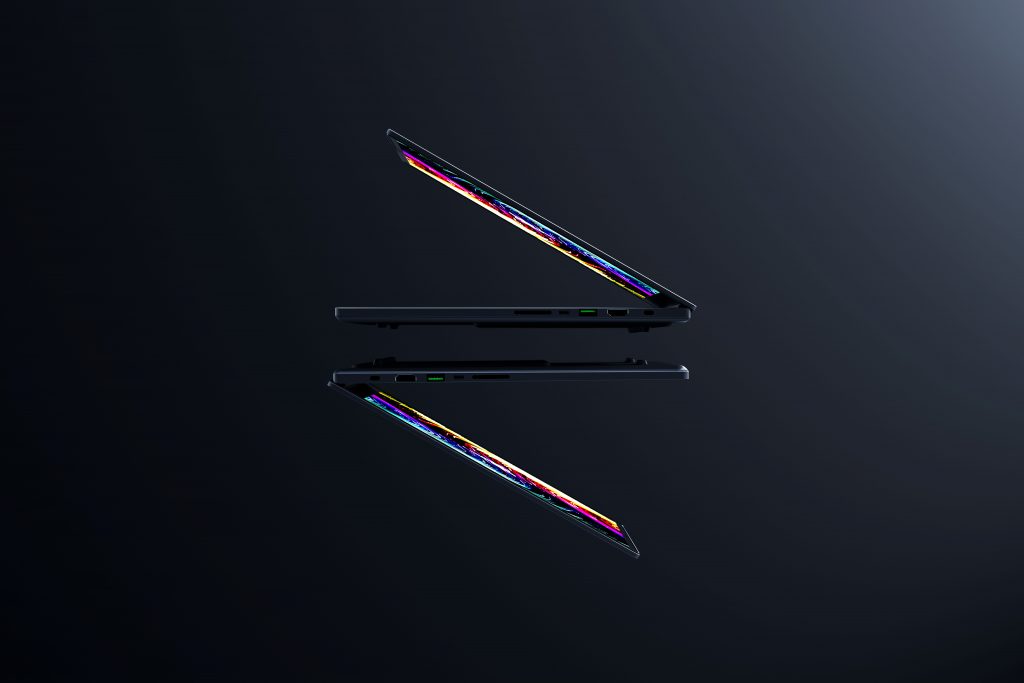
That focus shows up in the products. The Blade proved a gaming laptop could be a thin, matte-black object you'd bring to a meeting rather than a neon slab. Chroma turned lighting into a developer platform instead of a gimmick. And the Kishi mobile controllers - the V3 line launched in 2025 with full-sized TMR thumbsticks and Sensa HD haptics - bet that phones are the next real gaming console, not a toy version of one.
The partnerships follow the same logic. Razer works with NVIDIA to put the latest GeForce RTX silicon inside the Blade, acquired THX in 2016 to bring cinema-grade audio certification in-house, and teamed with Mars on RESPAWN, a snack and energy line aimed squarely at people who game for hours. None of these are random brand extensions - each one reaches the gamer a little earlier in the day, from the desk to the fridge.
05 / The People and the MoneyFrom lawyer to snake king
Razer was co-founded by Min-Liang Tan, a Singaporean who trained as a lawyer before quitting to build a mouse, and Robert "RazerGuy" Krakoff, an American marketing veteran who served as president until his death in 2022. Tan runs the company as CEO and, tellingly, Creative Director - he still puts his hands on product design. The dual-headquarters setup in Singapore and Irvine, California reflects a company that was global before it was large.
Min-Liang Tan has said he originally thought Razer would only ever make gaming mice.On accidental empires
The financial arc is its own story. Razer listed on the Hong Kong Stock Exchange in 2017 under the ticker 1337 - "leet" in gamer speak - raising roughly $528 million. Five years later, Tan, co-founder Kaling Lim, and private-equity firm CVC Capital Partners took the company private again at a valuation near $3.2 billion, betting the public market had it wrong. When a company's own founders buy it back, it says something about how they see the next decade.
06 / The TimelineOne mouse to an ecosystem
07 / Where It FitsThe premium end of a growing market
Gaming hardware is no longer a fringe category - it sits inside a global games industry that dwarfs film and music combined. Razer occupies the premium tier: rarely the cheapest option, usually among the most desired. Its edge is that it treats hardware, software, and services as one connected experience rather than three separate product lines, which makes it harder for a single competitor to peel away a Razer customer.
What can a reader take from it? The Razer playbook is portable. Pick a specific audience and actually serve only them. Give away software that makes your hardware stickier. Then build a services layer that earns money long after the box is opened. The snake logo is memorable, but the strategy underneath it is the part worth copying.