The most interesting thing about Backbone One is the thing it does not contain: a screen. In 2020, when Maneet Khaira's company launched the little controller that stretched around an iPhone, the screen was already in your pocket. So was the processor, the network connection and, increasingly, a library of games. Backbone supplied the missing thumbs.
It was a neat division of labor. Two halves of a gamepad clasped the phone, connected directly, and drew power from it. You could play a compatible mobile game, stream from a console at home, or open a cloud game without buying another handheld computer. The company sold an accessory, but the pitch was really about wasted capacity: your phone could play far more than its glass controls made pleasant.
- Backbone One is a compact, phone-powered controller listed at $99.99 in the US.
- Backbone Pro, introduced in 2025, adds Bluetooth, larger controls and up to 40 hours of wireless battery life; it lists at $169.99.
- The Backbone app gathers native, cloud and remote-play games; some features require Backbone+.
- Official PlayStation and Xbox editions place the same accessory in rival gaming worlds.
An accessory that noticed the menu
Khaira co-founded Backbone in 2018, with the idea that mobile games would grow more ambitious and streaming would loosen the console's hold on where a game could be played. The first claim was about games. The second was about geography. If the game lives on a server or a machine across the room, a phone becomes a window onto it. Windows, however, are awkward when you have to steer with your fingertips.
Backbone One addressed that physical problem. Its app addressed the next one: finding the game. A player might own titles in an app store, keep a console library at home, use Steam Link, and pay for a cloud service. Those are separate shelves with separate doors. Backbone's software collects them into one place to search and launch. It does not erase the accounts or subscriptions underneath, but it saves a scavenger hunt. That is a subtler product than a joystick, and potentially the stickier one.
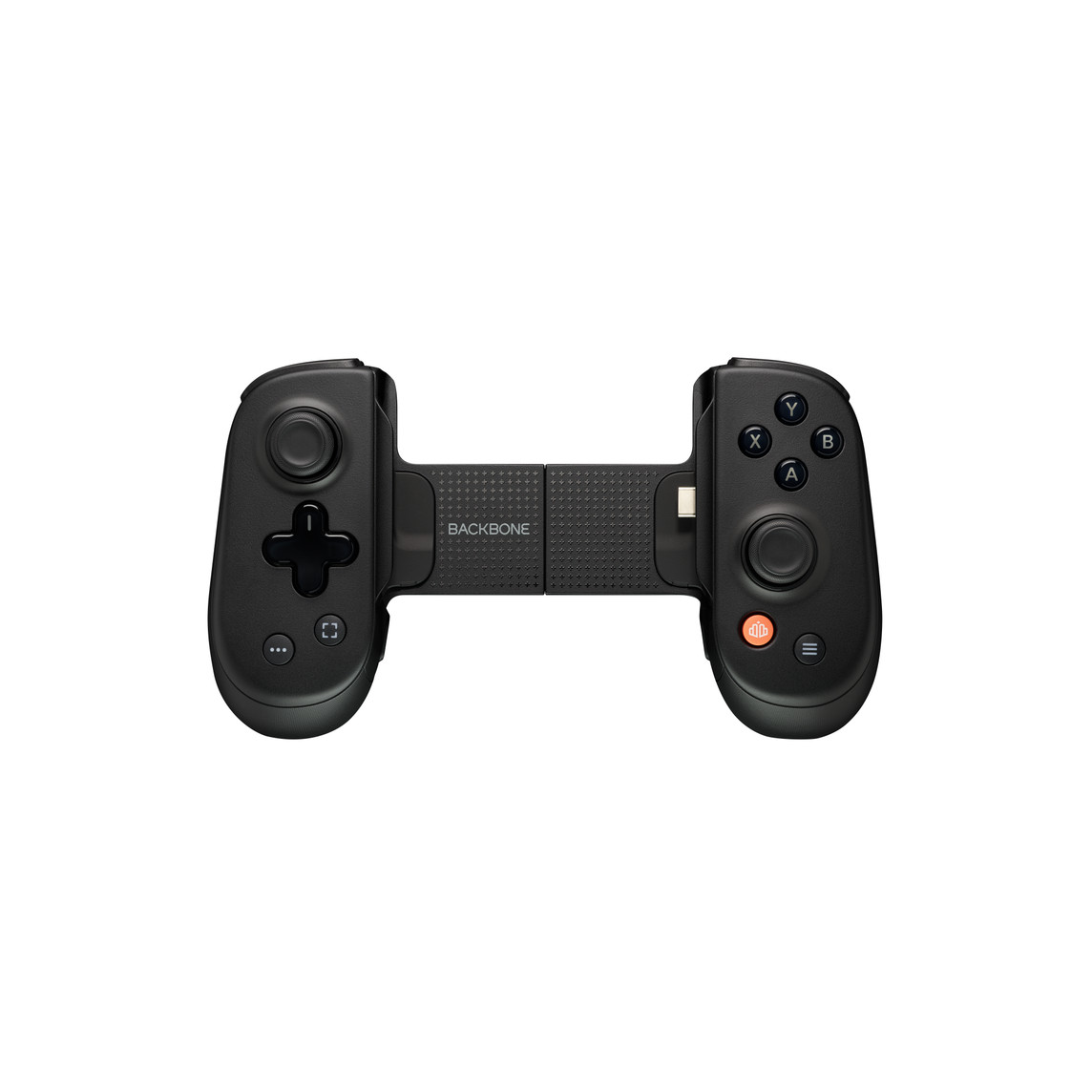
The company makes money selling hardware directly and through retailers, with cases and optional Backbone+ software features alongside it. Its site currently lists the One at $99.99 and the Pro at $169.99. Game purchases and services such as Xbox Game Pass are separate. That last distinction matters. A controller can make a game easier to reach; it cannot put a title into a catalog or make a poor connection behave.
The phone changed. The bet did too.
A phone accessory inherits the phone maker's decisions. In 2021, a larger iPhone camera assembly complicated the fit of some Backbone One units. Backbone offered an adapter, including a printable design. This was not a grand strategic reversal. It was the sort of small, expensive lesson that makes the accessory business humbling: one millimeter of somebody else's hardware can become your customer's problem.
Backbone had a larger answer by 2025. The Pro still holds a phone and connects through USB-C for responsive handheld play. It also works wirelessly with tablets, PCs, smart TVs and other screens. FlowState, the company's name for its switching system, lets the controller move between them through the app. The grips are fuller, the sticks are full size, and the rear buttons can be remapped. Backbone says it studied hand movements across more than 30 user studies and tried over 9,000 part iterations while designing it. The number sounds obsessive because industrial design often is.
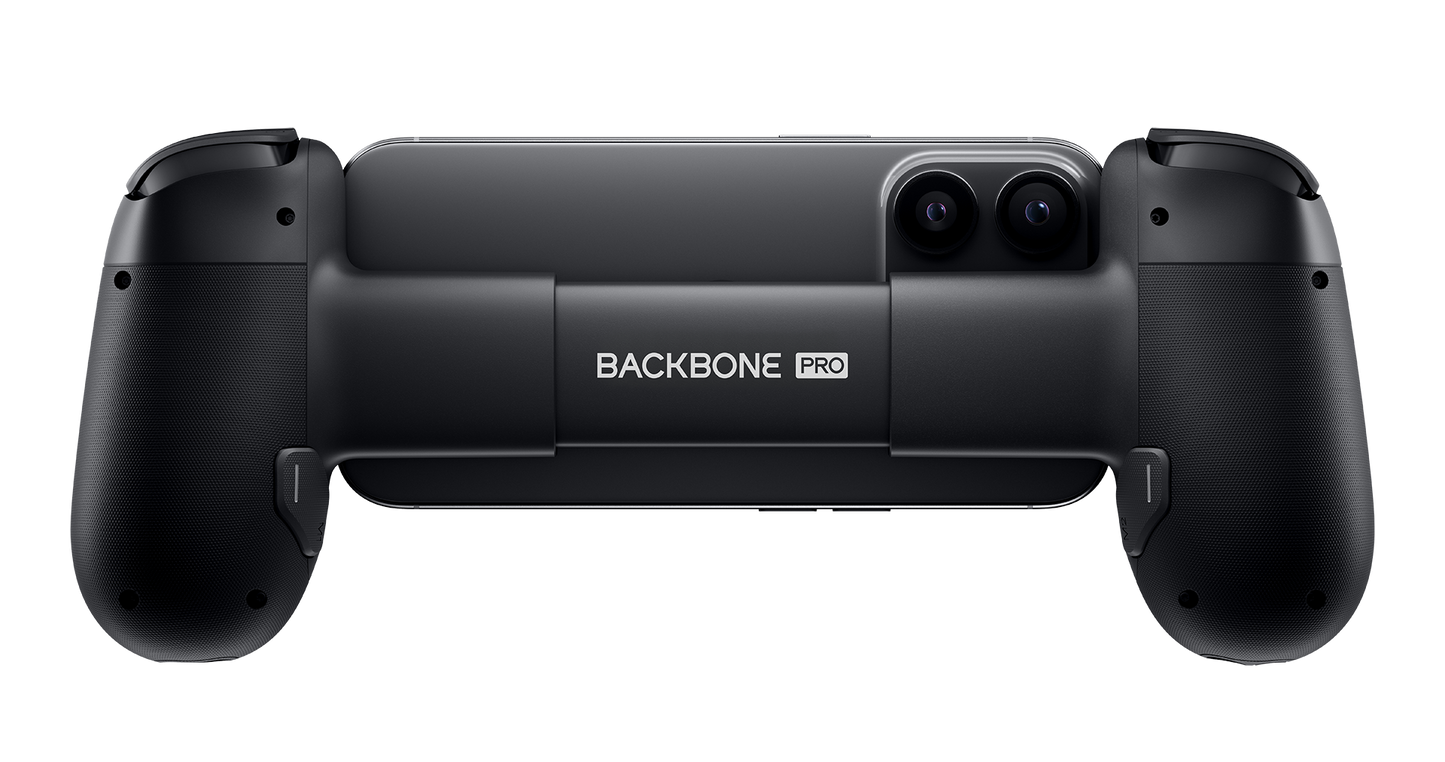
The controller, rather than the box under the television, became Backbone's constant.What the Pro launch suggests
That change also sharpens a buying decision. If nearly all your play happens on a phone, the smaller One has a persuasive virtue: plug it in and forget about charging the controller. If you want the same grip for a tablet, computer or TV, Pro has a job that the One cannot do. Neither model manufactures better Wi-Fi. And a game still needs controller support, an appropriate remote-play setup, or a cloud subscription where applicable.
Everybody's colors, Backbone's buttons
Official editions show how Backbone positions itself. In 2022, it worked with PlayStation on a white One whose colors and face buttons took cues from the DualSense. In 2025 came an Xbox One edition in translucent green, followed by an Xbox Pro edition. These are not interchangeable subscriptions in a pretty shell. They are invitations to players who already speak a particular console language. The underlying accessory can also reach other controller-compatible games.
The market is crowded. Razer Kishi and GameSir sell phone controllers; an ordinary Bluetooth pad can also connect to a phone. Backbone's case for itself rests on its combination of portable hardware, official console collaborations, and a launcher that treats multiple libraries as one itinerary. Rivals can copy a grip more readily than they can reproduce a habit. That is why the app deserves as much attention as the casing.
The company has had the capital to test the idea. A $40 million Series A led by Index Ventures was announced in 2022. The figure is a funding round, not a reported valuation or proof of profit. Backbone has not published a reliable revenue or user total. What can be seen is its widening shelf: hardware, software, special editions, and distribution through its own store and major retailers.
The collector enters the chat
In August 2026, Backbone announced a Pro edition for Xbox's 25th anniversary. It comes in three heritage colors, and the buyer receives one in a blind box. The controller is scheduled to ship in October at $159.99. That is a curious turn for a product built around convenience. A buyer now pays for uncertainty about the color. It tells you Backbone is selling more than a solution to slippery touch controls; it is selling an object people might want to own for its own sake.
The useful lesson for another company is narrower than “build an ecosystem.” Backbone started with a specific irritation, fixed it in a way people could hold, and then found the adjacent friction: locating games across incompatible storefronts and screens. The sequence matters. Software becomes more welcome when the hardware has already earned a place in a bag.
There are limits to this formula. It works best for people who already have a suitable phone, compatible games, and a reason to play away from their usual screen. Network quality governs streamed games; publishers and platform owners govern catalogs and permissions. A dedicated handheld may still be simpler for someone who wants one self-contained library. Backbone cannot govern those outside decisions. It can make the journey between them feel a little less like changing trains with luggage.