gamification
(24)
Sweet gives fandom something to do.
A highlight can sit in a wallet forever. Sweet is betting that fans would rather put it to work - collecting, competing, and earning a reason to come back.
The Dashboard Was Right. The Employee Was Still Stuck.
Centrical began with a simple irritation: companies could measure frontline work but struggled to improve it. Its answer is a loop that turns a number on a screen into practice, coaching and a second look at the result.

The Loyalty Program That Had to Learn Accounting
Gameball sells points, tiers and little moments of delight. Its more revealing work is less theatrical: joining scattered customer records, making rewards redeemable everywhere, and keeping the cost of generosity visible.
The Calendar That Learned to Go Looking
Seeker began by asking travelers to share the places they loved. Then it found the more interesting problem: towns already had plenty to share, but no sane way to keep track of it all.

Mittun makes the second click count
A nonprofit can win your attention and still lose you on the way to a donation. Mittun builds the websites, scoreboards, and small moments of recognition that connect those two acts.
Antavo Wants to Make the Loyalty Card Feel Less Like Homework
The London scaleup powers points, tiers, prize wheels and perks for brands from KFC to Hyatt. Its real pitch is less visible: let marketers change a global loyalty program without waiting in engineering's queue.

The Company That Turned Video Games Into a Cancer Lab
An Allen, Texas company spent years convincing gamers that tracing a line in Minecraft could help fight cancer. Then it had to figure out how to get paid for it.
The Quiz App That Ate 90% of American Schools Just Changed Its Name
Two Indian engineers built a math game nobody could keep fed with content. So they handed the tools to teachers instead - and accidentally built one of the most-used classroom platforms on Earth.
Vetted Bet That Pet Care Should Feel Like a Game - and Pay You Back
A Miami Beach startup closed its vet clinics, bought an Israeli AI app, and rebuilt itself around Care Coins - digital points you earn for walking, brushing and feeding your dog, then trade for real discounts. The pitch: what if Strava and Duolingo had a puppy?
Skool
How a deliberately plain community platform - five tabs, one price, and a points-for-likes game - became the default home for the paid-community economy.
Optimove
The Israeli-born CRM marketing company spent a decade teaching brands to talk to customers one at a time. Now it wants to dissolve the marketing org chart entirely.

Forumbee
Build a thriving online community and knowledge base to engage users, deflect tickets, and accelerate product adoption.

Bettermode
Launch fast with no code and turn engagement into measurable retention and growth.
Hang
Hang is a New York-based software company building an AI-powered marketing and loyalty platform for consumer brands. Marketed as 'the autonomous marketing system,' Hang replaces static points programs with personalized, gamified rewards - branded minigames, dynamic quests and 1:1 offers - alongside self-cleaning customer data, smart segments and AI-driven campaigns. It launched in 2022 as an NFT-powered membership platform backed by a $16M Series A from Paradigm, then repositioned around AI and now serves restaurant, beauty, apparel and e-commerce brands such as Just Salad, Jeni's, Boba Guys and Hattie B's.

Lucra
Lucra is a B2B competitive-loyalty platform that lets brands run live social competitions - tournaments, head-to-head challenges and mini-games - inside their own apps and websites through a white-label SDK. Originally launched in 2019 as a peer-to-peer real-money sports gaming app, the company pivoted to selling gamified engagement as a modern alternative to points-based loyalty programs, handling compliance, payments and fraud as a merchant of record. Its clients include Dave & Buster's, Five Iron Golf, TouchTunes and ChessKings, and in April 2026 it raised a $20M Series B led by ARK Invest's venture fund - ARK's first time leading an early-stage deal.

Classera
Classera is an edtech company that runs a cloud-based Learning Super Platform used across K-12 schools, universities, and corporate and government training programs. Founded in 2011 and headquartered in San Francisco with deep roots in the MENA region, it pairs a core learning management system with gamification, AI-driven personalization, virtual-reality content, an educational marketplace (Edumalls), and embedded payments (C-Pay). The platform serves more than 12 million users in over 40 countries and, in October 2022, raised a $40M Series A led by Sanabil Investments - reportedly the largest edtech funding round in MENA and most of Africa.

Springshot
Springshot is a San Francisco-based SaaS company that builds a cloud and mobile orchestration platform for airline and airport operations. It connects frontline ground crews, assets and systems in real time - turning raw operational data into structured 'missions' that streamline communication, automate task distribution, digitize compliance and deliver live analytics. Trusted by major global carriers and ground handlers across hundreds of airports, Springshot also extends into facilities, logistics, hospitality, stadiums and healthcare.

Gratia Health
Gratia Health is an Austin-based health-tech startup that turns everyday clinical work into measurable results. Its Workforce Activation Platform uses behavioral-science-designed incentives, real-time recognition, and gamification - points, badges, streaks, and patient shoutouts - to help hospitals keep nurses engaged, cover shifts, and cut spending on expensive contract labor. Emerged from stealth in November 2023 with seed funding led by JumpStart Capital and a launch partnership with ScionHealth's 70-plus specialty hospitals.

Joon Health
Joon Health is a San Francisco-based pediatric behavioral health company (YC W22) that turns real-life routines into a video game for kids with ADHD, autism, anxiety and depression. Children care for a virtual pet called a Doter, leveling it up by completing parent- and clinician-assigned tasks like chores, homework and hygiene. Founded in 2021 by three UC Berkeley grads, Joon has reached over 500,000 users and 18,000 paying subscribers, and raised $6.4M in 2023 to become a first-line digital treatment for pediatric behavior disorders.

The Pause Technologies Inc.
The Pause Technologies Inc. is a Phoenix-based, female-founded healthtech company building Harmoni, an AI companion for women navigating perimenopause, menopause, and beyond. Its app pairs a 24/7 AI wellness coach with symptom tracking, wearable data (Apple Health, Fitbit, Oura, Garmin), gamified journeys, and clinician-reviewed content to turn the confusing hormonal transition into something women can understand and act on. Founded by AI entrepreneur and MIT Sloan graduate Susan Sly with clinician Dr. Mia Chorney, the company is targeting the roughly 50 million U.S. women experiencing menopause symptoms.

WIT
WIT is a New York-based gamification and digital activation platform that helps pro sports teams and Fortune 1000 brands turn casual fans into engaged, identifiable participants. Through a library of 30+ turnkey experiences - giveaways, polls, brackets, vote-to-win, fan maps and fan walls - WIT collects first-party data, sources authentic fan content, fulfills sponsor obligations and drives revenue. Founded in 2018 by Vaidhy Murti, it now powers activations for roughly 100 venues, leagues and teams across the NFL, NHL, NBA, WNBA, MLB, MLS, NWSL and NCAA, plus brands like Coca-Cola and Bud Light.
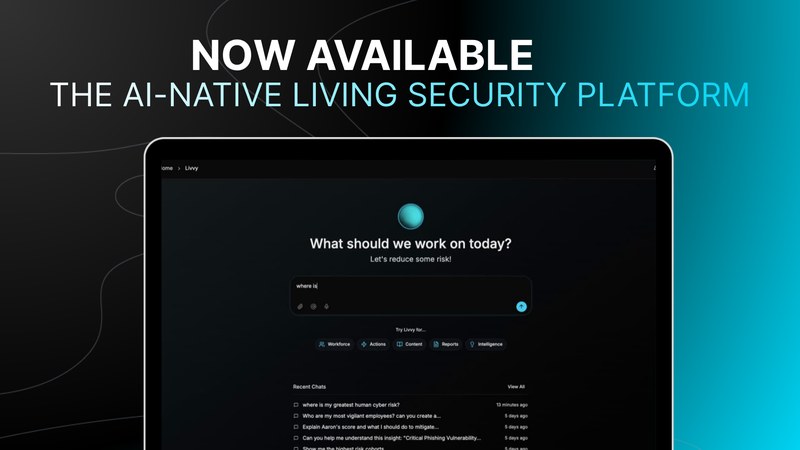
Living Security
Living Security is an Austin-based cybersecurity company that pioneered Human Risk Management (HRM), moving organizations beyond check-the-box compliance training toward measurable behavior change. Its AI-native Unify platform correlates behavioral, identity, and threat signals to find the small share of employees who drive most of an organization's risk, then guides targeted interventions. Founded in 2017 by Ashley and Drew Rose, the company serves more than 100 enterprises including Fortune 500 names, and was named a Leader in the 2024 Forrester Wave for Human Risk Management Solutions.

SparkPlug
SparkPlug is a San Francisco-based incentive management platform that turns frontline retail and restaurant employees into a brand's most effective sales force. By integrating directly with point-of-sale systems, it automates sales contests, goals, and commissions - often funded by the brands and vendors whose products those employees sell - and pays rewards out automatically. The company works with thousands of retail locations and hundreds of brand partners, betting that the people closest to the customer are the most underused influence in physical commerce.

MEandMine
MEandMine is a Silicon Valley startup that uses AI and neuroscience-backed games to surface the silent struggles of K-12 students. Its platform delivers ten minutes a day of personalized, gamified skill-building, while an AI engine flags psychological risk by analyzing 160+ in-game behaviors, giving teachers and counselors real-time signals for early intervention.