The Quiz App That Ate 90% of American Schools Just Changed Its Name
Two Indian engineers built a math game nobody could keep fed with content. So they handed the tools to teachers instead - and accidentally built one of the most-used classroom platforms on Earth.
In June 2025, a company most people knew as Quizizz did something that usually reads as a mistake: it walked away from a name that 75 million people used every month. Overnight, the goofy double-z quiz app became Wayground. The memes stayed. The leaderboards stayed. The name that made it famous did not. To understand why a founder would take that risk, you have to go back to a math game that failed for the most ordinary reason in software - it ran out of things to say.
01 / The PivotA game that could not feed itself
In 2013, two graduates of BITS Pilani, one of India's toughest engineering schools, quit their jobs to build something in edtech. Ankit Gupta had been at a consultancy in Delhi; Deepak Joy Cheenath had been a software engineer at Amazon. Their first product was Wizen World, an avatar-based math game meant to hook kids the way mobile games did. It worked - students played. And then it hit a wall that has nothing to do with code: the two of them could not produce new questions and levels fast enough to keep the game interesting.
The fix was a reframe, not a feature. Instead of being the studio that makes all the content, what if they built the tools and let teachers make it? In 2015 that idea became Quizizz. The bottleneck that killed the game became the engine of the platform. Every teacher who wrote a quiz added to a library the founders would never have had the manpower to build.

02 / What it isFormative assessment as a spectator sport
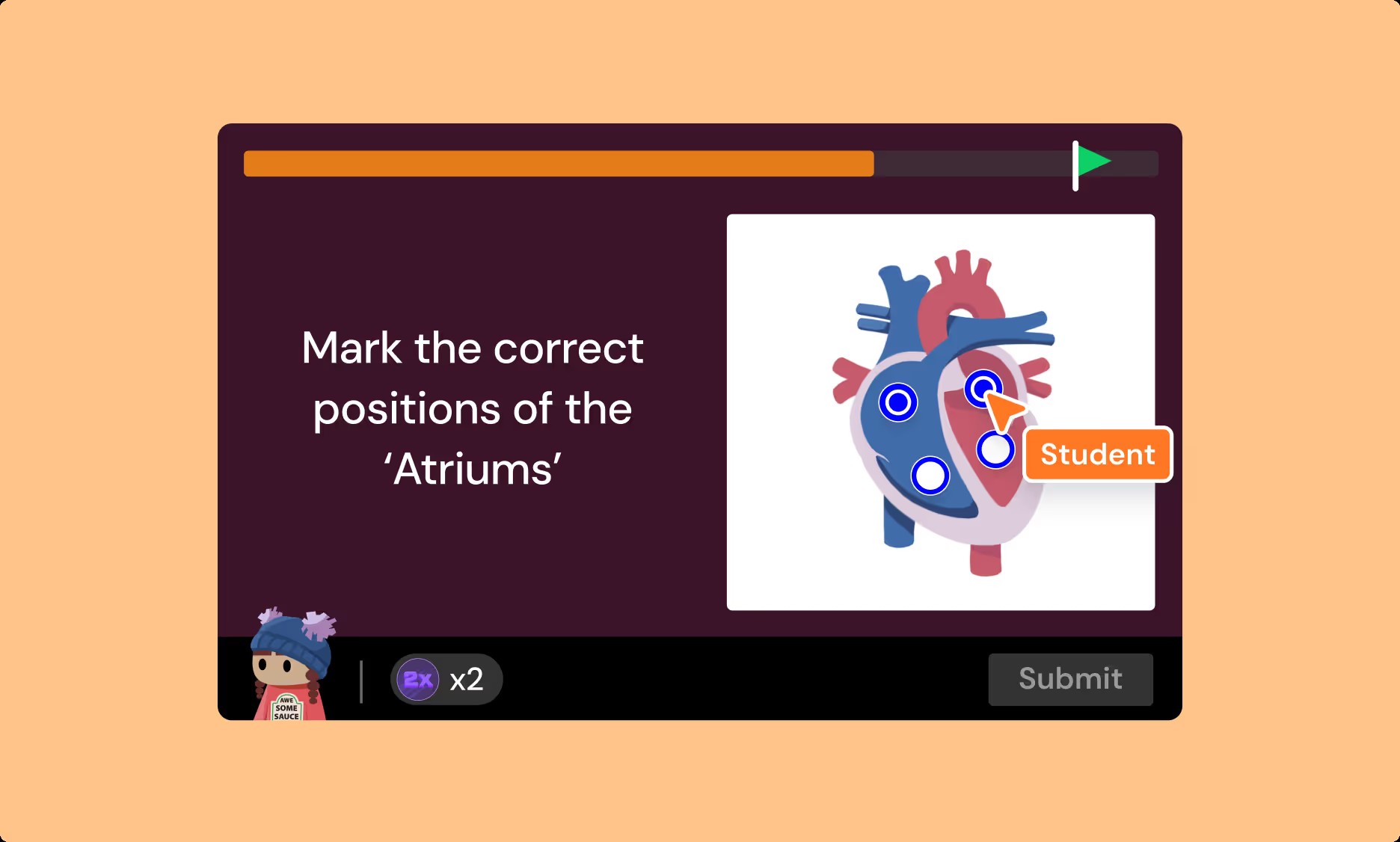
At its core, Wayground turns the least popular five minutes of any class - the pop quiz - into something students actually race to play. Questions run as a self-paced challenge or a live, game-show-style match, complete with leaderboards, power-ups, and memes that pop up between answers. The teacher gets real-time data on who understood what; the students get a game. That trade - assessment for the adults, entertainment for the kids - is the whole trick, and it is why the platform spread teacher-to-teacher without a sales team knocking on doors.
Over the past decade it stopped being only a quiz tool. Wayground now spans interactive video, digital lessons, flashcards, and reading passages, so a teacher can run a full lesson - not just a check for understanding - inside one platform. That expansion is exactly what the old name could no longer carry.
03 / The renameWhy kill a name 75 million people know
Rebranding a beloved product is one of the scariest moves in software, because the name is the muscle memory. Wayground's answer was to change only what limited it. The word "quiz" described a feature, not the company it had become. "Our new name reflects that growth and our belief that every student can find their way within the common ground of the classroom," CEO Ankit Gupta said when the change went live. The company kept the legal entity, the ownership, the user accounts, and the game mechanics students love. quizizz.com simply forwards to wayground.com.
04 / The AI betPut the robot in the background
Everyone in edtech is bolting a chatbot to the homepage. Wayground did close to the opposite. Its 2025 update leaned on a Flexible AI Generation Hub that turns a single uploaded file into several interactive formats in seconds, plus a set of quiet accessibility tools: dyslexia fonts, translations, and read-aloud for videos, slides, and quizzes. The framing from Gupta is deliberate - "AI should work in the background to support the moments that matter most." The pitch is not a robot tutor replacing the teacher. It is a robot doing the grunt work so the teacher has more time to teach.
The same release added Curriculum Alignment (find resources mapped to specific standards), Lesson Bundles (combine standalone activities into one lesson), and VoyageMath, a new middle-school math program built for individualized instruction and feedback.
- Ankit Gupta, CEO
05 / The fieldFame vs. classrooms
In the quiz-game aisle, Kahoot has the name recognition, and newer entrants like Blooket and Gimkit have the buzz among students. Nearpod, Pear Deck, and Quizlet crowd the broader lesson-and-study space. Wayground's edge has been less about being the loudest and more about being the one that lives in the daily rhythm of the classroom - assessment, lessons, and reporting in one place, with a free tier that gets a single teacher hooked before a district ever signs a contract.
Reach, in plain numbers
06 / The businessFree for one teacher, paid for the district
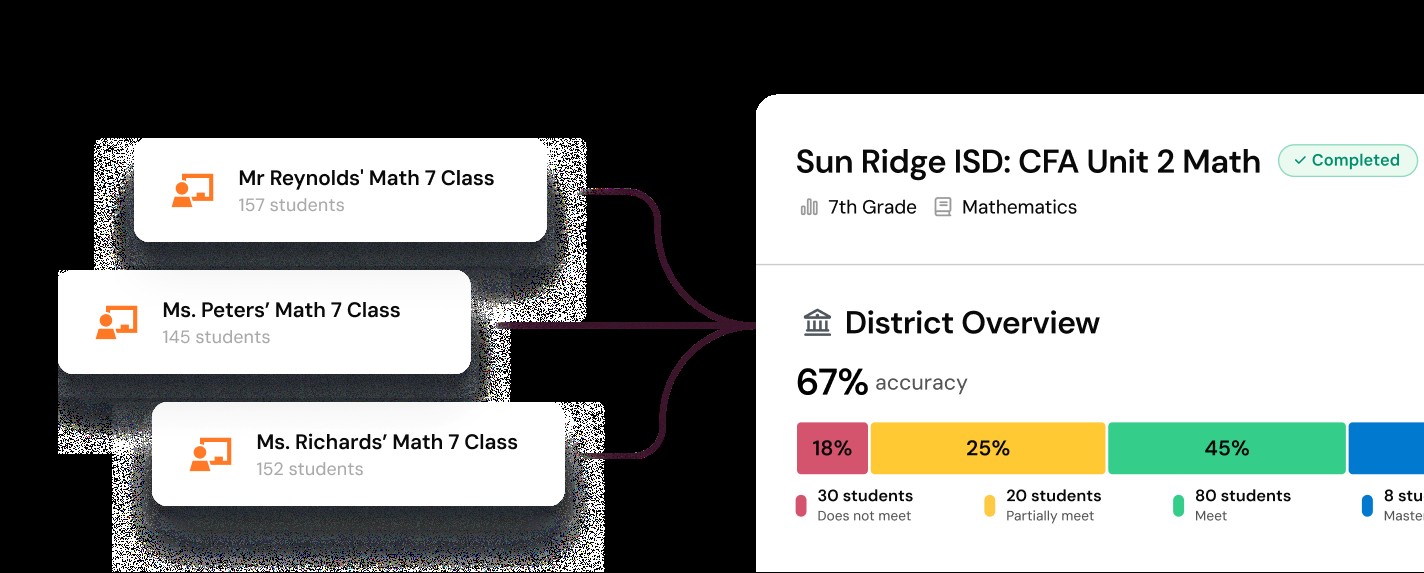
The model is classic freemium SaaS with a land-and-expand path. Individual teachers use a free tier that drives bottom-up adoption; schools, districts, and organizations pay for plans that add administration, analytics, curriculum alignment, and premium AI. There is a corporate training angle too - the same game mechanics that work on ninth graders work on onboarding and compliance modules. Private-data trackers estimate revenue in the neighborhood of $47.5M in annual recurring revenue, though the company does not publish official figures.
The file card
- Founded2015 (as Quizizz)
- FoundersAnkit Gupta, Deepak Joy Cheenath
- HeadquartersSanta Monica, California
- Team size~440 employees
- Total fundingSeries A + Series B, 2021
- Series B$31.5M, June 2021
- Notable backersTiger Global, Jerry Yang
- RenamedJune 2025
07 / The moneyWho bet on a quiz app from India
Quizizz raised a $12.5M Series A in March 2021, led by Eight Roads Ventures with GSV Ventures, Rocketship VC, and existing backers Nexus Venture Partners and Prime Venture Partners. A larger $31.5M Series B followed in June 2021, with Tiger Global and Yahoo co-founder Jerry Yang among the names on the cap table. For a company rooted in Bangalore and building for American classrooms, that investor list is a signal of how far the teacher-to-teacher growth had already carried it before the checks arrived.
08 / The road hereTen years, one clean pivot
09 / The takeawayWhat a founder can copy
The reusable lesson is not the AI or the rebrand - it is the original pivot. When a content bottleneck strangled their game, the founders did not hire a bigger content team. They changed who makes the content. That single move turned their weakness into a growth loop and let a two-person shop reach nine of every ten U.S. schools. The rename a decade later is just the same instinct in a different key: name the company for what it is becoming, not the feature it started as. It works when your users are willing to do the work you can't - and it would not have worked if teachers had not genuinely wanted better tools in the first place.