There is a small puzzle at the heart of MLS QUEST. A soccer match produces four collectible key plays. Find the four, finish the quest, unlock a reward. The first medallion is free. Suddenly, a highlight has acquired a second purpose: it is something a fan needs to complete a task.
That little change explains much of Sweet. The New York company builds digital collecting experiences for sports organizations, including the NHL and Major League Soccer. Its work now extends into SCOR, an ecosystem of sports games, rewards, and fan identity. Across those products, the question keeps returning: what happens after someone gets the collectible?
- For fans: collect highlights, finish challenges, trade, and play sports mini-games.
- For sports organizations: turn licensed footage and athlete identities into interactive products.
- The bet: a useful collection gives people a reason to return.
01 / The four-piece invitation
MLS QUEST, announced in October 2024, makes its invitation unusually concrete. Fans pick up video medallions online and in physical locations. They can trade for missing pieces or buy them. Completing a match’s four key plays unlocks a reward. The prizes connect the screen to the stadium: merchandise, tickets, signed jerseys, and on-field experiences.
By its subsequent feature update, MLS reported nearly 10,000 beta users, more than 600 completed game quests, and over $30,000 in unlocked rewards. Those numbers describe an early collecting experiment. They also show what Sweet is selling its organizational customers: another way to get fans doing something between matches.
MLS QUEST beta • figures reported by MLS
02 / Sugar before sports
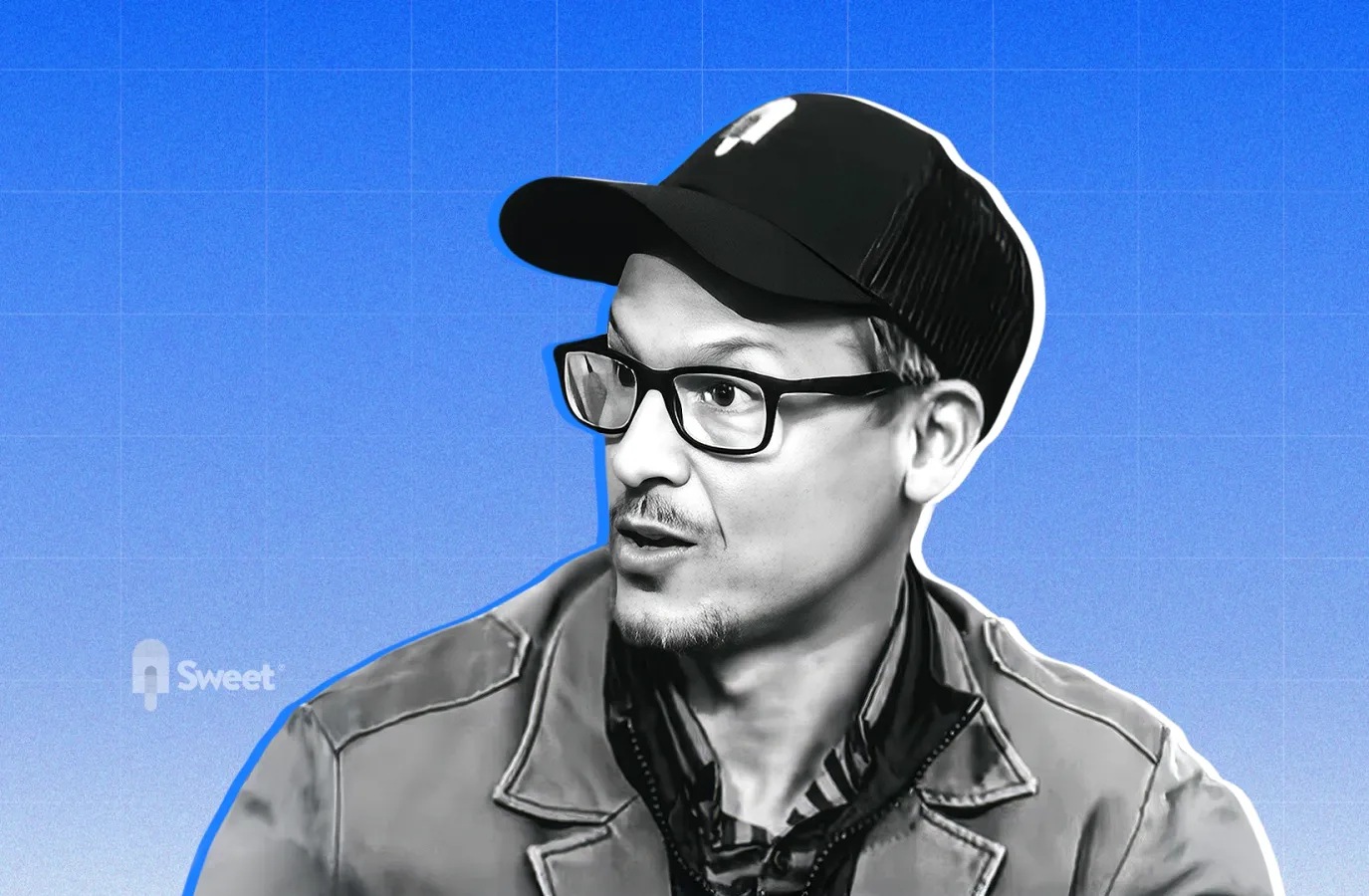
Sweet’s underlying idea predates its sports collectibles. Founded in 2017 by Tom Mizzone, it was rewarding brand engagement with points called Sugar by 2018. Fans could earn them for watching, sharing, and commenting, then redeem them for experiences. MarTech reported that someone had spent a million tokens on a cameo in a Black Eyed Peas video.
The names and technology changed; the interest in compensating participation endured. In August 2021, Animoca Brands joined Sweet’s A-2 financing round, announced at a $110 million pre-money valuation. The investment amount was undisclosed. That historical company valuation should not be confused with the market value of the later SCOR token.
NHL Breakaway followed with its official November 2023 launch. Fans could collect and exchange licensed hockey highlights. Sweet’s expertise was becoming a combination of rights-holder relationships, digital asset distribution, payments, and collecting mechanics. A league could bring the footage; Sweet could build the activity around it.
03 / Give the souvenir a job
By February 2026, Mizzone was candid about the wider category’s original weakness. Collecting alone had offered too little to do. In a DefiLlama interview, he described the early proposition this way:
“We essentially sold people digital posters and stored them in a digital closet.”
Tom Mizzone · Founder & CEO · February 2026
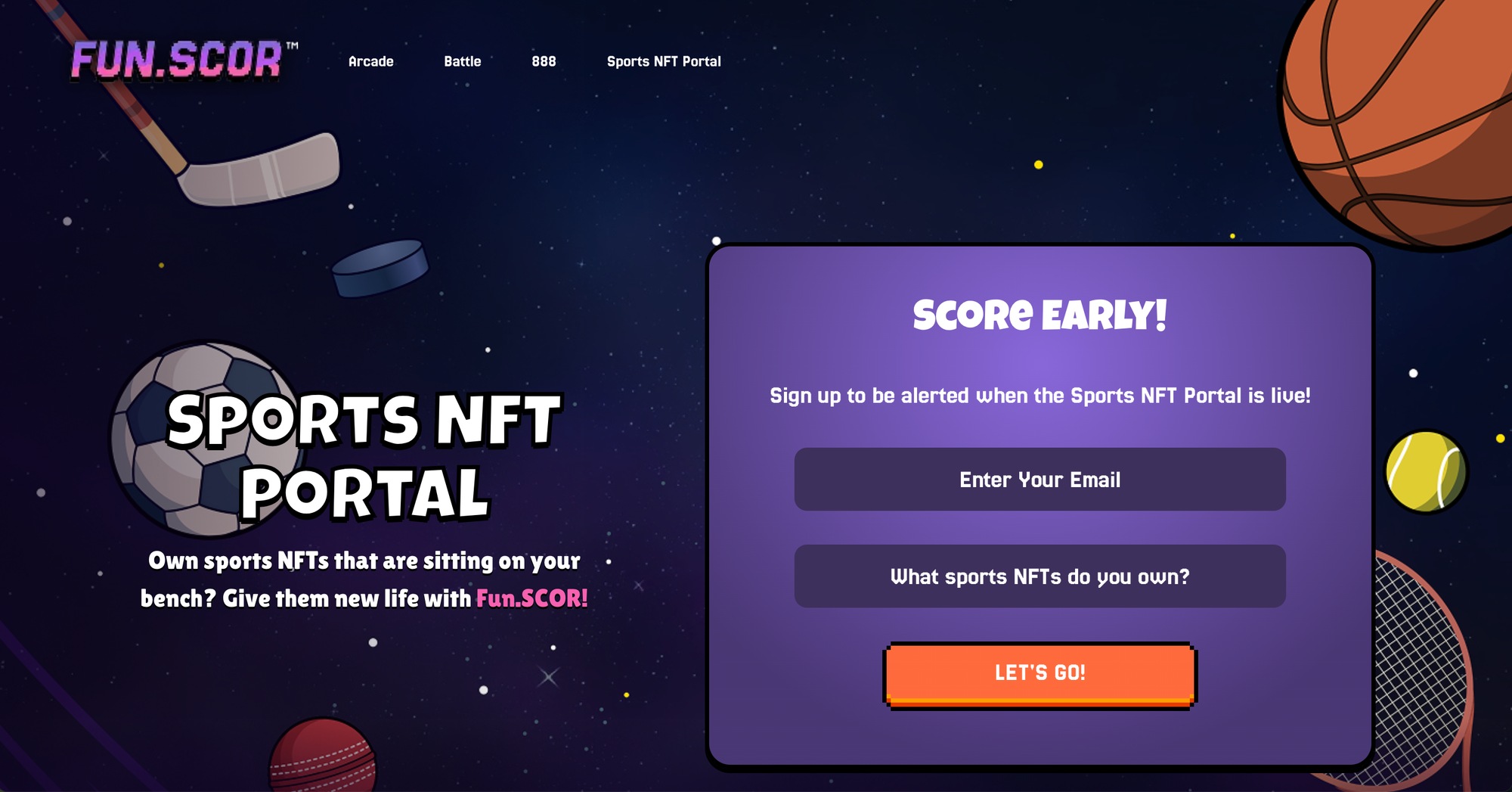
His diagnosis helps explain SCOR’s direction. Fun.SCOR.io, launched in December 2025, gathers sports mini-games in a web destination alongside the ecosystem’s messaging-based experiences. Players earn Gems through activity. SCOR-ID is intended to connect their identity and progress across those experiences. Launch coverage put the ecosystem above two million users, a reported audience figure rather than a measure of repeat play.
That distinction changes the product brief. A souvenir can succeed by being desirable on the day it is released. A game has to keep offering decisions. Combining the two means designing for the owner who already bought in, as well as the newcomer attracted by the next drop.
The Sports NFT Portal adds an interesting wrinkle: a fan need not always acquire something new. Its December announcement opened early-access registration for owners of eligible outside collections. Wallet verification was designed to recognize those holdings and unlock advantages without moving the original collectible. Eligibility matters; possessing any random NFT is not the proposition.
Even the announced golf game Arnie’s Birdies takes a specific approach to licensed identity. Its Palmer references include the Bay Hill clock and his dog, Mulligan. These are objects that can furnish a game world. A name on a digital card becomes material for something a fan can play.
04 / The price of another turn
Free entry and paid collecting coexist. A historical NHL Breakaway drop offered three highlights for $9 in January 2024. MLS QUEST has offered free pickups alongside paid packs and marketplace purchases. Sweet combines services for organizations with consumer products; SCOR also runs token-denominated competitions. The public product mechanics reveal more than speculation about undisclosed contract terms.
Converting game points also has conditions. The Gem Polisher, introduced in December 2025, required a SCOR-ID, a three-day activity streak, and specified scores across three games. Standard runs accepted 500 to 1,000 Gems, locking them until completion. Longer streaks accelerated polishing. Earning points and instantly withdrawing cash are different experiences.
Paid head-to-head matches add another choice: enter at a fixed $SCOR fee and compete for a stated reward. January 2026 documentation separates game balances from the main wallet and notes transaction fees in some cases. These details make the costs legible. Rewards depend on rules, participation, and performance.
There is an account-level trade-off, too. The January guide ties each SCOR account to one Base address and one Telegram account, with those links fixed under the documented rules. Social sign-in can create a Base wallet automatically. Convenience at the entrance therefore sits beside choices a player should understand before building up progress.
Sweet has also had ordinary product plumbing to fix. A December 2023 NHL Breakaway update described a new MoonPay checkout, with card approval rates trending above 90%, and planned extra confirmation before accepting trades. A fan cannot enjoy sophisticated ownership mechanics if a payment fails or a trade goes through by mistake.
05 / Win the second visit
Sweet operates beside NBA Top Shot’s highlight collecting and Sorare’s collectible-card fantasy competitions. Both already give fans activities around owned assets. Sweet’s distinctive combination is its league-specific experiences and its attempt to connect arcade play, outside collectibles, and portable identity. The infrastructure ambition is broader than any one pack drop.
For a league, that suggests a different relationship with its archive. Yesterday’s play can become today’s collecting objective. An athlete’s recognizable possessions can furnish a game. The commercial opportunity depends on making those details matter to fans, beyond recognizing the name.
For another product team, the useful thing to copy is the sequence: offer an easy first action, show an understandable goal, then reward completion with something the audience values. It needs compelling games, usable rights, and people who want the reward. Incentives alone cannot establish that demand. Sweet’s next task is to make the second visit feel as worthwhile as the first.