The small-town event calendar is a wonderfully democratic mess. The jazz trio announces Friday's set on a bar's website. The ceramics studio posts its workshop on Instagram. A museum maintains a respectable page, the farmers market has a newsletter, and somebody at the chamber of commerce has a spreadsheet with three tabs and one exhausted owner. The information exists. It simply refuses to assemble itself.
- What it sells: event discovery, visitor trip planning and gamified real-world experiences.
- Who buys: tourism boards, chambers, local publishers, arts groups, brands and event teams.
- What changed: a consumer travel community became B2B software for the people who manage places.
- The useful trick: automate the hunt, preserve the editor.
Seeker has built its current company around this untidy fact. Its Events Network crawls the sites where local happenings actually live, extracts the details, removes duplicates, assigns categories and presents the results in a review feed. A human can approve, edit, feature, reject, whitelist or blacklist. The approved listing then appears on the customer's own site through a native widget, an integration or an API.
It is not the sort of technological promise that makes a keynote audience gasp. It makes a destination marketer put down a copy-and-paste routine and say, with feeling, “finally.”
The first idea was prettier
When Jody Vandergriff and Steve Rabkin introduced Seeker in 2019, it was a visual community for travel ideas. Vandergriff's complaint was persuasive: review sites were full of strangers with unknowable tastes; publishers wrote for search and clicks; social recommendations vanished in a feed. Seeker would let like-minded travelers share places they genuinely loved.
The founders knew software. They had built the digital-asset-management company WebDAM together before Shutterstock acquired it in 2014. They also knew the peculiar emotional weight of planning a trip. Vandergriff traced Seeker's origin to a journey to Thailand she had planned for months, only to confront the 2004 tsunami ten days before departure. Travel was personal, uncertain and poorly served by a ranked pile of anonymous opinions.
But the public trail of the company tells a quiet pivot. The consumer feed is no longer the proposition. By 2023 Seeker was describing Explore as a visitor experience platform for tourism marketers. In 2024 it introduced an AI trip planner that collected traveler preferences for the destination. In 2025 its events network and gamification tools grew into distinct products. By 2026 the homepage led with a community calendar on autopilot.
The important customer was no longer the traveler looking for a place. It was the organization responsible for making the place legible.The pivot, in one sentence
Three jobs hiding inside one holiday
Seeker now sells three related tools. Events Network answers “what is happening?” Explore answers “what should I do?” XP answers “how do you get me to join in?” Together they cover the awkward distance between dreaming about a destination and walking through its front door.
Explore offers a branded trip-planning widget, interactive guides, business listings and itineraries. A visitor can state dates and interests, receive recommendations, save a trip and share it. The destination gets something generic search rarely volunteers: first-party information about what the visitor wants.
XP is the more playful sibling. An organization can build a digital passport, a scavenger hunt, a food trail or a check-in challenge without writing code. Participants scan a QR code or tap a link, then collect points, badges, discounts or prizes in a mobile browser. No pilgrimage to the app store is required.
The night the spreadsheet bought a round
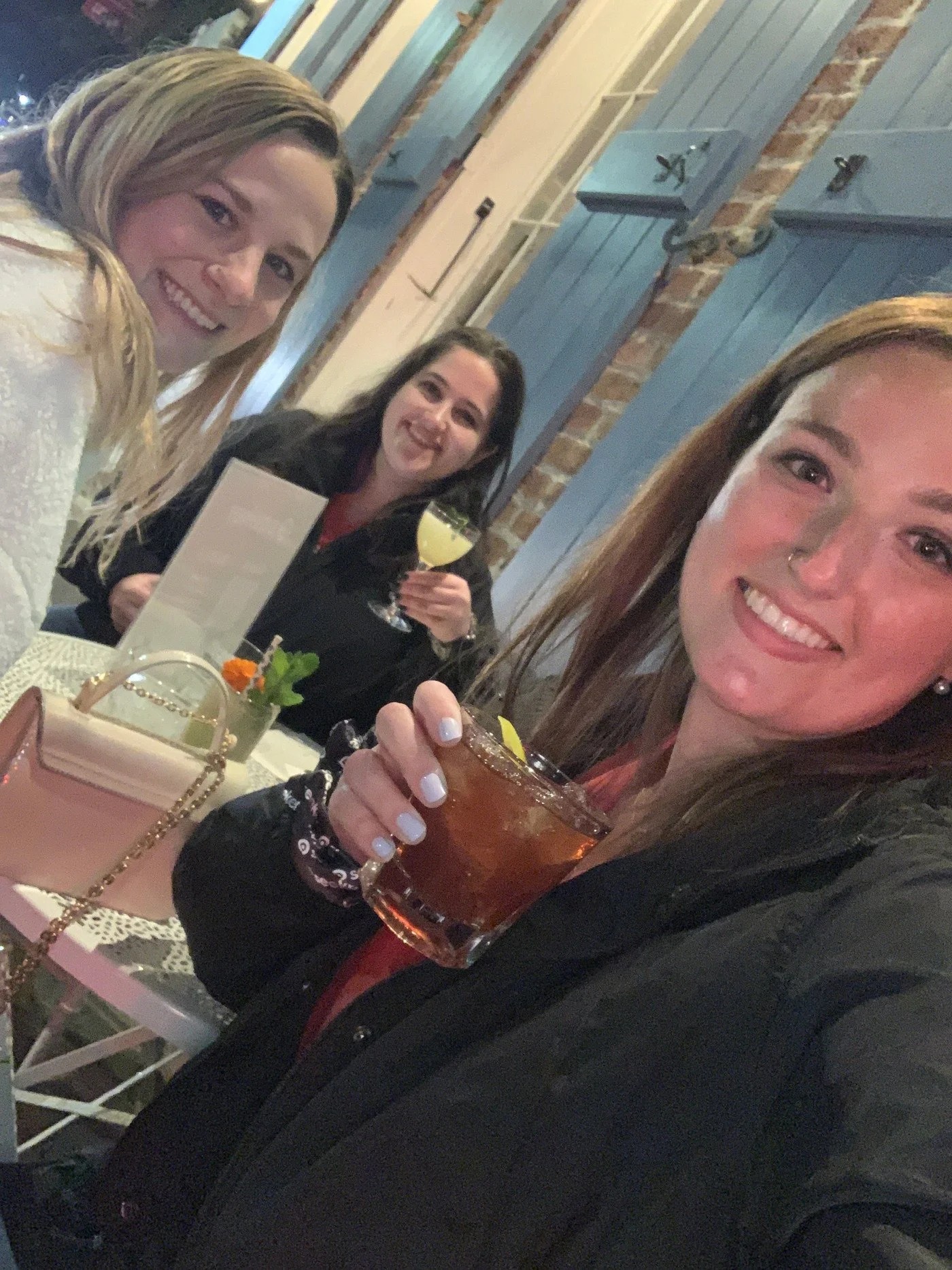
A 2023 New Orleans activation shows what the products mean outside a sales page. At Wanderfest, Seeker assembled a walkable route through six French Quarter cocktail bars. QR codes handled check-ins. Each venue offered a signature drink. Participants could see one another's pictures, and completing stops brought an immediate, comprehensible reward.
The results matter because they show the boundary between software and event design. The platform made a complicated crawl legible and measurable. It did not invent the French Quarter, select itself into six good bars or pour a drink. The transferable formula was narrower: choose places close enough to form a route, give the participant one obvious action, make the reward worth the interruption, and ask for content at the moment people are already having fun.
Copy that sequence and the tool has leverage. Remove the reward, scatter the stops over an unreasonable distance or make registration tiresome, and a leaderboard becomes decoration. Seeker works best where there is already a dense network of places and events, a steward who cares about curation, and an audience with a reason to move.
AI does the chasing, not the judging
The Events Network has the clearest competitive argument. Conventional aggregators are good at consuming conventional feeds from ticketing platforms. Local life is less obedient. A Thursday jazz series may appear only on a restaurant page. A gallery opening may be trapped in a poster. Seeker says its crawlers can monitor arbitrary partner sites and even extract details from event images. When a source changes its layout, the crawler is designed to adapt.
The human remains conspicuously employed. Every discovered item can land in a review queue before publication. Trusted sources can be set to publish automatically; dubious ones can be blocked. That choice is less cinematic than full autonomy and considerably more useful to a public-facing organization that cannot afford to advertise the wrong date.
There is also a distribution detail with real economic weight: listings render natively on the customer's domain, rather than inside an iframe. The destination keeps its visual identity, the visitor stays on its site, and search engines can index the event as the destination's content. Seeker is not only filling the calendar. It is trying to make the calendar worth owning.
The scale is local, then suddenly statewide
At SF Peninsula, Seeker says the network monitors more than 500 sources across 16 cities. In Tennessee, it crawls more than 200 sources for a statewide tourism deployment. In Calgary, four organizations share a single discovery feed but publish four calendars with different brands, filters and audiences. The underlying asset is not a glamorous interface. It is a maintained map of where a community talks about itself.
That puts Seeker between several established categories. Localist, Evvnt and CitySpark address event calendars and distribution. Bandwango and similar platforms sell passports and visitor engagement. Trip planners handle itineraries. The cheapest alternative remains an untidy coalition of Eventbrite, Facebook, spreadsheets, emailed submissions and manual CMS work.
Seeker's distinction is the way those jobs connect: broad custom-source discovery, an editorial checkpoint, native publishing, and optional visitor participation after the listing goes live. The company charges subscriptions, quoted enterprise plans and short-term activation fees. Most pricing is private. One public XP Flex page advertises an $850 short engagement, while Explore plans are largely “get quote” territory.
What a careful buyer should steal
The company's most copyable lesson is strategic rather than technical: follow the expensive chore. Seeker's original consumer problem was vivid but crowded. People already saved travel ideas on Instagram, Maps, review sites and group chats. The B2B problem was duller and more acute. Somebody still had to find the events, repair the details, secure approval, publish them and later prove that anyone showed up.
A buyer can copy the method before buying the software. Inventory every source the team checks in a month. Measure hours spent copying, correcting and chasing submissions. Decide which publishers can be trusted automatically and which need review. Pick one outcome - complete listings, search traffic, check-ins, email capture or footfall - rather than promising all of them at once. Then run a short campaign with a route and a reward people can explain in one breath.
The conditions matter. Sparse communities with few digital sources will not conjure a rich calendar through crawling. Organizations without a person responsible for approvals will merely exchange one backlog for another. A visitor program with weak local partners cannot automate its way into charm. And first-party data is useful only when consent, stewardship and a plan for using it are already in place.
Seeker began with the romantic belief that the right people could show one another the right places. It has not entirely abandoned that thought. It has simply moved backstage, where somebody must keep the lights on, the listings current and the scavenger hunt honest. In travel, as in theatre, wonder has an operations department.